
Korčula Travel Guide: Where to Stay, Eat, Drink, and What to Do
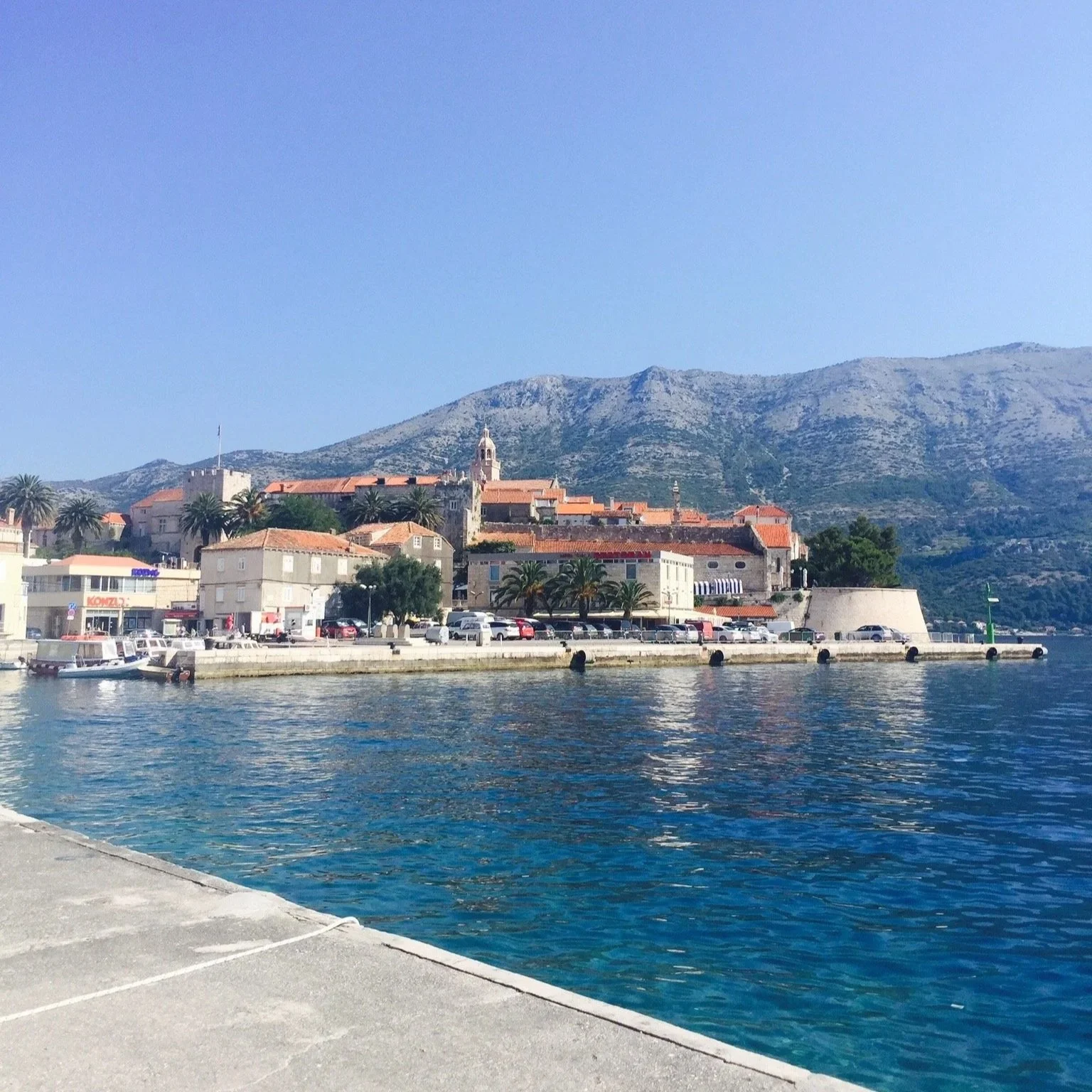
Korčula gets called "a miniature Dubrovnik," and the comparison makes sense the moment you arrive by sea: a walled medieval town on a small peninsula, terracotta roofs inside honey-colored stone, towers rising straight out of the water. But the nickname undersells it. Korčula is quieter than Dubrovnik ever is now, greener — vineyards and olive groves and pine forest cover the island — and it's home to some of the best wine in Croatia. It also claims, with great conviction and disputed evidence, to be the birthplace of Marco Polo. Spend a few days here and the comparison falls away; Korčula is its own thing, and a calmer, more rooted one.
This is our honest guide to Korčula — where to stay, what to do, and where to eat and drink on Croatia's "wine island."
Where to stay in Korčula
Most visitors base in or around Korčula Town, the walled Old Town and its immediate surroundings, where the restaurants, history, and boat connections are. Lumbarda, a short drive southeast, is the alternative — the island's sandy-beach and wine corner, slower and more rural. For a first visit, Korčula Town is the answer.
Lešić Dimitri Palace (Korčula Old Town)
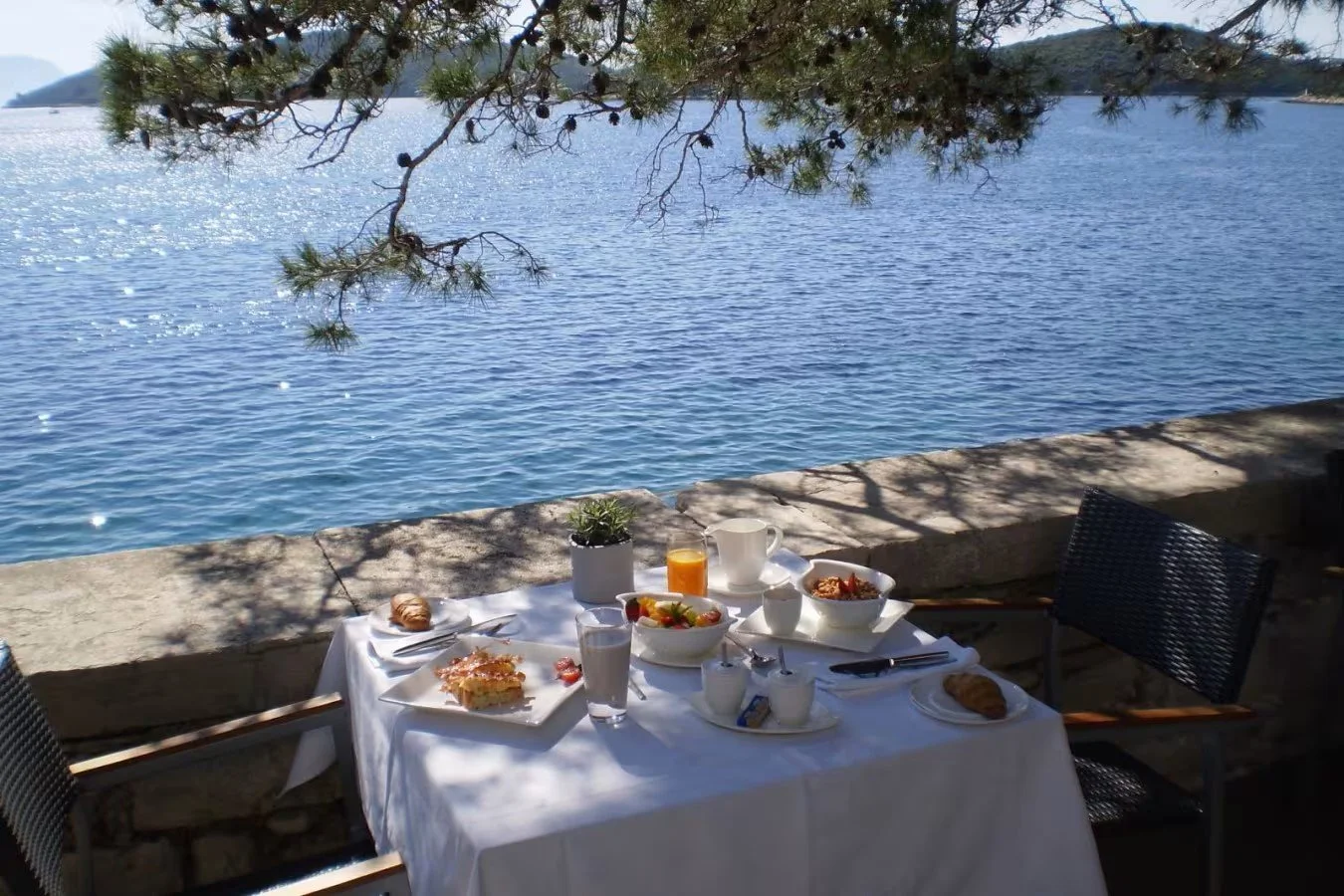
This is the standout stay on the island and one of the most distinctive hotels in Croatia. A restored 18th-century Bishop's Palace in the heart of the Old Town, now a Relais & Châteaux property with just a handful of expansive suites, each themed around a stop on Marco Polo's Silk Road — China, Arabia, and so on. There's a serious spa specializing in Thai and Ayurvedic treatments, and a Michelin-starred restaurant with a long terrace above the Old Town wall serving local seafood, the hotel's own olive oils, and indigenous Grk and Pošip wines. It's intimate, design-led, and deeply tied to its place — exactly the kind of property worth planning a stay around.
Aminess Korčula Heritage Hotel (Korčula Town)
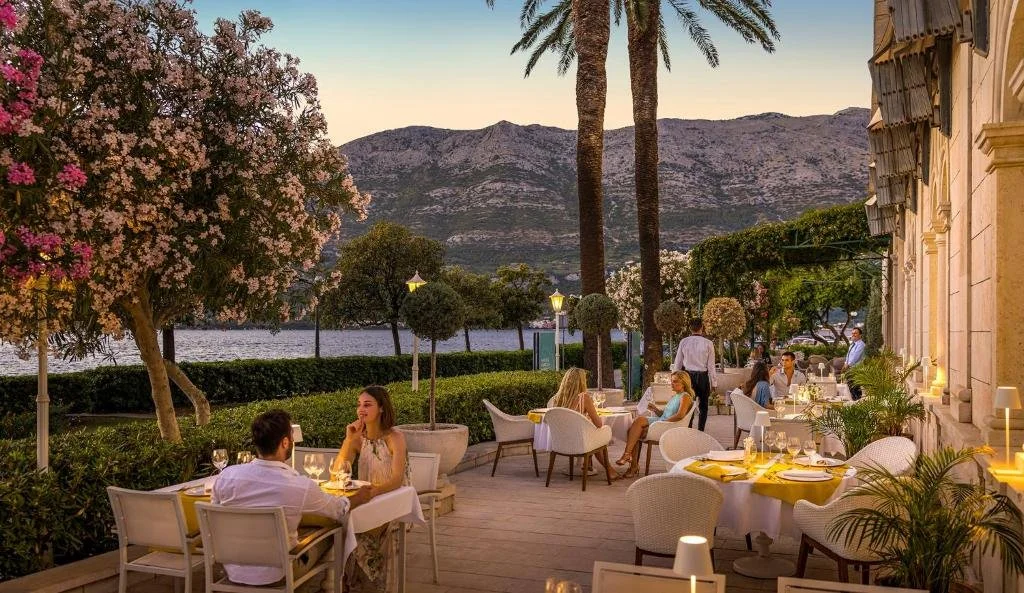
The venerable old Hotel Korčula, reborn under the Aminess group as a solid four-star with one of the best locations on the island — right on the harbor at the edge of the Old Town, with a convivial waterfront terrace that's a fine spot for a drink whether or not you're staying. A more traditional, accessible alternative to the Lešić Dimitri, with Old Town views and an easy walk to everything.
Aminess Port 9 Resort (near Korčula Town)
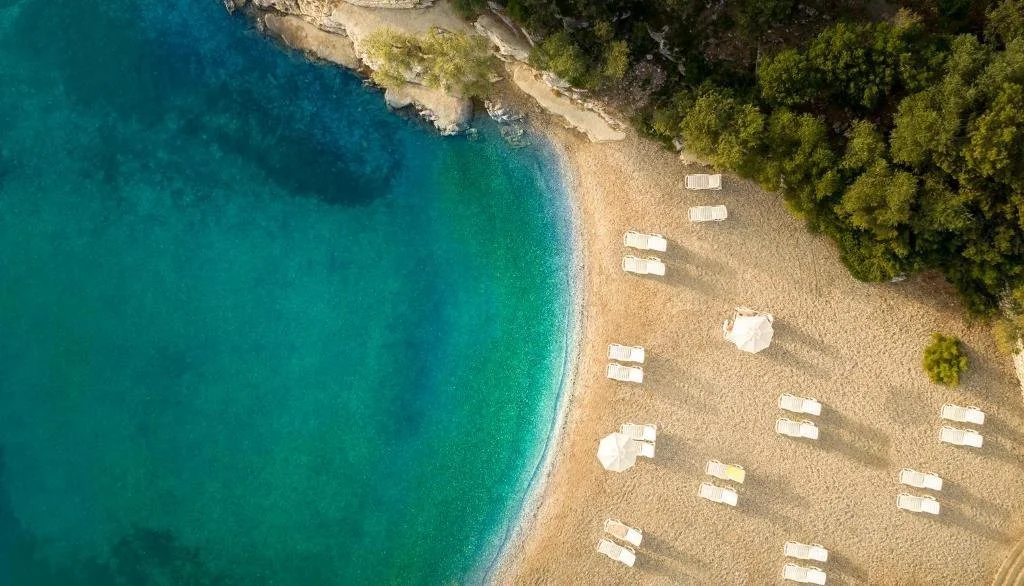
For travelers who want a pool complex, more space, and family-friendly facilities, the Port 9 resort just outside the Old Town is the practical pick — pools, beach access, and activities for kids, at resort scale. Less atmospheric than staying within the walls, but the easy choice for families.
Our pick: Lešić Dimitri Palace for a special, design-led stay in the Old Town; the Aminess Korčula Heritage Hotel for a classic harbor-front four-star; and Port 9 if you're traveling with kids and want a pool and facilities.
What to do in Korčula
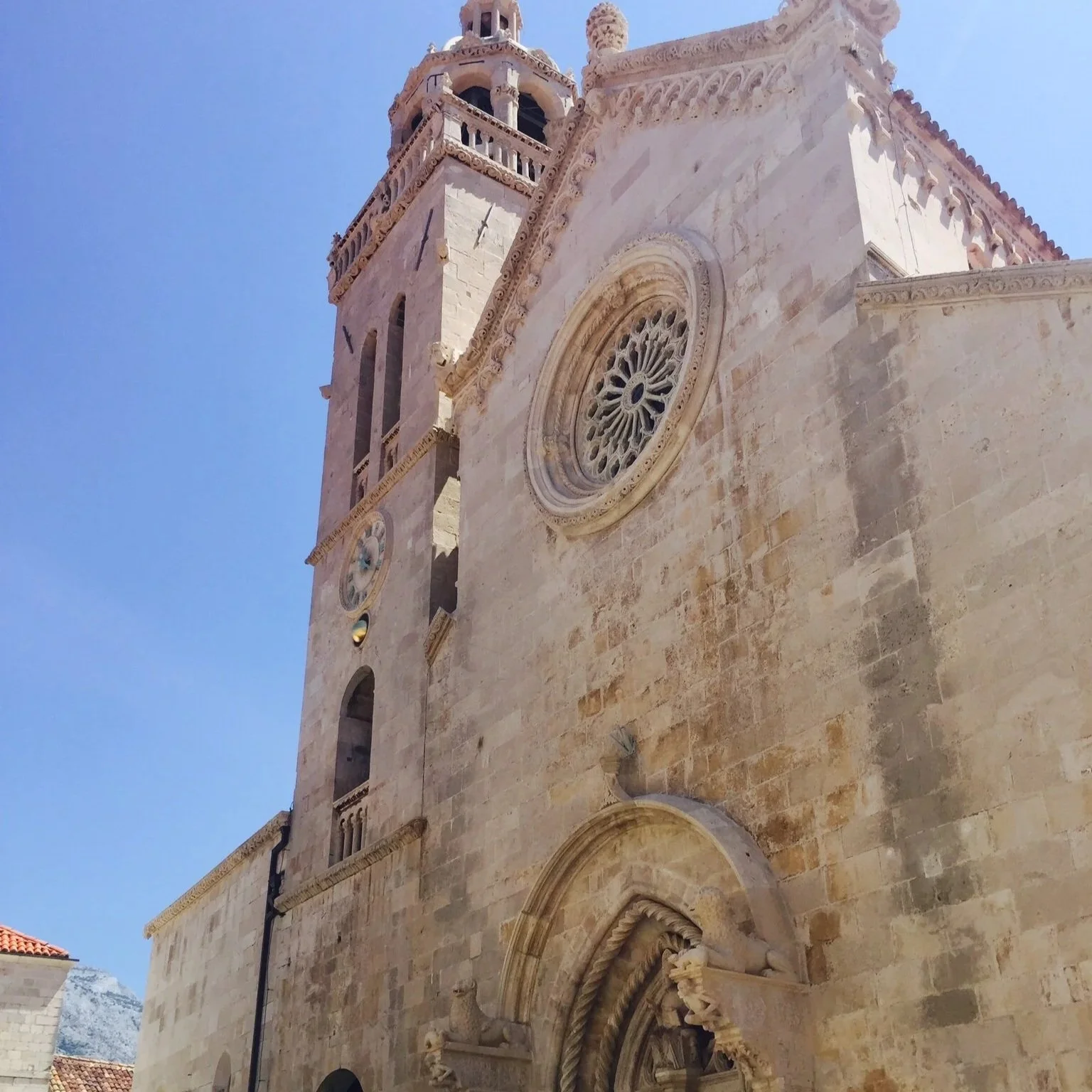
Explore the Old Town. Korčula Town is laid out in a distinctive herringbone pattern — streets angled off the main spine to break the wind and catch the breeze, a piece of medieval planning that still works. Wander the stone lanes, walk the remains of the town walls and towers, and climb the bell tower of St. Mark's Cathedral for the view over the rooftops and the channel. It's compact enough to see in a morning and lovely enough to keep circling back to.
Visit the Marco Polo sites. Korčula leans hard into its claim as the explorer's birthplace, and whether or not you buy it, the Marco Polo House and the small interpretive museum are an enjoyable part of a wander through the Old Town. Take it in the spirit it's offered — a good story, beautifully located.
Taste the island's wine. This is the real reason to come (more below), and a half-day in the vineyards around Lumbarda, Čara, or Smokvica is one of the best ways to spend your time. Many visitors do it by bike — the island is made for a bike-and-wine afternoon.
Catch the Moreška sword dance. Korčula's centuries-old traditional sword dance, a dramatic clashing-blades performance staged in summer, is a genuine local tradition rather than a tourist invention, and worth catching if your visit lines up with a performance.
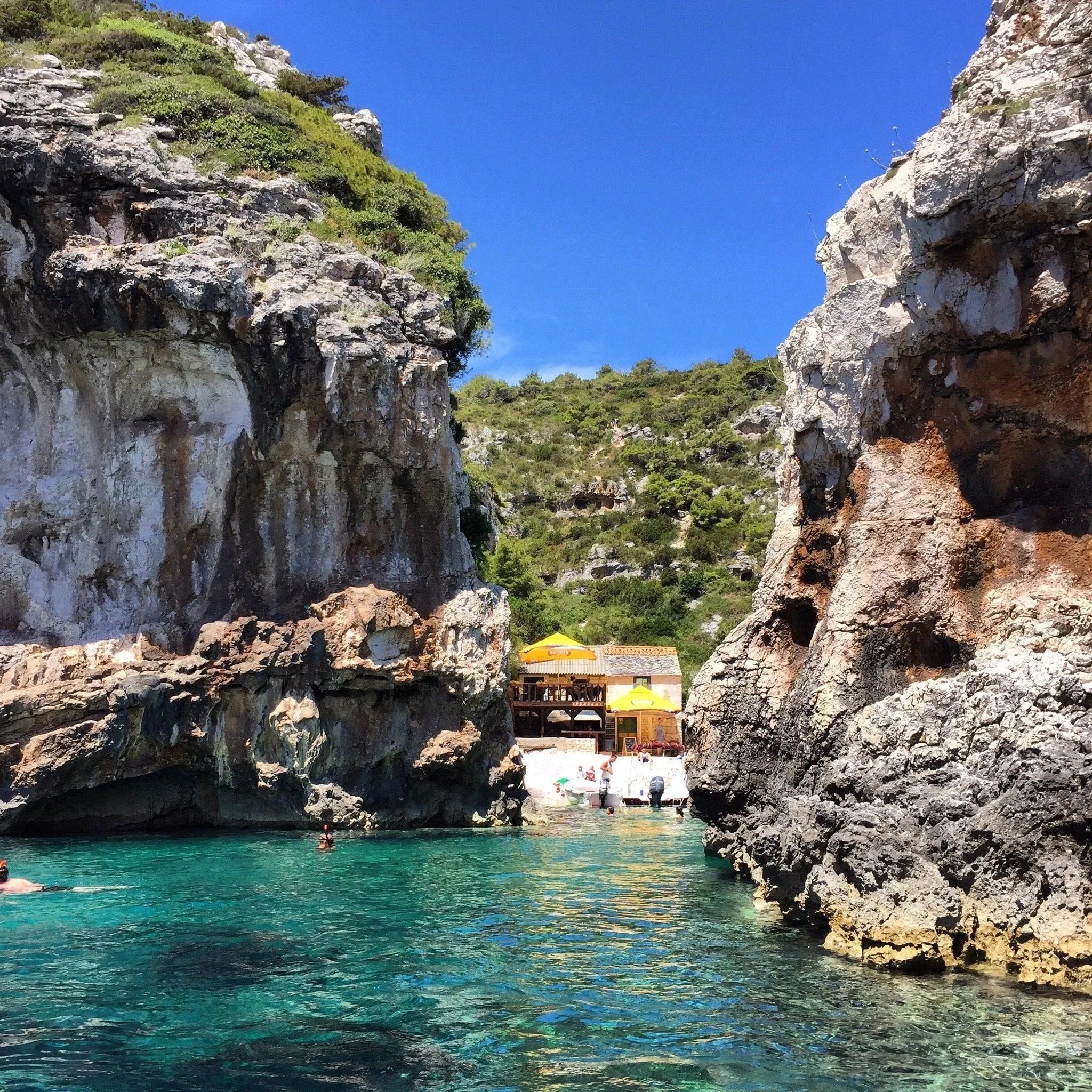
Boat to the nearby islets. Water taxis from the harbor reach the little islands of the Škoji archipelago just offshore — Badija, with its restored Franciscan monastery and walking paths, and quieter Vrnik with its old stone quarries. Easy half-day swimming-and-wandering trips.
Where to eat in Korčula
Korčula eats well, with a mix of refined Old Town dining and rustic island konobas, all built on Adriatic seafood and the island's exceptional wine.
The Michelin-starred restaurant at Lešić Dimitri Palace is the high-end experience — seasonal Dalmatian cooking on a terrace above the town wall, with thoughtful pairings of the island's indigenous wines. The pick for a special dinner.
In the Old Town and along the harbor, the konobas and waterfront restaurants do excellent grilled fish, black risotto, and Pošip by the glass. Look for the smaller, family-run places over the obvious tourist terraces.
In Lumbarda, combine lunch with the wine — several of the family wineries serve food alongside tastings, and a long afternoon table among the vines is the island at its best.
Where to drink in Korčula
Korčula's drinking is, fittingly, mostly about wine — but there's a standout spot worth singling out.
Cocktail bars built into the town's old defensive towers are Korčula's signature evening: climb up to a rooftop perched on a medieval bastion, drink in hand, and watch the sun go down over the channel toward the Pelješac peninsula. Massimo, set in the turret of one of the old towers (drinks famously hauled up by pulley), is the most famous, and the view is the whole point. Go for sunset.
For wine, an Old Town wine bar pouring the island's Grk and Pošip is the most fitting nightcap — a chance to taste side by side what makes Korčula the wine island.
Korčula's wine: Grk and Pošip
Korčula is known across Croatia as the wine island, and its two indigenous white grapes are the reason to care. Grk is the rarity — grown almost exclusively in the sandy soils around Lumbarda, a dry, structured white with a name that nods to the ancient Greeks who first settled there. Pošip, from the inland villages of Čara and Smokvica, is the island's flagship: fuller, aromatic, and increasingly recognized as one of Croatia's best white wines. Tasting both where they're grown — ideally on a bike-and-wine afternoon through the vineyards — is one of the defining experiences of a visit, and a genuine point of difference from the other Dalmatian islands.
Best time to visit Korčula
May, June, and September are the windows we'd book — warm water, open wineries and restaurants, frequent ferries, and none of the August crush. July and August are the busiest and hottest, with the Old Town and the beaches at Lumbarda at capacity. The wine harvest in early autumn is a particularly lovely time to be among the vineyards. Outside the May-to-October season the island quiets right down and many places close, so this is a warm-season destination.
How to get to Korčula
Korčula is reached by sea, usually via Split or Dubrovnik. Passenger catamarans stop right at Korčula Town, while car ferries dock at Vela Luka on the island's western end, about an hour's drive from the Old Town. In summer there are frequent daily connections, including links to Hvar and other islands, making Korčula an easy addition to an island-hopping route — but book ahead in peak season, and check whether your ferry serves Korčula Town or Vela Luka.
Frequently asked questions
Is Korčula worth visiting? Yes. Korčula pairs a beautiful walled medieval Old Town — often called a miniature Dubrovnik — with the best wine culture in the Dalmatian islands, a quieter pace, and a green, vineyard-covered landscape. It's a highlight for anyone who cares about wine, history, and a calmer island than Hvar.
Where should you stay in Korčula? Most visitors base in Korčula Town, where the Old Town, restaurants, and boat connections are. Lešić Dimitri Palace is the standout luxury stay, a Relais & Châteaux property in the Old Town; the Aminess Korčula Heritage Hotel is a classic harbor-front four-star; and Port 9 Resort suits families wanting a pool. Lumbarda is the quieter, beach-and-wine alternative nearby.
What wine is Korčula known for? Two indigenous white grapes: Grk, a dry white grown almost only in the sandy soils around Lumbarda, and Pošip, the island's flagship white from the inland villages of Čara and Smokvica. Tasting both where they're grown, often on a bike-and-wine tour through the vineyards, is one of the best things to do on the island.
Was Marco Polo really born in Korčula? Korčula claims to be his birthplace, and you can visit a Marco Polo house and museum in the Old Town, but the claim is disputed and not historically confirmed. It's best enjoyed as a good story and an atmospheric part of wandering the town rather than established fact.
How do you get to Korčula? By sea from Split or Dubrovnik. Passenger catamarans stop directly at Korčula Town; car ferries dock at Vela Luka, about an hour's drive away. Summer brings frequent daily connections, including to Hvar, so Korčula slots easily into an island-hopping trip. Book ahead in peak season and check which port your ferry uses.
When is the best time to visit Korčula? May, June, and September offer warm weather, open wineries and restaurants, and far smaller crowds than peak summer. July and August are the busiest and hottest. Early autumn, during the wine harvest, is an especially good time to be among the vineyards.