Spain
The verdict: Spain is the most varied country in Europe for a luxury trip, and the right destination depends entirely on what you want. Menorca is the quiet Balearic island with the best beaches and the least crowding. Mallorca is bigger, more developed, and the strongest family base in the Mediterranean. Madrid is the underrated city break, cheaper and more livable than Barcelona. Barcelona is the architecture and food trip. Seville and Granada are for the Andalusian shoulder seasons. Every hotel below was paid for out of our own pocket.
Spain consistently ranks among Europe's most visited countries, and the reason is variety. You can be on a limestone cove in the Balearics in the morning and in a Michelin dining room in Madrid the next night. Our coverage now spans six destinations, and it's all based on real visits. No hotel paid to be featured. No restaurant review is sponsored.
Here's where we cover, and how to choose.
Menorca
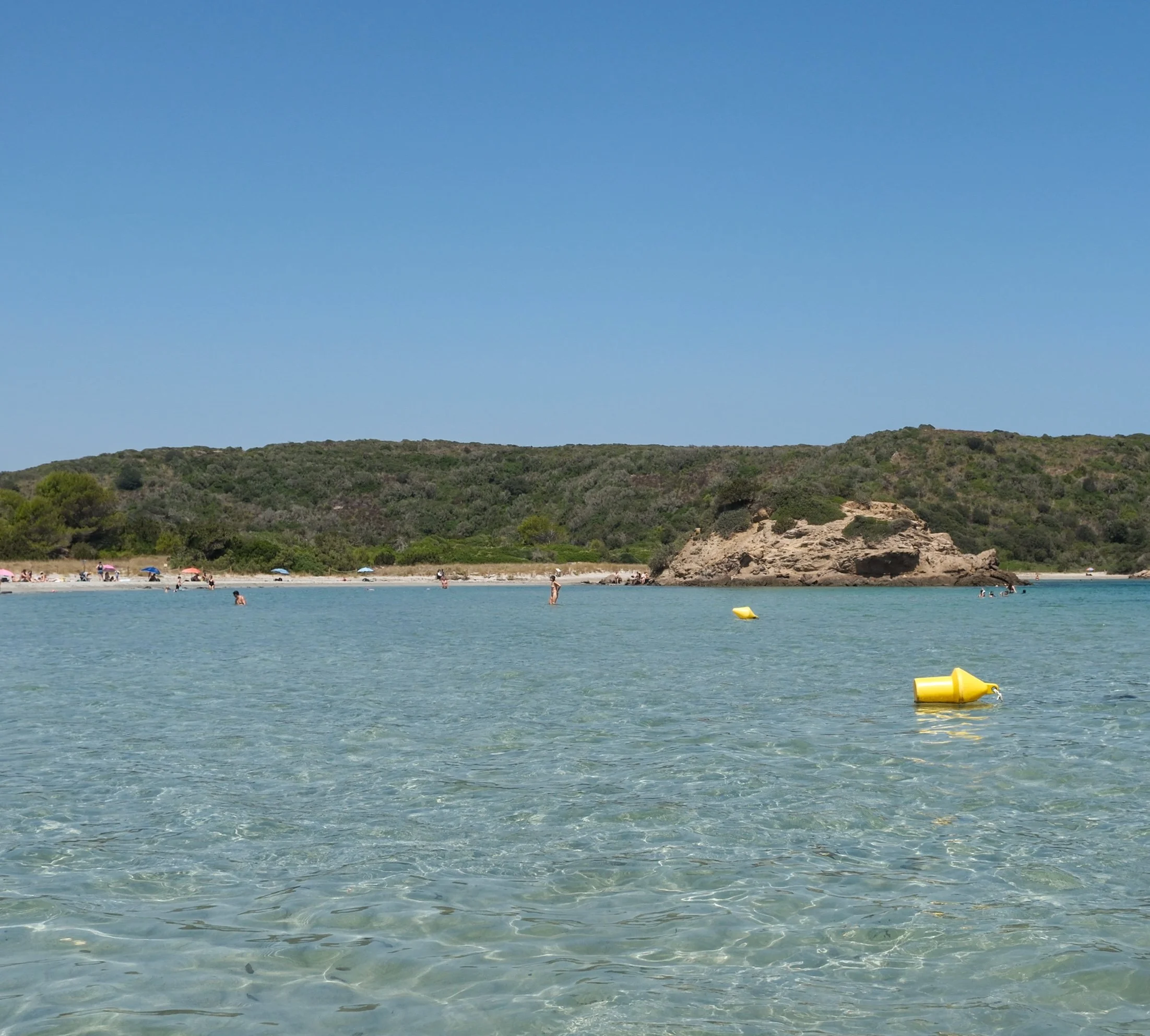
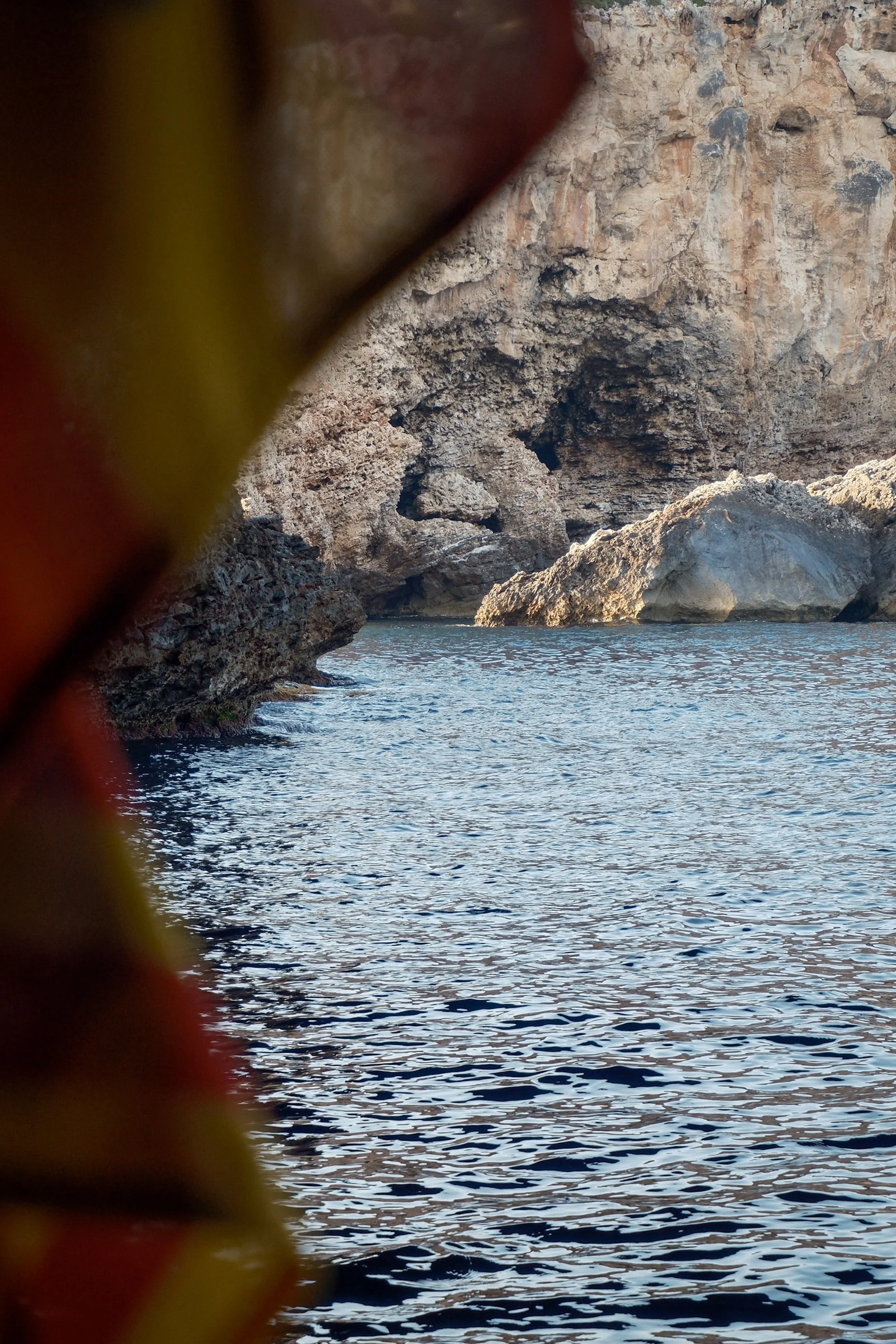
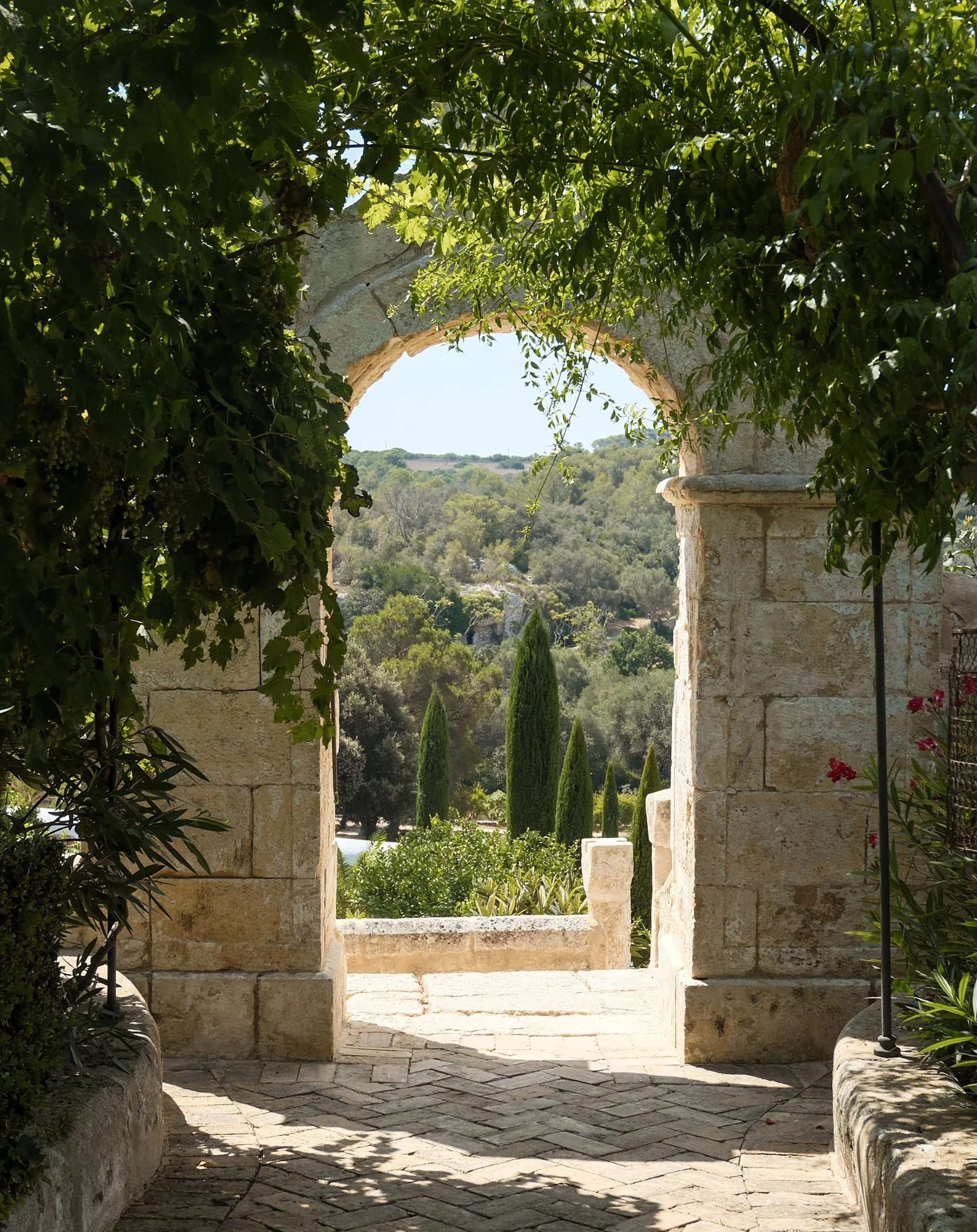
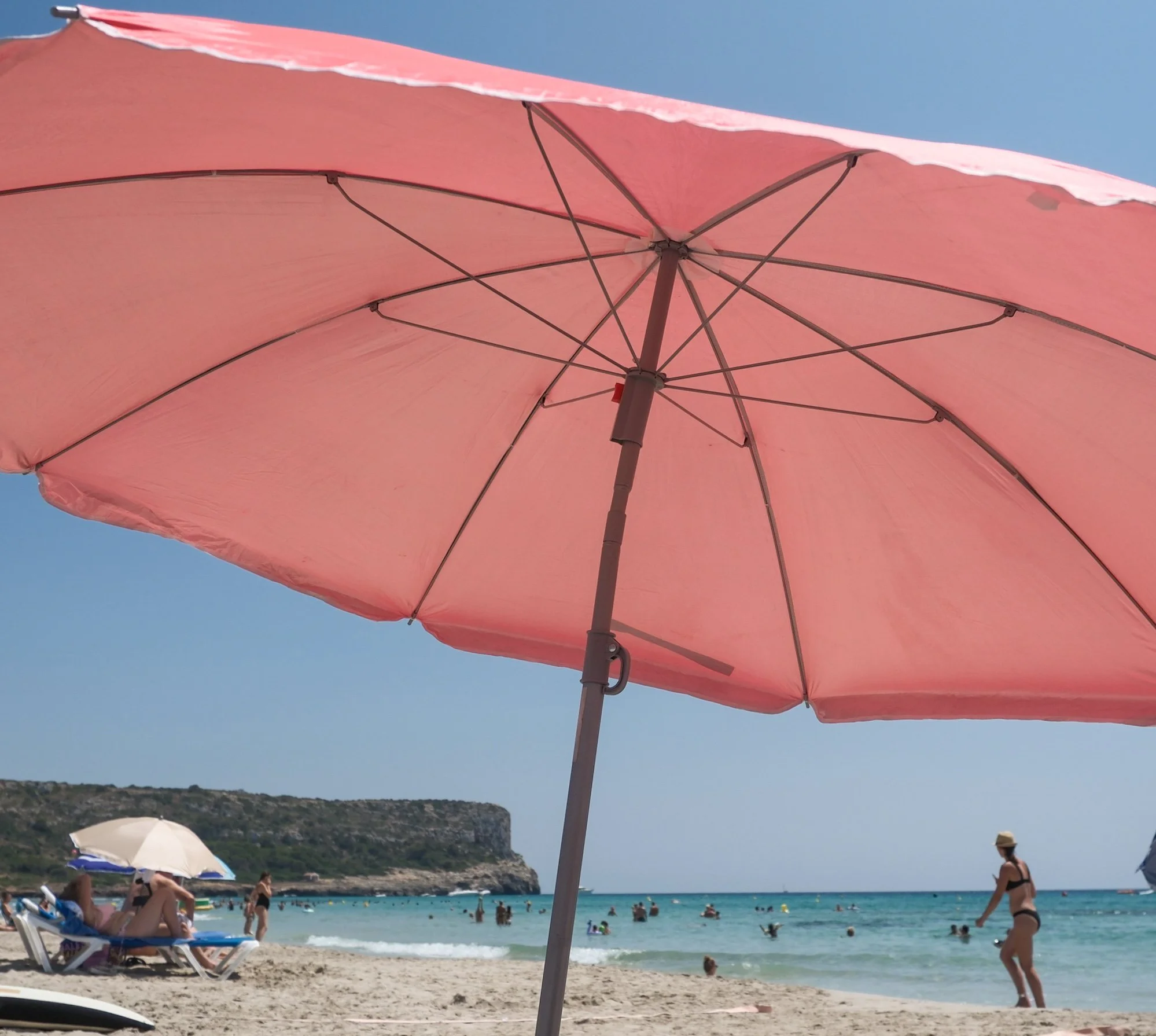
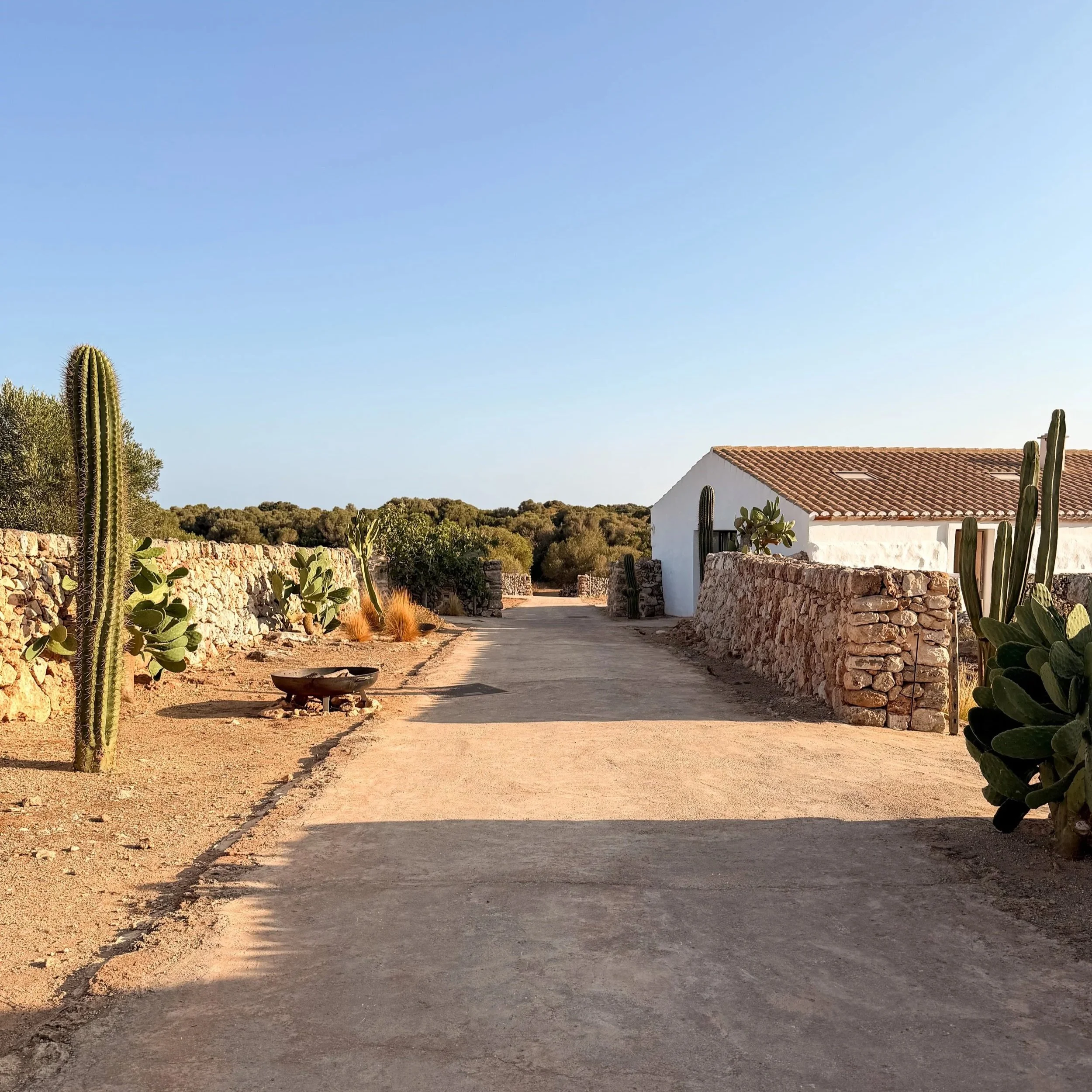
The quietest of the Balearic Islands. Menorca has better beaches than Mallorca, roughly a third of the crowds, and a protected UNESCO biosphere status that has kept development in check for decades. The calas on the south coast are the reason people come. Some require a fifteen minute walk through pine forest, and those are the good ones.
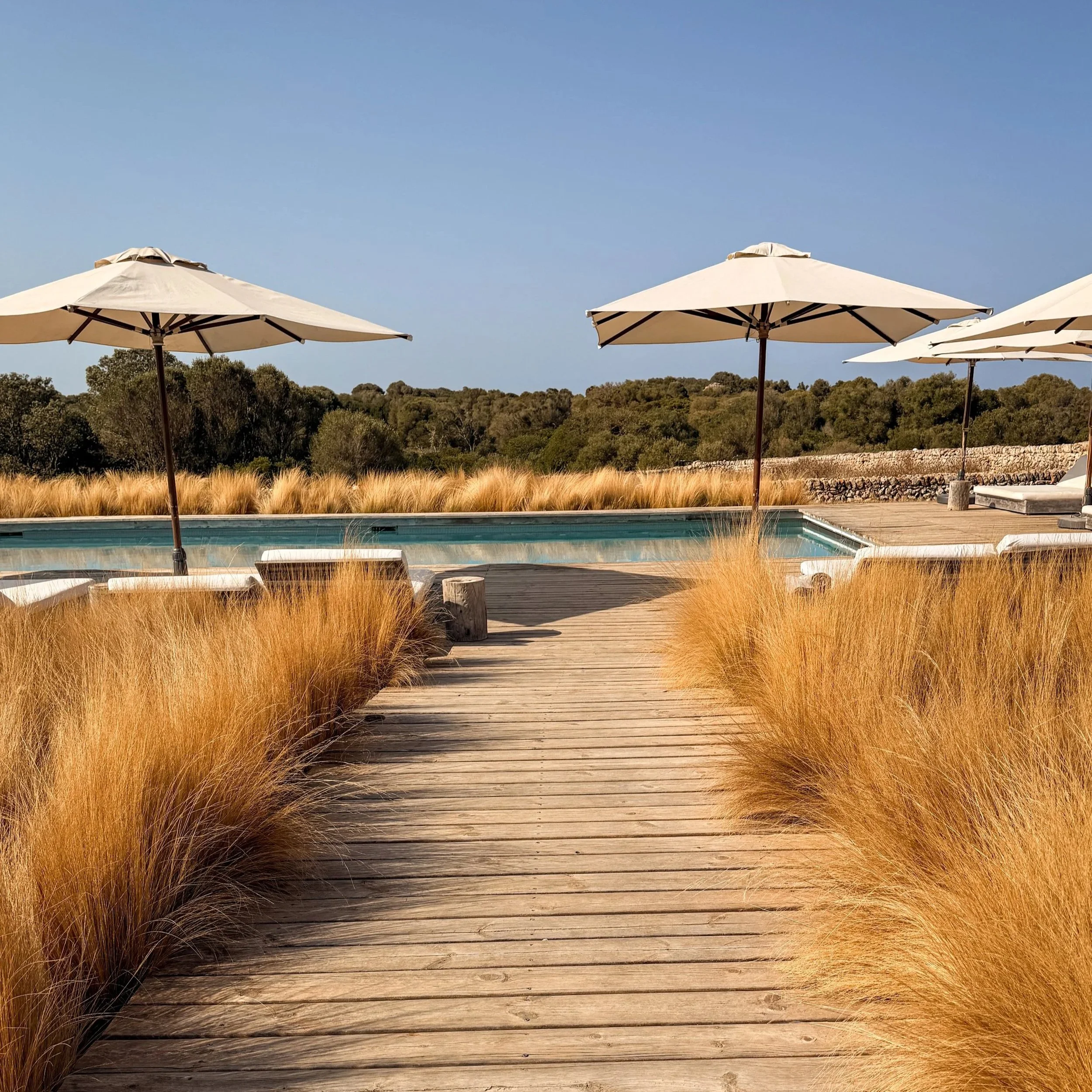
The hotel scene is small but exceptional, built mostly around restored farmhouses rather than resorts. Expect roughly €400 to €900 per night in high season at the top properties, with real savings in May and October.
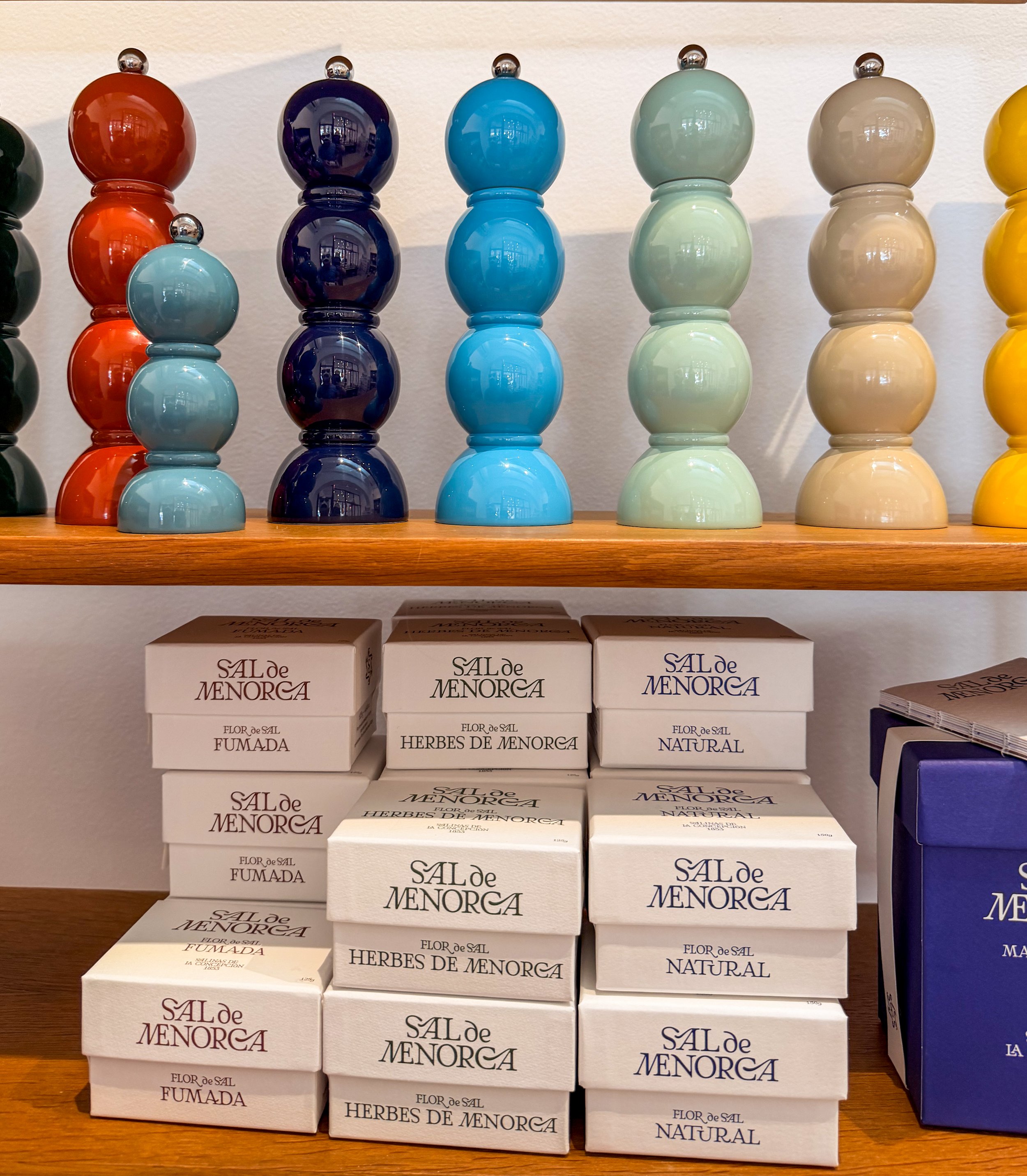
Start with our Menorca travel guide for the full picture, then narrow down with the best hotels in Menorca, the best beaches in Menorca, and the best restaurants in Menorca. For shopping, we rounded up the best shops in Menorca, including where to buy proper avarcas.
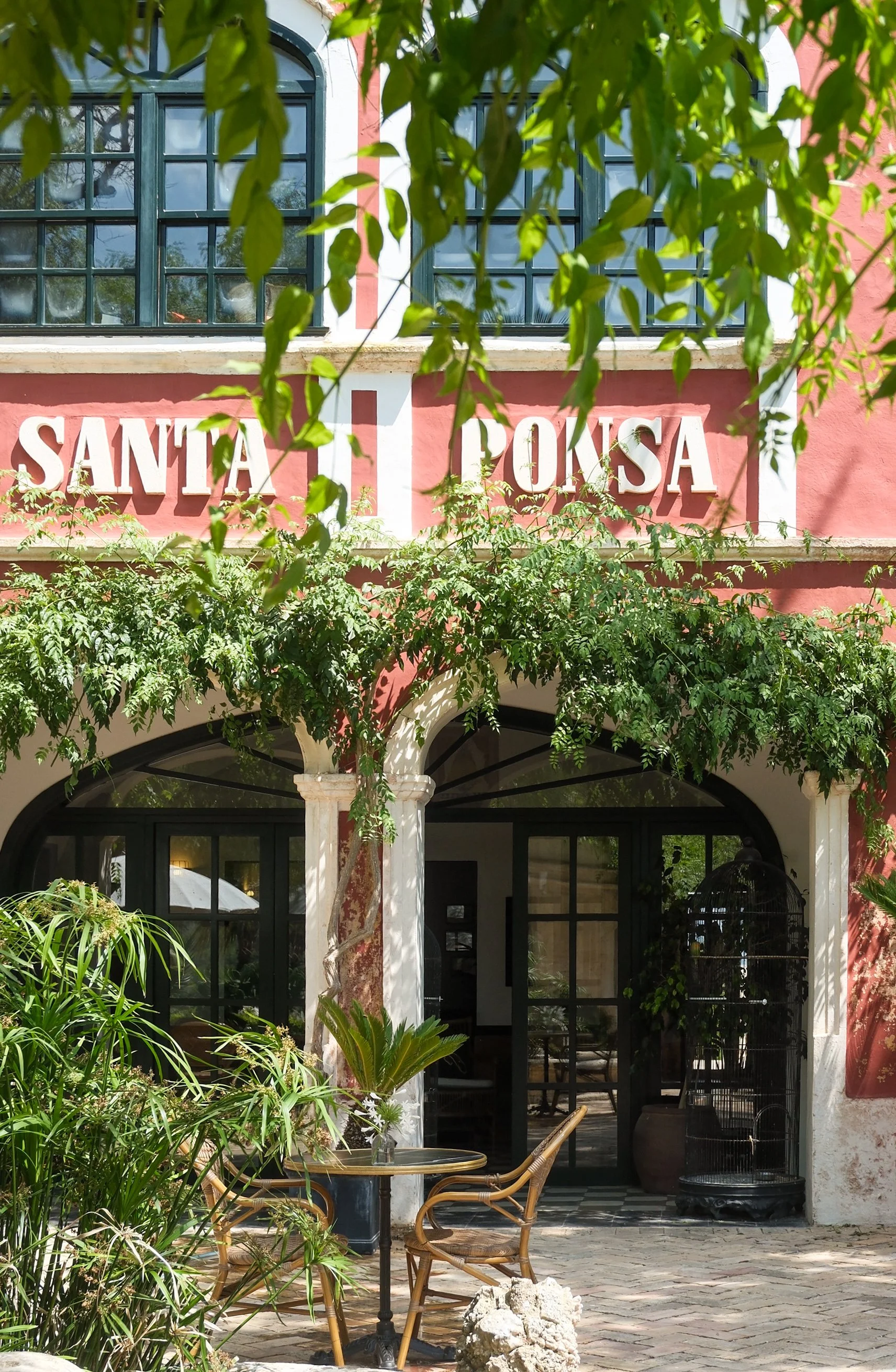
We stayed at both Fontenille properties on the island and reviewed each. Read the Torre Vella Fontenille Menorca review and the Santa Ponsa Fontenille Menorca review, and if you're deciding between them, we wrote a direct comparison: Santa Ponsa vs Torre Vella.
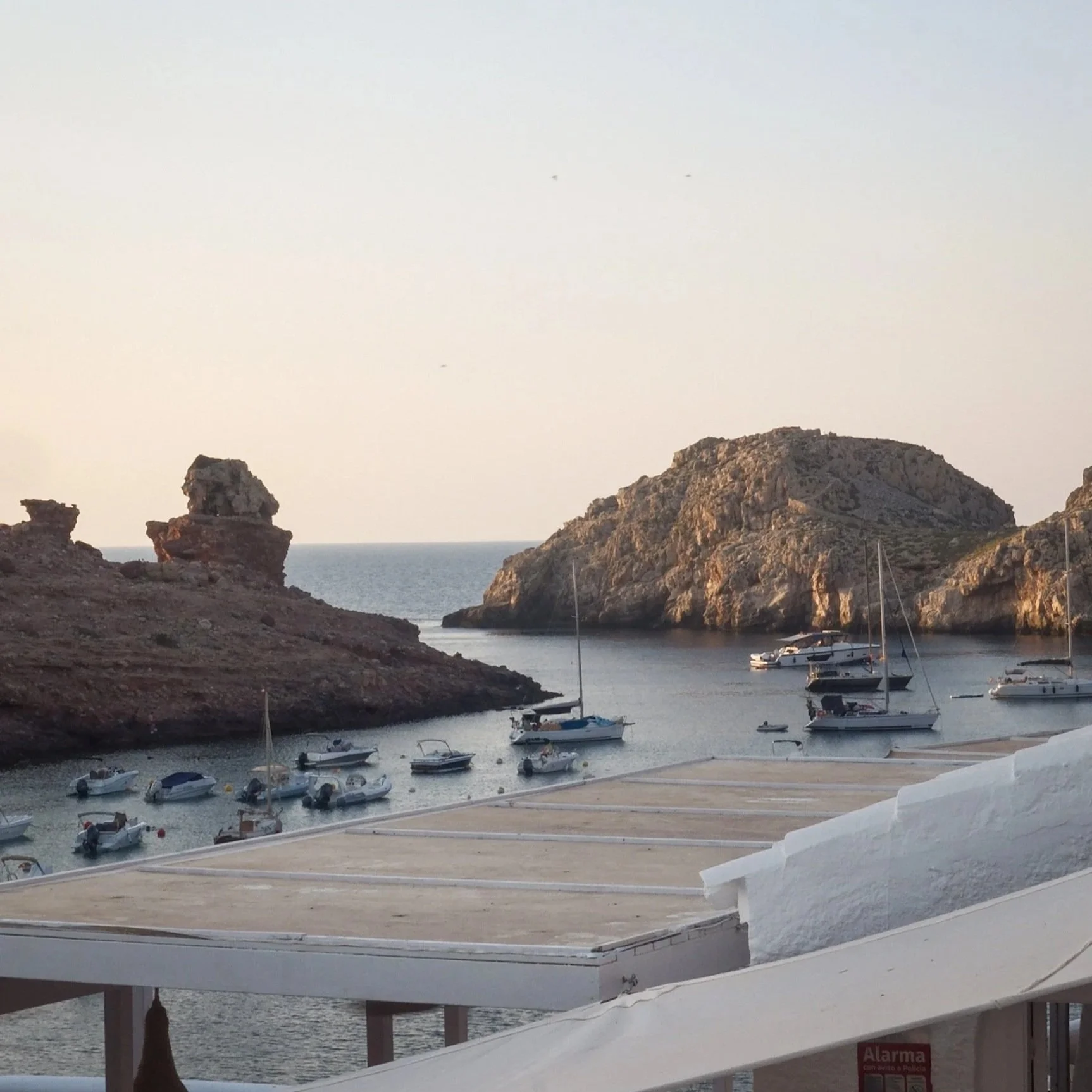
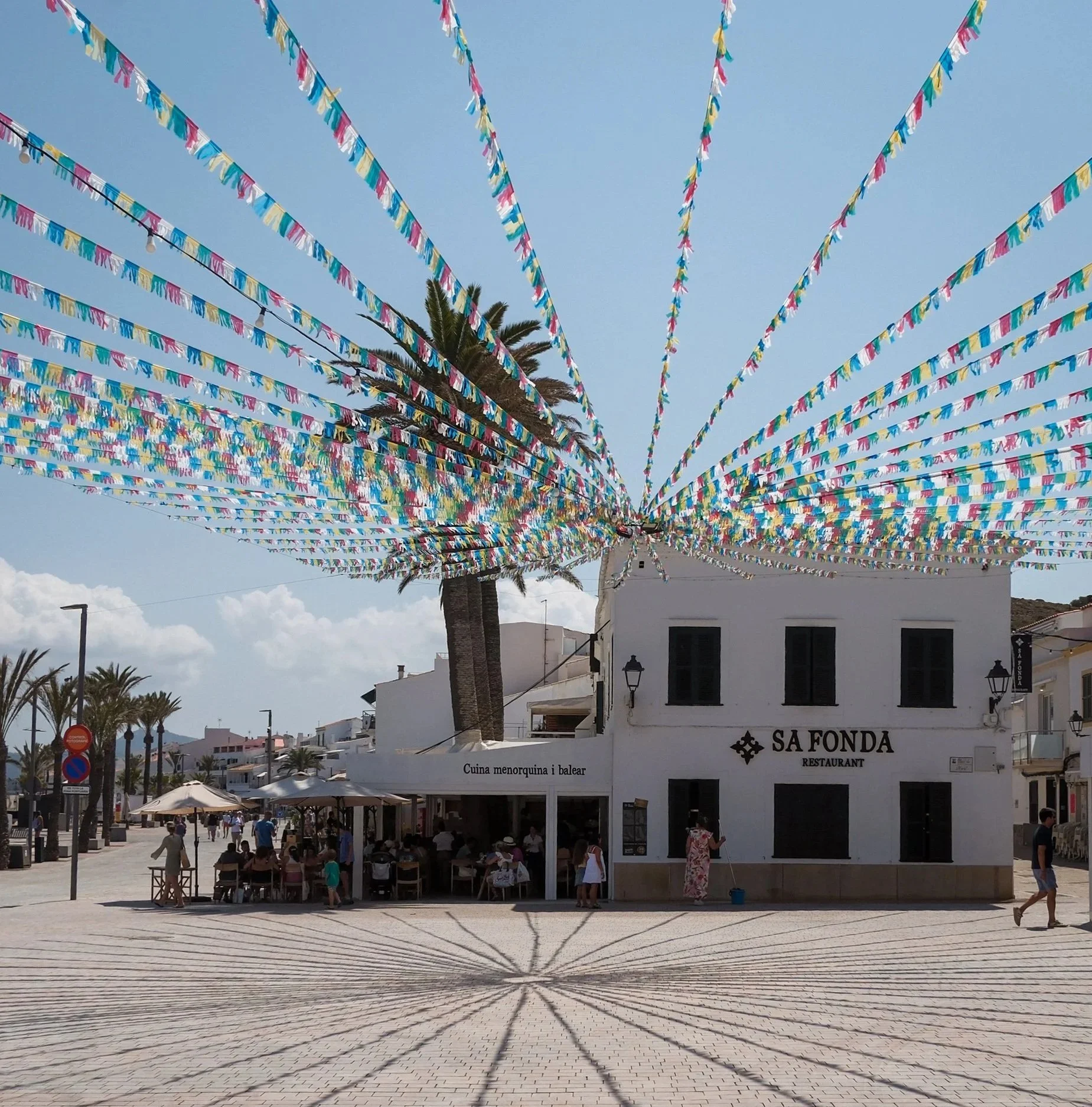
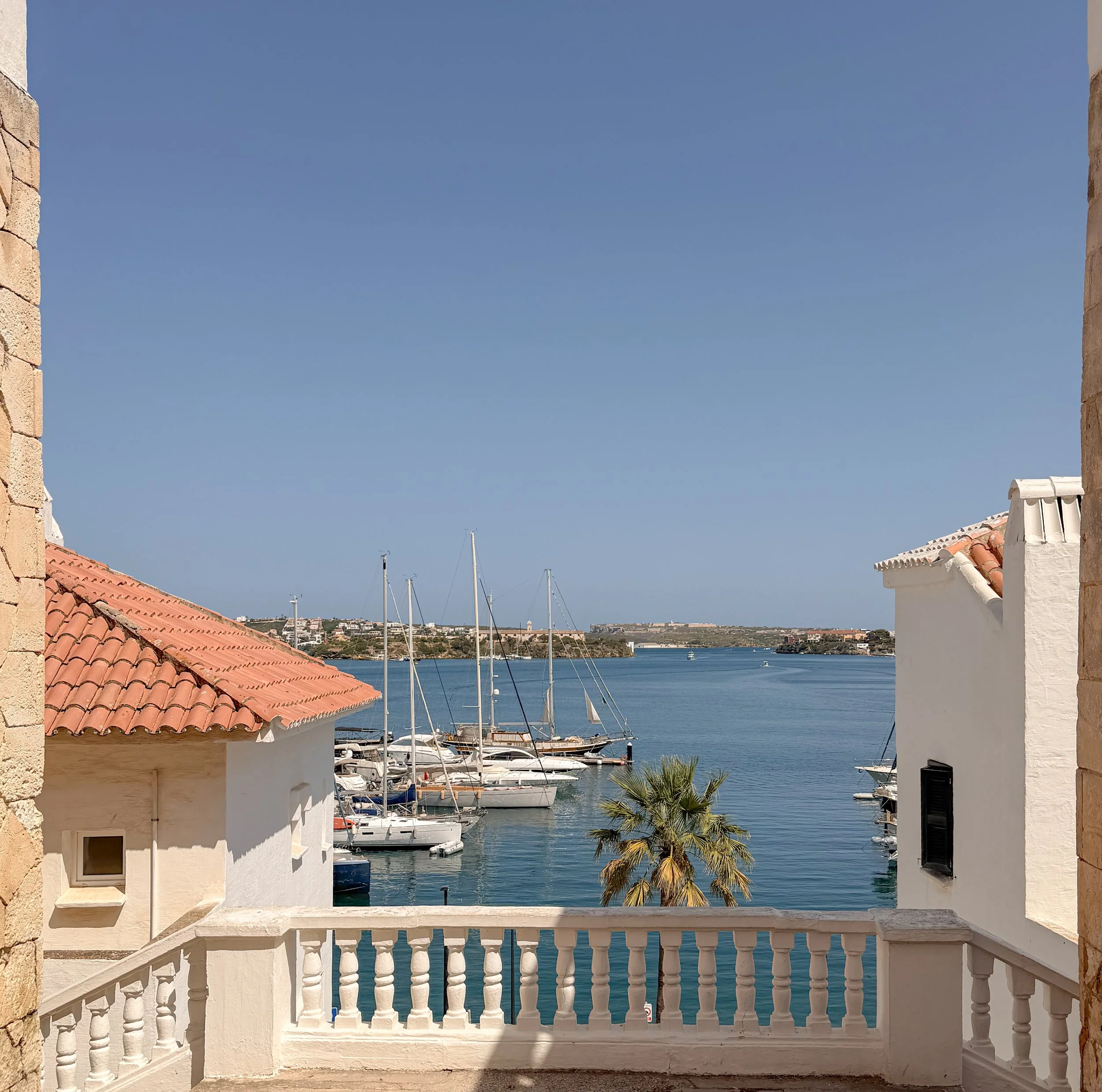
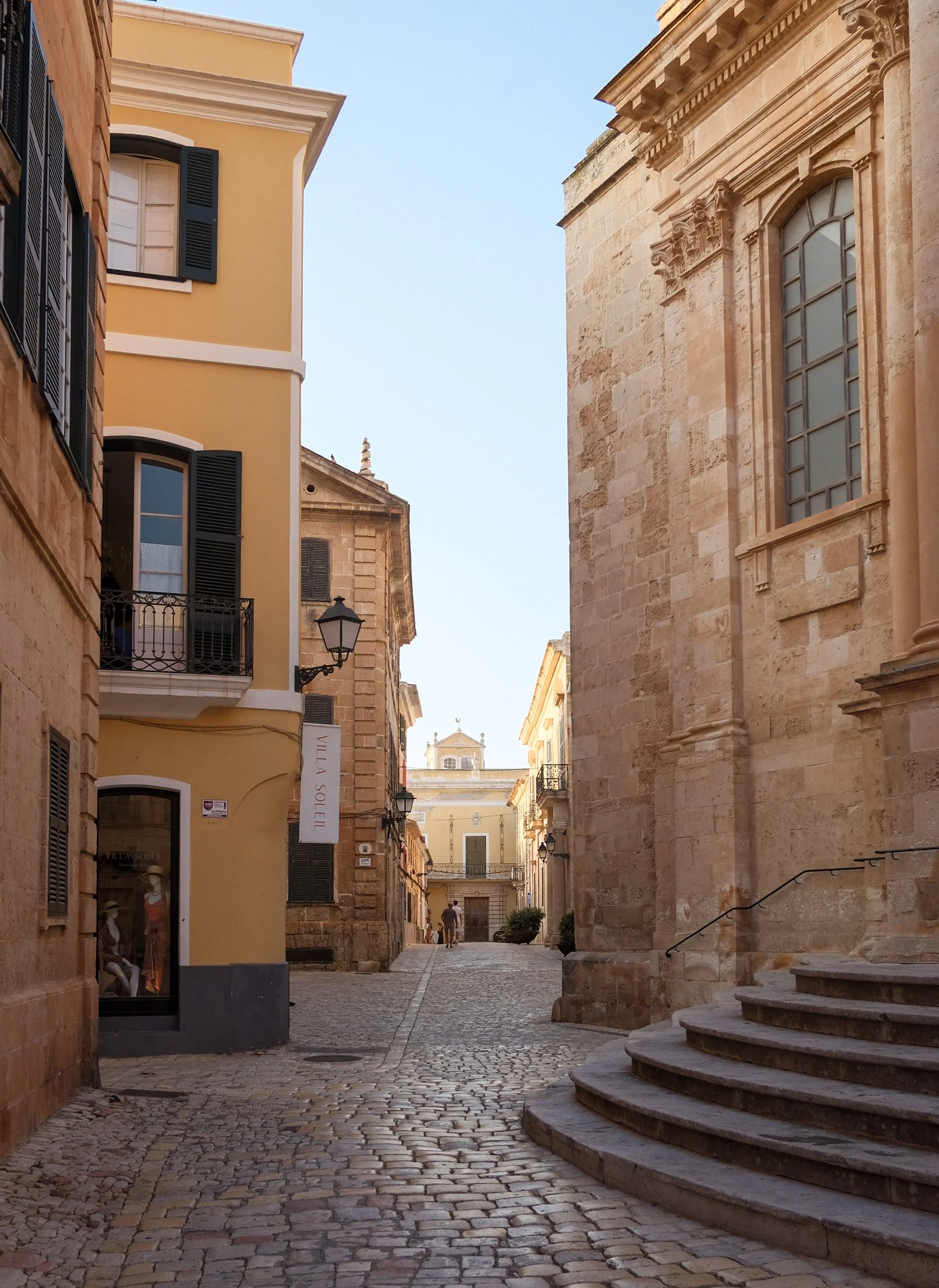
We have full guides to both of Menorca's towns, and you should visit both since they sit under an hour apart. Ciutadella is the prettier of the two, a golden sandstone old town on the west coast with a traffic-free historic center and the best sunset harbor in the Balearics. Mahón is the working capital on the east side, livelier and more local, with the island's best markets and the Xoriguer gin distillery. Base west for beaches and prettiness, east for food and the harbor.
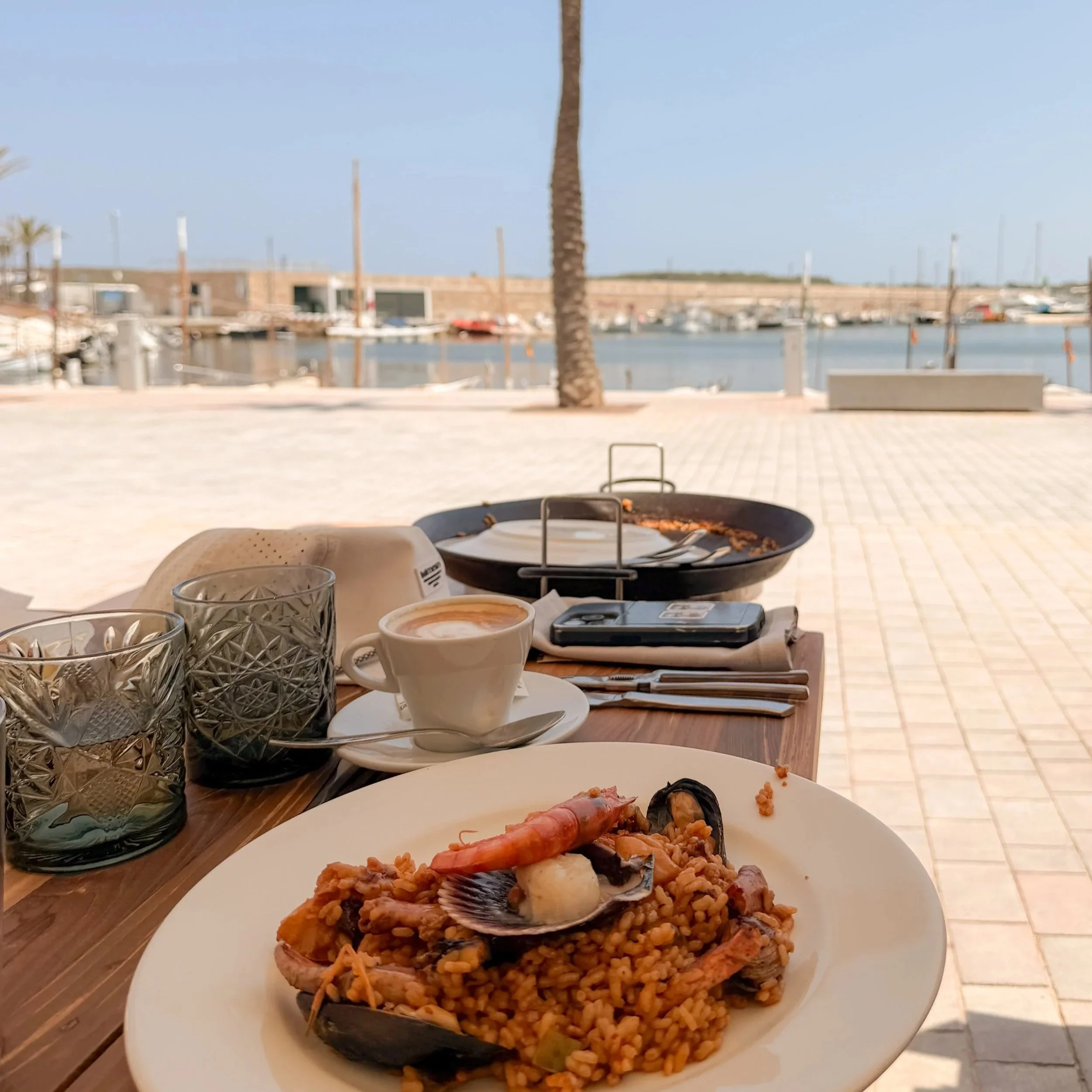
Beyond the two towns, three places are worth planning a day around. Fornells on the north coast is the watersports village and the place to eat caldereta de llagosta, the island's lobster stew. Es Grau is the slow morning: a shallow bay, the Albufera wetland behind it, and a long lunch. And Hauser & Wirth on Illa del Rei in Mahón harbour is one of the best small art destinations in the Mediterranean, with a boat ride out that is half the pleasure.
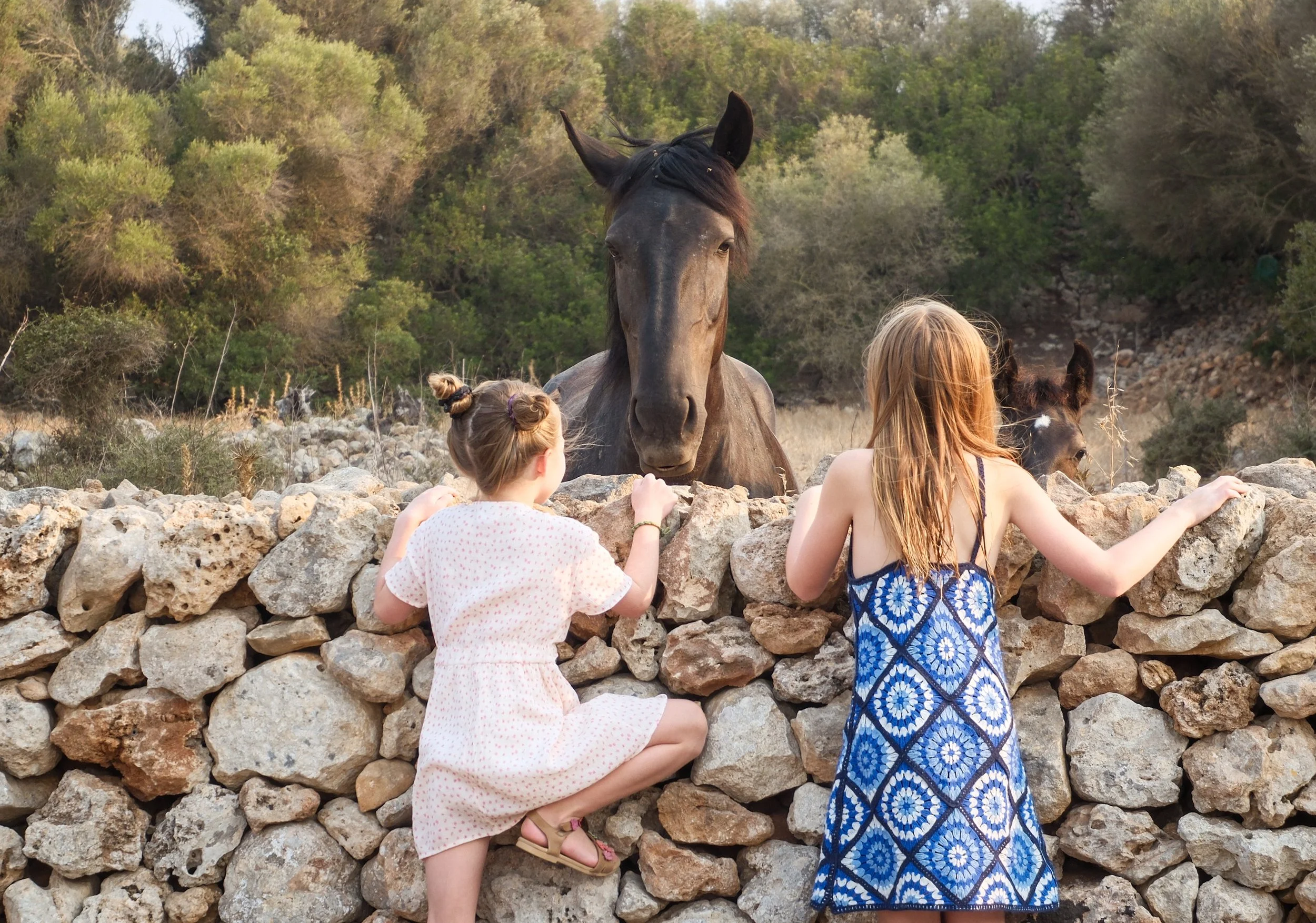
Traveling with children? Menorca with kids covers the night markets, horse festivals, and which beaches actually work with young kids.
Mallorca
The largest Balearic island has shed its package-holiday reputation. The north and west look nothing like the resort-heavy south. You get limestone mountains, hidden coves, ancient olive groves, and a string of genuinely beautiful small towns. Mallorca rewards travelers who get past the obvious, and it remains one of our favorite family destinations in Europe.
Rates run higher than Menorca at the top end, roughly €500 to €1,200 per night in July and August, and drop meaningfully in late April, May, and September.
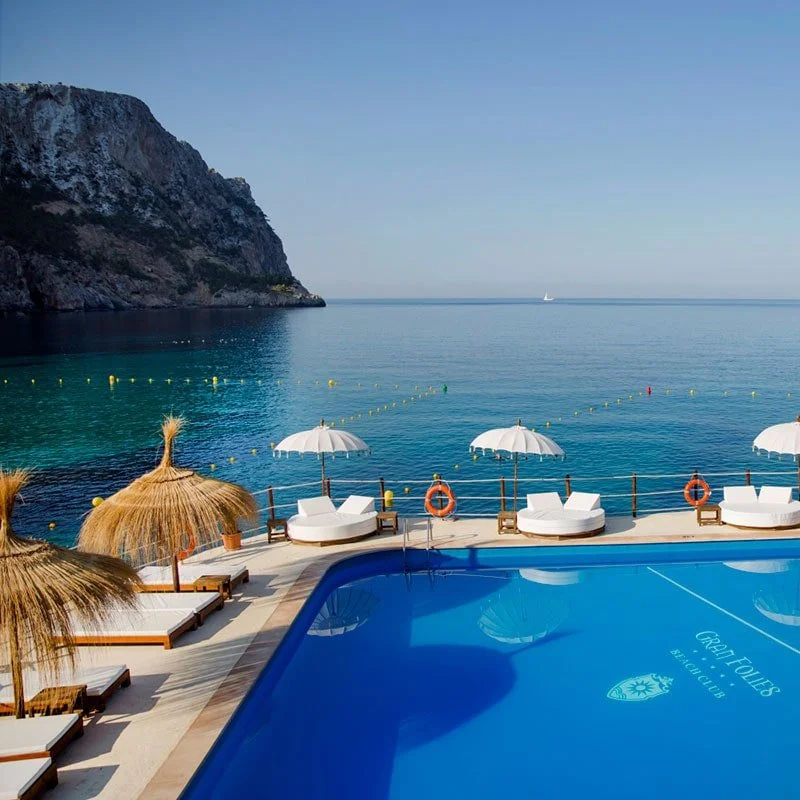
If you're choosing a base, where to stay in Mallorca breaks the island down area by area with specific hotels for each. Families should also read Mallorca with kids. For the days you spend on the water, our guide to the best beach clubs in Mallorca covers where to book a bed and what the minimums actually run.
Port de Sóller is our pick for the single best town in Mallorca for families. It sits in a protected horseshoe bay on the northwest coast, with a car-free seafront, calm water, and a vintage tram that runs through the middle of town. You plan two nights and want a week. Full details in our guide to Port de Sóller.
Madrid
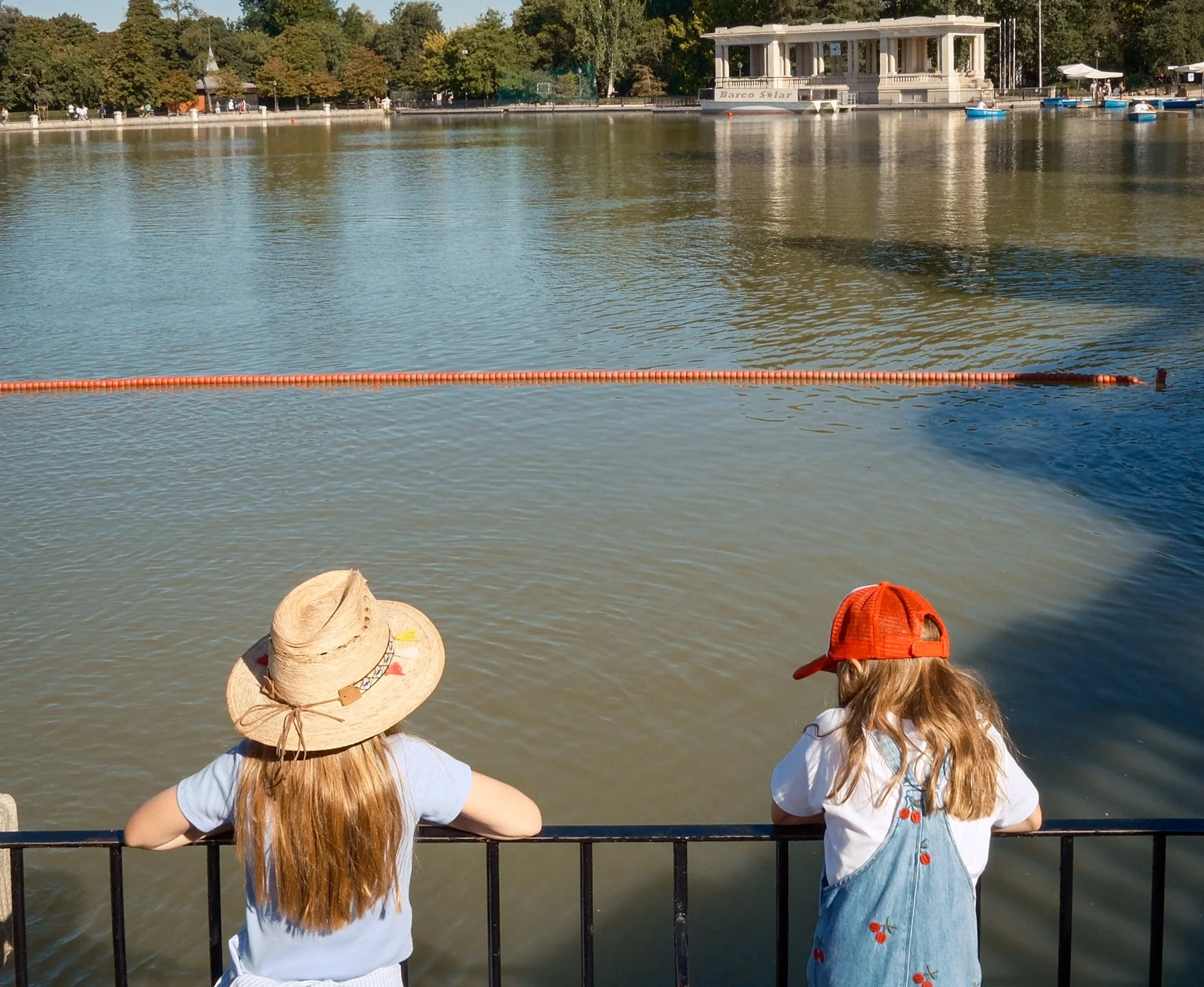
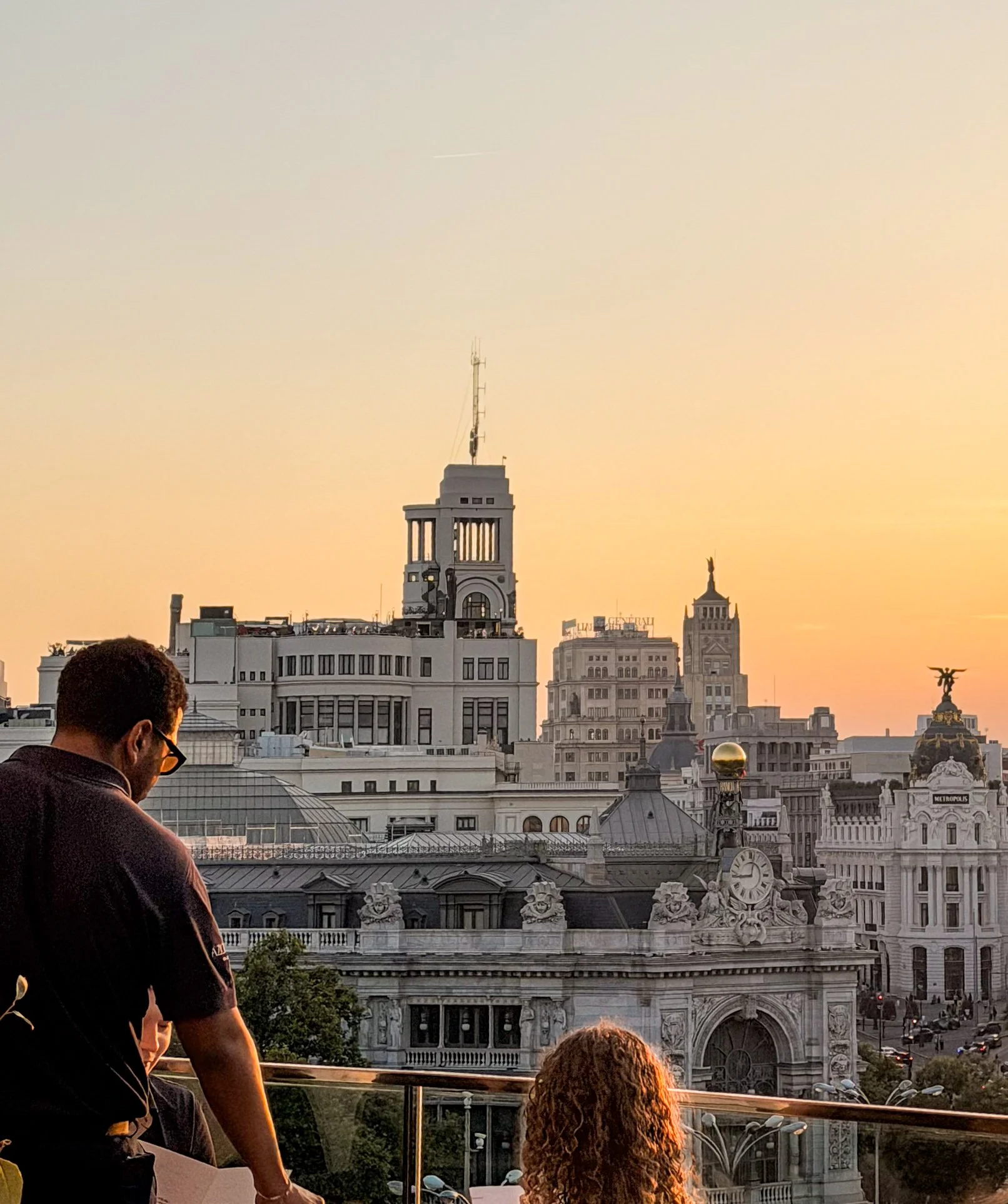
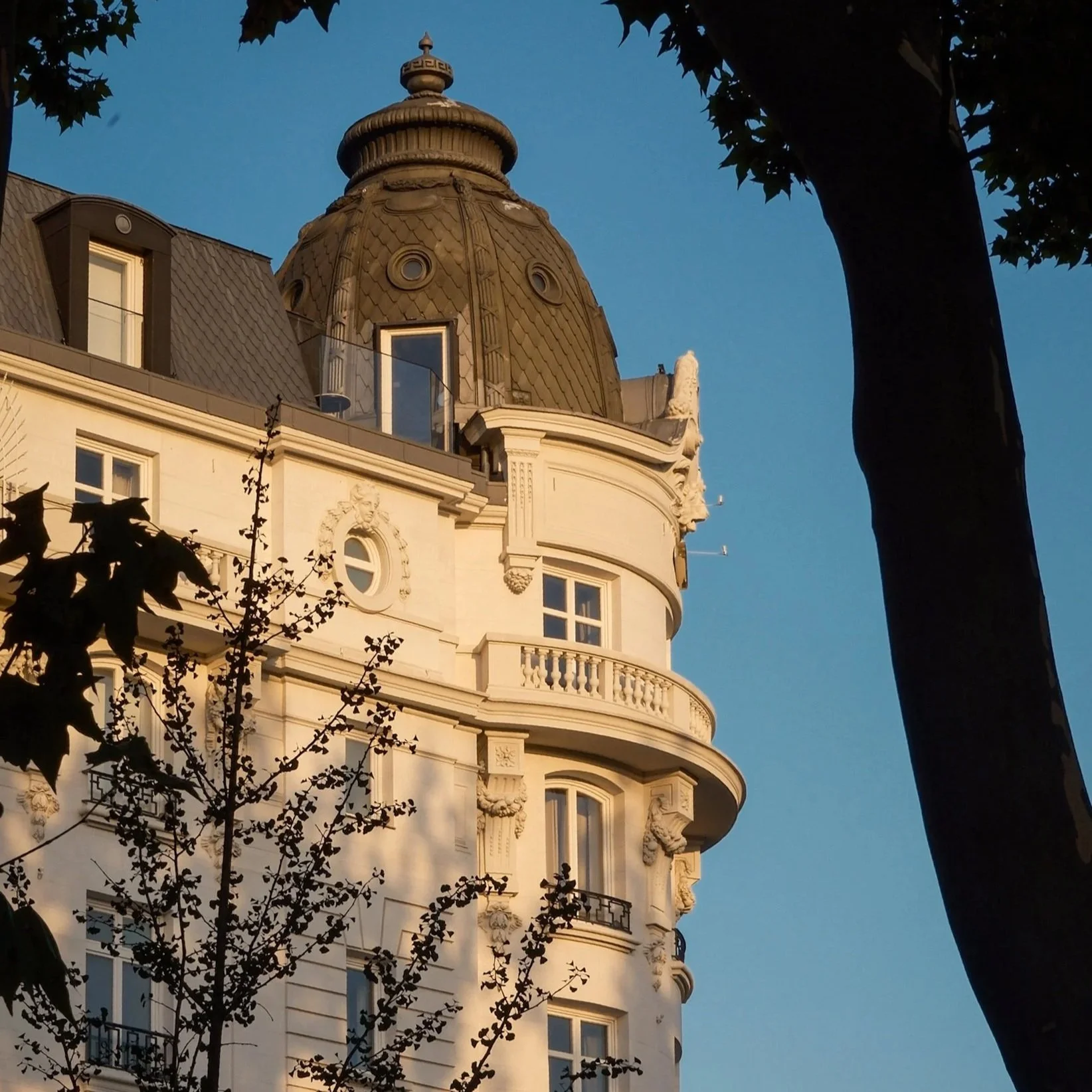
The most underrated city in Spain. Madrid is cheaper than Barcelona, less overrun, and easier to move around, and the food scene is arguably better. It's also the best rainy-day city in Spain thanks to the Prado, Reina Sofía, and Thyssen sitting within a ten minute walk of each other.
Top hotels run roughly €350 to €800 per night, which is real value against comparable rooms in Barcelona or Paris.
Start with the best hotels in Madrid, our nine favorite picks in the city. We stayed at and reviewed the grande dame in full: Mandarin Oriental Ritz, Madrid.
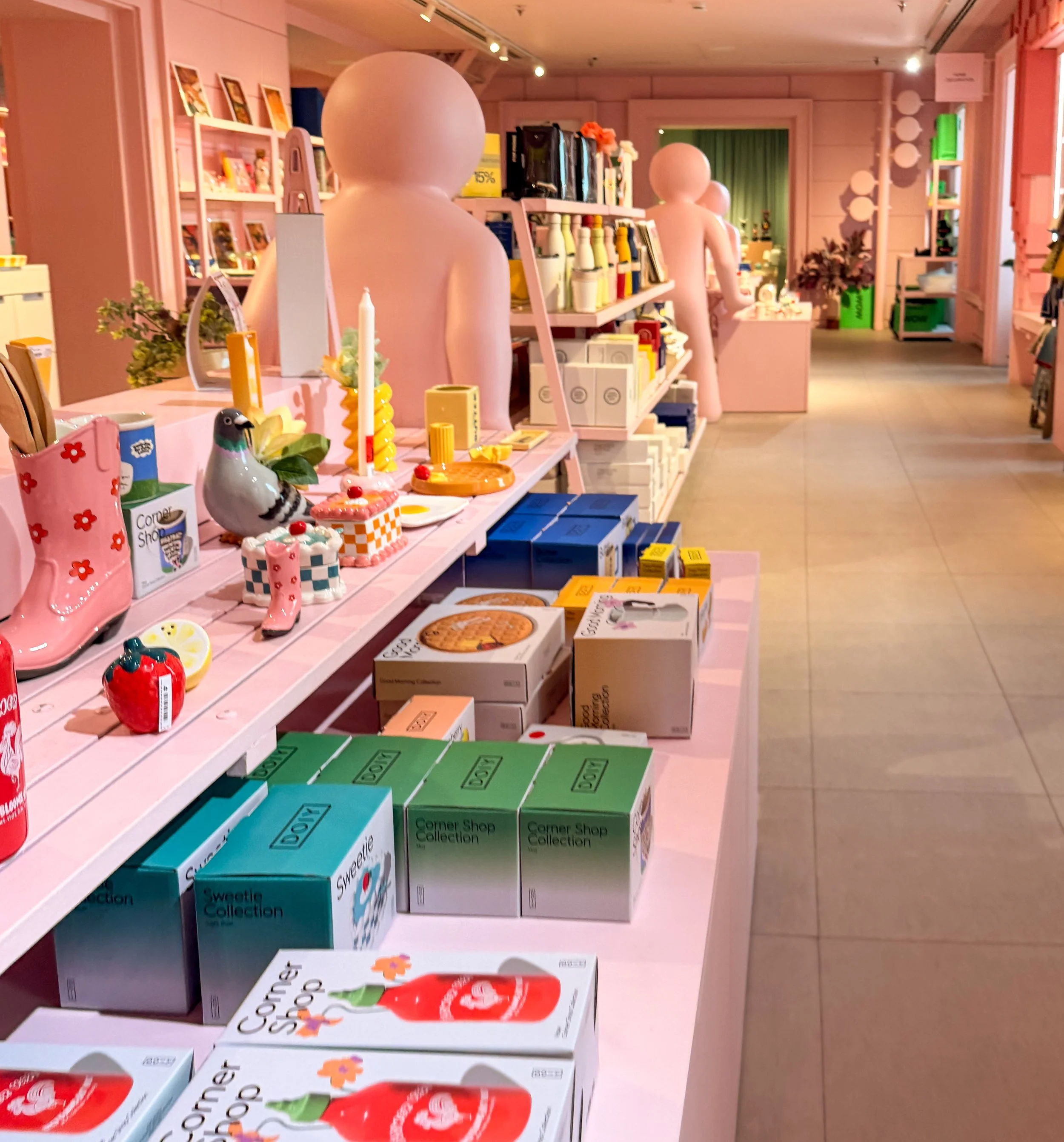
For everything else, the best restaurants in Madrid is a complete list of everywhere we ate, the best stores in Madrid covers where to shop, and Madrid with kids covers the version of the city that works with a family.
Barcelona
One of Europe's most walkable cities, and far more manageable with kids than people expect. The architecture alone justifies the trip. Sagrada Família, Park Güell, and Casa Batlló are genuinely worth the ticket queues. Add a food scene that's excellent at every price point and you have one of the best city breaks in Europe.
Expect roughly €400 to €900 per night at the top hotels, with rates spiking hard around Mobile World Congress in late February and Primavera Sound in June.
Our best hotels in Barcelona guide covers where to stay by neighborhood. For eating, the best restaurants in Barcelona spans tapas counters, market stalls, and the tasting menus worth booking months ahead. Families should read Barcelona with kids.
Seville and Granada
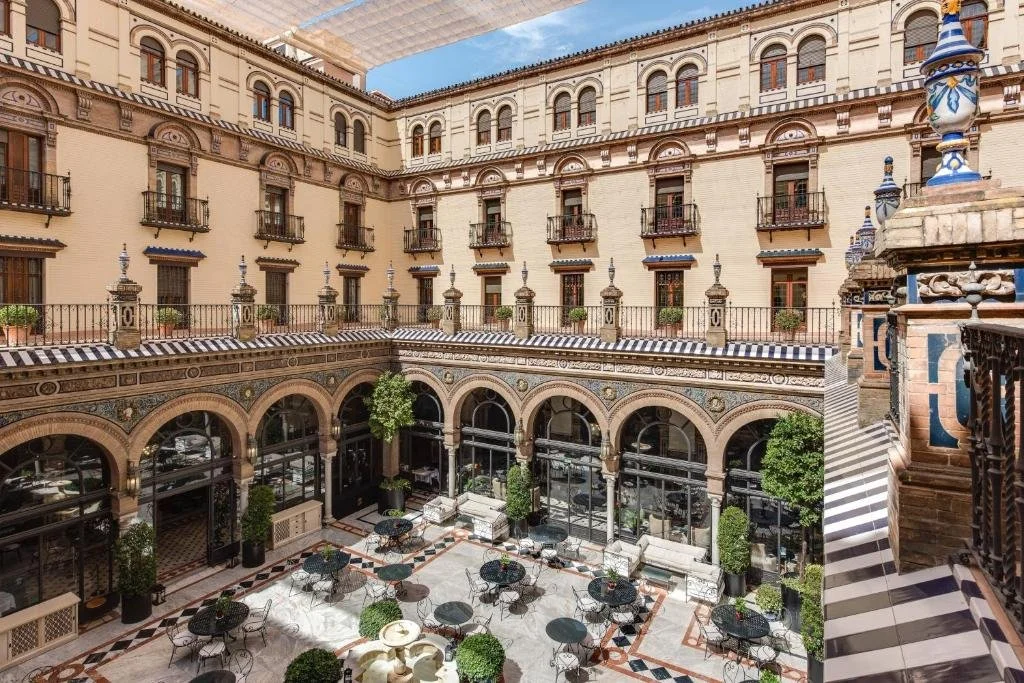
Andalusia is the shoulder-season answer. Both cities are miserable in July and August and close to perfect in March, April, October, and November. Seville has the better food and the bigger old town. Granada has the Alhambra, which is worth structuring an entire trip around, and books out months in advance.
Rates in both cities are the best value in Spain, with excellent properties from roughly €250 to €600 per night.
See the best hotels in Seville and the best hotels in Granada.
Every region at once
If you're still deciding where in Spain to go, our best hotels in Spain guide ranks our favorite properties and resorts across the whole country, from Balearic farmhouses to Madrid grande dames to Andalusian palacios.
Best time to visit Spain
The Balearics (Menorca and Mallorca): Late April through June, and September into early October. Water is swimmable from June, warmest in September. July and August fill both islands to capacity with prices to match. Most Menorca hotels close entirely from November through March.
Madrid: April through early June, and late September through November. Summer is genuinely brutal, regularly above 100°F, and much of the city empties out in August. Winter is cold but the museums are the point anyway, and hotel rates drop hard in January and February.
Barcelona: Good almost year-round. Spring and early autumn are the most comfortable for walking. Avoid late February for Mobile World Congress unless you enjoy paying triple.
Seville and Granada: March through May, and October through November. Summer is unbearable. Semana Santa in Seville and the Alhambra in Granada both require booking well ahead.
When to book: For July and August in the Balearics, book by January. For the Alhambra, three months minimum. Everywhere else in Spain, six to eight weeks is usually enough.
Which Spanish destination is right for you
Choose Menorca if you want the best beaches, the fewest people, and a slower trip. Best for couples and families with kids old enough to walk to a cala.
Choose Mallorca if you want more infrastructure, more restaurants, more hotels, and mountains alongside the water. The strongest all-around family option.
Choose Madrid if you want a city trip with world-class art and food at better value than Barcelona, and you don't need a beach.
Choose Barcelona if architecture is the draw, or you want a city that pairs easily with a Balearic beach week afterward.
Choose Seville or Granada if you're traveling in shoulder season and want the most history and the lowest rates.
FAQs About Traveling in Spain
What is the best part of Spain for a luxury trip? The Balearic Islands for beach travel, with Menorca the quieter pick and Mallorca the more developed one. Madrid for a city trip with the best value at the top end. Andalusia for history and shoulder-season rates.
Is Menorca or Mallorca better? Menorca has better beaches and far fewer people. Mallorca has more hotels, more restaurants, and more to do on a rainy day. Menorca for a quiet week, Mallorca for a first Balearic trip or a longer family stay.
Should I stay in Mahón or Ciutadella? Visit both, they're under an hour apart. Ciutadella is prettier and closer to the best west-coast beaches. Mahón has better food, better markets, and the harbor. For a first trip, Ciutadella is the easier base.
Is Madrid or Barcelona better? Madrid is cheaper, less crowded, and has the better museums and food scene. Barcelona has the architecture and the beach. Madrid is the better trip for most people. Barcelona is the better trip for first-timers to Spain.
How many days do you need in Spain? Seven days works for one island or one city plus a day trip. Ten to fourteen days lets you pair a city with a beach week, which is the best version of a Spain trip.
When is the cheapest time to visit Spain? January and February everywhere except the Balearics, where most hotels are closed. For islands, late April and October are the value windows with good weather.
Do you need a car in Spain? Yes in Menorca and Mallorca. No in Madrid, Barcelona, Seville, or Granada, where the metro and walking cover everything.