Utah
Utah is really two states in one. The northern half is a ski destination that rivals anywhere in North America — Park City and Deer Valley sit thirty-five minutes from an international airport, which makes them among the most accessible world-class mountains anywhere. The southern half is red rock: Moab, Arches, Canyonlands, and a landscape that looks better in real life than in photographs, which is saying something. A trip can be one or the other, and the best trips are sometimes both.
Our Utah coverage is focused on Park City and Deer Valley, Salt Lake City, and Moab, based on firsthand experience. Nothing here is sponsored.
Where we cover in Utah:
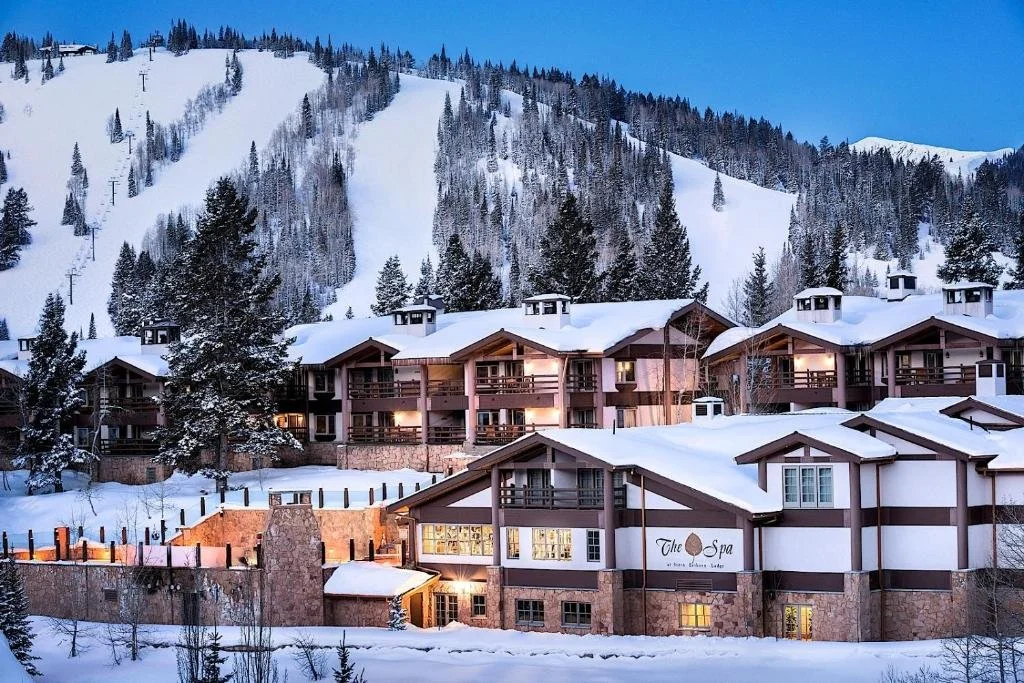
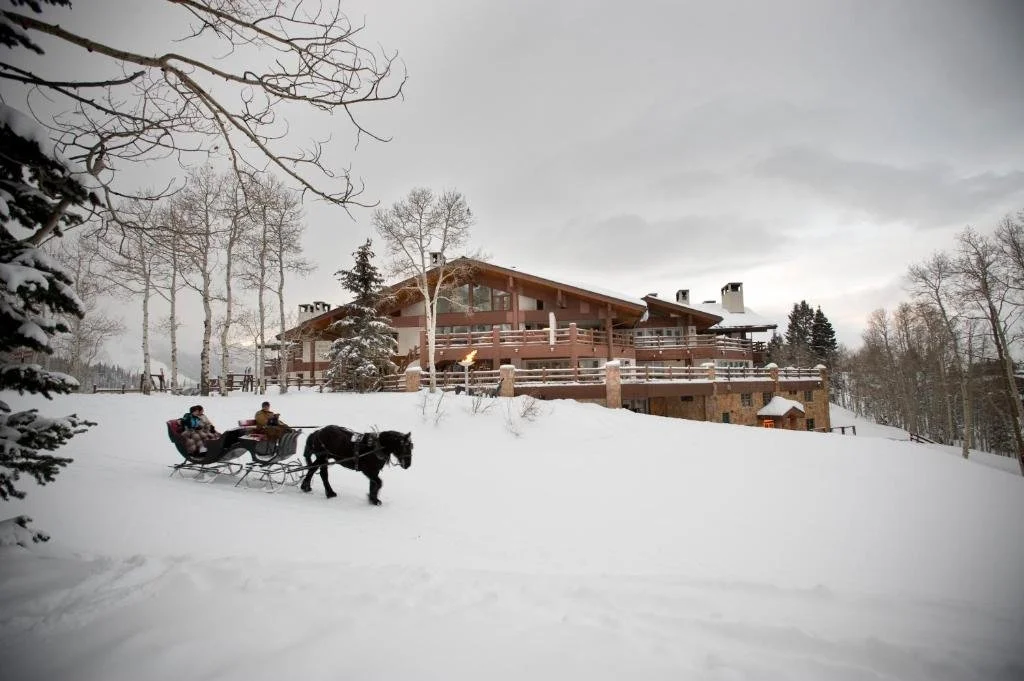
Park City & Deer Valley — Park City is two mountains sharing one town, and which side you base yourself on shapes the whole trip. Deer Valley is the ski-only side — no snowboarders, capped lift tickets, and the deepest concentration of grande-dame luxury in the state, from Stein Eriksen Lodge to Montage Deer Valley and the St. Regis. Canyons Village at Park City Mountain is more contemporary and family-energetic, with Pendry and Waldorf Astoria at its base, and it's the answer for any group that includes a snowboarder. Our guide to Deer Valley vs. Park City Mountain walks through how to choose the side, and our full guide to the best hotels in Park City breaks down every property on both sides by traveler type — families, couples, skiers, and anyone who'd rather be walkable to Main Street than slope-side.
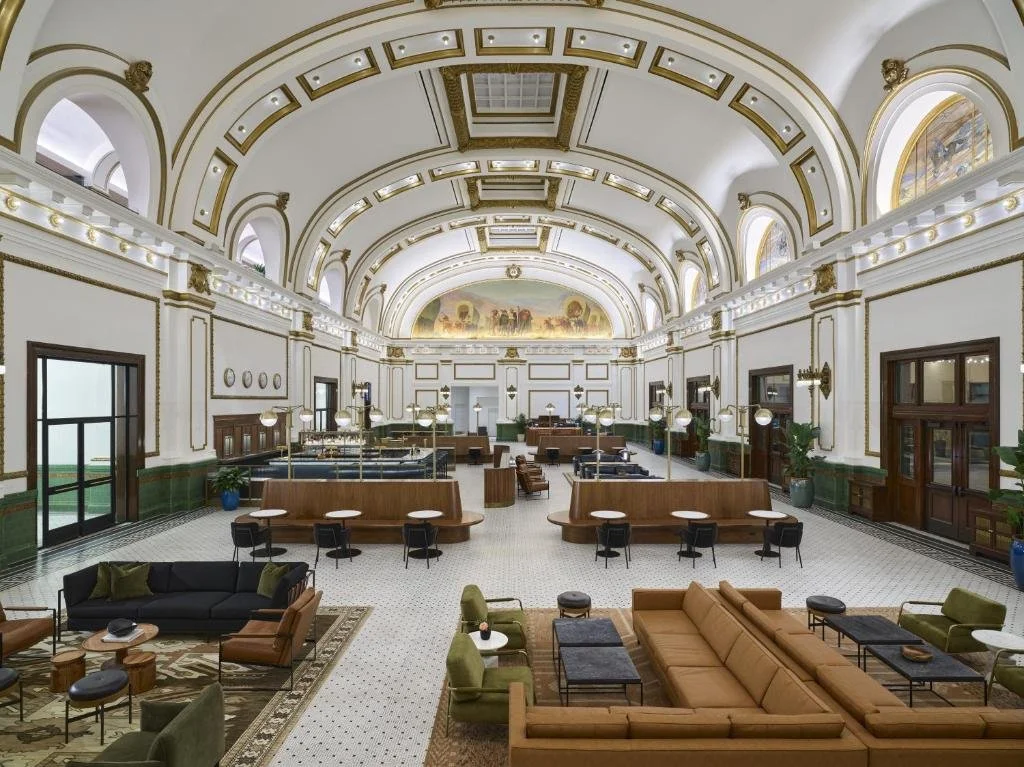
Salt Lake City — Most visitors treat Salt Lake as the airport before the mountains, and that's a mistake worth reconsidering. The city has quietly built a genuinely good hotel scene — anchored by the Grand America, energized by the Asher Adams opening in the restored 1909 Union Pacific Depot — at a fraction of what the same room costs thirty-five minutes up the canyon. It earns a night when you're arriving late, flying out early, visiting in summer for the canyons and national parks, or building an itinerary where a downtown night subsidizes the mountain ones. See our guide to the best hotels in Salt Lake City, which also covers when to skip the city and head straight for the slopes.
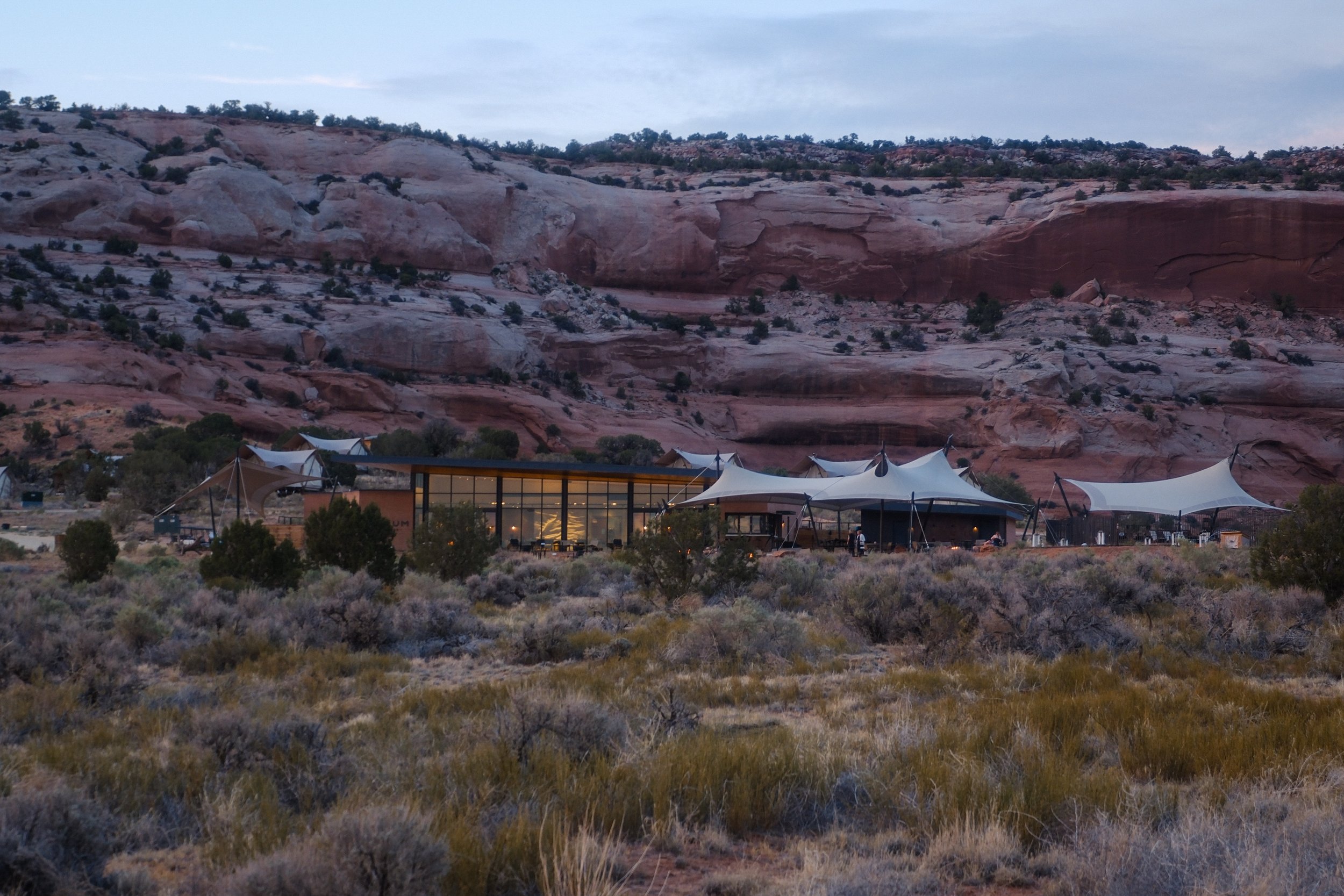
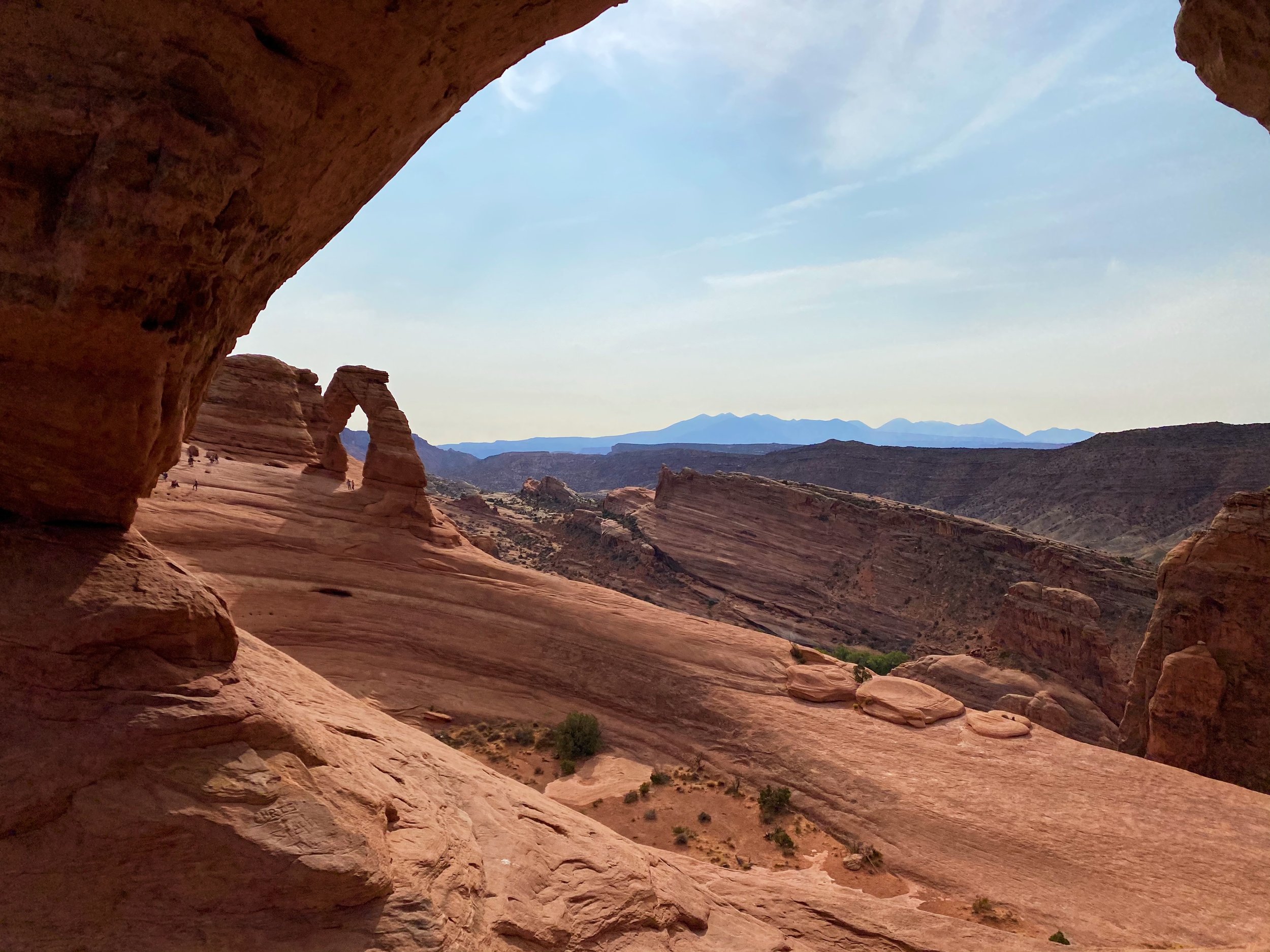
Moab — The gateway town to Arches and Canyonlands has evolved well beyond its adventure-sports origins. The hotel scene now includes genuine luxury alongside excellent glamping properties that put you directly in the landscape, and the restaurant scene is significantly better than you'd expect for a town this size. It works exceptionally well for families — accessible hikes, jeep tours, river activities, and two national parks give kids and adults an almost overwhelming number of ways to spend a day. Start with our full guide to Moab, covering where to stay across luxury hotels, glamping, and family stays, and read our ULUM Moab review for an honest look at the best of the desert glamping options.
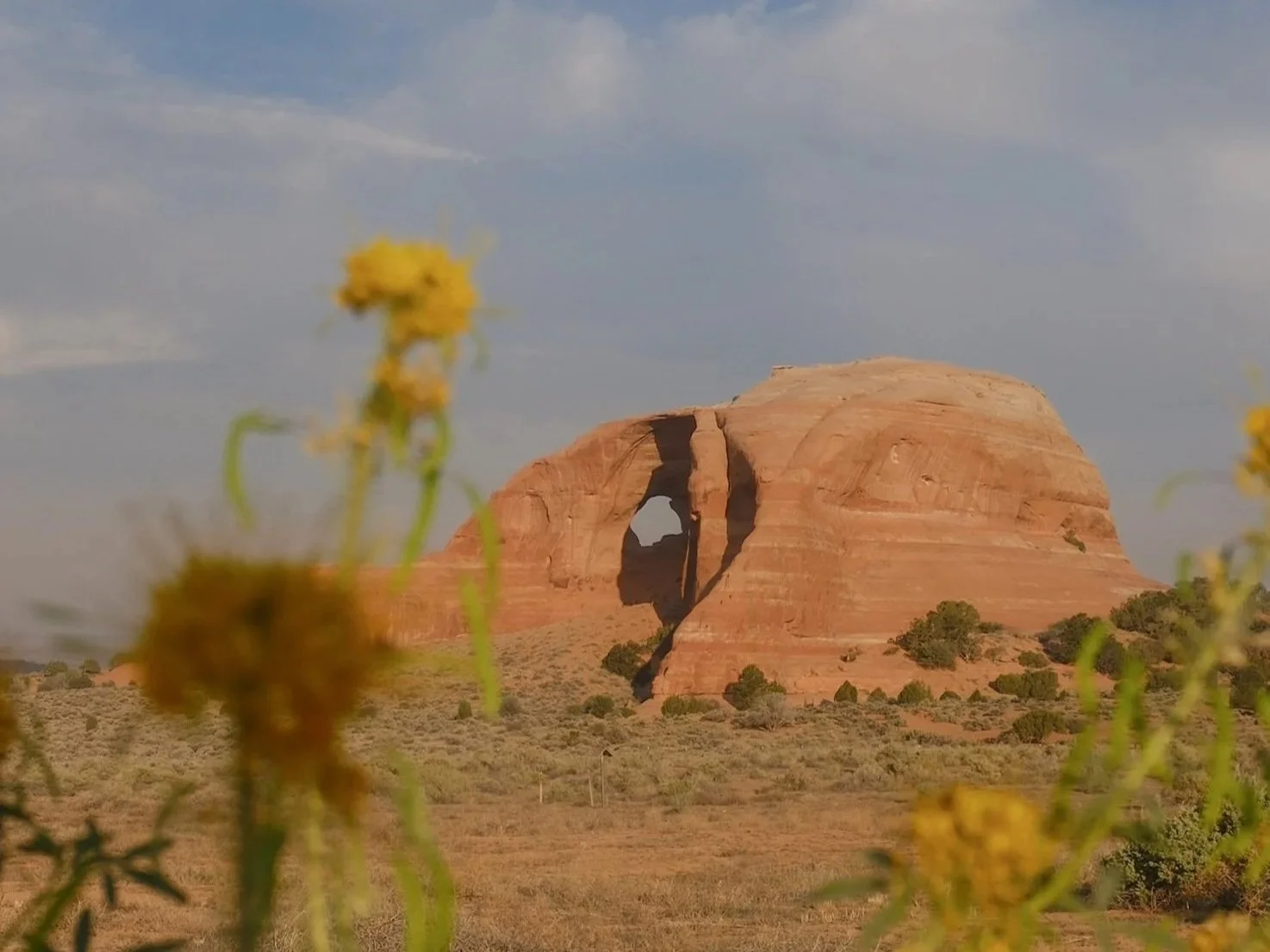
Hiking in Moab — The hiking around Moab is world-class, ranging from short, accessible walks through Arches National Park to demanding backcountry routes in Canyonlands. The landscape is unlike anywhere else in the country: red sandstone fins, natural arches, canyon rims, and desert terrain that changes color dramatically through the day. See our full guide to hiking Moab for the routes worth prioritizing, broken down by difficulty and what you'll see.
Arches vs. Canyonlands — Both parks are spectacular and very different. Arches is more accessible and more concentrated — you can cover the highlights in a full day — and is the right call for first-timers and families with younger kids. Canyonlands is bigger, wilder, and asks more of you, but rewards it with a sense of scale and solitude that Arches can't match in peak season. Most visitors to Moab should do both if time allows.
Best time to visit Utah — The answer depends on which half of the state. For Park City and Deer Valley, ski season runs late November through early April, with February and March delivering the most reliable snow; summer, from June through September, is quieter and excellent for hiking, biking, and the Utah Olympic Park. For Moab, spring (March through May) and fall (September through November) are the sweet spots — mild temperatures, clear skies, and the best light for photography. Moab summers regularly exceed 100°F, which makes midday hiking genuinely dangerous, and winter is cold but surprisingly beautiful, with snow on the red rock and far fewer crowds.
Related Articles