CROATIA
Croatia's magic is its coast: a string of medieval walled cities and quiet Dalmatian islands threaded along the Adriatic, best explored slowly and, ideally, by boat. Base yourself in Split or Dubrovnik for the history, then island-hop — glamorous Hvar, Marco Polo's Korčula, and remote, food-obsessed Vis, where the peka at Roki's and the electric-blue Blue Cave alone justify the trip. Come in June or September for warm water and open restaurants without the August crush. Below is our honest, first-hand guide to where to stay, what to eat, and how to do it.
We've sailed the Dalmatian coast from Split to Dubrovnik, woken up on a boat in a silent Vis harbor, eaten our way through Korčula's old town, and climbed to the fortress above Hvar at sunset — and the conclusion is always the same: Croatia rewards the traveler who slows down and gets out on the water. This is our running guide to the country we keep coming back to, built entirely from places we've actually stayed, eaten, and sailed. If you do one thing in Croatia, make it the islands.
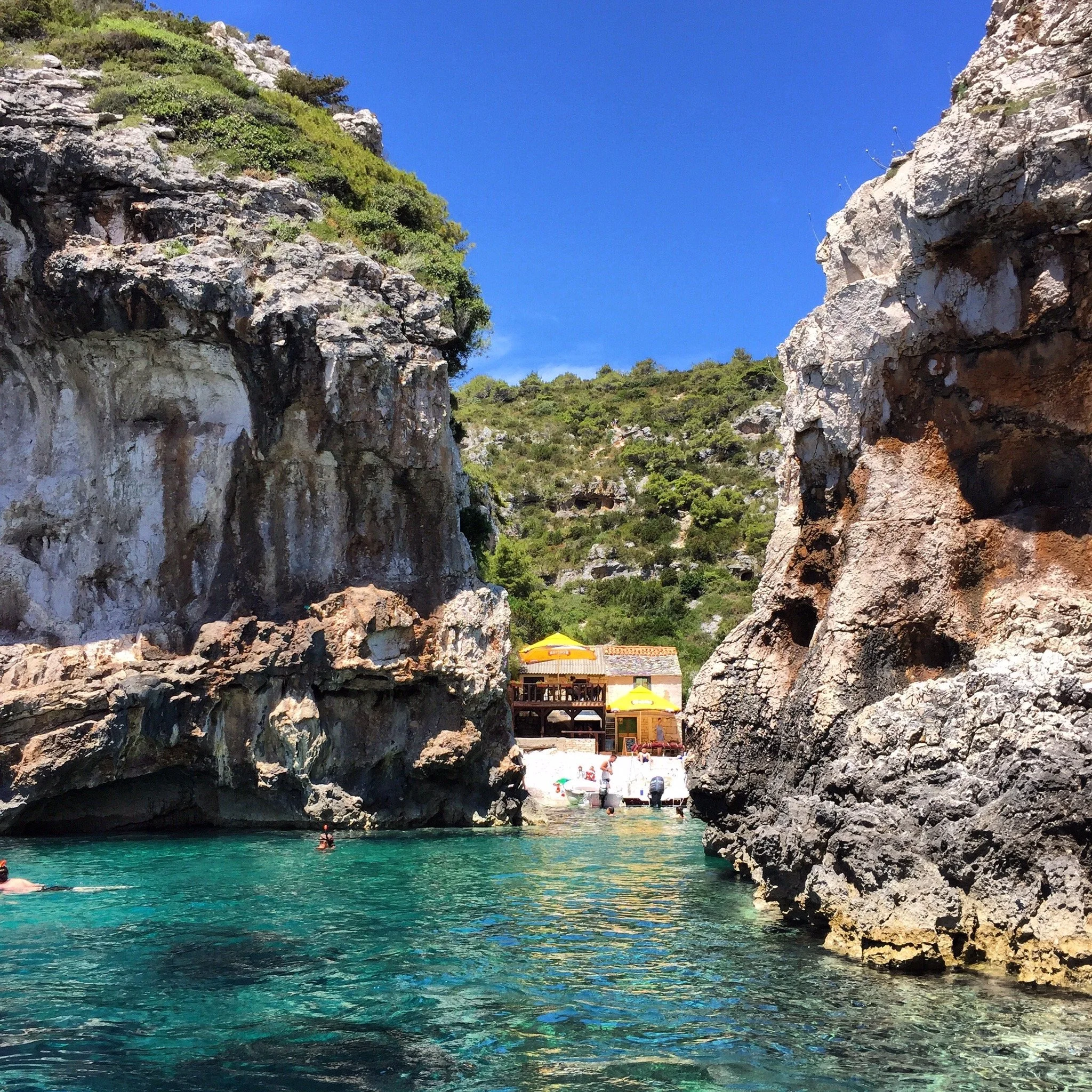
Start with Vis, the most remote and least developed of the major Dalmatian islands and, for our money, the one to send a friend to first — closed as a military base until 1989, and all the better for it, with the best food in the Adriatic and boat-only beaches like Stiniva.
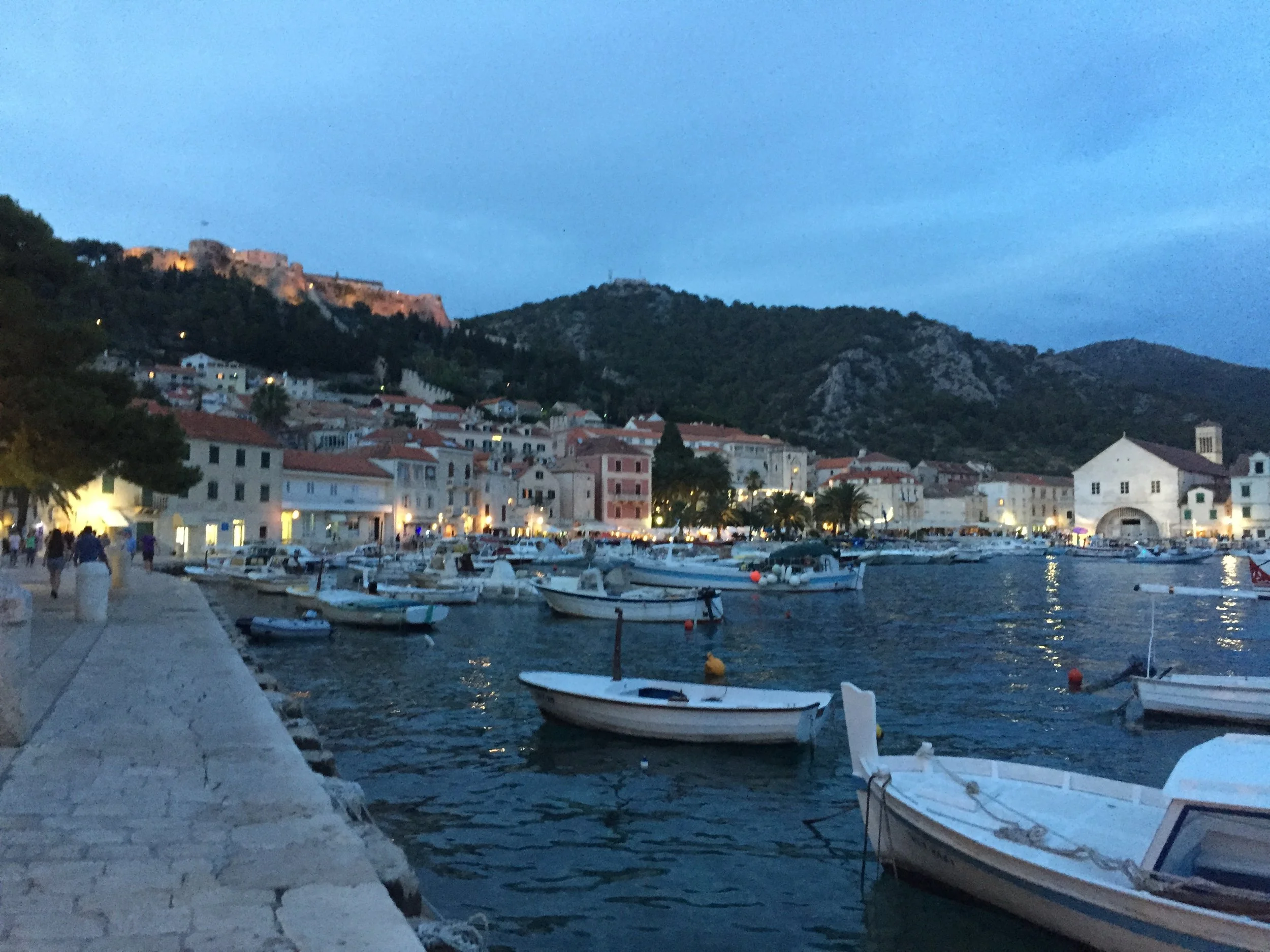
Hvar is its opposite number: glamorous, lively, full of heritage hotels and beach bars, with the Pakleni Islands strung out across the water — the island for energy and nightlife, though it hides a slow, lavender-and-stone side too.
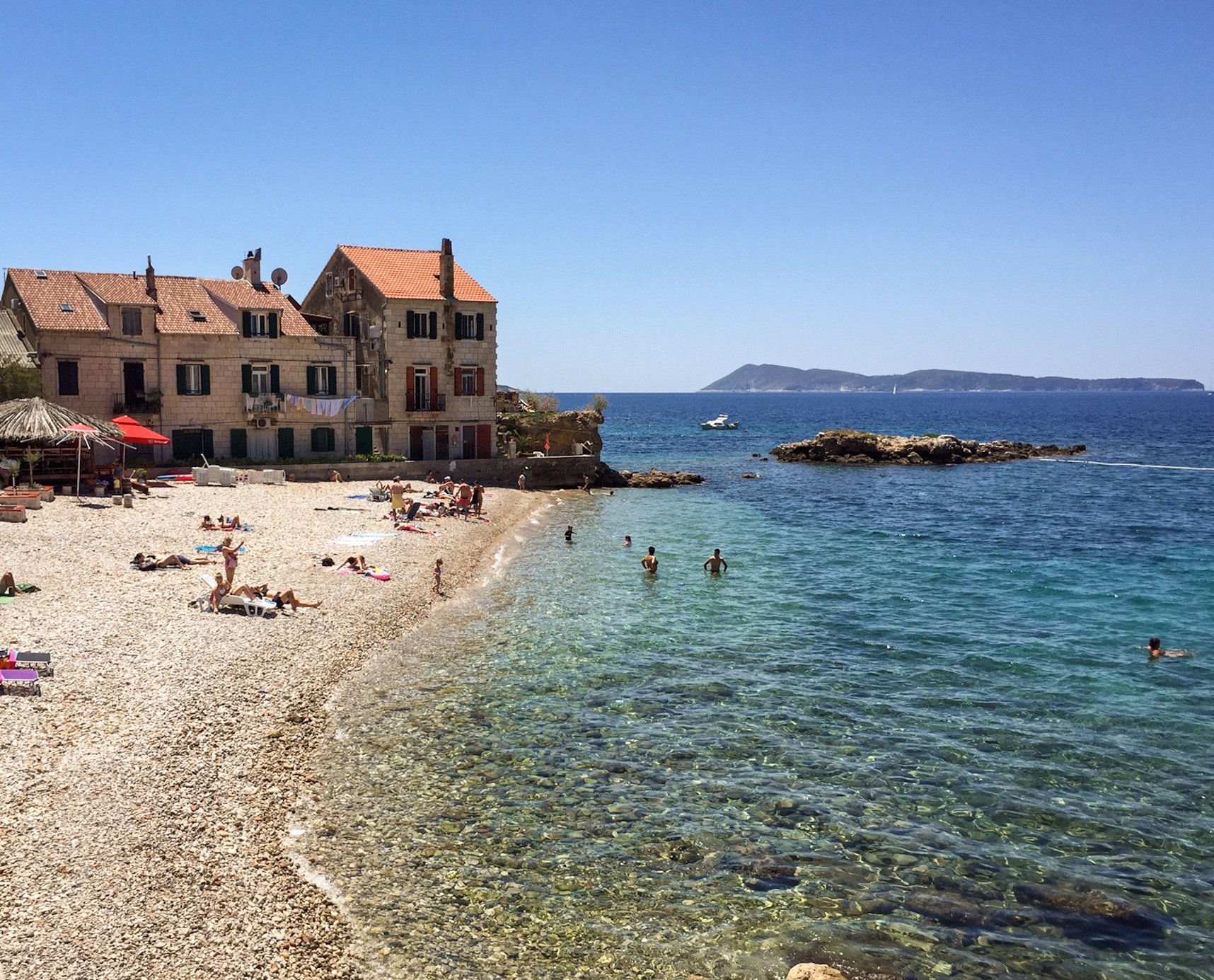
And Korčula splits the difference — a fortified medieval town that claims Marco Polo as a native son, with the best wine culture in the islands and a quieter, lived-in feel. Most travelers do two or three in a single trip, and they pair beautifully.
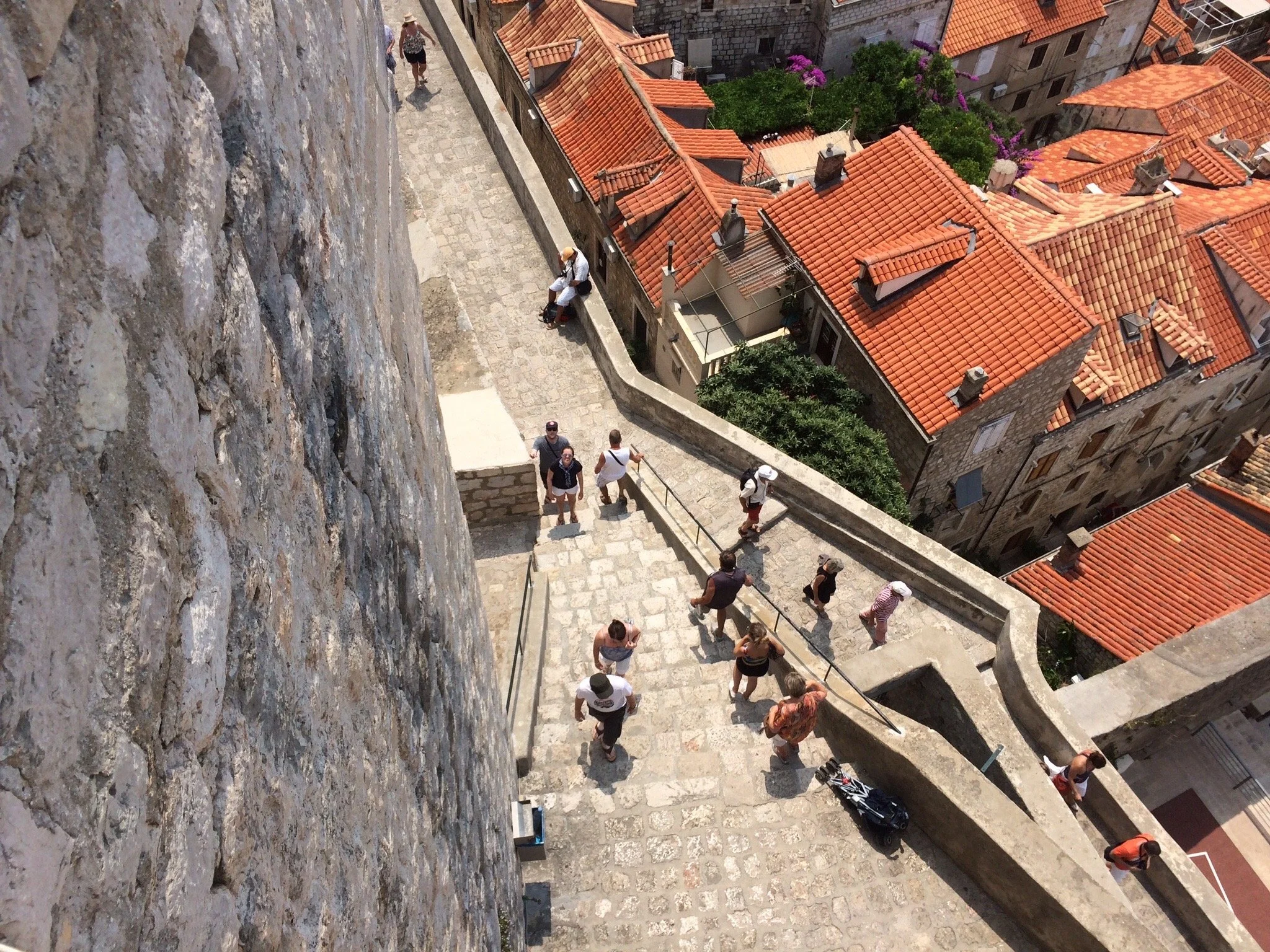
On the mainland, Dubrovnik is the headline act — the walled "Pearl of the Adriatic," staggering at golden hour and best experienced in the early morning or evening once the day-trippers have gone. Walk the city walls at opening, take the cable car up Mount Srđ at sunset, swim off Lokrum, and drink at Buža Bar through the gap in the ramparts. It also makes the natural start or end point of any island run, with ferries fanning out to Hvar, Korčula, and Mljet. The thread that ties it all together is the water, and the most fitting way to see this coast is from a boat.
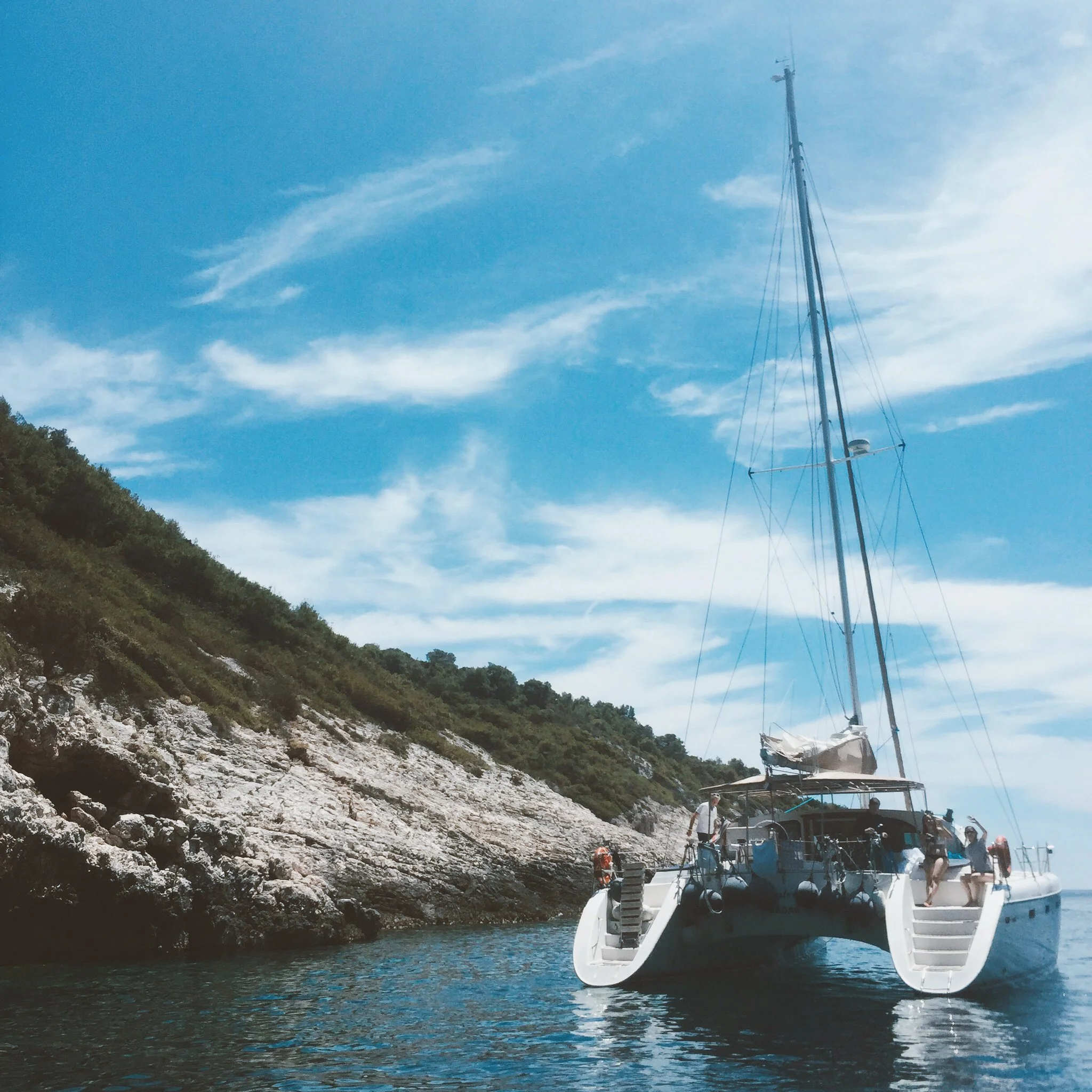
Our full guide to sailing around Croatia from Split to Dubrovnik covers how to book a charter, whether to hire a skipper, and the route we'd sail again tomorrow — anchoring in hidden bays, moving when the mood takes you, and reaching the coves you simply can't get to any other way. As for timing, Croatia runs on a warm-season rhythm. June and September are the sweet spot up and down the coast — warm enough to swim, every restaurant and boat tour open, and noticeably calmer than July and August, when the islands fill and the best tables and tours book out well ahead. Outside roughly May to early October, much of the island infrastructure winds down, so this is a destination to catch in its season. And dont miss our guide to Mljet, Croatia's greenest island and home to a national park of saltwater lakes.
FREQUENTLY ASKED QUESTIONS
Is Croatia worth visiting? Emphatically yes. Croatia pairs some of Europe's best-preserved medieval cities with a coastline of clear Adriatic water and dozens of distinct islands, plus excellent seafood and wine and prices still gentler than much of the Mediterranean. It's at its best for travelers who want to combine history, island-hopping, and time on the water.
What is the best Croatian island? It depends on what you're after. For unspoiled, slow, and food-focused, choose Vis. For glamour, nightlife, and the widest range of hotels, choose Hvar. For medieval-town atmosphere and the best wine culture, choose Korčula. Many travelers visit two or three on one trip.
How many days do you need in Croatia? Seven to ten days is the sweet spot for the Dalmatian coast — enough to combine Split or Dubrovnik with two or three islands at an unhurried pace. A week is workable; under five days means choosing one base and one or two islands.
What's the best way to get around the Croatian islands? Ferries and catamarans (mainly Jadrolinija and Krilo) connect the mainland and islands, but the most rewarding way is by boat — a sailing charter, with or without a skipper, lets you reach hidden bays the ferries don't and set your own pace.
When is the best time to visit Croatia? June and September: warm water, open restaurants, running boat tours, and far fewer crowds than the July–August peak.
Vis or Hvar — which should you choose? They're opposites. Hvar is glamorous and lively with plenty of hotels and nightlife; Vis is quiet, remote, and food-focused with almost no large hotels. If you can only pick one and you want unspoiled and delicious over polished and busy, choose Vis.
RELATED ARTICLES
Vis Travel Guide: Where to Stay, Eat & What to Do
Hvar Travel Guide: Where to Stay, Eat, Drink, and What to Do
Korčula Travel Guide: Where to Stay, Eat, Drink, and What to Do
Dubrovnik Travel Guide: Where to Stay, Eat, Drink, and What to Do
Sailing Around Croatia: From Split to Dubrovnik