France
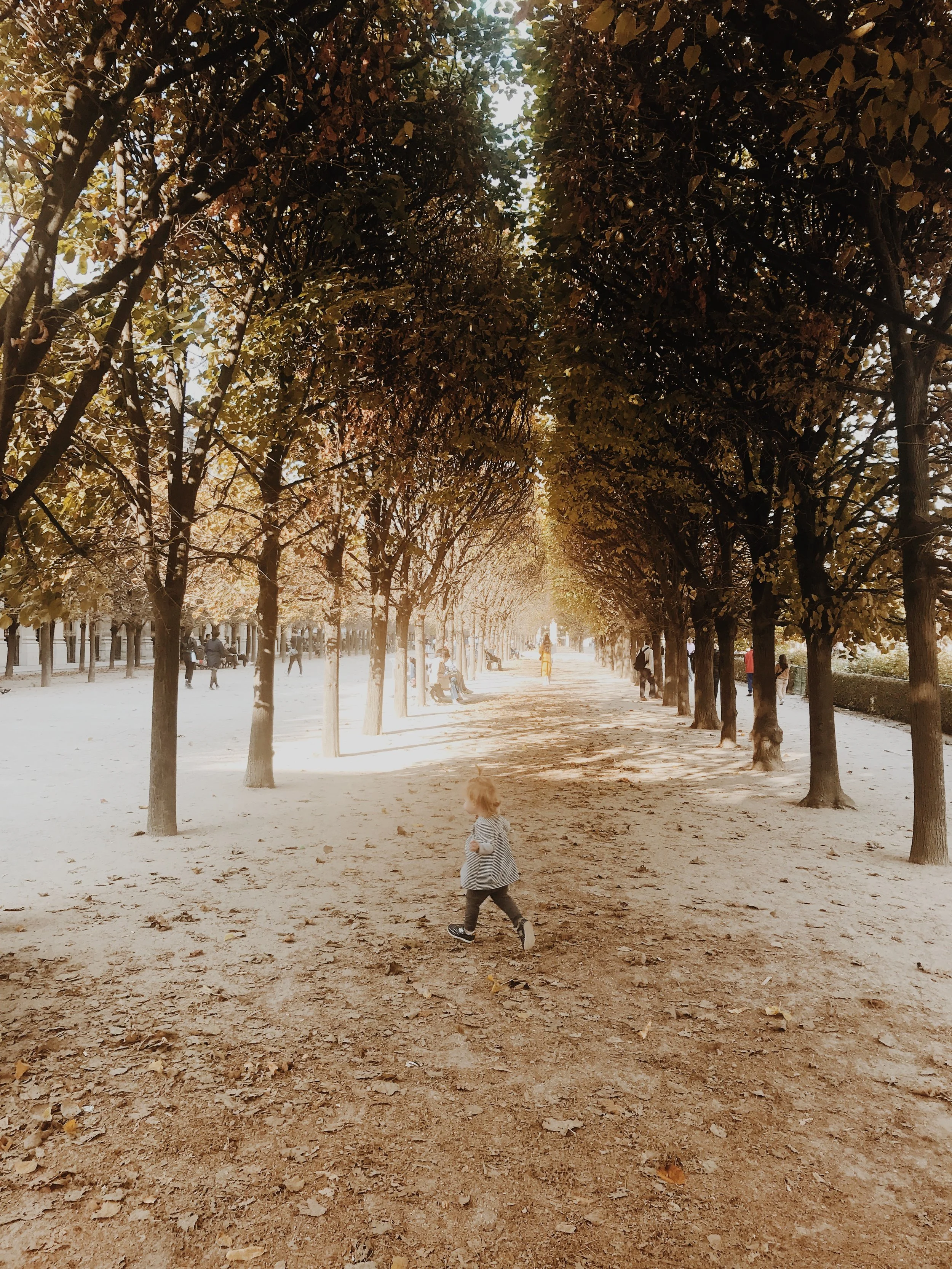
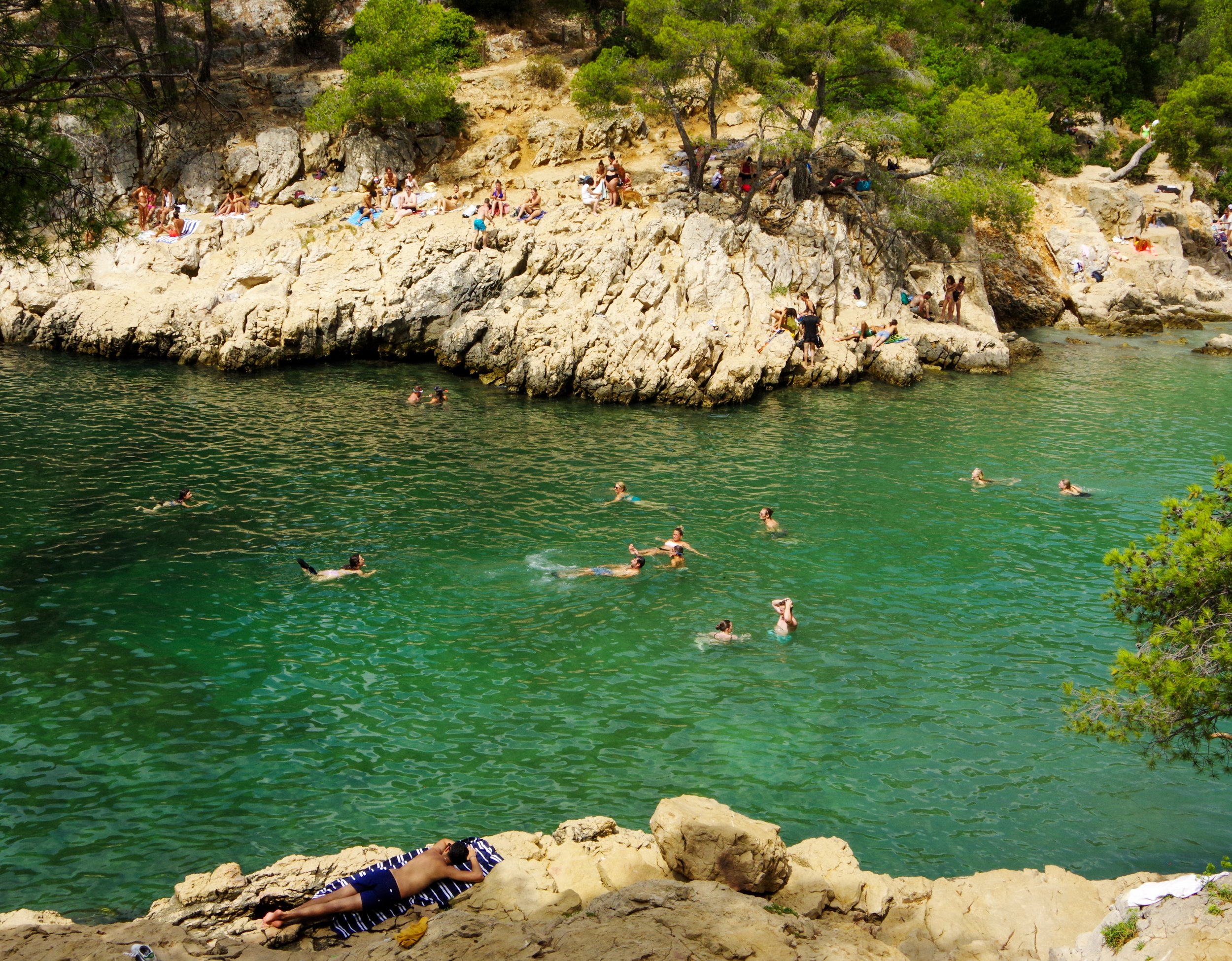
The verdict: France is where we learned that luxury travel and family travel don't have to be different trips. We've pushed a stroller through the Tuileries, eaten eight-course Michelin meals in a harbor town of six thousand people, and watched our kids swim in calanque coves that look photoshopped in person. Every hotel here was independently paid for, every restaurant found the hard way, no sponsored stays and no paid placements.
Most of our France time has been spent in the south, split between the hilltop villages and vineyard estates of Provence and the coastline that runs from Cassis to the Riviera. Paris earns its place too, with some of our favorite hotels in the world. It’s also worth visiting with kids, and we wrote the guide to prove it. And in winter the country becomes something else entirely, with the largest linked ski areas in the world and the best value at the top of the Alps.
Start with the region you're planning.
Paris
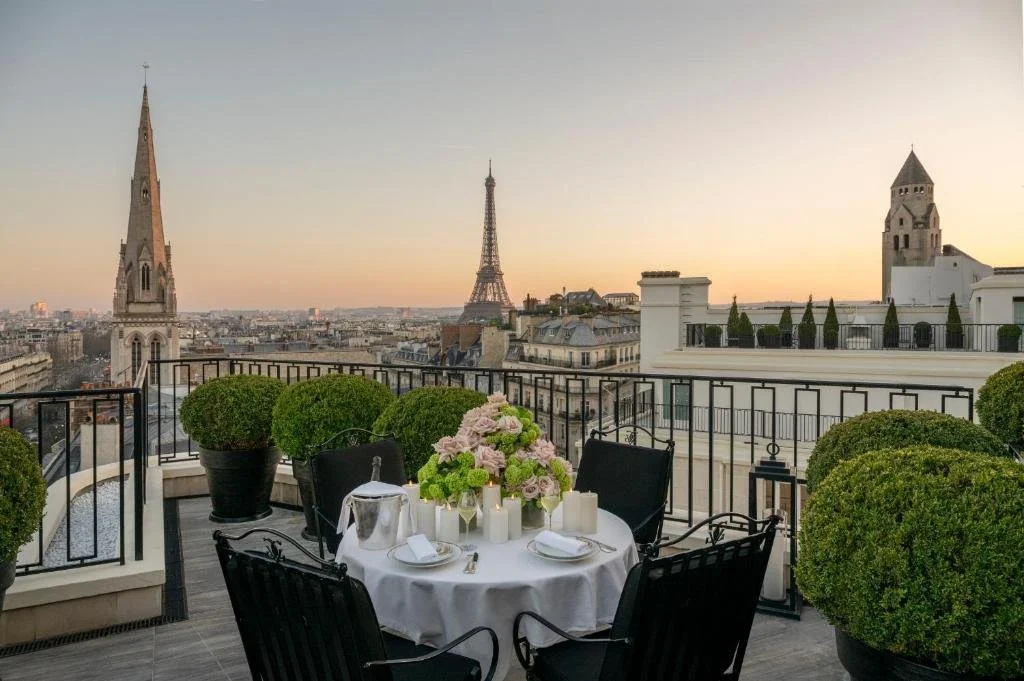
One of the most rewarding city trips in Europe if you plan it around the right neighborhoods, parks, and pastry stops. Our guide covers where to stay, what to skip, and how to keep the trip elegant without pretending you don't have children with you.
Provence
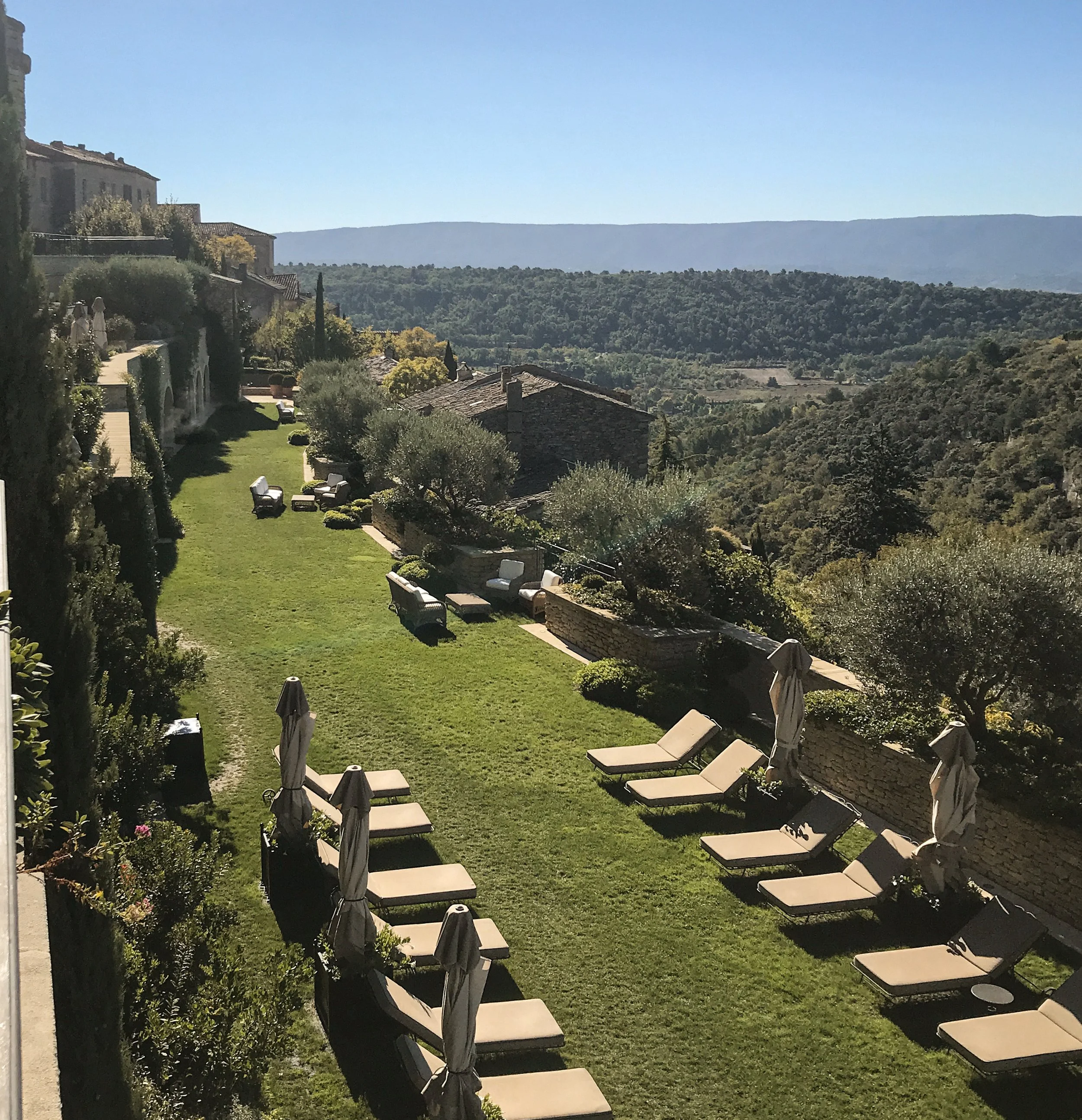
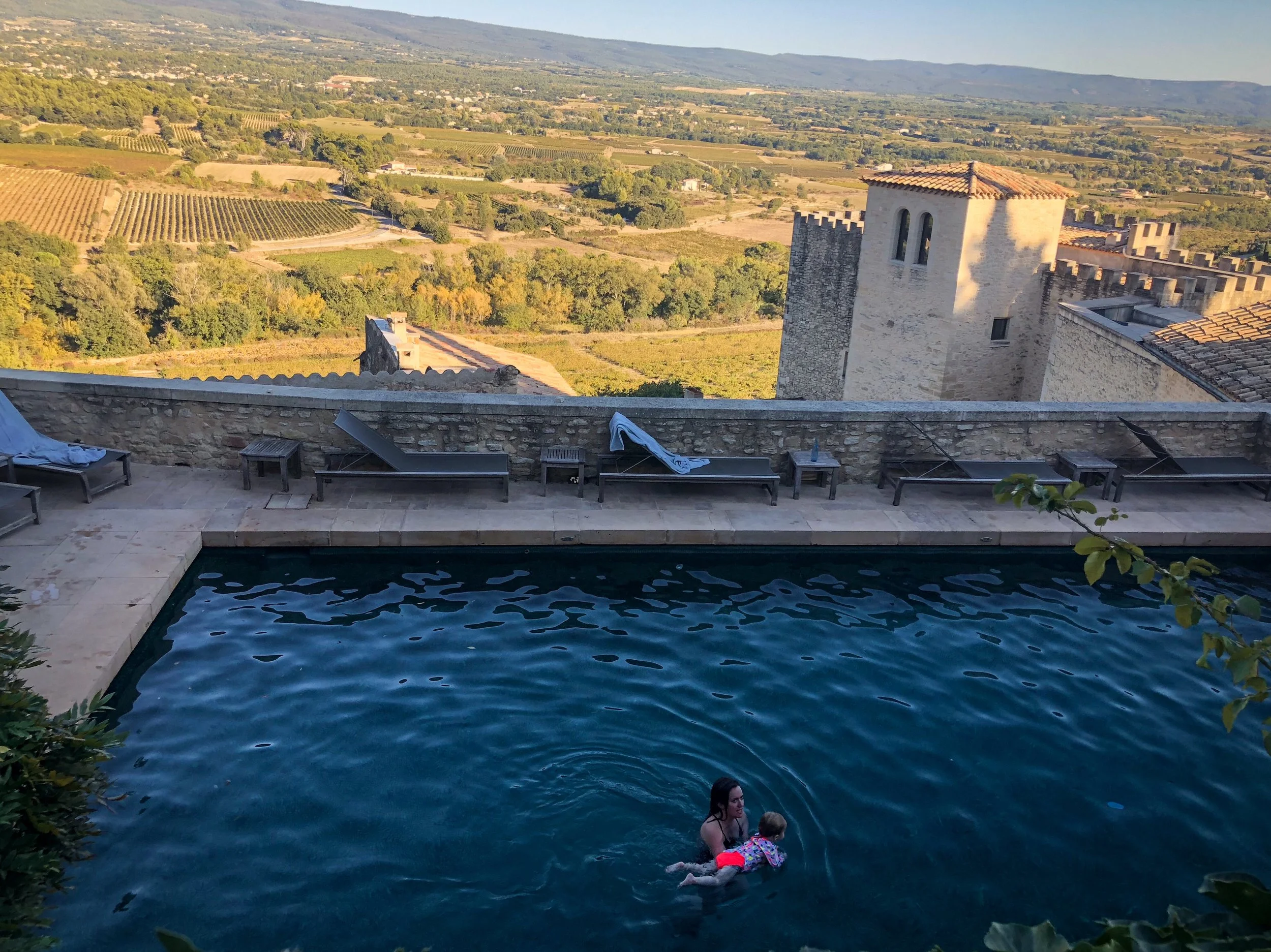
Lavender fields and hilltop villages, and also one of the best family destinations in France. Slow mornings, market towns, and pool afternoons.
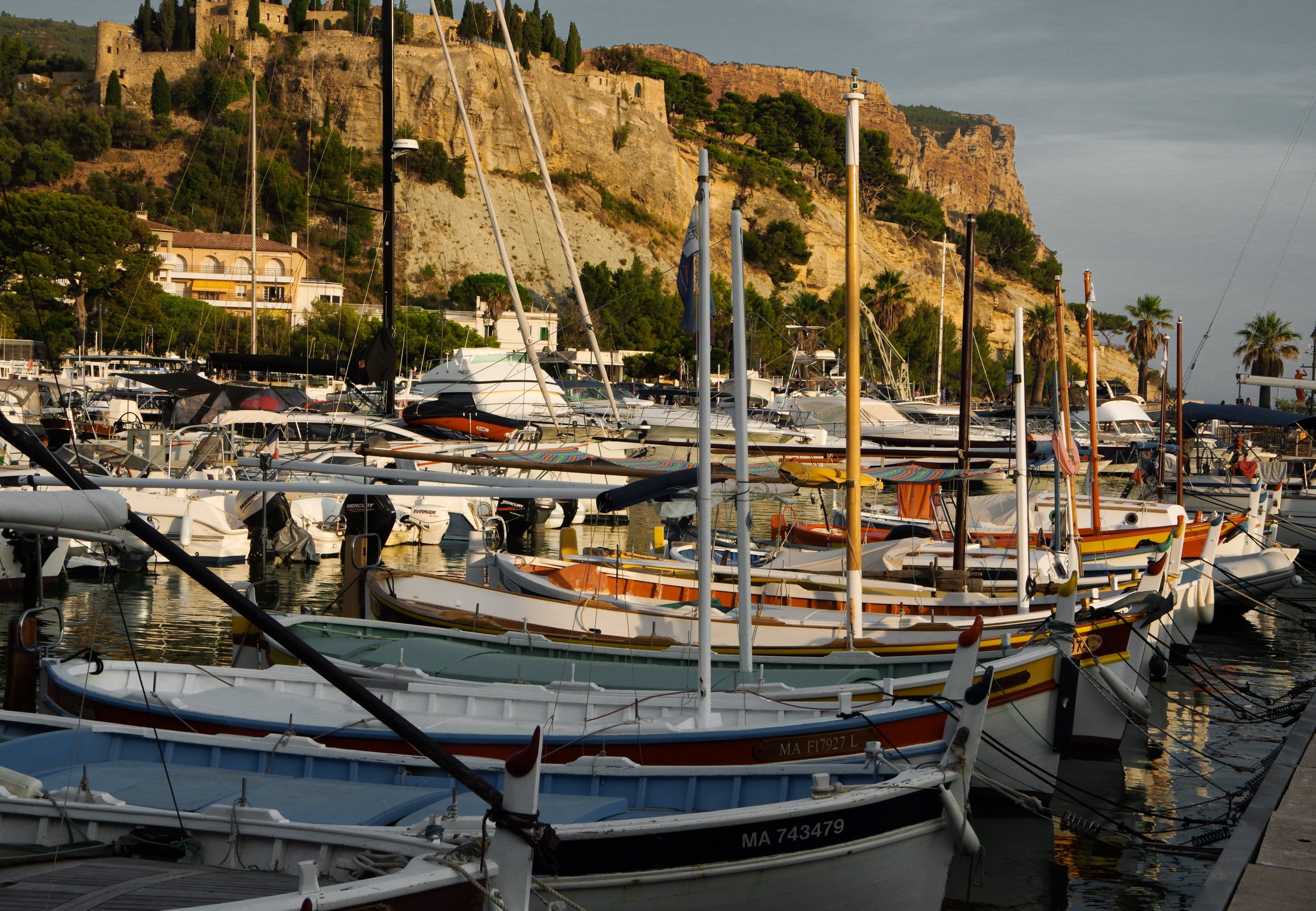
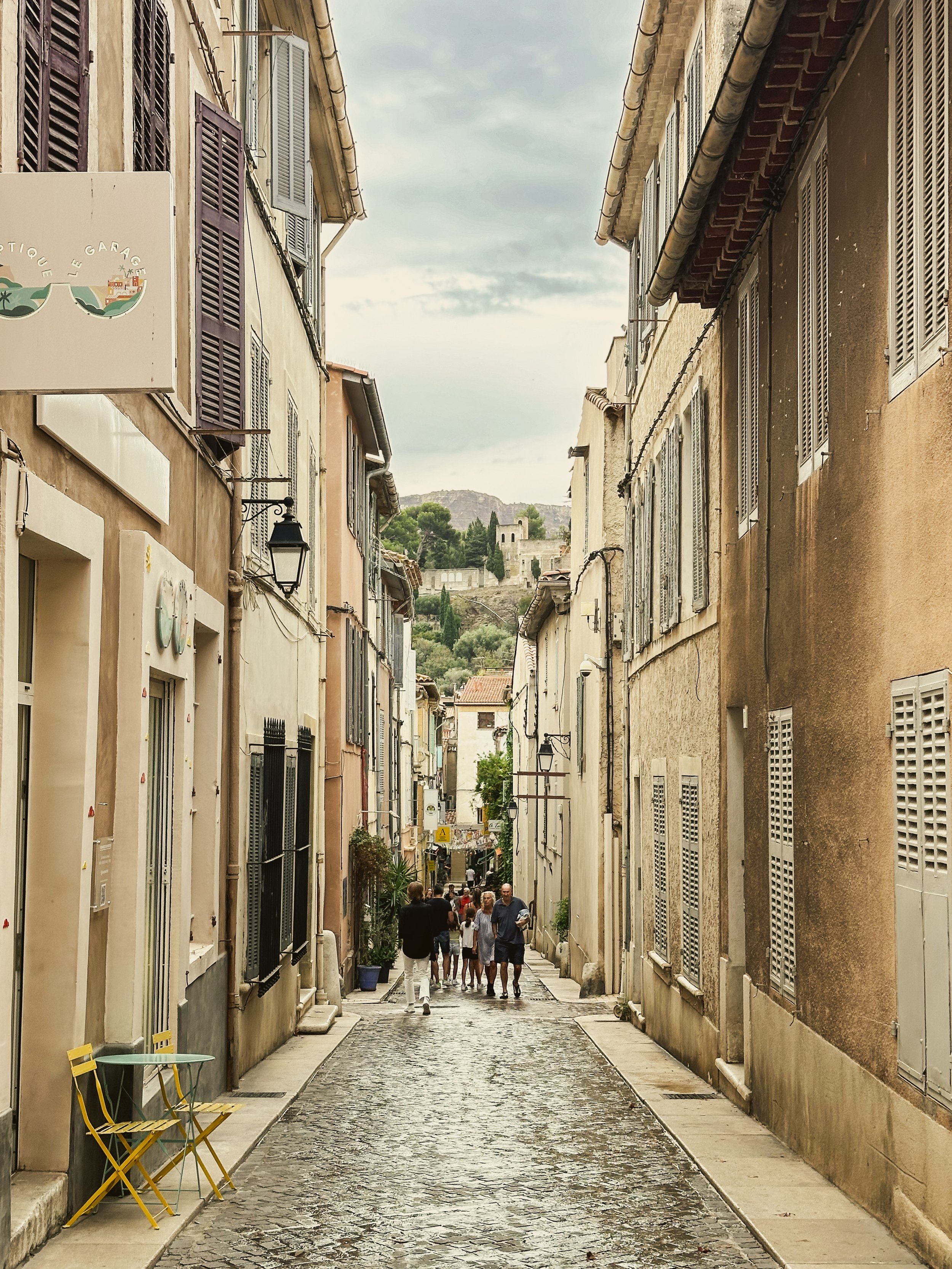
Cassis, the harbor town where Provence meets the Mediterranean, gets its own guides because we think it's the most underrated base on the entire southern coast. It's also where our single most-read France piece lives, which tells you something about how many people are looking for a version of the south that isn't Saint-Tropez.
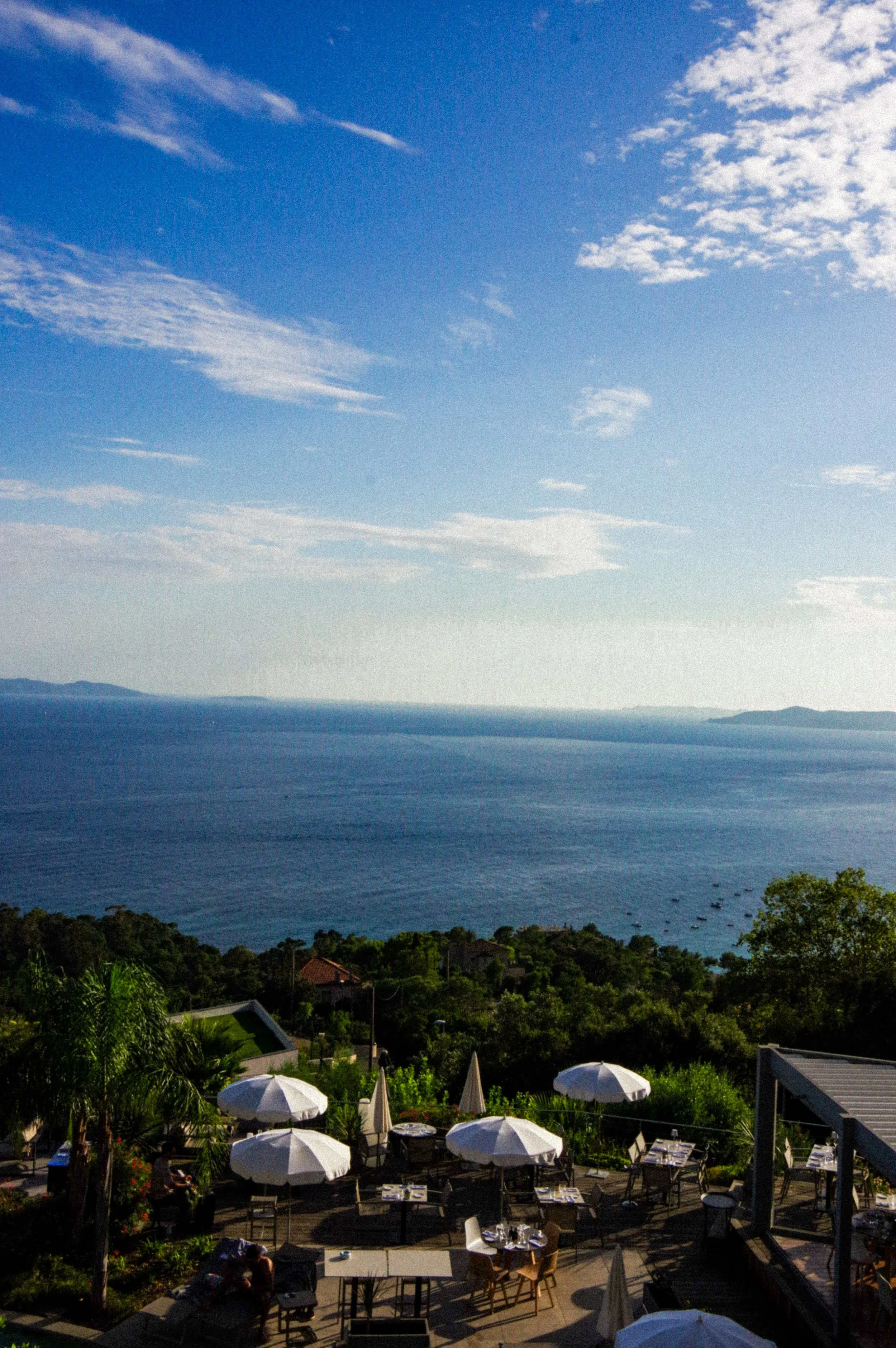
The South of France and the Riviera
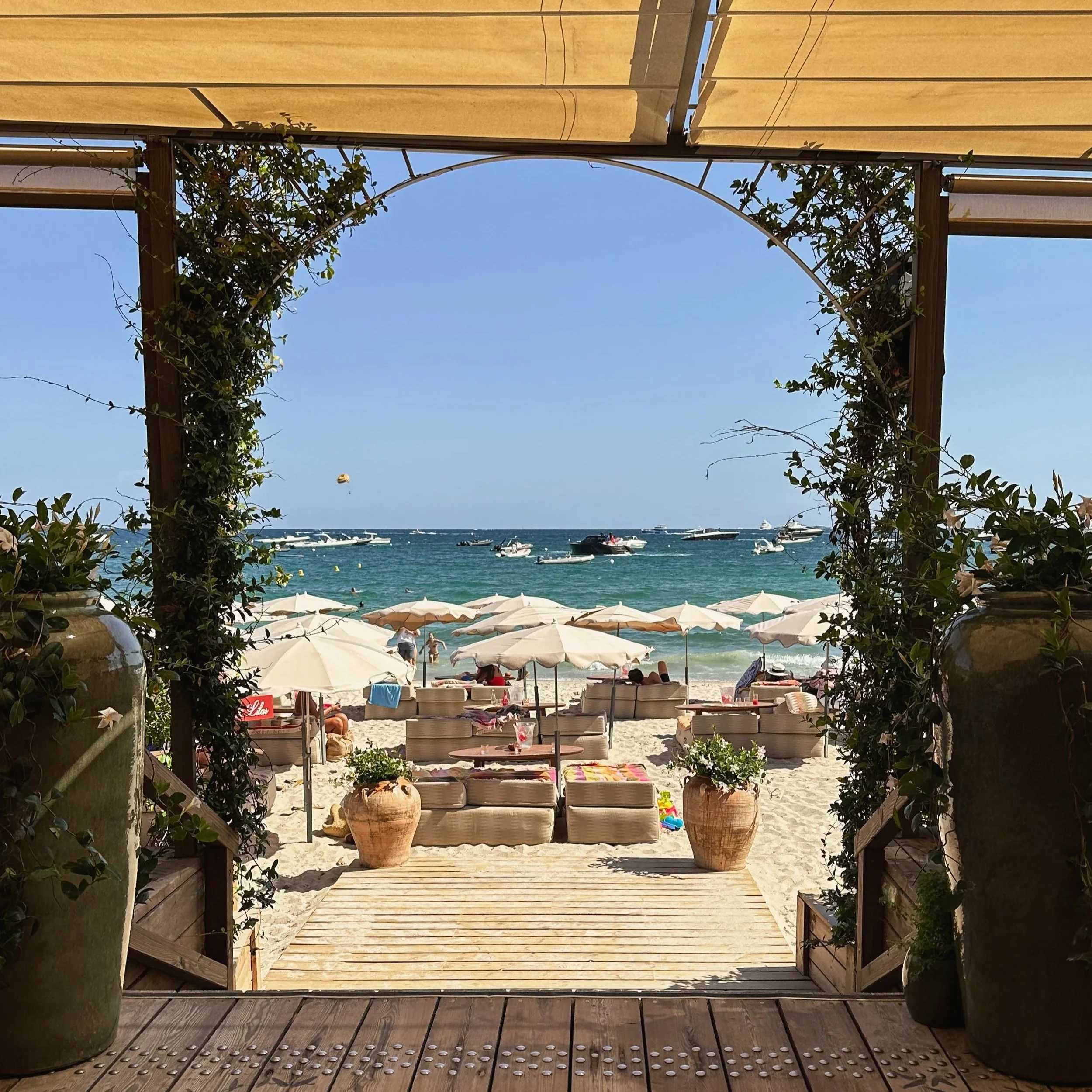
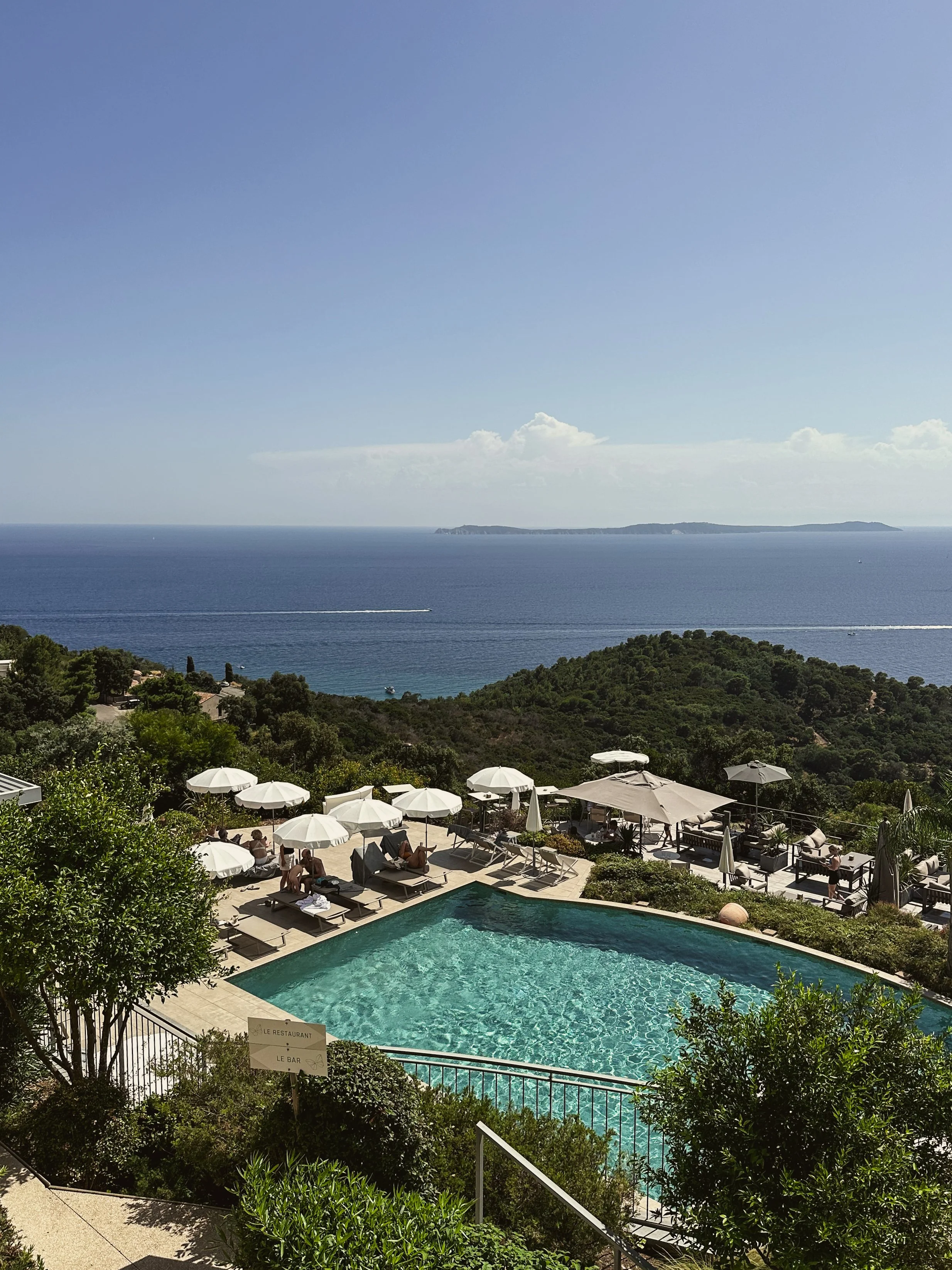
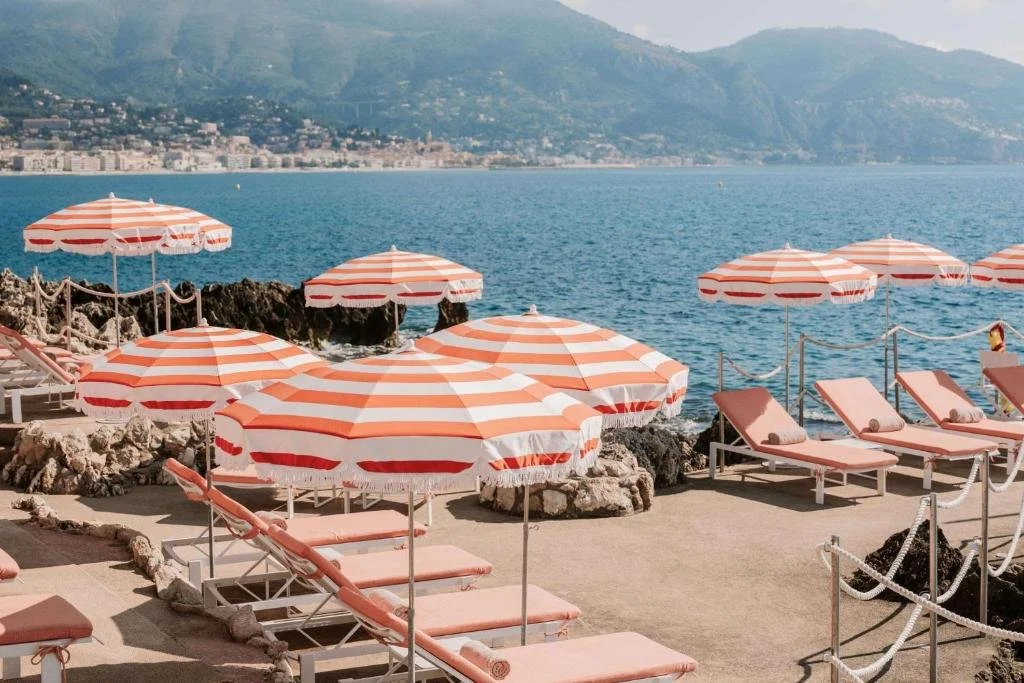
The Côte d'Azur is the France most people picture: Cap-Ferrat palaces, Saint-Tropez beach clubs, and the coastal towns in between. These guides cover where to stay at every register of luxury, which beach towns are actually worth building a trip around, and how to do the region with children in tow.
Skiing the French Alps
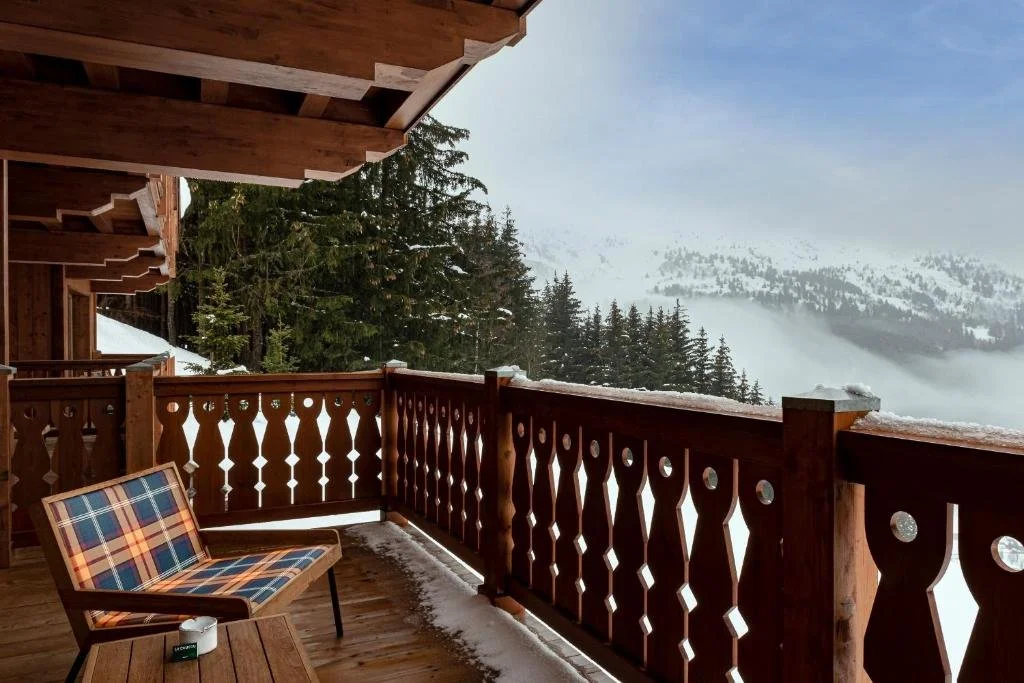
Les 3 Vallées, linking Courchevel, Méribel and Val Thorens, is the largest connected ski area on earth. Courchevel 1850 alone holds more palace-classified hotels than any resort in the world, and the same room costs meaningfully less than it would in Zermatt or St. Moritz. Val d'Isère has the most snow-sure serious terrain in the country. Megève is a medieval village an hour from Geneva where the shopping is better than the skiing, and we say so.
France is also unusually good for genuine ski-in ski-out, because the big resorts were built with the lifts and the lodging planned together. That's the opposite of Switzerland, where most grand hotels sit in valley villages below the snow.
Season runs mid-December to late April, lift passes are €55 to €75 a day, and the whole thing sits 20 to 30 percent below Switzerland.
Corsica
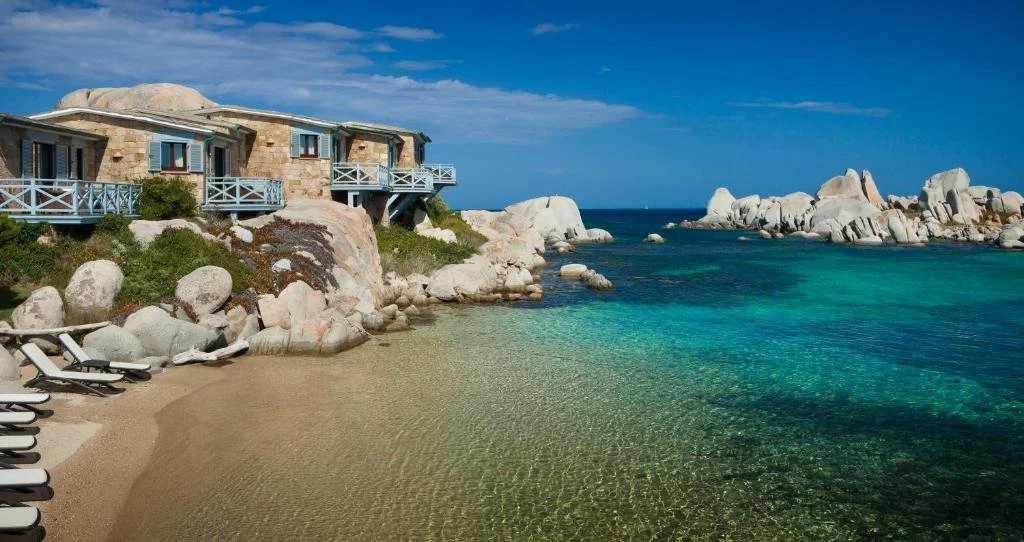
Corsica feels like a different country from the mainland, with wild mountain interiors, Genoese citadels, and beaches that rival anything in the Caribbean. Our guide to where to stay in Corsica breaks down which part of the island to base yourself in and the hotels worth the splurge.
Best time to visit France
Provence and the Riviera: May, June, and September. July and August are hot, crowded, and expensive, and August in particular sees the French holiday themselves and the coast fill completely. September is the best month of the year on the southern coast, with warm sea and thinning crowds. Winter is quiet and many coastal restaurants close.
Paris: April through June and September through October. August empties of Parisians and fills with visitors, and a lot of the good restaurants close for the month. Winter is cold and grey and the museums are at their best.
The Alps: mid-December to late April, with the high Tarentaise resorts stretching into May. Mid-January through mid-March is the reliable window, and late January, after New Year and before the February school holidays, is the best combination of snow and price.
One thing to plan around all year: French school holidays. February half-term runs in staggered zones across roughly four weeks and fills the ski resorts entirely. Check the zone calendar before booking, because a single week either side can halve the price.
Which part of France is right for you
Choose Provence if you want slow mornings, market towns, hilltop villages, and a pool. The best family option in France and the best value in the south.
Choose the Riviera if you want the coastline, the beach clubs, and the hotels people have been coming to for a century. More expensive and more crowded, and worth it once.
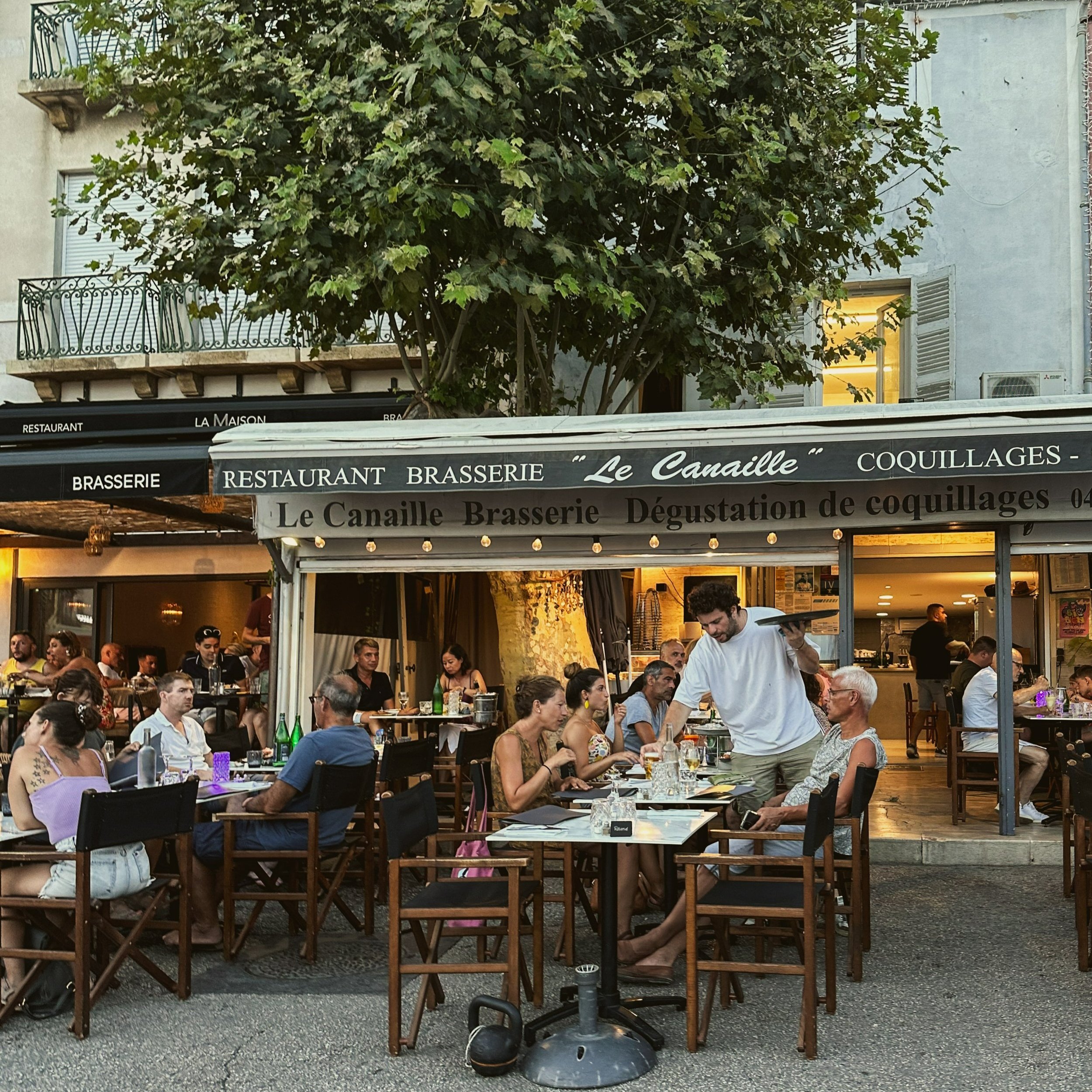
Choose Cassis if you want the south without Saint-Tropez prices. A harbor town of six thousand, the calanques on the doorstep, and a restaurant scene far beyond its size.
Choose Paris if it's a city trip, and don't assume children rule it out. They don't.
Choose the Alps if it's winter and you want the biggest linked terrain in the world at a discount to Switzerland.
FAQs about travelling in France
When is the best time to visit the South of France? May, June, and September. September is the strongest month, with warm sea and far fewer people. Avoid August, when the whole country holidays on the coast.
Is the South of France good with kids? Yes, and better than its reputation. Provence in particular suits families, with short drives, markets, and pool afternoons. Our South of France with kids guide covers the practicalities.
Where should you stay in the South of France? Provence for villages and value, the Riviera for the coast and the grand hotels, Cassis if you want a harbor town base with the calanques nearby.
Is Paris worth it with children? Yes. It takes planning around the right neighborhoods, parks, and pastry stops rather than trying to do the museums in a day, but the city rewards it.
How does French skiing compare with Switzerland? France has larger linked ski areas and better value, roughly 20 to 30 percent cheaper across hotels, passes, and food. Switzerland has better scenery and better villages. On skiing alone, France wins
Which French ski resort has the best hotels? Courchevel 1850, which holds more palace-classified hotels than any resort in the world.
Do you need a car in France? In Provence and the Alps, yes. On the Riviera the coastal train covers most of what you want. In Paris, no.
What are the French school holidays and why do they matter? February half-term runs in staggered zones across about four weeks and fills the ski resorts. It's the single biggest driver of price and crowding in the Alps.