PERU
Peru is a country that delivers on almost every kind of travel with Andean mountain towns, Amazon jungle lodges, world-class food in Lima, and of course Machu Picchu. But it's also a country where logistics matter more than almost anywhere we've traveled. Altitude, distances, and the order in which you do things can make or break the trip. We've spent serious time in Peru, traveling with kids and without, and our Peru coverage is built on real visits, What you'll find below is what we actually recommend. Read our full guide to Peru with Kids here. The regions we cover:
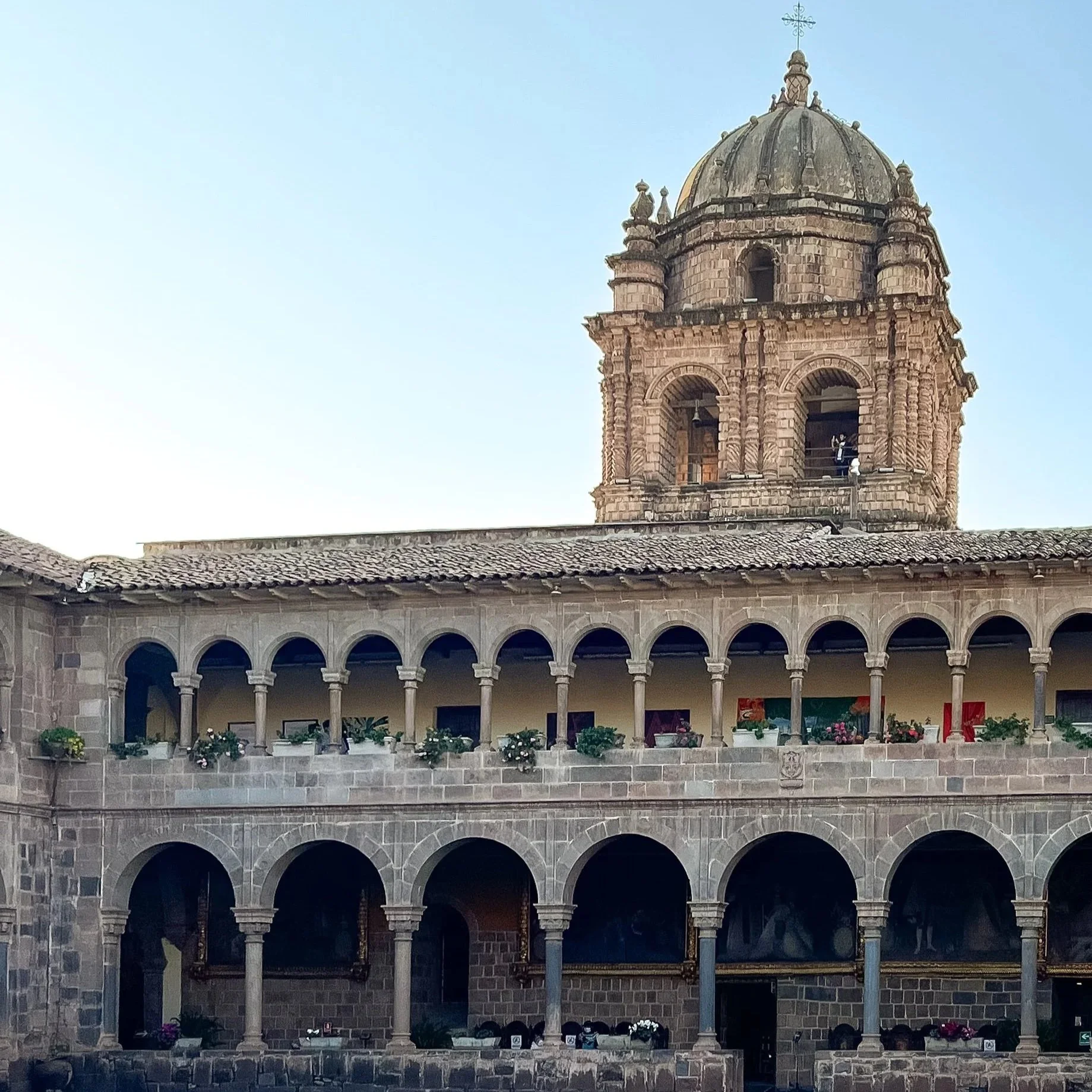
Cusco — The old Inca capital and the anchor of almost every Peru itinerary. At 11,150 feet, it's also the highest point most travelers will reach, and altitude planning matters here more than people realize. Beyond the logistics, Cusco itself is genuinely wonderful — cobblestoned San Blas, the Plaza de Armas at golden hour, some of the best hotels in South America (the Belmond Monasterio and Palacio Nazarenas, Inkaterra La Casona), and a food scene that's quietly become one of Peru's most interesting. Read our full Cusco travel guide for where to stay, where to eat, and how to handle the altitude without losing a day of your trip.
Sacred Valley — The valley that runs between Cusco and Machu Picchu, and the place we'd argue most travelers should base themselves first. It sits about 2,000 feet lower than Cusco, which makes acclimatization significantly easier — especially with kids. Urubamba and Ollantaytambo are the two main hubs, and properties like Sol y Luna, Inkaterra Hacienda Urubamba, and Explora Valle Sagrado are among the most beautiful in the country. The Inca ruins at Pisac, Moray, and Ollantaytambo are arguably as compelling as Machu Picchu itself, and far less crowded.
Machu Picchu — The obvious reason most people come to Peru, and somehow still worth every bit of the hype. The mechanics for train tickets, entry slots, circuits, the climb up Huayna Picchu, change frequently and require booking months in advance. Most travelers visit as a day trip from the Sacred Valley or Cusco via the Vistadome or Hiram Bingham train; we generally recommend staying at least one night in Aguas Calientes (the Inkaterra Machu Picchu Pueblo Hotel and Sumaq are the two best options) so you can be at the gates at sunrise.
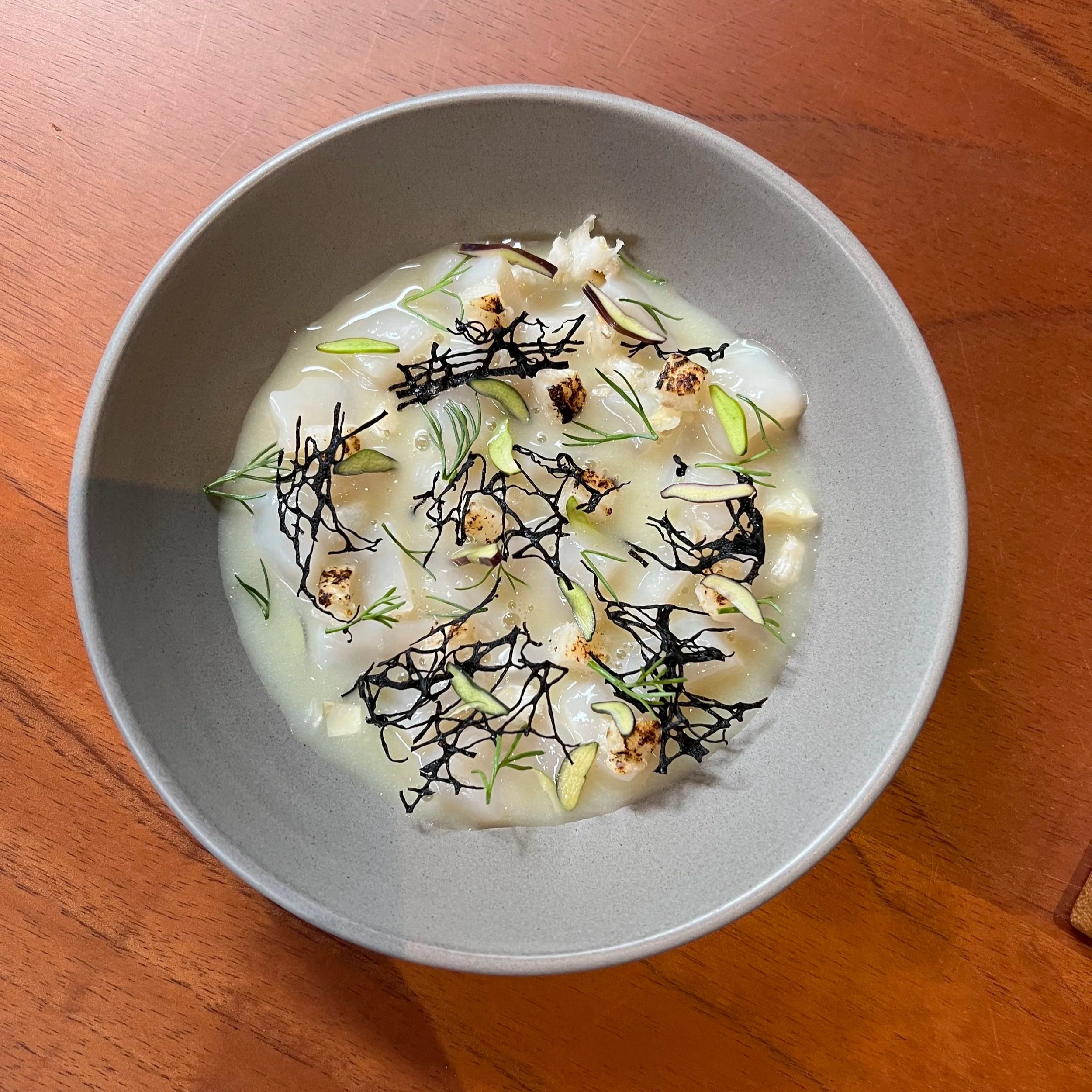
Lima — Often treated as a one-night layover, which is a mistake. Lima has, by most credible measures, one of the three or four best food scenes in the world — Central, Maido, Mayta, Kjolle, and Astrid y Gastón are all here, and several routinely sit in the World's 50 Best. Stay in Barranco for charm and walkability or Miraflores for the cliff-top views and proximity to everything. Two nights here on either end of a Peru trip is a much better use of time than most people give it. The best restaurants in Lima can be found here.
The Amazon — Peru shares the largest stretch of the Amazon basin outside Brazil, and a few days in the jungle is a remarkable counterweight to the dryness and altitude of the Andes. The two main entry points are Puerto Maldonado (easier, more polished lodges like Inkaterra Reserva Amazónica and Tambopata Research Center) and Iquitos (deeper, wilder, accessed only by plane or boat). For most travelers — and especially families — Puerto Maldonado is the better introduction.
How to sequence a Peru trip: Almost every itinerary follows the same logic — Lima → Sacred Valley (to acclimatize) → Machu Picchu → Cusco. Doing it in this order, rather than flying straight from Lima to Cusco, makes a real difference in how the first few days feel. Add the Amazon at the end if you have the time; add Arequipa and Lake Titicaca if you have ten days or more.
Best time to visit Peru: May through September is the dry season in the Andes — clear skies, cold nights, and the best conditions for Machu Picchu and the Sacred Valley. June, July, and August are peak; April, May, September, and October are the sweet spots — still dry, noticeably less crowded. The Inca Trail closes for maintenance every February and is not bookable last-minute in any month. November through March is the green season: lower prices, fewer tourists, and afternoon rain you can usually plan around.
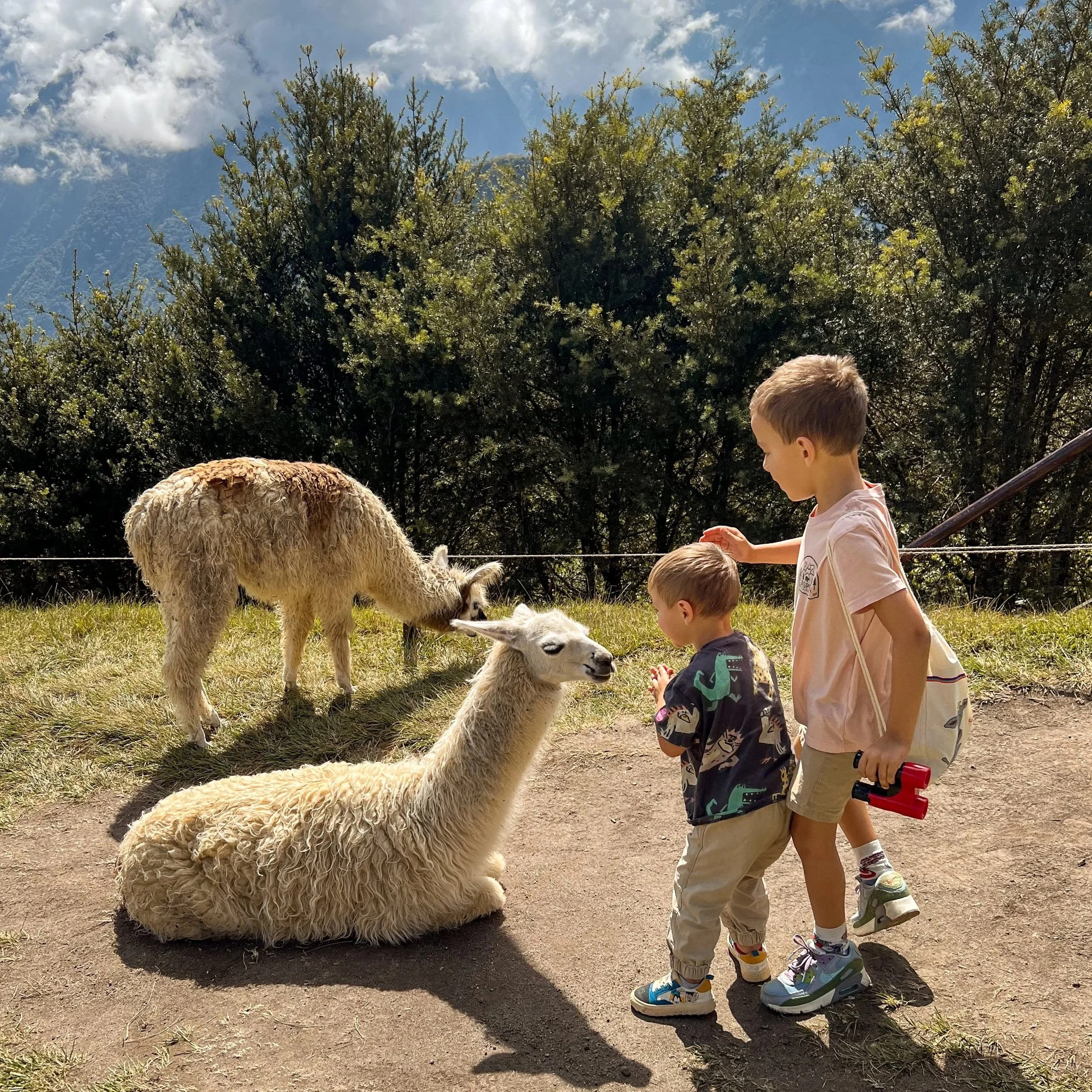
Featured Peru With Kids (2026): Itinerary, Hotels & Everything You Need to Know Peru is one of the most rewarding family destinations in South America — but altitude, logistics, and sequencing make it trickier than most. We traveled with kids aged 5 and 8 and break down exactly how to plan it.
Cusco Travel Guide (2026): Where to Stay, Where to Eat & How to Handle the Altitude Cusco is the anchor of any Peru trip — the old Inca capital, the gateway to Machu Picchu, and one of the most atmospheric cities in South America. Our full guide to where to stay, what to do, and how to plan around the altitude.