
Moab Travel Guide (2026): Where to Stay, What to Do & How to Plan the Perfect Red Rock Trip
This guide is editorially independent. The Boujist accepts no payment for placement. Some links are affiliate links — if you book through them, we earn a small commission at no cost to you, which keeps the publication independent.
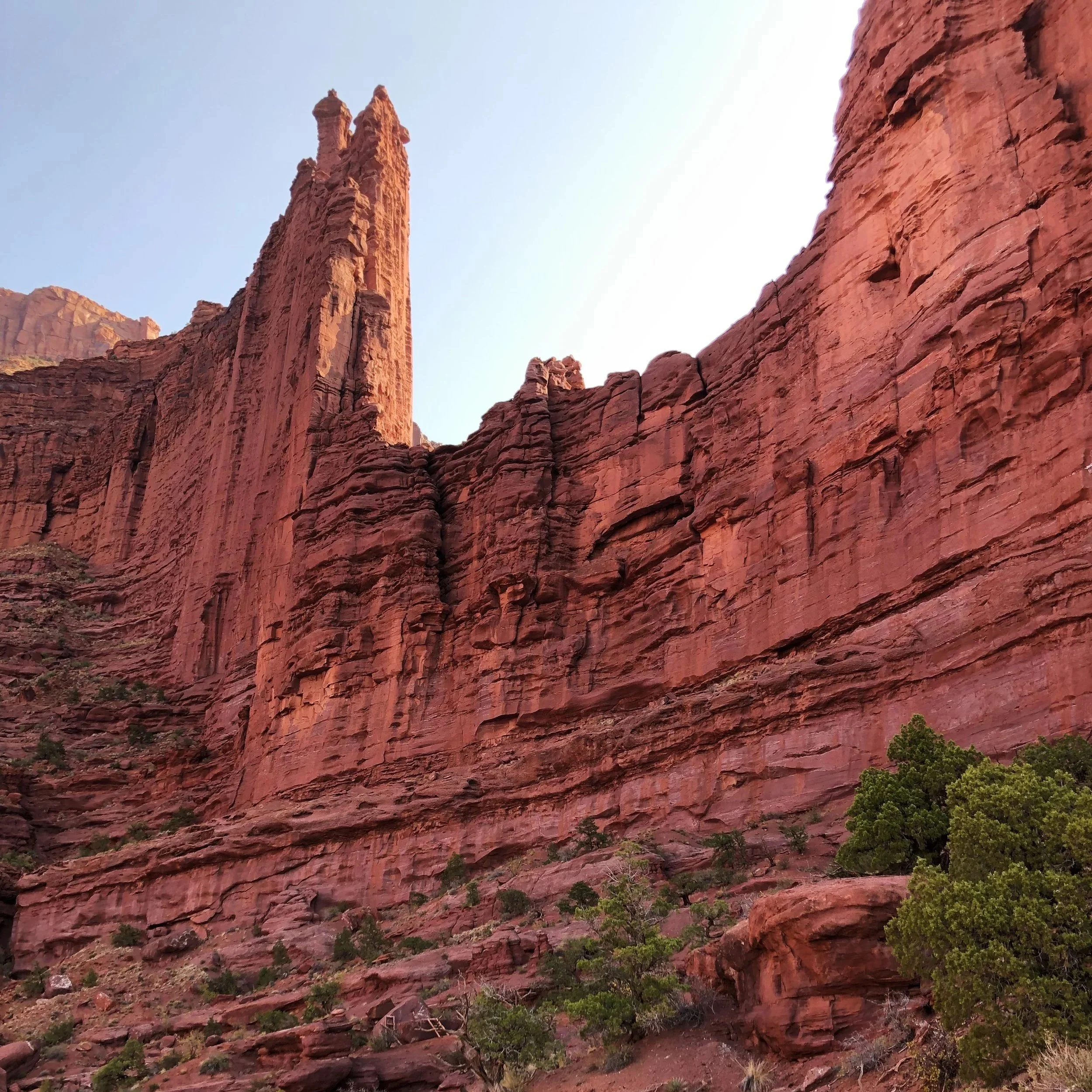
Moab is the kind of place that ruins other landscapes for you. The first time you drive in along Highway 191 and see the red rock walls of the Colorado Plateau rising out of the desert — towers, fins, sculpted bowls of sandstone in shades that shouldn't exist outside of a paint catalogue — you understand why the early Hollywood crews kept coming back here, and why most people who visit once end up returning.
This is our guide to the trip. Where to stay (three properties at three different price points and three different philosophies), what to actually do once you're there (the hikes, the river, the off-road), and how to plan around the realities of a small desert town that gets very busy and then very empty depending on the week. Everything below is based on firsthand research and real visits. No hotel paid to appear here.
At a Glance: Planning Your Moab Trip
Best for full-service luxury: Sorrel River Ranch
Best for elevated glamping:ULUM Moab
Best for classic glamping at a more accessible price:Under Canvas Moab
Best hike for first-timers: Delicate Arch in Arches National Park
Best half-day adventure: Colorado River rafting on the Fisher Towers section
Best adrenaline experience: Hell's Revenge UTV tour
When to go: April–May or September–October. Avoid July–August unless you genuinely thrive in 100°F heat.
How long to stay: Three nights minimum. Four to five nights is the sweet spot.
Where to Stay in Moab
There is no single right hotel in Moab. There are three serious options, and the right one depends on what kind of trip you want.
Sorrel River Ranch Resort & Spa
The full-service luxury option — and the only proper resort along the Colorado River.
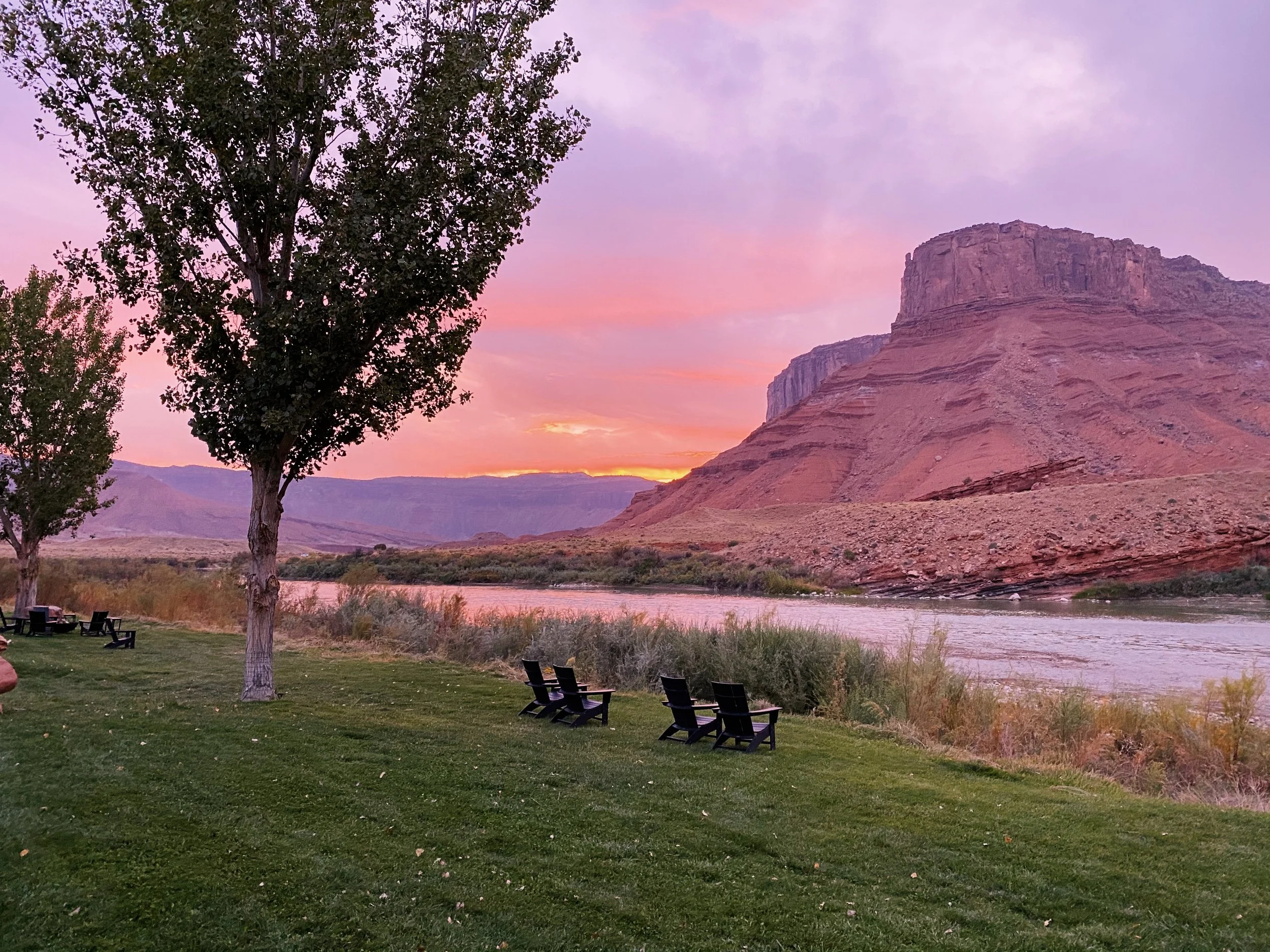
Sorrel River Ranch sits seventeen miles upriver from town along Highway 128, on 240 acres of working ranch directly on the Colorado River with two-thousand-foot red rock cliffs rising on the opposite bank. It is the only Four Diamond luxury resort in the area, and it remains the most complete property in Moab in the traditional luxury hotel sense — 56 guest rooms and cabin-style suites, a full-service spa, a fine-dining restaurant, an equestrian center, a sustainable on-site garden that supplies the kitchen, and a private river frontage that you can swim, fish, or paddle from.
The setting is the point. Each cabin has a private veranda facing the river, and the sound of the Colorado moving past at night is the quiet luxury that justifies the rate. The River Grill is the property's culinary anchor — farm-to-table cooking that uses the on-site garden seriously rather than as marketing — and the spa works the local terroir into its treatments, with massages that incorporate river rocks from the Colorado and body wraps built around herbs grown on the ranch.
Sorrel runs as a base camp as much as a resort. The on-property adventure team books guided hikes, horseback rides directly off the property, Colorado River rafting trips, and ATV tours. There is a working petting zoo and pony rides for younger children, an outdoor pool overlooking the river, a hot tub, and a robust slate of evening programming including astronomy nights.
A note: Sorrel is seventeen miles from downtown Moab via the scenic stretch of Highway 128, which means you trade walkability for seclusion. You'll want a rental car, and you'll spend more time on property than you might at a downtown hotel — which is exactly why people come.
Best for: Travelers who want full-service luxury, families who want a single property that handles everything, anyone who values seclusion over walkability.
ULUM Moab
Glamping at its most elevated — and one of the most architecturally considered properties in the Southwest.
ULUM is Under Canvas's higher-end sister property, opened in 2023 on 200 acres of high desert terrain about thirty minutes south of Moab proper, near Looking Glass Arch in the La Sal area. The setting is genuinely remote — you turn off the main road and drive two miles in before you reach the gate — and the property earns its position by combining the best of glamping infrastructure with a level of design and service that pushes the format into proper hotel territory. ULUM was named to the Michelin Guide with Two Keys in 2024, recognizing it among the world's best hotels. Read our full review here.
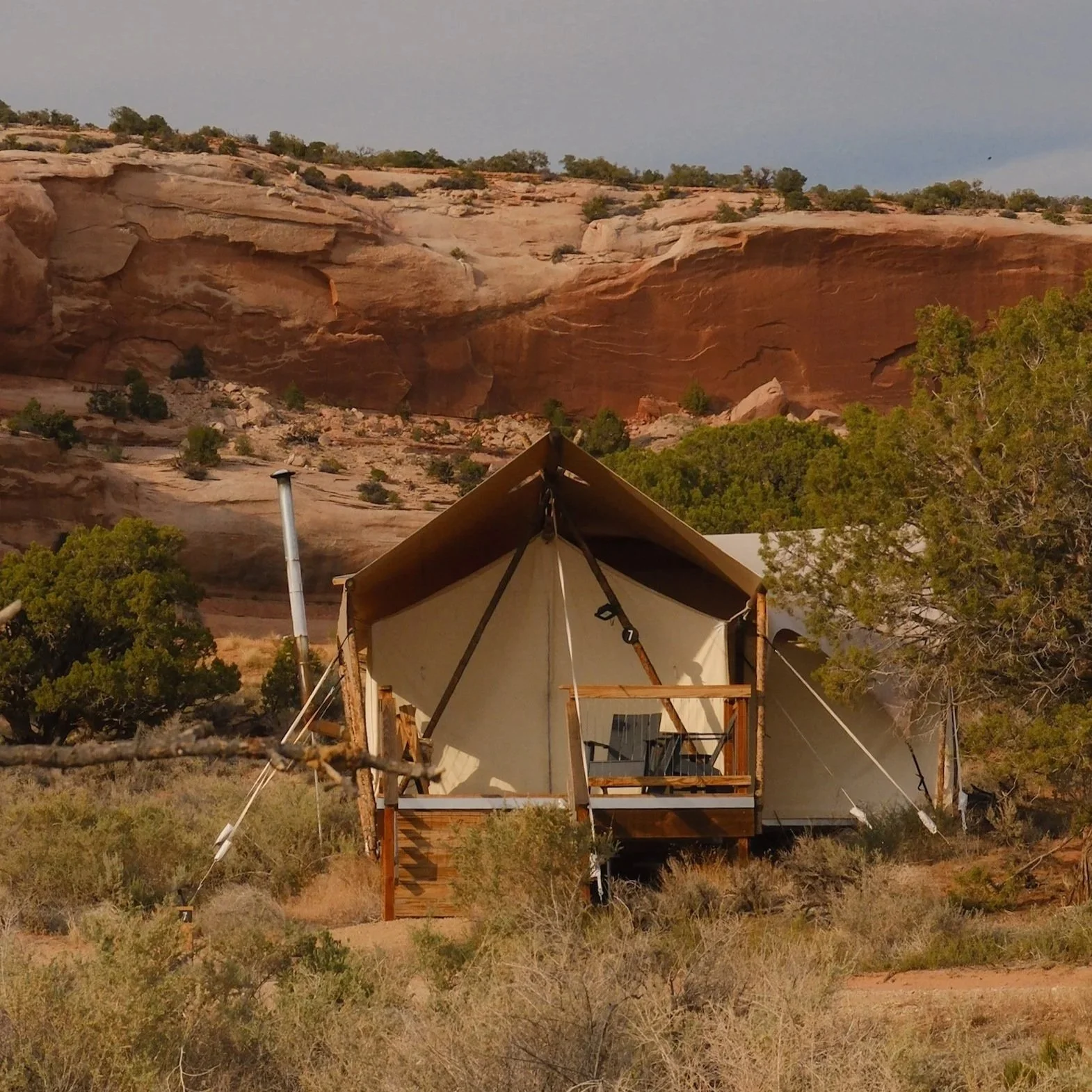
Accommodations are exclusively Suite Tents — large canvas structures with king-size beds dressed in Parachute linens and heated mattress pads, ensuite bathrooms with rain showers and Aesop products, lounge areas with queen sofa beds, private decks, evaporative cooling units (a meaningful upgrade over Under Canvas, where most tents lack air conditioning), and wood-burning stoves for the cool desert nights. There is no roughing it here.
The communal spaces are where ULUM separates itself. The clubhouse — a glass-walled lobby and restaurant with a chandelier built from stones found on the property — opens onto a wooden terrace with hot and cold dipping pools, fire pits, and a yoga deck. The on-site restaurant operates as a serious culinary program, with a cashew butter French toast on the breakfast menu that has become a quiet cult favorite, harvest-driven dinners, and a cocktail program built around mocktails that are taken as seriously as the spirits versions. Nightly s'mores are unlimited.
The adventure concierge is the property's secret weapon. ULUM has worked out partnerships with best-in-class local operators — Rim Tours for mountain biking, Desert Highlights for canyoneering through Entrajo Canyon, Red River Adventures for rafting and rock climbing — and the concierge handles every booking, briefing, and shuttle. Daily complimentary programming on property includes morning yoga, sound bath meditation, soap making, jewelry making, and stargazing under genuine Dark Sky conditions.
ULUM is open seasonally from early April through late October. Looking Glass Arch is a short walk from the property and is gorgeous at sunrise.
Best for: Couples, design-led travelers, anyone who wants the glamping experience at the absolute top end without compromising on bathrooms, beds, or food.
Under Canvas Moab
The classic, accessible glamping experience — and the easiest base for Arches National Park.
Under Canvas Moab sits seven miles north of town on forty acres of slickrock terrain, ten minutes from the entrance to Arches National Park. This is the original Under Canvas formula — safari-inspired canvas tents with king-size beds, West Elm furnishings, wood-burning stoves, and your choice of ensuite bathroom or shared bathhouse — and it remains, for our money, the right answer for travelers who want the glamping experience without ULUM's price tag.
Tent categories run from the basic Safari Tent (king bed, shared bathhouse) up through the Stargazer (with its viewing window cut above the bed for night-sky watching), the Deluxe (private bathroom, raised wood floor, private patio), and the Suite (lounge area with queen sofa bed). The Suite with Adjacent Kids Tent is the family configuration — a separate canvas tent with two twin beds, West Elm bean bag chairs, and a private porch — and it's the most considered family glamping setup we've seen at this price point.
The communal experience is built around the lobby tent — grab-and-go snacks, espresso, board games, refillable water stations — and the nightly campfire with unlimited s'mores. Mornings include complimentary yoga on the deck. Acoustic live music plays most evenings. There is no full-service restaurant on site, which is the meaningful structural difference between Under Canvas and ULUM — guests typically grill their own dinner at the on-site grills, eat in town (it is twelve minutes to Main Street), or arrange a boxed lunch through the camp.
The adventure concierge is excellent here as well. The most popular bookings are the Hell's Revenge UTV tour, half-day Colorado River rafting, and guided hikes into Arches.
Under Canvas Moab is open from March 5 through November 1, 2026.
Best for: First-time glampers, families, travelers who want proximity to Arches above all else, anyone for whom the price difference between ULUM and Under Canvas matters.
Things to Do in Moab
The hard part of planning a Moab trip isn't finding things to do — it's deciding what not to do. The region offers two national parks, world-class hiking on dozens of trails, the Colorado River running directly through it, and an off-road trail system that draws enthusiasts from around the world. Below is the edit we'd build a four-day trip around.
Hiking in Moab
Arches National Park is the obvious anchor. The park requires a timed-entry reservation from April through October — book on Recreation.gov as soon as your dates are firm, ideally at the four-month mark. The reservations released early sell out fastest. If you miss them, entry without a reservation is allowed before 7am or after 4pm, which is in any case the better time to be in the park.
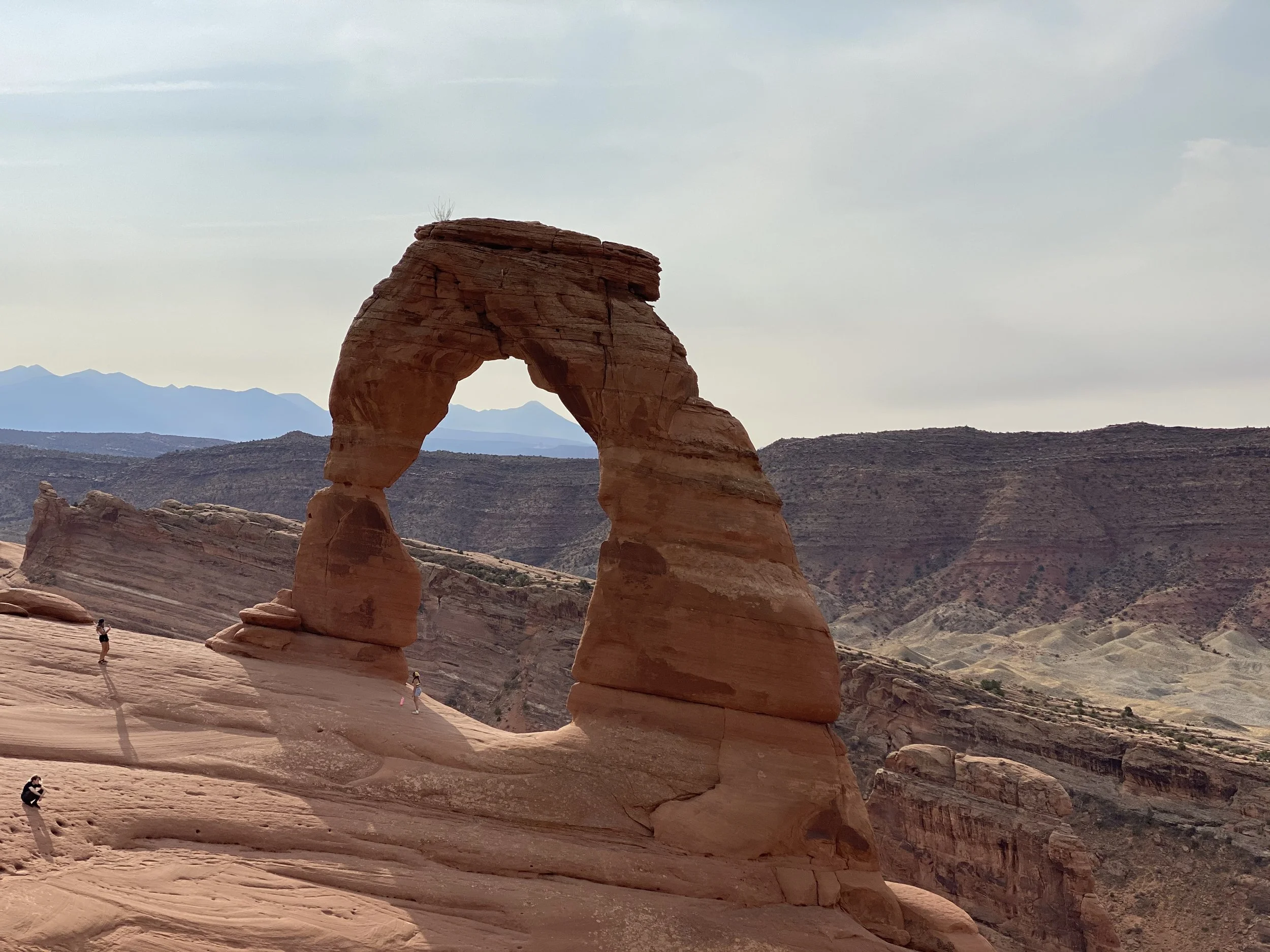
The hike that earns the cliché of "the photo you've seen on the Utah license plate" is Delicate Arch — three miles round trip, 480 feet of elevation gain, with the iconic arch arriving at the end like a stage reveal. Go at sunrise. The light at sunset is more famous, but the crowds at sunrise are roughly a quarter of what they are at golden hour, and the rock glows in the same way. Devils Garden is the longer, more rewarding option in Arches — up to seven miles depending on the loop, taking in Landscape Arch (the longest natural arch in North America at 306 feet) and Double O Arch. Park Avenue is the easiest meaningful hike in the park — one mile point-to-point through a corridor of monolithic walls — and works particularly well for travelers with younger children or those acclimatizing to the altitude.
Canyonlands National Park is the larger, quieter, more dramatic park forty-five minutes from town. The Island in the Sky district is the most accessible — drive to Mesa Arch for sunrise (this is the photograph you've seen of the sun glowing through a small arch above a canyon), and walk the half-mile loop to Grand View Point for the view that gave the park its name. Upheaval Dome is the geological mystery — a circular crater of unknown origin (impact, salt dome, or both, depending on which geologist you ask) — and the hike is short and worth it.
Outside the parks, Corona Arch is the best free hike in Moab — three miles round trip on BLM land along Potash Road, with an arch that rivals anything in Arches and a fraction of the crowds. The Fisher Towers trail along Highway 128 (right past Sorrel River Ranch) is the local favorite — 4.4 miles round trip through and around a series of red sandstone spires that look like cathedral architecture made of clay.
For a longer day, Cathedral Lake in the La Sal Mountains is the alpine counterpoint — a 5.6-mile out-and-back at 11,000 feet of elevation that gives you a complete reset from the desert and is at its best in late September when the aspens turn.
Read our full guide on best hikes in Moab. For more on hiking in this region, our guide to hiking around Aspen covers the same for our home valley.
Rafting the Colorado River
The Colorado River runs directly past Moab, and the section that most travelers ride is locally known as the Moab Daily — a thirteen-mile stretch along the Fisher Towers run, framed by the same red spires you'd hike to on foot. The rapids are Class I to III depending on the season — splashy and fun without being intimidating — with calm stretches between them that are good for swimming. Spring (April–June) brings the highest water and the most exciting rapids; July and August run mellower; September is the sweet spot for warm water and quieter trips.
A few operators we'd send a friend to:
Red River Adventures has been running the Daily since 2003 and operates with a maximum of eight guests per raft, which is a meaningfully different experience from the larger commercial operators. Their full-day Fisher Towers trip is the editorial pick if you want the most engaging, smallest-group format.
Wild West Voyages is the boutique alternative — half-day shared trips at $99 per person, full-day at around $148, plus the option to tag along in an inflatable kayak alongside the raft if you want to paddle yourself. Their private charter rates are competitive for groups of four to eight.
Moab Adventure Center is the largest commercial operator and the right answer if you want a full day with a riverside BBQ lunch included, or if you're combining rafting with a Hummer safari and an Arches tour as a package.
For multi-day expeditions, Cataract Canyon through Canyonlands National Park is the legendary trip — two to six days through some of the largest whitewater on the Colorado, with riverside camping under the stars. Western River Expeditions and OARS are the established operators here, both with sixty-plus years of running Cataract.
A note on age minimums: most of the Daily section is open to children five and up. Westwater and Cataract Canyon trips typically require a minimum age of twelve to sixteen depending on the season.
ATV and UTV Tours: Hell's Revenge
Hell's Revenge is the most famous off-road trail in Moab and arguably in the United States — a 6.5-mile loop of slickrock fins, climbs, descents, and named obstacles (Hell's Gate, the Tip-Over Challenge, the Escalator, Mickey's Tubs, the Hot Tubs) that has been the centerpiece of the Easter Jeep Safari since the 1970s and was officially designated a National Recreation Trail in 2024. The trail is best experienced in a UTV side-by-side rather than on foot — the fins and steep grades are why people come — and the right way to do it for a first-time visitor is with a guide.
Moab Tour Company is the most-reviewed operator on the trail with twenty-plus years of operation, and their three-hour Hell's Revenge / Fins & Things UTV tour is the editorial pick — Polaris RZR, Kawasaki KRX, and Can-Am X3 fleet, you-drive with an expert guide leading. Sunset departures are the most photogenic; morning departures are the coolest temperature-wise in summer.
High Point Hummer & ATV has been operating since 1999 and is the most established Hummer-tour outfit in town — the right answer if you'd rather sit back and let a professional driver handle the obstacles in their Hummer H1 while you take in the views. They also run you-drive UTV tours on the same trail.
Moab Tourism Center has the highest TripAdvisor review volume in the area and runs you-drive UTV tours on Hell's Revenge alongside scenic Arches narrated tours — a useful operator if you want both adrenaline and educational content in the same trip.
For travelers who want the most extreme version of the experience, Xtreme 4x4 Tours runs guided rides up and down the Escalator obstacle in a custom Monster Buggy with five-point harnesses, a feat very few operators attempt. Book months in advance for spring or fall.
A practical note: most operators require drivers to be 18+ with a valid license (some require 21+). Children can ride along in passenger seats with a parent. Goggles, helmets, and a water bottle cooler are typically included; bring a buff or bandana — the desert dust kicks up.
Other Activities Worth a Half Day
Dead Horse Point State Park is the underrated alternative to Canyonlands — a 5,000-foot mesa with a 270-degree view of the Colorado River bending through the canyon, ten minutes closer to town than Island in the Sky and dramatically less crowded. Sunset here is one of the best in the region.
Horseback riding is genuinely good in Moab if you stay at Sorrel River Ranch — the equestrian program runs guided trail rides directly off the property along the Colorado River, and the horses are well-cared-for and matched to ability.
Hot air balloon rides at sunrise over the red rock are a niche but extraordinary experience. Canyonlands Ballooning is the local operator. Book months ahead and accept that weather will reschedule you at least once.
Spanish Valley Vineyards — yes, Moab has a winery, and the high-desert reds are surprisingly credible. A short drive south of town, worth a tasting between hikes.
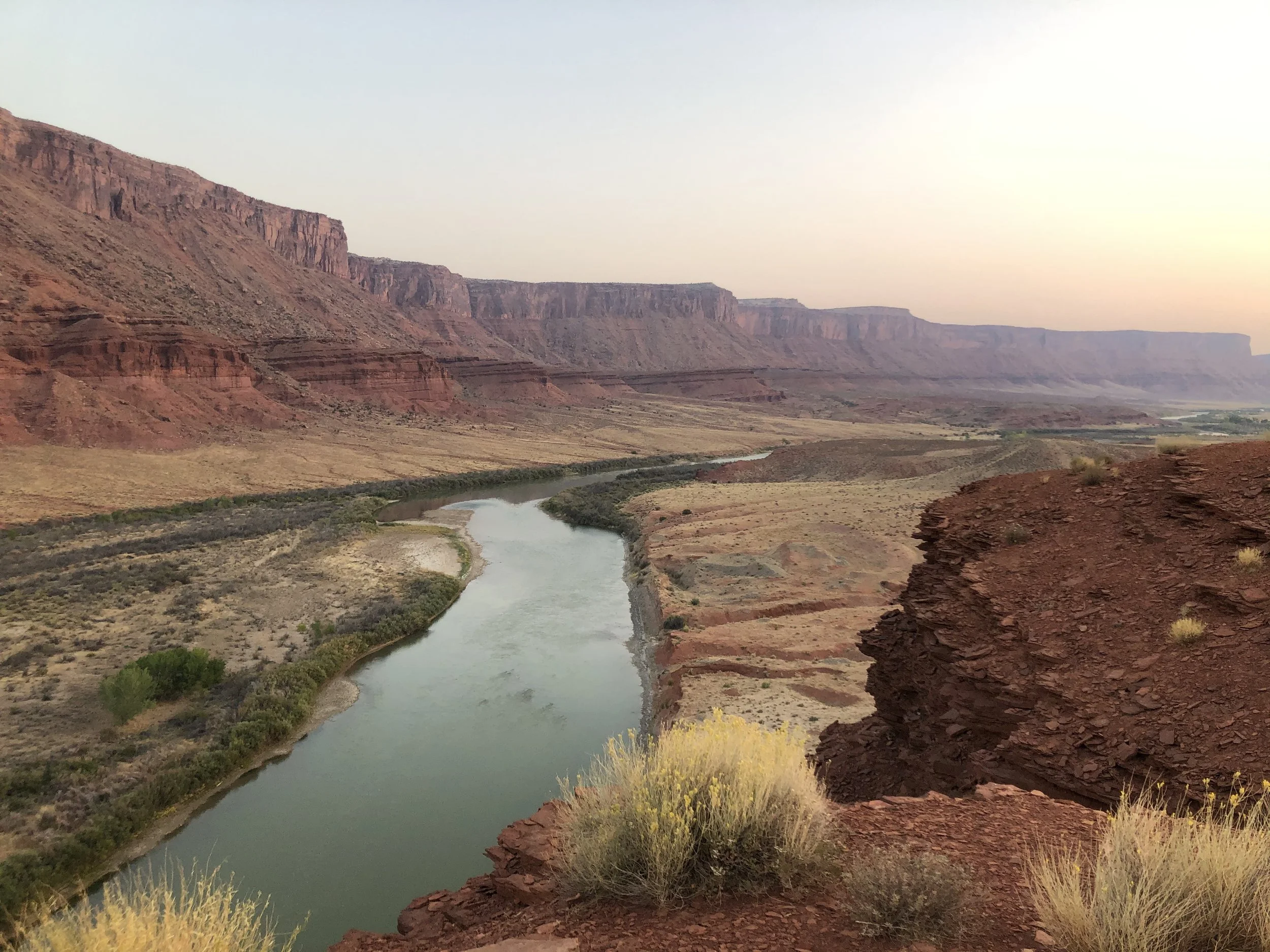
When to Visit Moab
The week you choose decides nearly everything about the trip.
April through May is the classic window — wildflowers blooming in the desert, daytime highs in the 70s and 80s, manageable river flows, and the parks at their most photogenic. This is the busiest stretch of the year alongside fall, so book accommodation and Arches reservations three to four months ahead.
June brings the heat — daytime highs frequently exceed 100°F — but it's also the best month for rafting because the river is running at its highest from snowmelt. If you can tolerate the temperatures and hike at dawn, June trips reward you with the river at its biggest and the parks at their quietest.
July and August are uncomfortable. We don't recommend Moab in midsummer for a casual trip — the heat is genuinely punishing, the parks are at peak crowd levels, and you'll spend half the day waiting for it to be cool enough to do anything. ULUM and Under Canvas tents do not have full air conditioning (ULUM has evaporative cooling, Under Canvas relies on misting and fans), which becomes a meaningful issue in July. If you must travel then, stay at Sorrel River Ranch where the rooms have proper AC.
September through October is the best window of the year — daytime highs in the 70s and 80s, cooler evenings, the parks emptying out after Labor Day, and the aspens in the La Sal Mountains turning gold by late September. This is when we go.
November through March is the quiet season. ULUM and Under Canvas are closed for the winter (Under Canvas reopens in early March, ULUM in early April). Sorrel River Ranch operates year-round. Winter days are mild and dry, the parks are nearly empty, and you can hike Delicate Arch in solitude — but evening temperatures drop below freezing, the La Sal Mountains may be skiable, and most river outfitters are closed.
How to Get to Moab
Moab is more remote than its reputation suggests. The two practical routes:
Salt Lake City International (SLC) is the largest nearby airport, about four hours by car. Most Boujist readers will route through here. Rental car is essential.
Grand Junction Regional (GJT) in Colorado is the underrated alternative, about ninety minutes from Moab. Smaller airport, fewer flights, but a much shorter drive.
Canyonlands Regional (CNY) is the local airport, twenty minutes from town. Limited service, mostly seasonal connections from Salt Lake City and Denver, but the right answer if your dates align.
For travelers combining Moab with the Colorado side of the Rockies, the drive from Aspen is roughly five hours through Glenwood Springs and Grand Junction — the most scenic land approach to Moab. See our Aspen travel guide for that side of the trip.
A Sample Four-Day Moab Itinerary
Day One: Arrive, check in, sunset at Dead Horse Point State Park. Dinner at the River Grill if you're at Sorrel, or at Trailhead Public House in town.
Day Two: Sunrise hike to Delicate Arch in Arches National Park. Brunch back at the hotel. Afternoon: half-day Colorado River rafting on the Fisher Towers section. Dinner in town.
Day Three: Morning at Canyonlands — Mesa Arch at sunrise, Grand View Point, and Upheaval Dome. Afternoon: spa, pool, and recovery. Sunset back at Dead Horse Point if you missed it day one, or stay on property.
Day Four: Hell's Revenge UTV tour in the morning. Afternoon hike to Corona Arch. Final dinner in town or on property.
This compresses the highlights without rushing them. Five nights gives you a more relaxed pace and one extra adventure day for horseback riding, a longer hike, or a second day on the river.
Frequently Asked Questions
Where should you stay in Moab?
Sorrel River Ranch for full-service luxury and a riverside setting, ULUM Moab for elevated glamping with serious dining, and Under Canvas Moab for classic glamping closer to Arches. The right answer depends on whether you prioritize traditional resort amenities, design-led food and wellness, or proximity to the parks.
Is Moab worth visiting?
Yes — without qualification. Moab combines two of the most photogenic national parks in the country (Arches and Canyonlands) with the Colorado River and an unmatched off-road trail system, all within twenty minutes of a small, walkable town with credible restaurants. It's the closest the United States comes to a true red rock destination on the scale of the Australian outback or the Atlas foothills.
How many days do you need in Moab?
Three nights minimum to see Arches and Canyonlands and do one half-day adventure (rafting or UTV). Four to five nights is the sweet spot — enough to add a day on horseback or a longer hike to Corona Arch, with one day deliberately unplanned. A week works well if you're combining Moab with broader Utah travel.
Do you need a rental car in Moab?
Yes. There is no rideshare infrastructure to speak of, and the hotels are all outside walking distance of town. A standard SUV is sufficient — you do not need a 4x4 unless you plan to drive Hell's Revenge yourself, and even then most operators provide the vehicles.
Is Moab good for families?
Yes, with the right hotel. Sorrel River Ranch is the strongest pick for families — the equestrian program, petting zoo, riverfront access, and full pool work for children of all ages. Under Canvas Moab's Suite with Kids Tent is the best family glamping configuration in the area. ULUM is more couple-oriented but works for families with older children.
When should you book Moab?
For April–May or September–October trips, book hotels three to four months out and Arches timed-entry reservations on the day they release for your month (currently four months in advance). For peak weekends, six months ahead is not excessive.
Related Reading
The Best Hotels in Aspen: A Curated Guide
Maroon Bells: Everything You Need to Know
The Boujist is independently owned and operated. We accept no paid placements. Some links in this guide are affiliate links — we may earn a small commission if you book through them, at no cost to you. We only recommend properties and operators we would book ourselves.