New Orleans Travel Guide (2026): Where to Stay, Eat & What to Do
There are cities you visit and cities that get under your skin. New Orleans is firmly in the second category. The food alone is reason enough to come — a cuisine so specific and so deeply rooted in French, Spanish, African, and Caribbean traditions that it exists almost nowhere else on earth. Add the architecture, the music that seeps out of every bar and restaurant, and an atmosphere of genuine hedonism that never feels cheap, and you have one of the most rewarding trips you can take without leaving the country.
We approach New Orleans the way we approach everywhere: with strong opinions, a willingness to walk, and a preference for the places that have been doing it right for decades over whatever opened last month. Here is our guide to the city.
Where to Stay
New Orleans is a city of neighborhoods, and where you stay shapes the entire trip. The French Quarter is the obvious choice for a first visit — walkable, atmospheric, and close to everything. But for a more considered luxury stay, the Garden District is where the city’s best hotels have quietly concentrated.
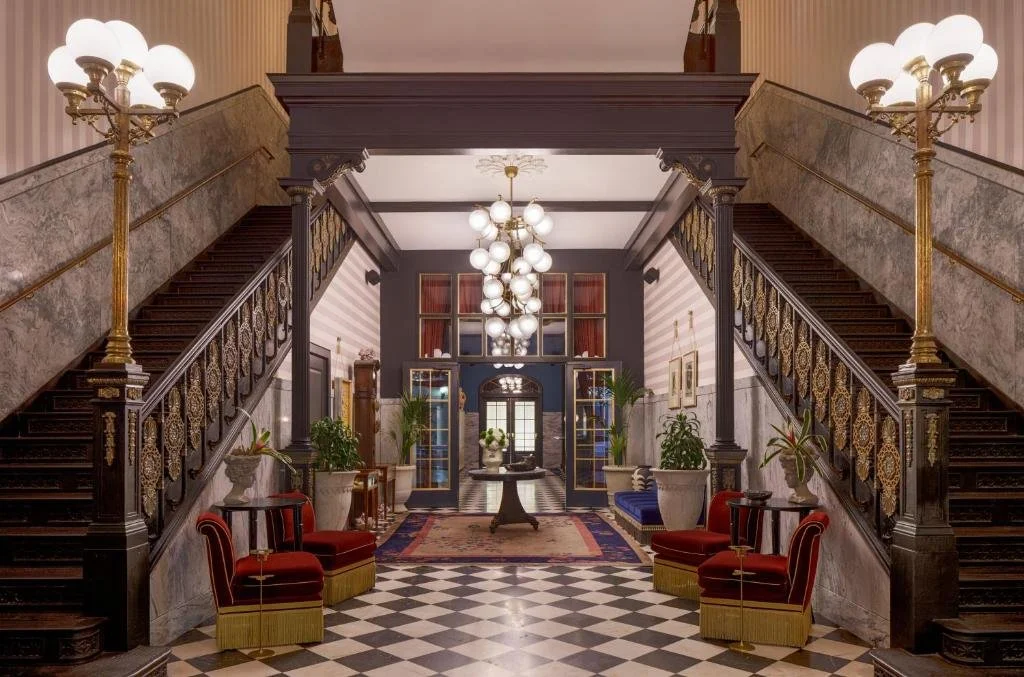
Maison Metier — The most beautiful hotel in New Orleans and one of the finest boutique properties in the American South. Set in a meticulously restored 1920s building in the Central Business District, every room is different and the interiors are the kind of moody, maximalist Southern gothic that makes you want to spend the whole trip inside. The Bar Marilou in the basement is one of the best bars in the city.
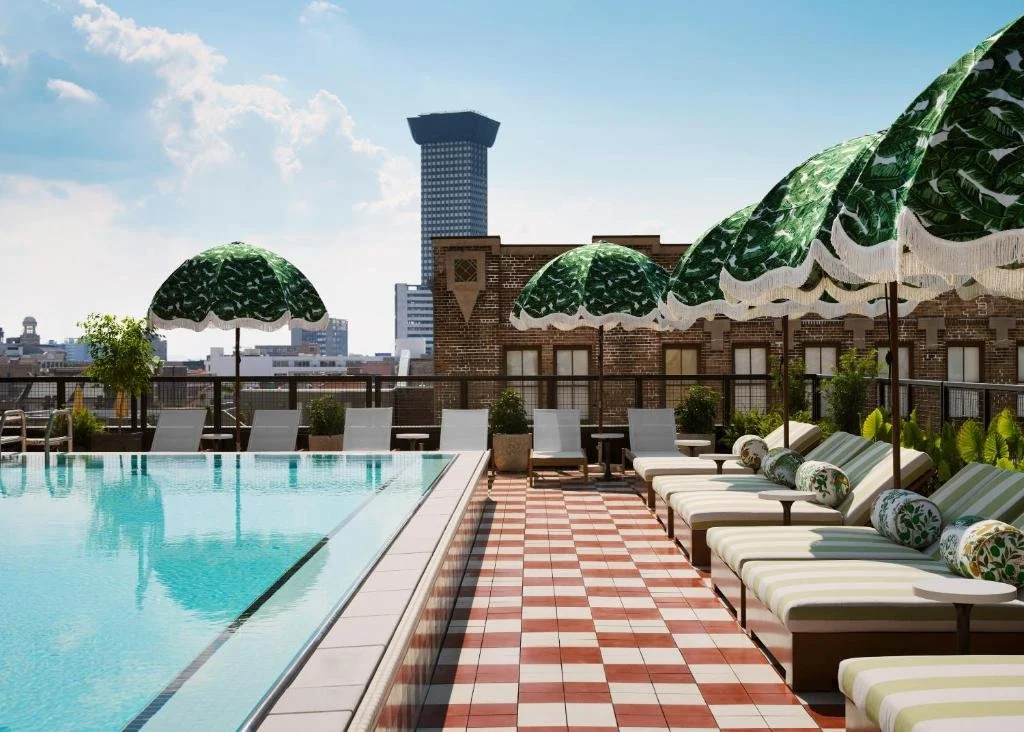
Memoir Warehouse District — An edgy cool option in the warehouse district of New Orleans. The cocktails by the pool on a warm evening are not to be missed.
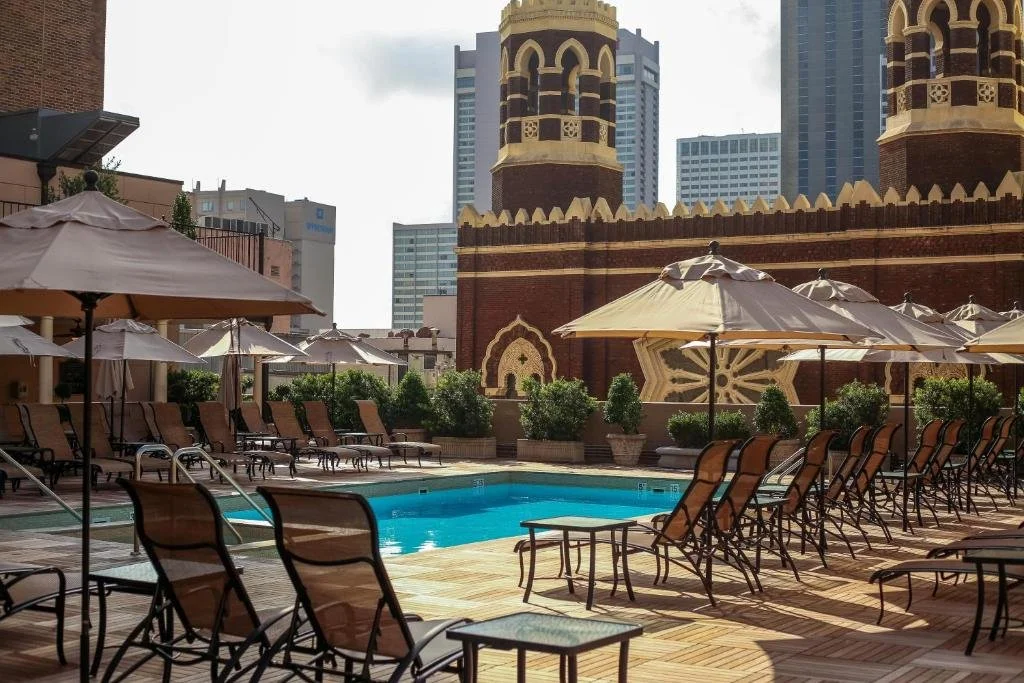
The Roosevelt New Orleans, A Waldorf Astoria Hotel — For those who want the full grand hotel experience, The Roosevelt is the answer. The Sazerac Bar is a New Orleans institution, the lobby is theatrical in the best possible way, and the service is impeccable. If you’re bringing kids or want the security of a known brand executed exceptionally well, this is the choice.
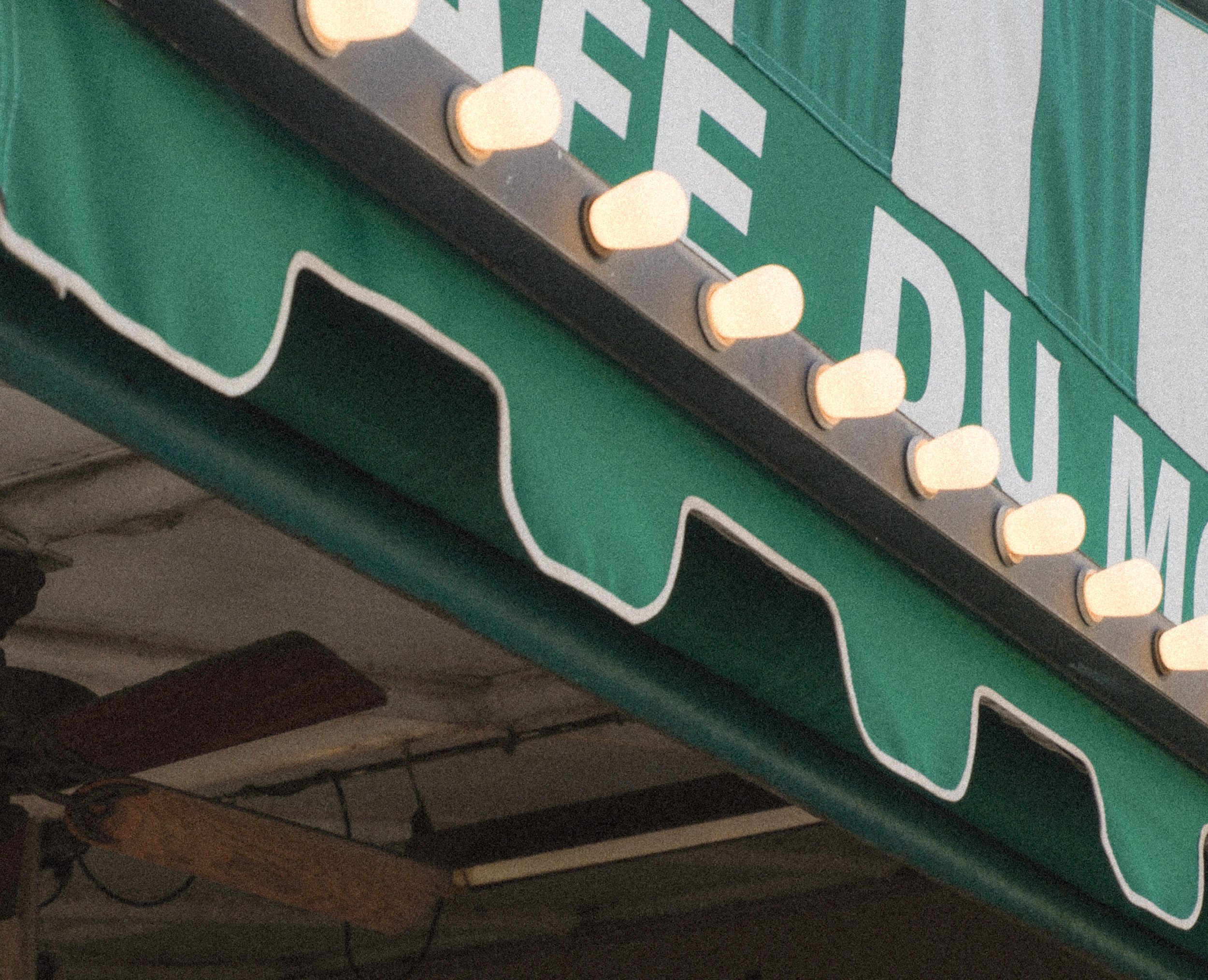
Best Brunch
New Orleans invented the weekend brunch and takes it more seriously than almost anywhere in the country.
Commander’s Palace— Washington Avenue, Garden District
There is no brunch in America quite like Commander’s Palace on a Saturday or Sunday. The dining room is a theatrical exercise in Southern hospitality — white tablecloths, tuxedoed servers, and a menu that has anchored New Orleans cuisine for over a century. The turtle soup, the bread pudding soufflé, and the 25-cent martinis at brunch are the things people talk about for years. Book well in advance — this is not a walk-in situation. Dress code applies. It is everything a proper New Orleans brunch should be.
Best Lunch
Red Dog Diner — A counterpoint to Commander’s Palace and all the better for it. Where Commander’s Palace is formal and celebratory, Red Dog is neighbourhood, genuine, and the kind of place locals actually eat on a Sunday morning. Good coffee, proper eggs, and the easy atmosphere of a place that doesn’t need to try. Ideal for the morning after a long night, or for when you want to eat like a New Orleanian rather than a tourist.
Lilette — 3637 Magazine Street, Garden District
Lilette does something quietly remarkable: it has been one of the best restaurants in New Orleans since chef John Harris opened it in 2001 and it still feels entirely current. Set in a restored 1800s corner drugstore on Magazine Street — plate-glass windows, cream banquettes, wine-colored walls that shift from sunny to romantic as the afternoon turns to evening — it is worth visiting for lunch and worth returning to for dinner. The hanger steak is the thing people talk about for years. The bouillabaisse and the duck confit have been on the menu since the beginning because they are exactly right and there is no reason to change them. Travel + Leisure called it the sexiest dining room in New Orleans, and that assessment holds. Book through Resy.
Coquette — 2800 Magazine Street, Garden District
Coquette is a Michelin-starred restaurant in a late 1880s building on Magazine Street that manages to be simultaneously one of the most serious restaurants in the city and one of the most relaxed. Chef Michael Stoltzfus changes the menu daily, which keeps regulars coming back and makes every visit slightly different. The five-course blind tasting menu — where you put yourself in the kitchen’s hands — is the right way to experience it for the first time. The shrimp toast and the ricotta pillows have become signature dishes despite the rotating menu, which tells you something about how good they are. The chandeliers, the massive windows overlooking Magazine Street, and the two-story space give the room a grandeur that never tips into formality. Multiple James Beard nominations and a loyal local following since 2008. Book well in advance.
Best Dinner
Herbsaint— St. Charles Avenue, Central Business District
Donald Link’s flagship restaurant is the dinner reservation in New Orleans for anyone who takes food seriously. Open since 2000 and still one of the most consistently excellent restaurants in the South, Herbsaint occupies a sweet spot between French bistro and Louisiana cooking that is entirely its own. The pasta dishes — particularly the half duck leg confit with dirty rice — are among the best things you’ll eat in the city. The room is warm without being precious, the service is knowing without being stiff, and the wine list rewards exploration. This is the kind of restaurant that reminds you why New Orleans has always been a serious food city.
Lilette —
If you visited Lilette for lunch, come back in the evening. The room transforms completely after dark — the same space becomes genuinely romantic, the menu deepens, and the pace slows. The bouillabaisse is the dish to order if it’s on the menu. Start next door at Bouligny Tavern, Harris’s adjacent wine bar in a century-old New Orleans cottage, for a cocktail before you sit down. The two together make one of the best evenings you can have on Magazine Street.
Galatoire’s — Bourbon Street, French Quarter
Every serious New Orleans food conversation eventually includes Galatoire’s, and it deserves its reputation. Open since 1905 and largely unchanged since then — white tablecloths, mirrored walls, ceiling fans, tuxedoed waiters who have been there for decades — it is the purest expression of what a New Orleans dining institution actually looks like. The Friday lunch is legendary and goes on for hours. For dinner, the shrimp remoulade, the trout meunière, and the soufflé potatoes are the dishes that have defined the restaurant for more than a century. Book the upstairs for a quieter experience; the downstairs main room is louder and more theatrical.
Pre-Dinner Drinks
The Columns Hotel — St. Charles Avenue, Garden District
Few places in New Orleans are as good as the Columns on a warm evening. The Victorian mansion’s front porch, looking out over St. Charles Avenue with the streetcar rattling past, is the most romantic spot in the city for a cocktail. The atmosphere is unhurried in a way that feels genuinely Southern — no one is rushing you, the drinks are properly made, and the clientele skews local. Order a Sazerac or a Pimm’s Cup and stay longer than you planned. This is the real New Orleans, not the performative version.
What to Do
The Garden District on Foot
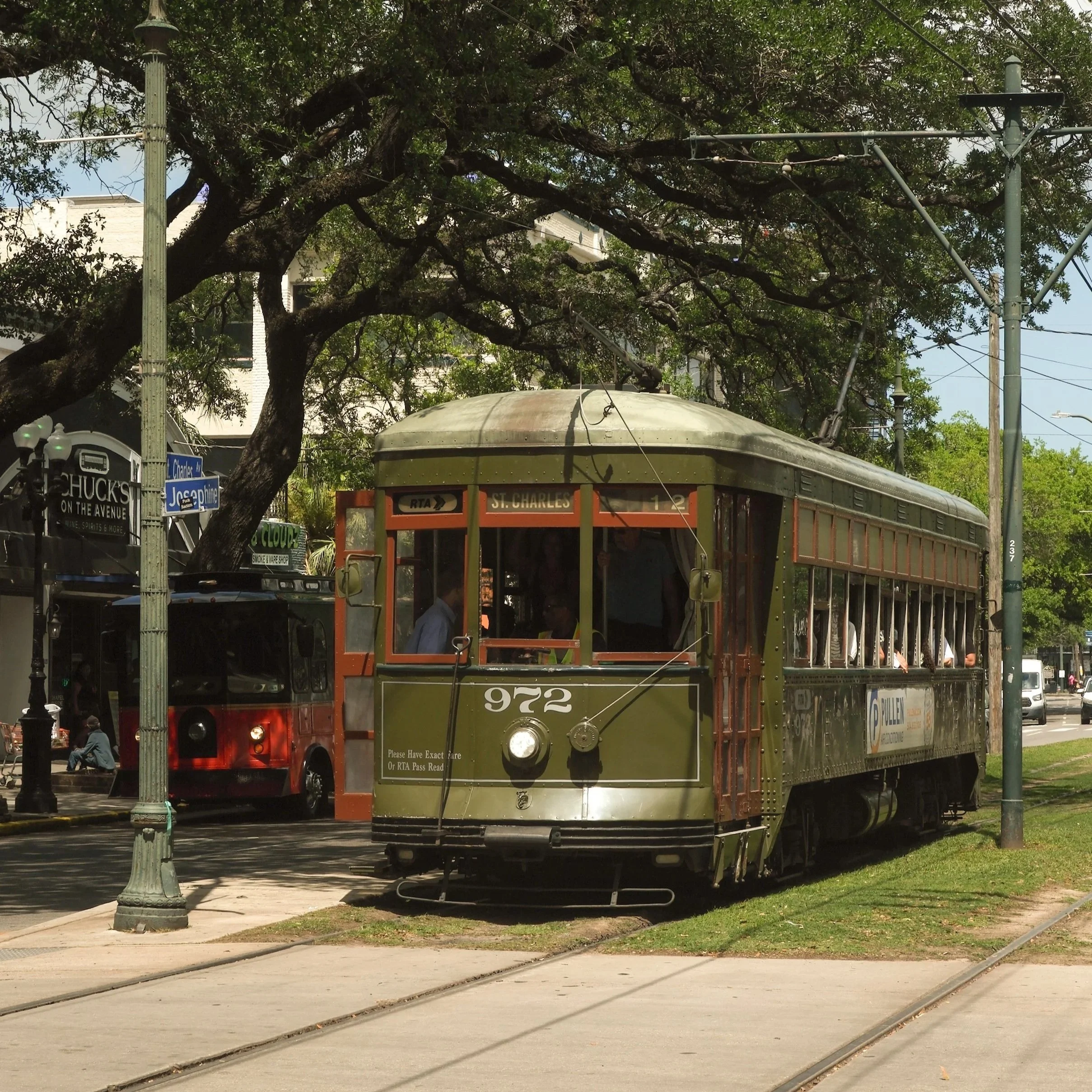
The single best thing you can do in New Orleans is walk the Garden District. St. Charles Avenue from Audubon Park toward the CBD passes some of the most extraordinary residential architecture in the country — Greek Revival and Italianate mansions behind iron fences, live oaks draped with Spanish moss, and the occasional glimpse of a garden that looks untouched since 1890. Take the St. Charles streetcar back and you have done New Orleans correctly.
Frenchmen Street at Night
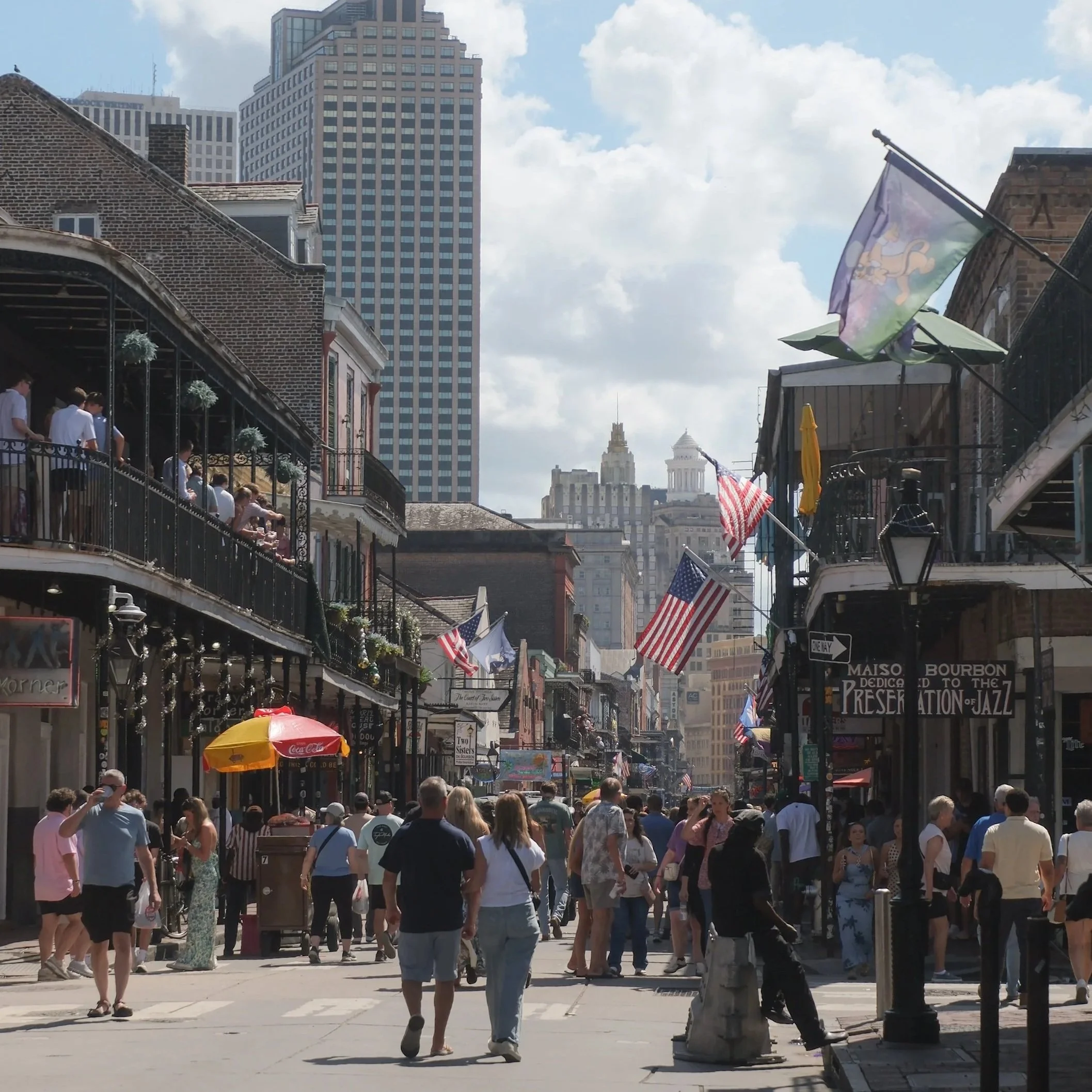
Bourbon Street is for tourists. Frenchmen Street, just outside the French Quarter in the Faubourg Marigny, is where the actual music is. Three or four venues within a few blocks of each other, all with live jazz every night, and an atmosphere that feels like what New Orleans looked like before it knew it was famous. Walk the street, listen, go in when something catches you, and don’t make a plan.
The National WWII Museum
New Orleans is home to what is widely considered the finest museum in the United States on any subject. The National WWII Museum is extraordinary — immersive, emotionally intelligent, and exhaustive without being exhausting. Allow a full day. It will be one of the best museum experiences you have ever had.
St. Louis Cathedral and Jackson Square
The oldest continuously active cathedral in the United States anchors Jackson Square, which is the most photographed and most atmospheric public space in New Orleans. Come in the morning before the crowds arrive, when the light is good and the street performers haven’t yet set up.
What to Know
New Orleans is best visited in spring (March through May) or fall (October through November). Summer is genuinely brutal — the heat and humidity are unrelenting and the city smells less charming in August than it does in October. Mardi Gras is extraordinary if you know what you’re doing, but requires advance planning and a high tolerance for crowds. Jazz Fest in late April and early May is the ideal time to visit — the weather is perfect, the city is alive, and the festival itself is a genuinely world-class event.
The city is walkable in some neighborhoods and completely non-walkable in others. The Garden District, French Quarter, and Marigny reward walking. Getting between them requires an Uber or the streetcar. Do not underestimate the streetcar — the St. Charles line is one of the most pleasant forms of urban transit in the country.
New Orleans is safe in the areas tourists frequent, particularly during the day. The usual urban common sense applies.
The Honest Take
New Orleans rewards those who approach it slowly. The instinct is to cram in as much as possible — more restaurants, more bars, more neighborhoods. The better approach is to settle into fewer things more deeply. A long lunch at Commander’s Palace. A full evening on Frenchmen Street. A morning walk through the Garden District with nowhere to be. The city reveals itself to people who give it time, and resists those who try to consume it on a schedule.
Come for the food first. Leave having understood why people who visit once tend to keep coming back.