Big Island Travel Guide (2026): Where to Stay, Eat & Explore
The Big Island is Hawaii's most rewarding island for travelers who want more than a beach: the Kona-Kohala Coast holds the state's densest collection of flagship resorts — Four Seasons Hualalai, Mauna Lani, and Kona Village among them — while the rest of the island delivers an active volcano, a 13,800-foot summit, black and green sand beaches, and the best manta ray snorkeling in the world. Plan five to seven nights, base yourself on the sunny Kona side, rent a car, and treat the Hilo side and Volcanoes National Park as a full-day expedition or a one-night detour.
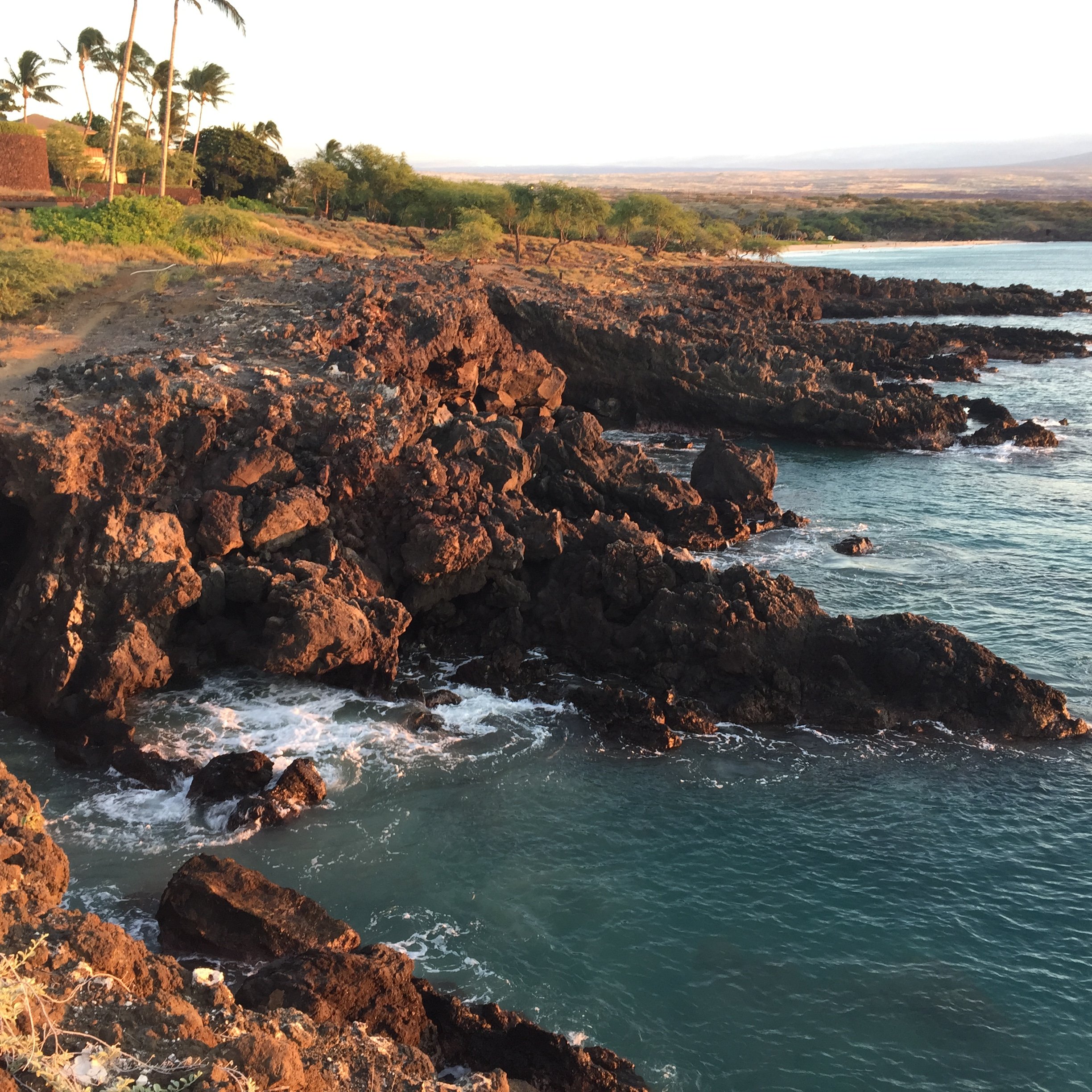
The Big Island doesn't look like the Hawaii of postcards, and that's exactly the point. Fly into Kona and the first thing you see is black lava rock stretching to the horizon — miles of it, punctuated by white coral graffiti along the highway and, improbably, some of the most exclusive resorts in America tucked into green oases at the water's edge. It's younger, stranger, and more dramatic than any other Hawaiian island, and for travelers making a return trip to Hawaii — or for first-timers who care more about landscapes and resorts than nightlife — we think it's the connoisseur's choice. This guide covers how the island is laid out, where to stay, what's genuinely worth your time, and how to structure a trip. As with everything we publish, nothing here is sponsored and no stay was comped.
Getting Oriented: Two Sides of the Island
The Big Island is bigger than all the other Hawaiian islands combined, and it behaves like two destinations. The Kona side (the western half) is sunny, dry, and where virtually all of the resorts, beaches, and visitor infrastructure sit. The lava fields north of Kona along the Kohala Coast hold the flagship resort corridor; the town of Kailua-Kona itself is more casual — older hotels, condos, coffee farms in the hills above. The Hilo side (the eastern half) is the rainforest: waterfalls, botanical gardens, a wonderfully untouristed old sugar town, and near-daily rain, which is why almost no one stays there long. Hawaii Volcanoes National Park sits in the island's southeast corner, roughly two to two and a half hours' drive from the Kohala resorts. Distances here are real — this is not an island you circle on a whim — so it pays to plan your days by region rather than crisscrossing.
Where to Stay
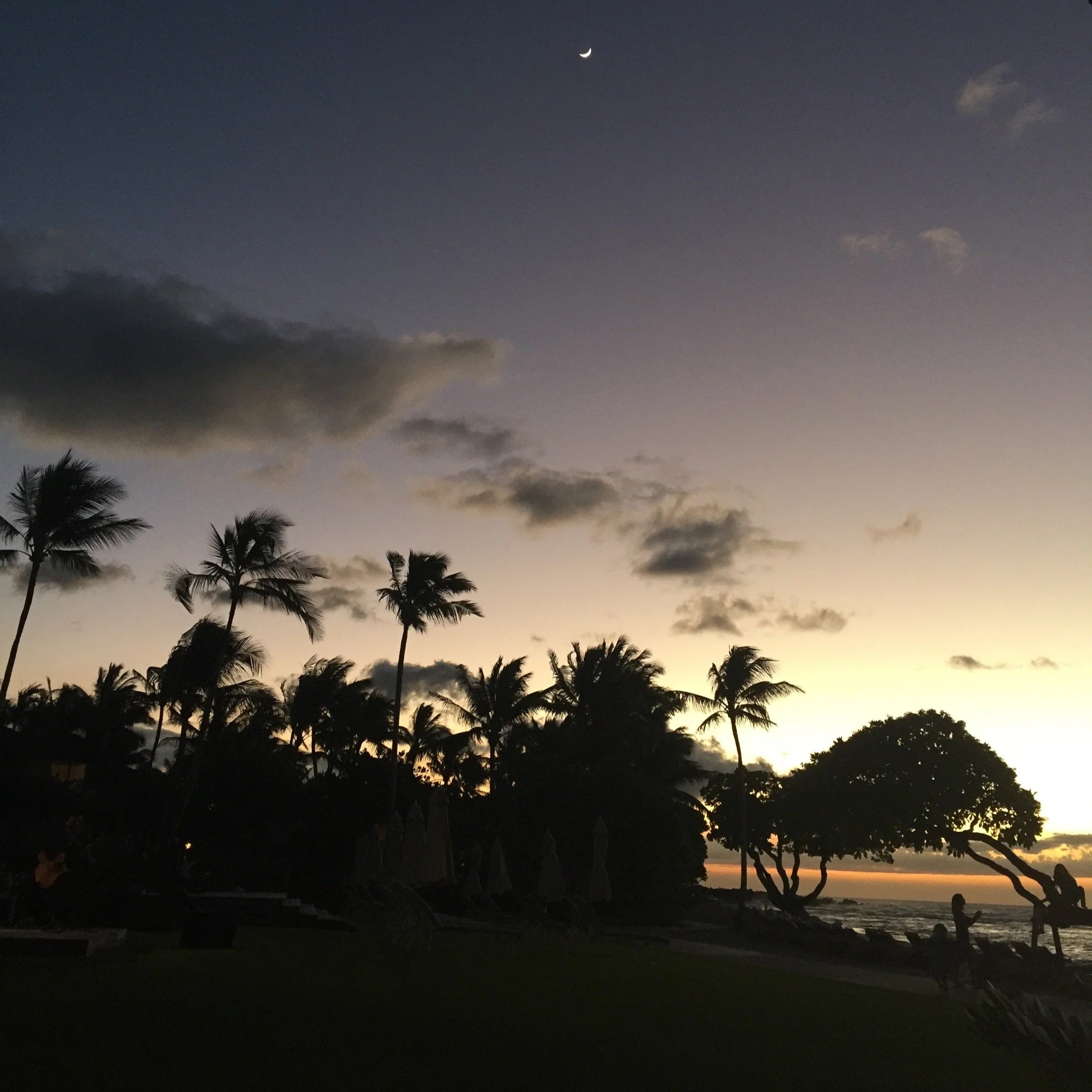
Sunset at Four Seasons Hualalai, one of the best resorts in Hawaii.
For a luxury trip, the decision is straightforward: stay on the Kona-Kohala Coast. This single stretch of shoreline holds Four Seasons Hualalai — the resort many consider the best in the state — along with Mauna Lani, Auberge Resorts Collection, reborn after a $200 million renovation; Kona Village, A Rosewood Resort, the storied hideaway rebuilt from the ground up; and the Mauna Kea Beach Hotel, Laurance Rockefeller's 1965 original, which still owns the finest resort beach on the island at Kauna'oa Bay. Each has a distinct personality, a different answer to the family-versus-couples question, and a meaningfully different price point, and choosing among them is the single biggest decision of the trip. We break down the full flagship tier — who each resort is for, what it costs, and where we'd book — in our guide to the best hotels on the Big Island and the 10 Best Hotels in Hawaii.
If your trip includes a Maui leg — and with a thirty-minute inter-island flight, pairing the two islands makes one of the great American luxury itineraries — our guide to the best hotels on Maui covers the Wailea and Kapalua coasts the same way. And for a stop in Oahu, read our best hotels in Oahu guide.
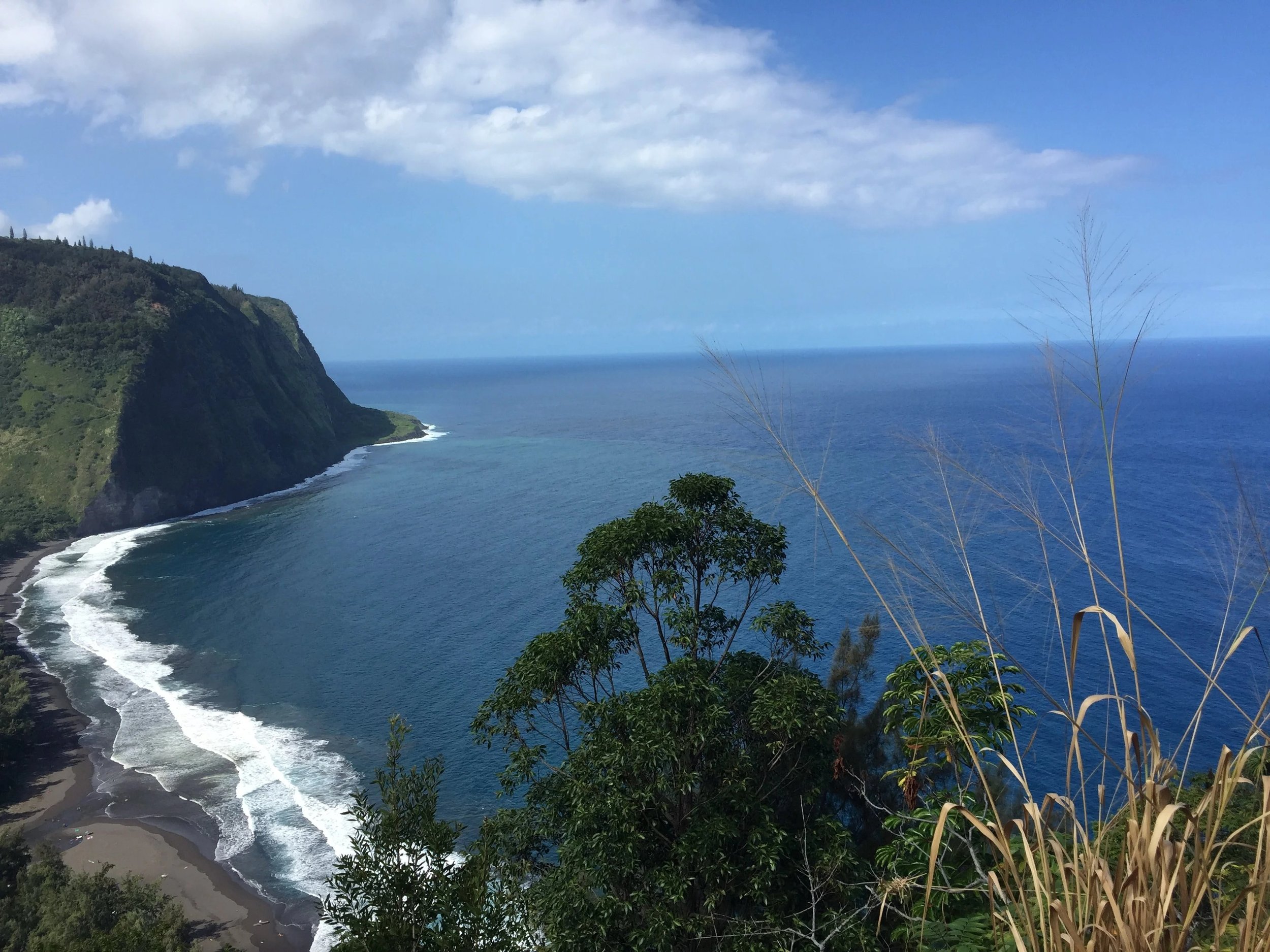
Overlooking Waipo Valley Black Sand Beach
The Best Things to Do on the Big Island
The manta ray night snorkel is the single best thing you can do on this island, and arguably one of the best wildlife experiences in the United States. After dark, boats off the Kona Coast shine lights into the water that attract plankton, and reef manta rays — some with wingspans over ten feet — barrel-roll inches beneath you to feed. It is surreal, safe, and suitable for confident swimmers of most ages. Book with an established operator out of Keauhou or Kona, and book early in your trip so you have weather flexibility to rebook.
Hawaii Volcanoes National Park is the island's other headline act. Kilauea is one of the most active volcanoes on Earth and erupts episodically; when it's active, the glow from the Halema'uma'u crater at dusk is unforgettable, and even in quiet periods the park delivers — steam vents, the Thurston lava tube, the Chain of Craters Road descending through decades of hardened flows to the sea. Check the park's website for current eruption status before you go, and plan it as a full day from the Kohala Coast or, better, pair it with a night in Volcano Village or Hilo.
Mauna Kea rises 13,803 feet above the Pacific, high enough for snow in winter and for some of the clearest stargazing on the planet. The visitor station at 9,200 feet is accessible by standard rental car and hosts spectacular sunsets and star fields; the summit itself requires four-wheel drive and a serious acclimatization stop. Go with a licensed summit tour if you want the top — and be mindful that the mountain is sacred to Native Hawaiians, so tread respectfully.
Kona coffee country sits in the cool hills directly above Kailua-Kona, and a farm tour is a genuinely worthwhile hour: this is one of the few places in America where coffee grows commercially, and tasting it at the source, with the coast spread out below, beats any beach-bar cup. Further north, the paniolo (Hawaiian cowboy) town of Waimea makes a charming lunch stop, and the Pololu Valley lookout at the island's northern tip delivers the dramatic emerald sea-cliff view people associate with Kauai — with a short, steep trail down to a black sand beach for those who want to earn it.
Kealakekua Bay, south of Kona, offers the island's best daytime snorkeling over a protected reef near the Captain Cook monument — most easily reached by morning boat or kayak tour, when the water is glassiest.
The Best Beaches on the Big Island
The Big Island's beaches are better than the lava-field first impression suggests — smaller in number than Maui's, but the best of them stand with anything in the state, and several offer experiences no other island can.
Hapuna Beach is the headliner: a half-mile of wide, white sand on the Kohala Coast that regularly ranks among the best beaches in the country, with easy access, full facilities, and water that runs calm and swimmable most of the summer. Winter can bring real shore break, so time family swims accordingly. Kauna'oa Beach — better known as Mauna Kea Beach, fronting the hotel of the same name just north — is the postcard crescent, a perfect arc of golden sand between two lava points. Public access runs through the hotel's gate via a limited number of daily parking passes, so arrive early or come as a hotel guest.
Makalawena, inside Kekaha Kai State Park north of the airport, is the wild one — a string of powder-white coves backed by dunes, reached by a rough lava road and a twenty-minute walk that filters out the crowds. Bring everything; there are no facilities, and that's the point. Nearby Waialea Bay, known locally as Beach 69, is the quiet family alternative on the Kohala Coast: shade trees to the sand, gentle entry, and some of the coast's best easy snorkeling. Closer to the resorts, the protected cove at Kikaua Point, beside Kukio and Hualalai, is the calmest toddler-friendly swimming on the island, with access managed through a limited daily pass system at the gate.
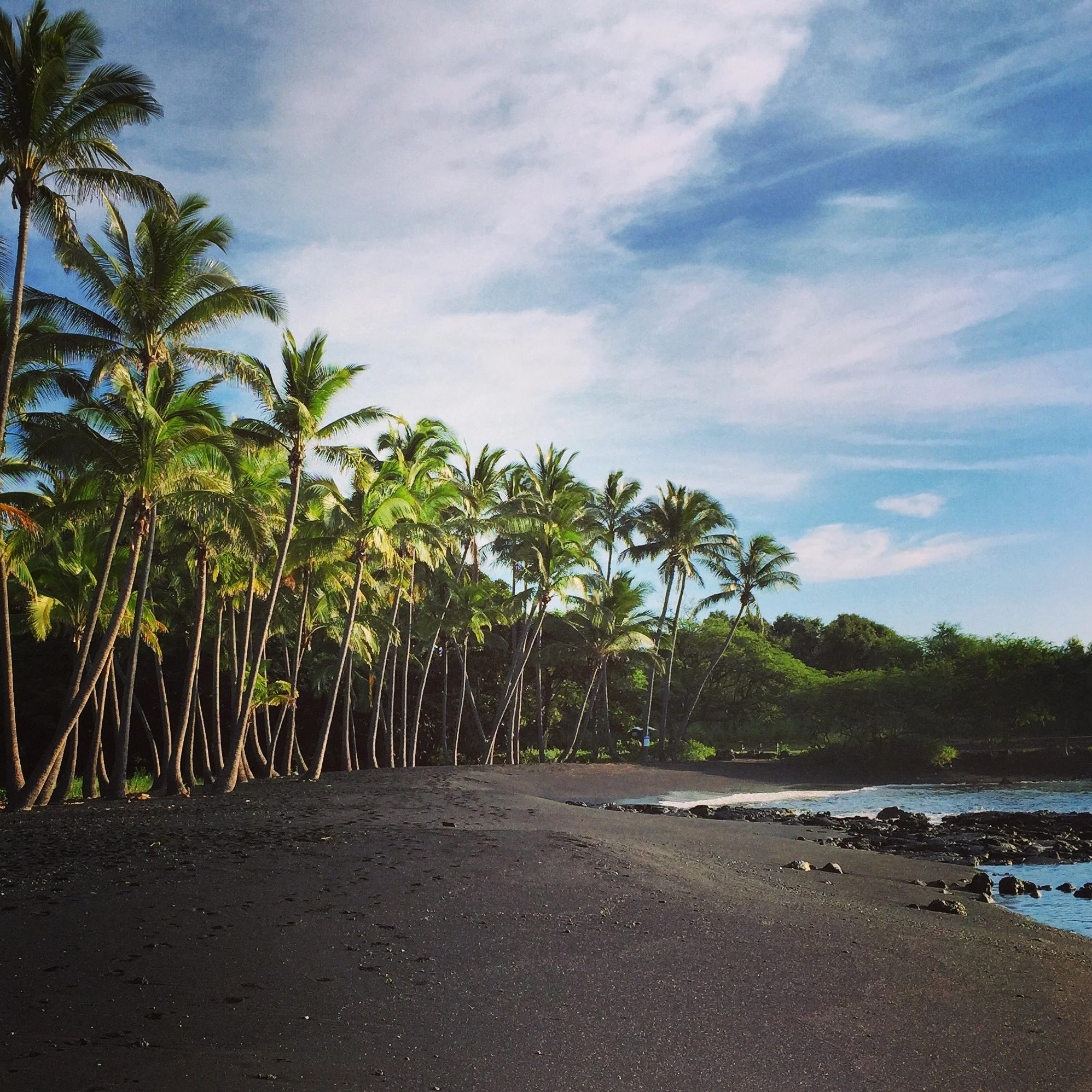
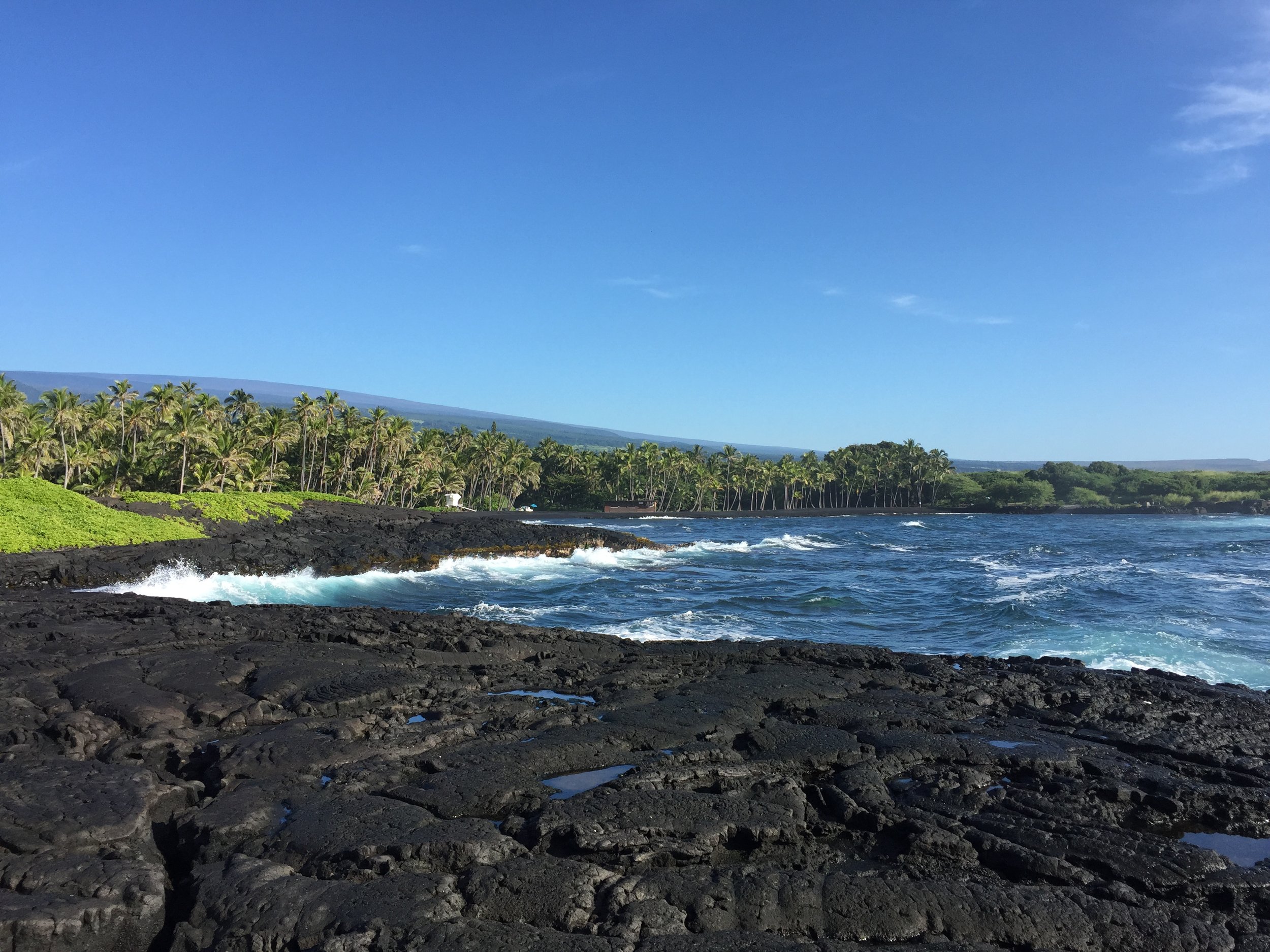
Then there are the beaches that exist almost nowhere else on Earth. Punalu'u, on the island's south end, is the state's most famous black sand beach and nearly guarantees green sea turtles hauled out on the shore — look, photograph, and keep your distance. And Papakōlea, near South Point, is one of only a handful of green sand beaches on the planet, its olivine crescent reached by a hot, exposed, five-mile round-trip hike that keeps it feeling like a discovery. Neither is really a swimming beach; both are unforgettable.
The Best Restaurants on the Big Island
The Big Island's dining scene concentrates in three places — the Kohala Coast resorts, the ranch town of Waimea, and Kailua-Kona — with the Hilo side offering its own local rewards.
On the Kohala Coast, CanoeHouse at Mauna Lani is the special-occasion standard: open-air, directly on the water, and worth booking before your flight lands. 'Ulu Ocean Grill at Four Seasons Hualalai and Manta at the Mauna Kea Beach Hotel both pair serious kitchens with front-row sunset seats — Manta's perch above Kauna'oa Bay may be the best dinner view on the island — and Brown's Beach House at the Fairmont Orchid rounds out the coast's oceanfront fine-dining tier with tiki torches in the sand.
In Waimea, twenty minutes up the hill, Merriman's is the original temple of Hawaii regional cuisine and still delivers, sourcing beef and produce from the ranches and farms that surround it — the shortest farm-to-table distance in the state. It's the best argument on the island for leaving the resort at dinnertime.
In and around Kailua-Kona, keep it casual and local. Umekes and Da Poke Shack serve the best poke on the island — arguably in Hawaii — and an early bowl of either is the correct start to a south Kona day. Huggo's has held its spot on the rocks above Kailua Bay for over fifty years and remains the town's classic sunset table, and the surrounding blocks reward wandering: shave ice, fish tacos, and Kona coffee roasted a few miles upslope.
On the Hilo side, skip fine dining and eat like a local: the Hilo Farmers Market for papaya, apple bananas, and warm malasadas; Suisan Fish Market for poke bowls eaten on the bay; and Two Ladies Kitchen for the strawberry mochi people carry back across the island. It's some of the best casual eating in Hawaii, and it pairs perfectly with a volcano day.
How Many Days, and a Suggested Itinerary
Five nights is the comfortable minimum; seven lets the island breathe. An itinerary we'd recommend: settle into your Kohala Coast resort for the first two days and let the beach and pool do their work, book the manta snorkel for evening two or three, then dedicate one full day to Volcanoes National Park (or split it with a night in Volcano Village), one day to Mauna Kea and Waimea, and one day to south Kona — coffee farms, Kealakekua Bay, and Punalu'u if you're ambitious. Leave the final day unscheduled. The resorts here are destinations in their own right, and the biggest planning mistake on the Big Island is treating them as mere basecamps.
When to Visit
The Kona-Kohala Coast is reliably sunny nearly year-round — it's one of the driest resort coasts in Hawaii — so timing is more about crowds and rates than weather. Mid-April through early June and September through mid-December bring the softest rates of the year at the flagship resorts. Winter carries peak pricing but also humpback whale season, when the Kohala Coast becomes one of the best places in the state to watch whales from shore, and the possibility of snow on Mauna Kea while you swim below. Summer is family high season, with the calmest leeward water of the year.
Getting There and Around
Fly into Kona International Airport (KOA), which sits right on the lava fields twenty to thirty minutes from the Kohala resort corridor and has nonstop service from most major West Coast cities. Hilo (ITO) works only if your trip is volcano-centric. A rental car is non-negotiable: the island is enormous, the best of it lies far beyond the resort gates, and rideshare coverage outside Kona is thin. Book the car when you book the flights — Kona inventory tightens badly in peak weeks.
FAQ
Is the Big Island worth visiting compared to Maui? Yes — especially for return visitors and resort connoisseurs. Maui offers more variety in beaches and dining; the Big Island counters with the state's best flagship resorts, an active volcano, and landscapes found nowhere else in Hawaii. With a week or more, pair them.
How many days do you need on the Big Island? Five nights minimum, seven ideally. The island is larger than all the other Hawaiian islands combined, and its headline experiences — Volcanoes National Park, Mauna Kea, the manta snorkel — each deserve their own day.
Which side of the Big Island should you stay on? The Kona side. The Kona-Kohala Coast holds nearly all of the island's resorts, beaches, and sunshine. The Hilo side is beautiful but rainy, and better as a day trip or a one-night stop paired with Volcanoes National Park.
Is the Big Island good for families? Very. The manta snorkel, sea turtles at Punalu'u, and the volcano are unbeatable for kids, and the flagship resorts — Mauna Lani and Four Seasons Hualalai in particular — run some of the best children's programming in Hawaii.
What is the best beach on the Big Island? Hapuna Beach — a half-mile of white sand on the Kohala Coast that ranks among the best in the country. Kauna'oa (Mauna Kea) Beach is the close runner-up, and Punalu'u's black sand and Papakōlea's green sand offer beaches found almost nowhere else on Earth.
Do you need a car on the Big Island? Absolutely. Distances are the largest in Hawaii, and everything beyond your resort — the national park, Mauna Kea, Waimea, the south-island beaches — requires driving.
Is the volcano safe to visit? Yes. Kilauea's eruptions occur within Hawaii Volcanoes National Park's managed viewing areas, and the park adjusts access in real time. Check the National Park Service site for current conditions before your visit.