Turkey
Most first trips to Turkey should be split between Istanbul and the Aegean coast, and the two halves feel like different countries. Istanbul is a city of restored Ottoman waterfront mansions and Bosphorus views where the best hotels are historic buildings rather than towers. Bodrum, four hours south by road or an hour by air, is the Turkish Riviera at its most polished, with beach clubs, superyachts and a peninsula of quiet bays behind the town. A week split five nights coast and three nights city is the version we would book. Turkey is also one of the best value luxury destinations in the Mediterranean, with five-star rates running meaningfully below equivalent properties in Greece or Italy.
Istanbul or the Coast? Start Here
This is the decision that shapes the whole trip, and most people underestimate how different the two are.
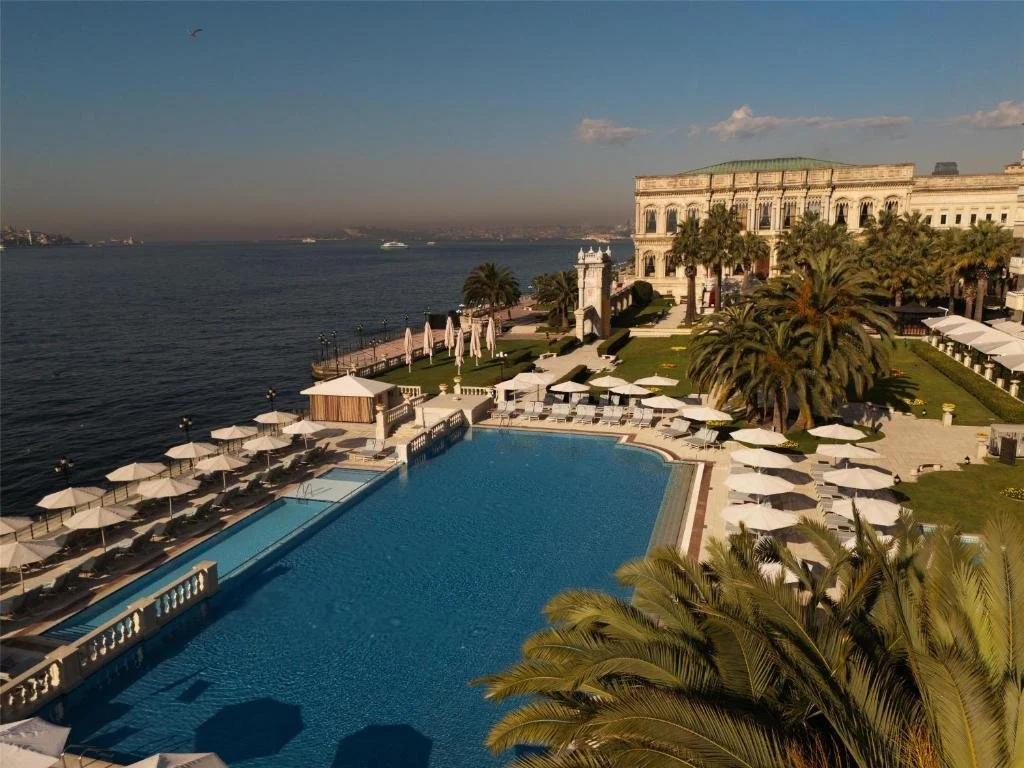
Istanbul is a city of roughly sixteen million people straddling two continents, and it is dense, layered and genuinely overwhelming in the way that Cairo or Delhi is overwhelming. It rewards three or four days rather than a week. The hotel scene is unusually good because the best properties are restored nineteenth-century yalı, the wooden waterfront mansions along the Bosphorus, rather than purpose-built luxury towers.
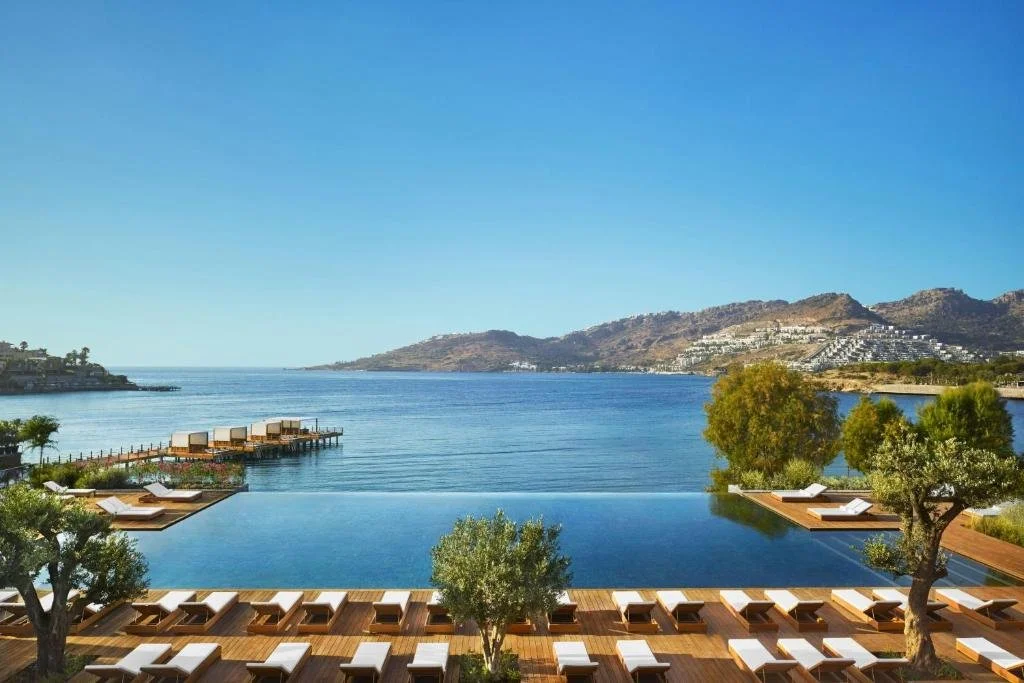
The Aegean and Mediterranean coast is where Turks themselves go on holiday, and it runs from Çeşme in the north down through Bodrum and along the Turquoise Coast toward Antalya. Bodrum is the most developed and the most glamorous of these, with a peninsula of separate bays that each have their own character. This is where you spend the longer half of a trip.
Our honest view: do not try to do both in four days. Fly into Istanbul, give it three nights, fly down to Bodrum for five, and fly home from there. Turkish Airlines runs the domestic leg constantly and it takes about an hour.
Where to Stay in Istanbul
Istanbul's hotel scene divides by neighborhood more sharply than most cities, and picking the right one matters more than picking the right property. The Bosphorus stretch, running north through Beşiktaş and Sarıyer, is where the restored mansions are. You get water views, quiet, and a genuine sense of what the city was in the Ottoman era, at the cost of being a taxi ride from the historic sights. Sultanahmet is the old city, meaning Hagia Sophia, the Blue Mosque and Topkapı within walking distance. It is convenient and it is also the most touristed part of Istanbul by a wide margin. Karaköy and Galata sit between the two, and this is where the city feels most current, with the Galataport waterfront redevelopment, galleries, and the best of the newer hotels.
Our full guide to the best luxury hotels in Istanbul works through the neighborhoods and the properties in detail.
Where to Stay in Bodrum
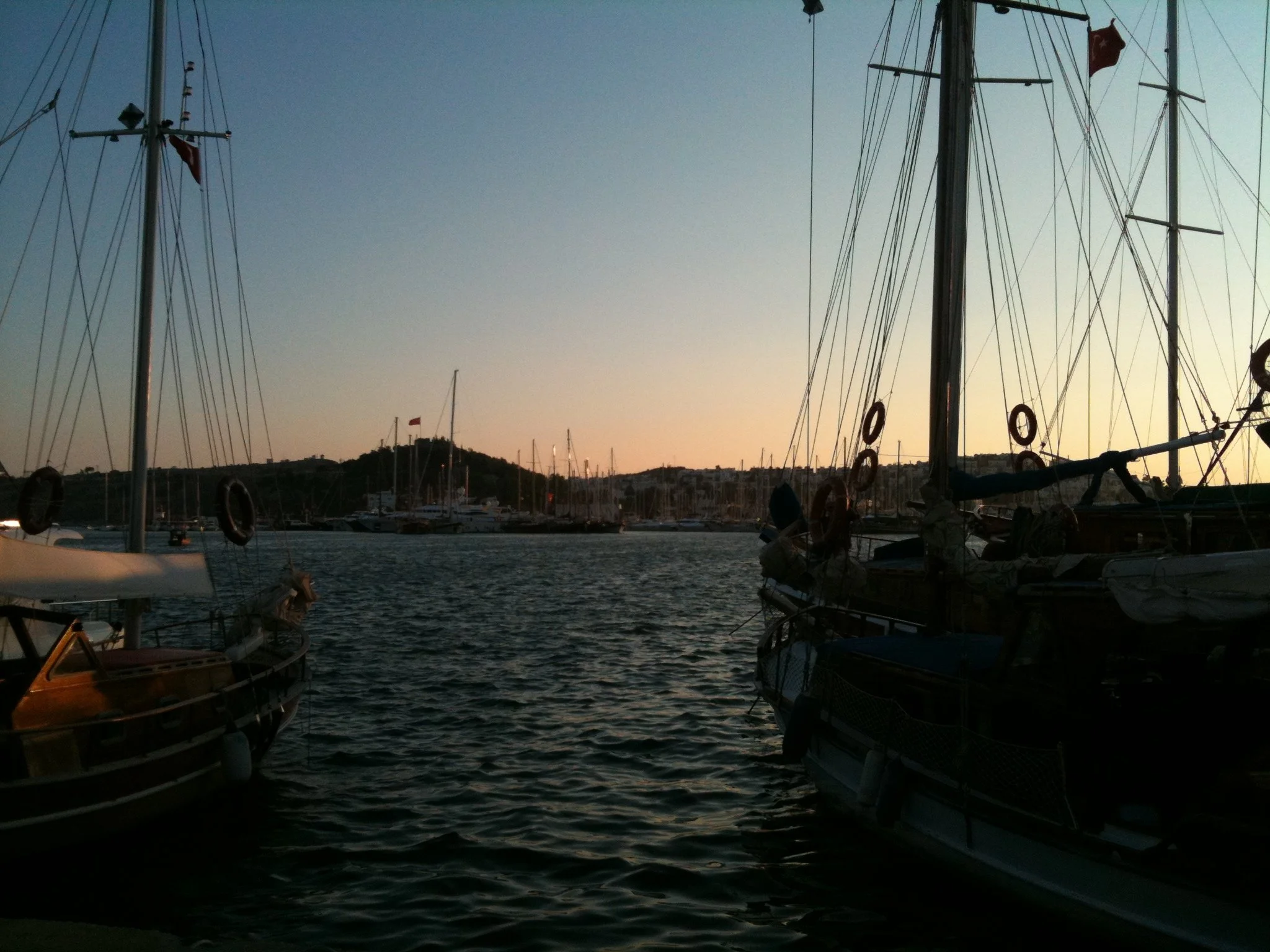
Bodrum is not one place. It is a town with a castle and a marina, and then a peninsula of bays running west and north from it, each with a different character and a different crowd. Bodrum town itself is the busiest and the most convenient, with the castle, the marina and the restaurants. Yalıkavak at the western tip has the superyacht marina and the highest concentration of luxury. Türkbükü on the north coast is the quieter, more design-led option that was a fishing village before the artists found it. Gündoğan and Torba are calmer still. Which bay you choose does more to shape the trip than which hotel you book, because the peninsula roads are slow in August and you will not be moving around as much as you expect.
Our full guide to the best hotels in Bodrum covers the peninsula bay by bay.
Where to Stay in Cappadocia
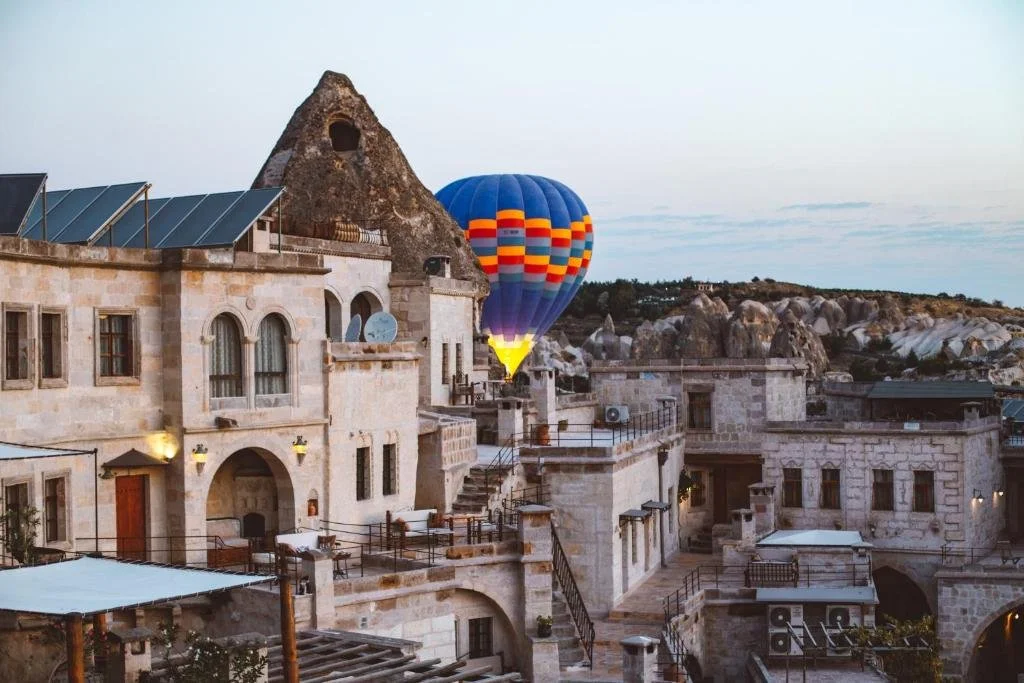
Cappadocia works best as a two or three night add-on to Istanbul rather than a trip of its own, and the balloon flight at sunrise is the reason to go. Where you stay matters more here than in most places, because Göreme puts you in the middle of everything, Uçhisar sits higher and quieter with the better views, and Ürgüp is the calmest of the three. Our picks for each are in the best hotels in Cappadocia.
Best Time to Visit
May, June and September are the windows. The Aegean is warm enough to swim from late May, the coast is not yet at capacity, and Istanbul is pleasant rather than punishing. July and August are the peak, and on the Bodrum peninsula that means genuine congestion on roads built for a fishing economy. Rates roughly double and the good beach clubs need booking well ahead. If you are locked into these months, book by March. October is underrated. The sea holds its warmth into the first half of the month, rates fall sharply, and Istanbul is at its best. Many coastal hotels close from late October through April, so a shoulder-season trip needs checking property by property.
Istanbul works year round. Winter is cold and often grey, and it is also when the city is cheapest and least crowded.
Practical Notes
Most visitors need an e-visa or qualify for visa-free entry depending on nationality, and the rules change, so check before you book rather than on the way to the airport. The currency is the Turkish lira, and inflation has been significant in recent years. Luxury hotels frequently price in euros or dollars, which insulates you from the swings, but restaurants and shops do not. Card acceptance is near universal in the places this site covers. Domestic flights are cheap and frequent, and Turkish Airlines connects Istanbul to Bodrum, Dalaman, Antalya and İzmir many times a day. Renting a car makes sense on the Bodrum peninsula and much less sense in Istanbul. Turkey is one of the better value luxury destinations in the Mediterranean. Five-star properties frequently price below equivalent hotels in Greece, Italy or the South of France, which is the single most useful thing to know when planning.