
Best Beach Towns in the South of France (2026) Riviera to Provence Coast
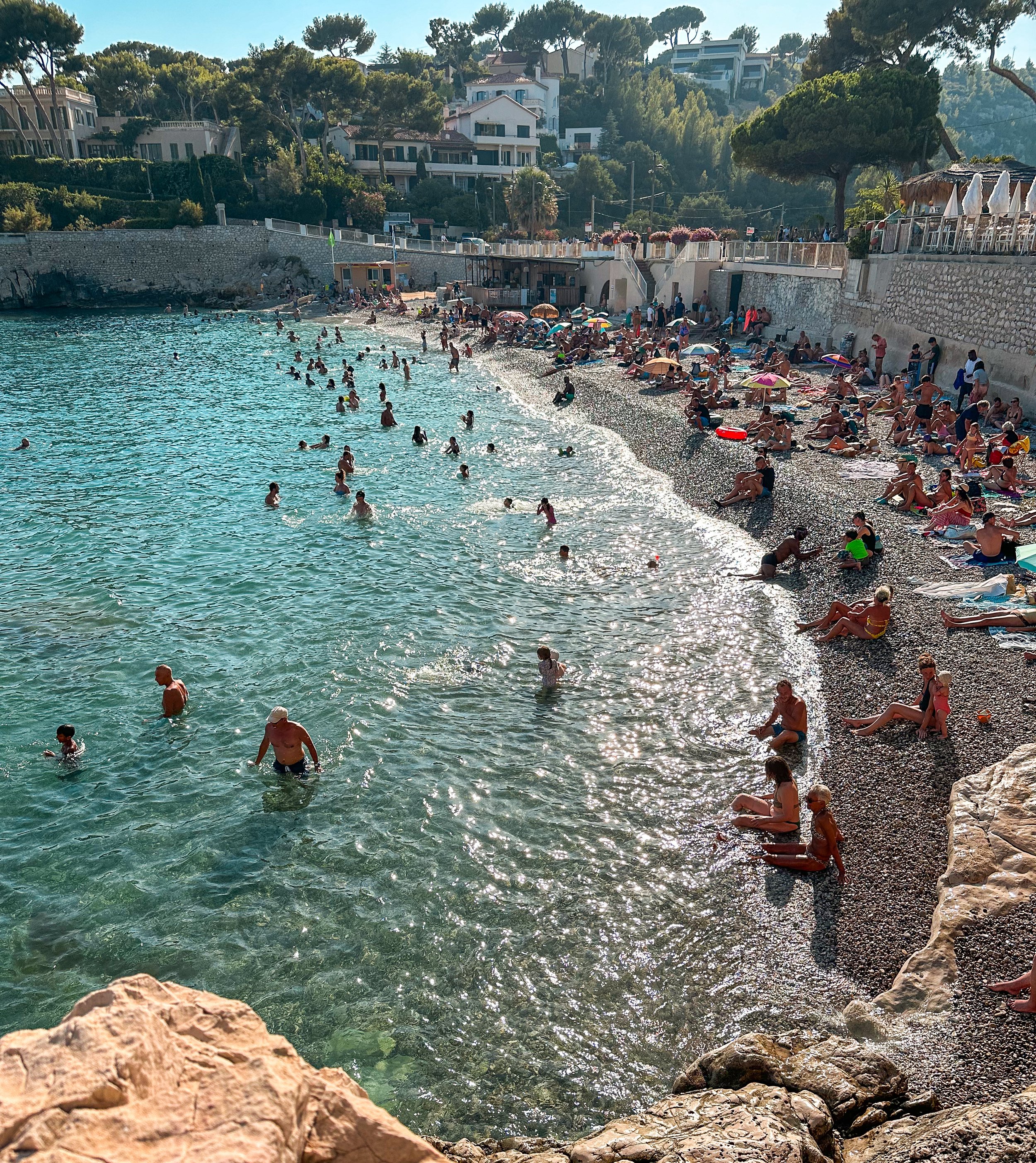
Cassis is the best beach town in the South of France for most travelers, a working harbor with calm swimming, excellent restaurants and the Calanques on its doorstep, and it is the one we would choose with children. Villefranche-sur-Mer is the prettiest, a bowl of pastel houses around the deepest natural harbor on the coast. Saint-Tropez is worth doing once, in June or September rather than August. Menton is the warmest and the least crowded of the eastern towns. Antibes has the most real life behind the postcard. Most people combine three or four of these, and the geography makes that easy if you cluster them correctly.
How the Coast Is Organized
The South of France coast is longer than most people expect, running roughly 300 kilometers from the Italian border to Marseille, and the two halves are genuinely different places.
The Côte d'Azur runs from Menton west to Saint-Tropez. Rocky coastline, pebble beaches, famous resorts, the highest prices and the most glamour. It is well served by a coastal train, which changes how you can plan a trip here.
The Provence coast runs from Saint-Tropez west past Marseille, taking in Le Lavandou, Bandol, Sanary-sur-Mer and Cassis. Quieter, cheaper, more Provençal in character, with limestone cliffs and calanques rather than palm-lined promenades.
Sand is worth understanding before you book. Most of the eastern Riviera beaches are pebble. If your idea of a beach involves soft sand, you want Pampelonne near Saint-Tropez, Le Lavandou or the Îles d'Hyères rather than Nice or Villefranche.
How to Combine Them
The eastern cluster of Villefranche-sur-Mer, Saint-Jean-Cap-Ferrat and Menton all sit within thirty minutes of Nice airport. Sleep in one and see all three without changing hotels. Antibes and Cannes are twenty minutes west of Nice and connect by train.
Saint-Tropez is the outlier. There is no train station and the peninsula road is genuinely difficult in summer. Give it its own two or three nights rather than trying to visit it from elsewhere.
Cassis and Le Lavandou anchor the Provence side, and Cassis pairs naturally with a few inland nights in the Luberon.
The Eastern Côte d'Azur
Villefranche-sur-Mer
The prettiest town on the coast, and it is not particularly close. Ochre and rose houses stack up the hillside around a deep natural harbor, the old town is a warren of vaulted medieval lanes, and the whole thing looks staged.
Plage des Marinières is a long crescent of fine pebbles with unusually clear water, and it is right beside the train station, which makes this one of the few beach towns on the coast you can reach without a car. Paloma Beach on the Cap Ferrat side is the smarter, pricier option.
Honest caveat: it is small, and in July and August the cruise ships tender passengers directly into the harbor, which changes the character of the town completely between roughly ten and four. Come early or stay late.
Best for: first-time visitors, photographers, anyone without a car.
Saint-Jean-Cap-Ferrat
The most exclusive address on the coast, a wooded peninsula of private villas and gated gardens between Villefranche and Beaulieu. The appeal is the walking, specifically the coastal path that circles the cape, which is one of the best hours you can spend in the South of France.
The Villa Ephrussi de Rothschild and its gardens are genuinely worth the ticket.
Honest caveat: this is a residential peninsula, not a town with a life of its own. There is a small harbor with a handful of restaurants and very little else. Public beach access is limited, and Paloma is a private club with the pricing to match. Stay here for calm and views, not for atmosphere.
Best for: couples, walkers, travelers who want quiet and can afford it.
Menton
The warmest town on the coast and the last one before Italy, which shows in the architecture and the food. It has a microclimate that grows lemons commercially, a stacked old town in ochre and pink above a long beach, and the Italian border fifteen minutes away.
It also has Mirazur, one of the very few three-star restaurants in France, which makes it a legitimate destination for a food-led trip.
Honest caveat: it is an hour from Nice airport, which puts it further out than most people plan for, and it skews significantly older and quieter than the towns to the west. If you want a scene, this is not it. Mirazur books months ahead.
Best for: food travelers, shoulder-season trips, anyone who wants warmth in October.
Antibes
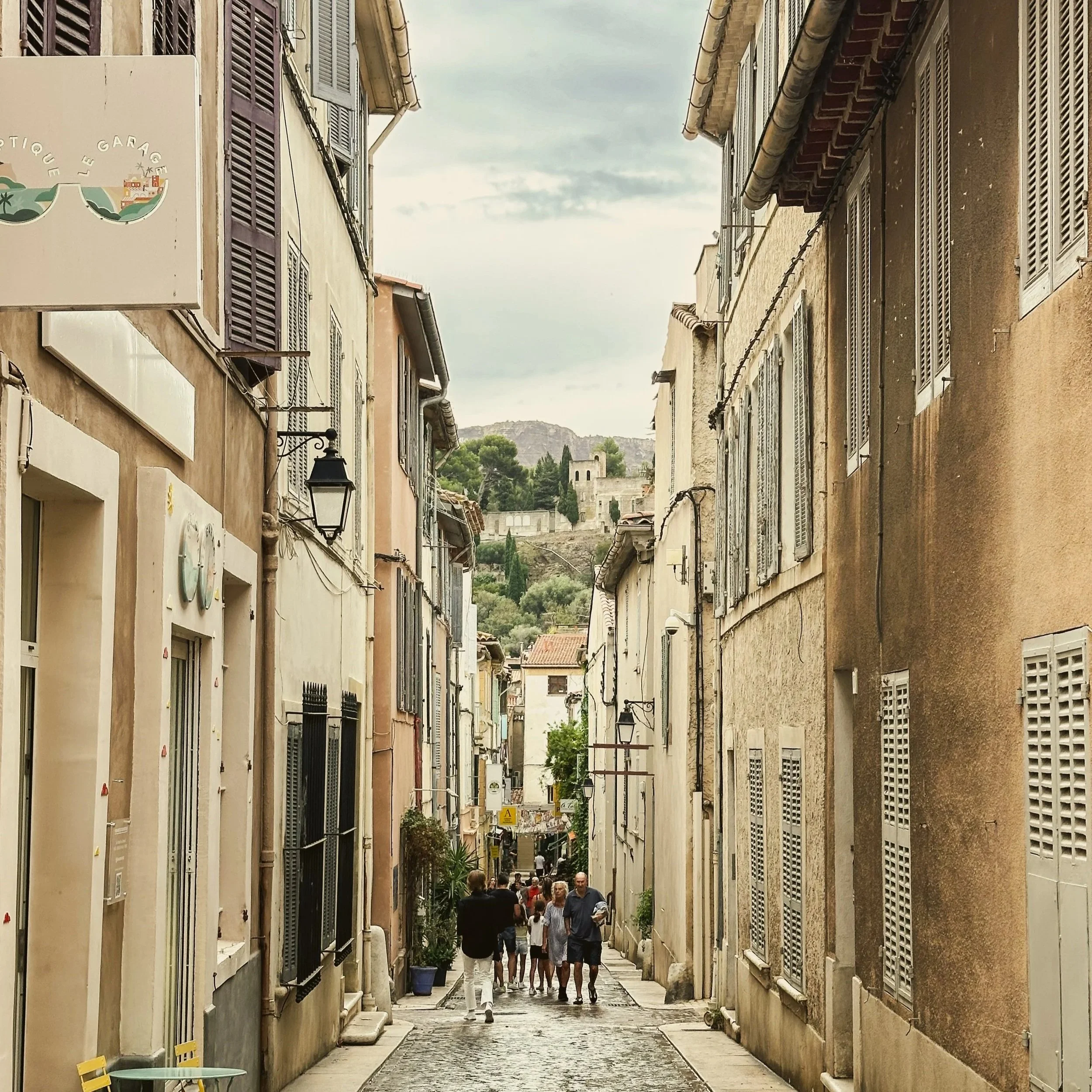
The most livable town on this list. A walled old town with ivy-covered streets, the largest market on the coast under a nineteenth-century iron hall, the Picasso museum in the Château Grimaldi, and the biggest yacht harbor in the Mediterranean.
Unlike most of the Riviera, Antibes has a real population that stays through the winter, and it shows in the shops and the restaurants. Juan-les-Pins next door has the sandy beaches and the nightlife.
Honest caveat: the town beaches are small and get very crowded. Antibes is a good base and a good day out rather than a beach holiday in itself.
Best for: longer stays, families, travelers who want a town rather than a resort.
Cannes
Famous, and mostly for reasons that have little to do with what it is like to visit. The Croisette is a long sandy beach lined with palace hotels and private beach clubs, the old town at Le Suquet is genuinely lovely, and the Îles de Lérins are a fifteen-minute boat ride away and worth a full day.
Honest caveat: outside the festival, Cannes is a fairly ordinary resort city with an expensive seafront. The beach is largely carved into private concessions. Of everywhere on this list, it is the one whose reputation most exceeds the experience.
Best for: a day trip from Antibes or Nice, or the Lérins islands.
The Saint-Tropez Peninsula
Saint-Tropez
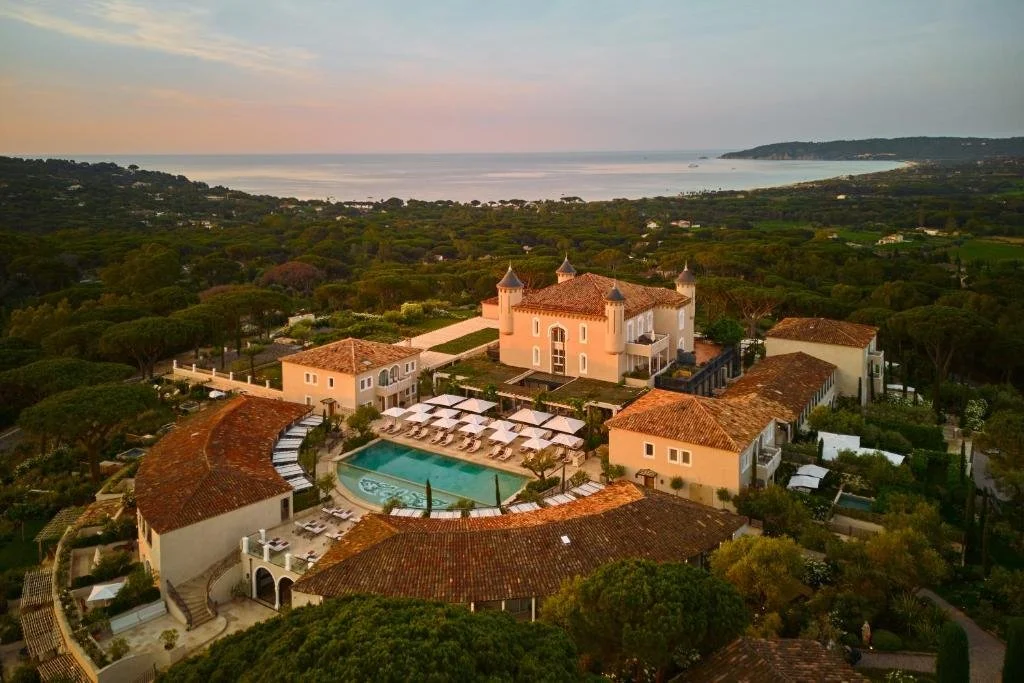
Worth doing once, and worth doing properly. The harbor with its row of ochre houses and the yachts stern-to against the quay is a genuine sight, the old town behind it is prettier than its reputation suggests, and Pampelonne beach is the best stretch of sand on the Côte d'Azur. Club 55 remains the institution.
The market at Place des Lices on Tuesdays and Saturdays is one of the best on the coast.
Honest caveat: July and August are extremely crowded and extremely expensive, and the single road onto the peninsula turns a twenty-minute drive into two hours. Go in June or September and you get the same town at a fraction of the stress and cost. There is no train, so you are driving.
Best for: two or three nights, in shoulder season, for the beach clubs and the harbor.
The Provence Coast
Cassis
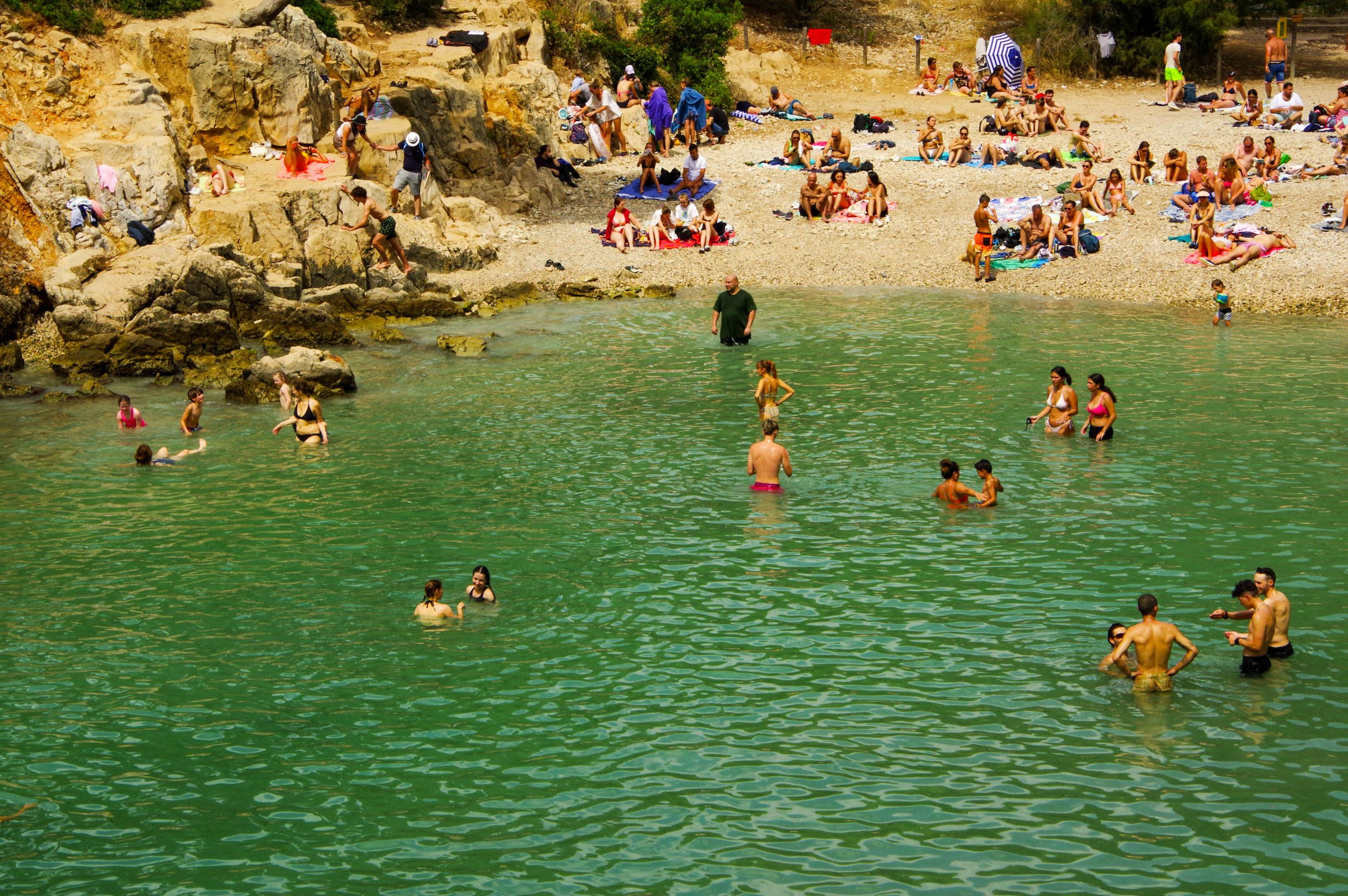
Our pick for the best beach town in the South of France, and the one we would book with children.
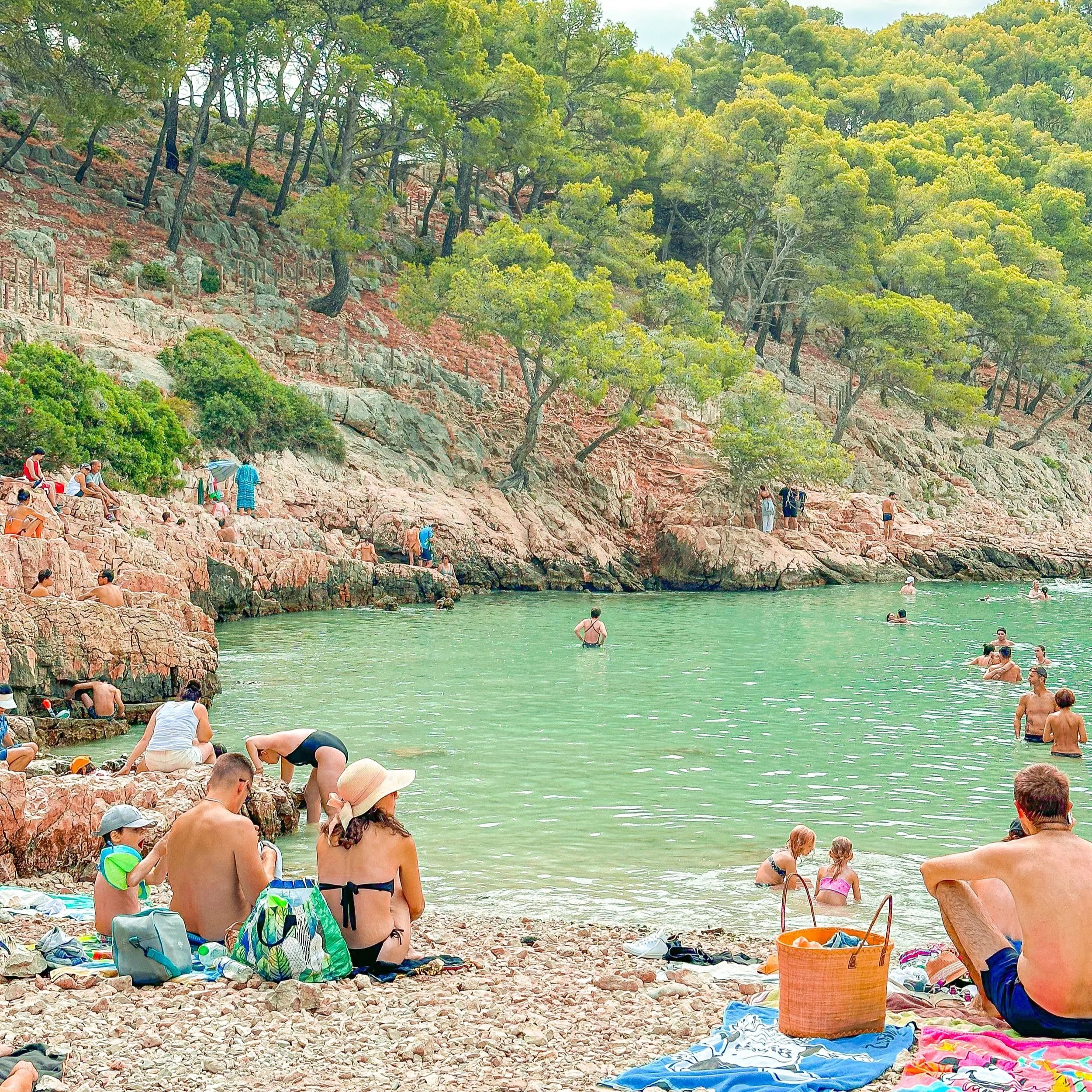
It is a working fishing port rather than a resort, wrapped around a small harbor of pastel houses with the Cap Canaille cliffs behind it and the Calanques National Park immediately to the west. Plage de la Grande Mer is right in town and calm enough for young swimmers. Plage du Bestouan is the better swimming beach five minutes away.
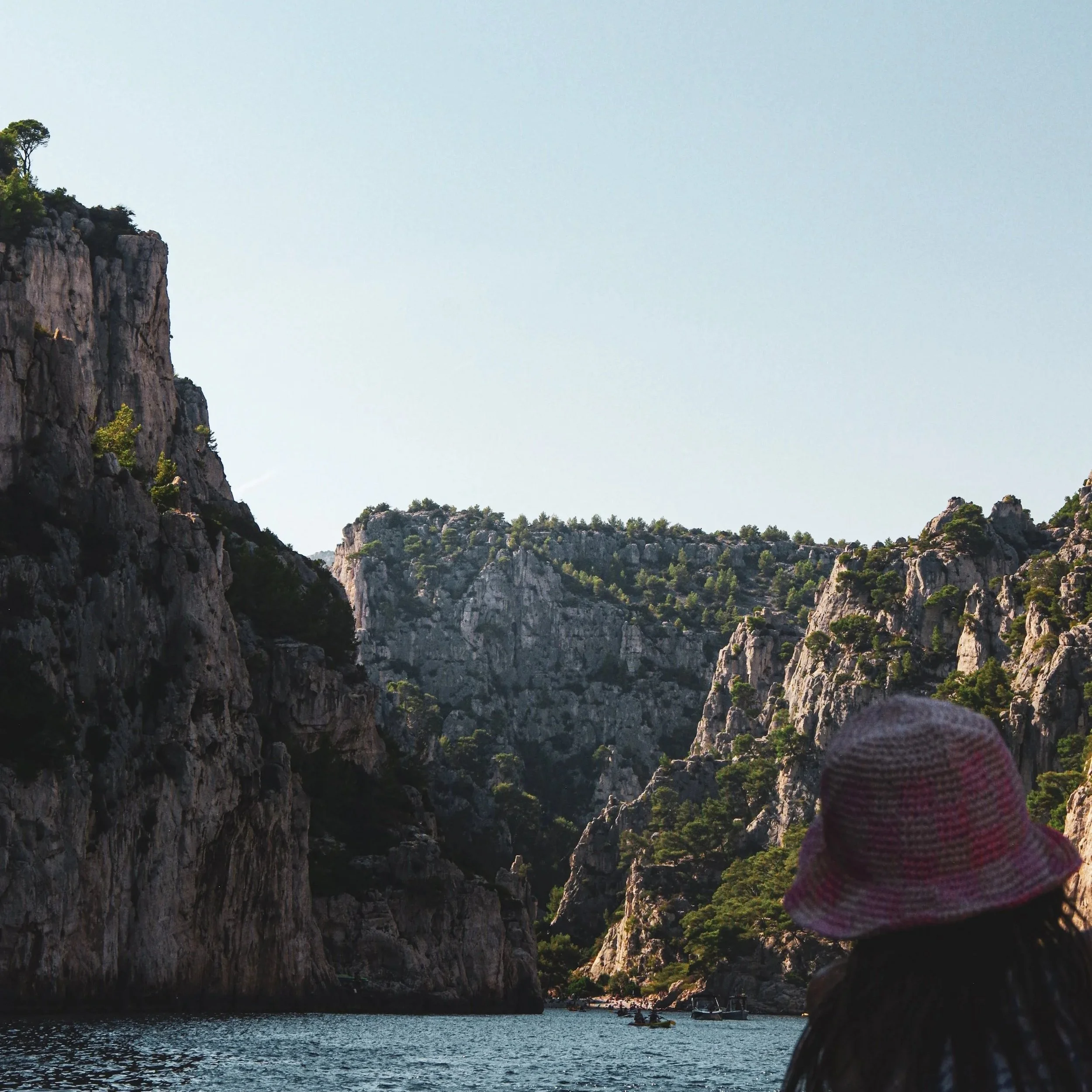
The Calanques are the reason to come. Port-Miou, Port-Pin and En-Vau are reachable on foot or by boat, and they are among the most beautiful places on the French coast. The town also has a genuinely good restaurant scene for its size, which we cover in our guide to the best restaurants in Cassis.
Honest caveat: it is a forty-five minute drive from Marseille and a long way from Nice, so it does not combine easily with the eastern Riviera. Parking in July and August is difficult. The calanque hikes are hot, exposed and often closed in high summer for fire risk, so check before you plan a day around them.
Best for: families, hikers, food, and anyone who wants the coast without the glamour.
Le Lavandou
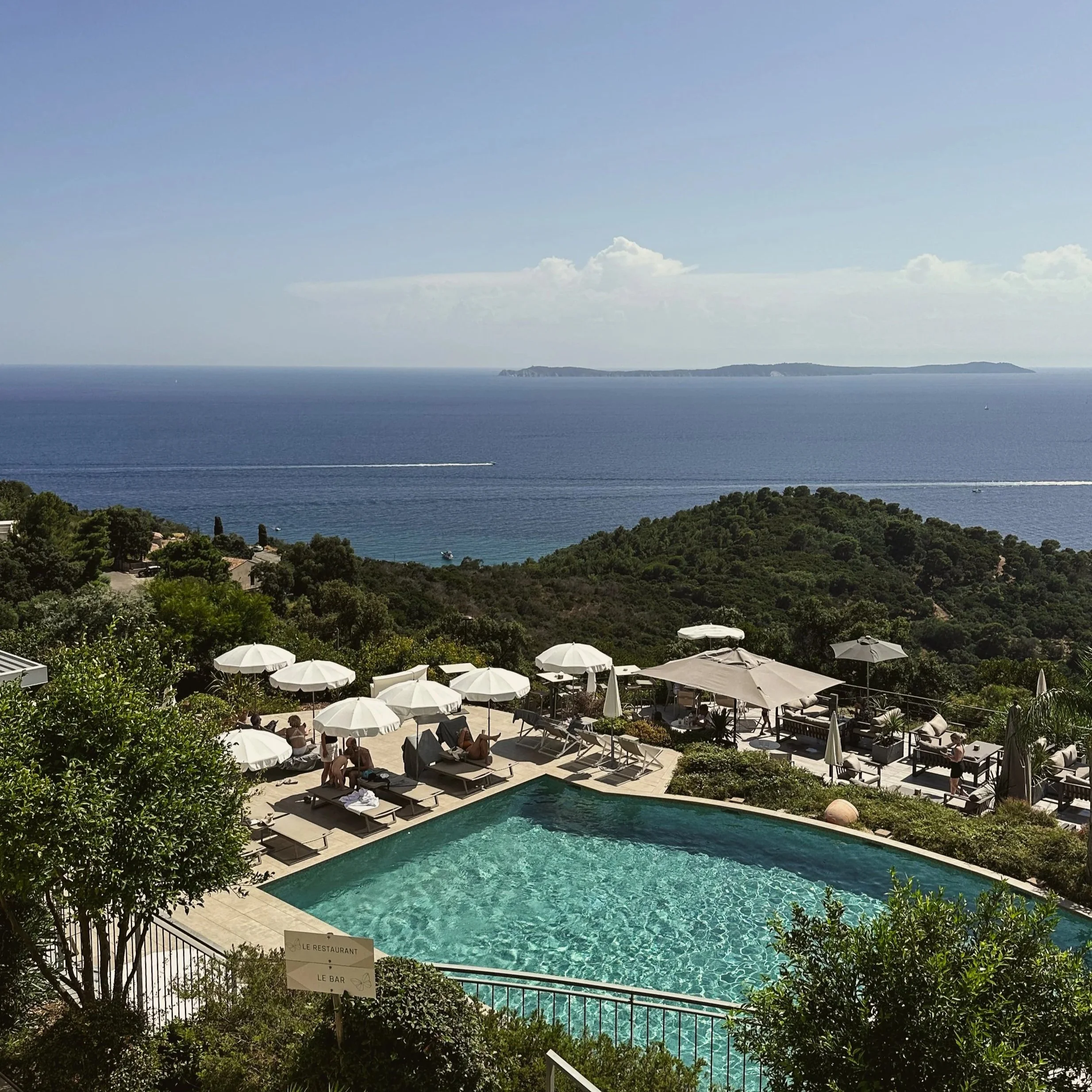
Twelve beaches across a stretch of coast known as the Côte d'Azur des Maures, and unusually for this coast most of them are sand. It is unpretentious, reasonably priced, and set up for people who want to swim and eat rather than be seen.
The Îles d'Hyères, particularly Porquerolles, are reachable by ferry and have the clearest water on the mainland coast.
Honest caveat: it is a resort town rather than a historic one, and it has less character than Cassis or Antibes. It fills with French families in August.
Best for: sand, families, budget-conscious trips.
Sanary-sur-Mer
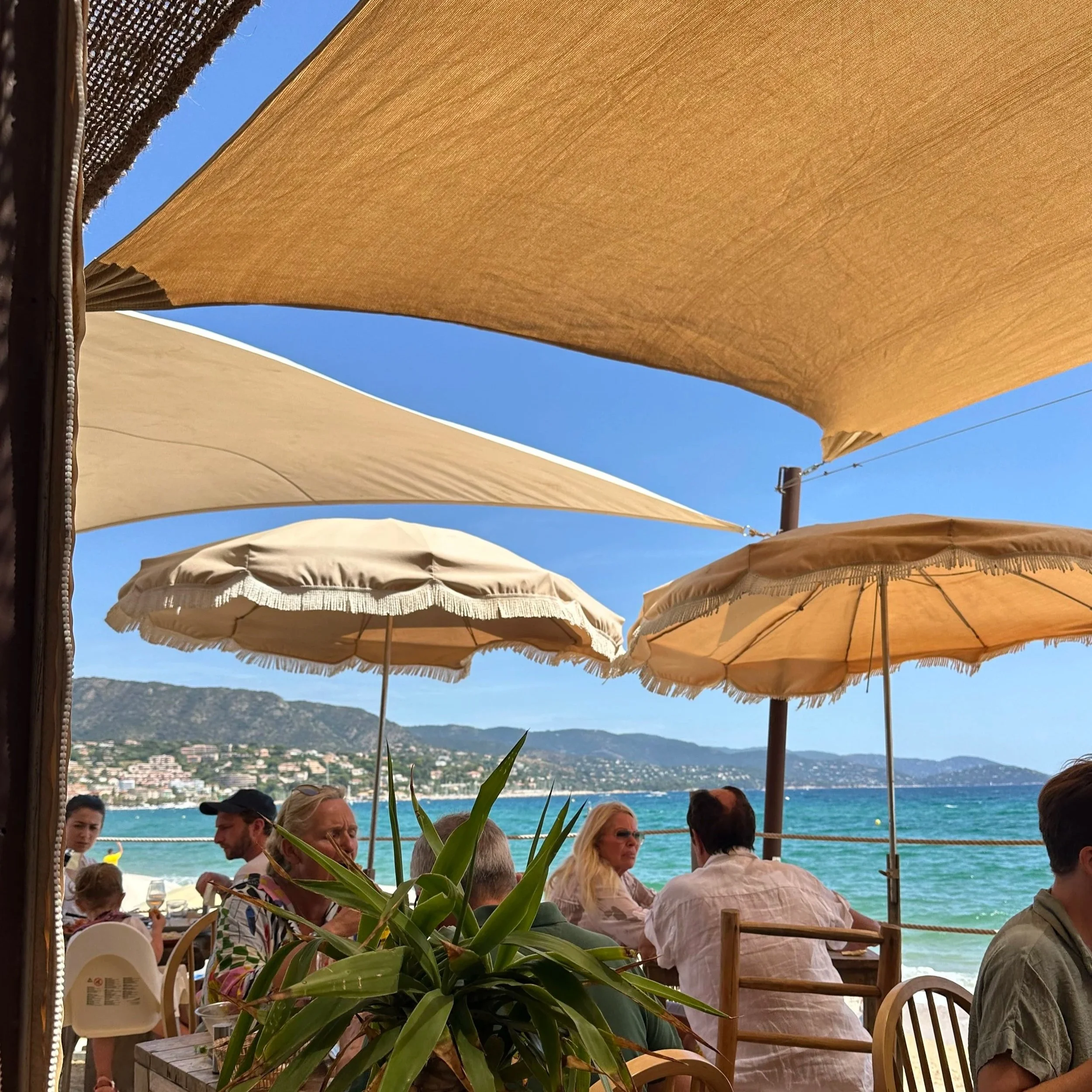
The quiet one, and the town most likely to surprise you. A working harbor lined with traditional pointu fishing boats, a daily market, art galleries, and almost no international tourism at all. It is what the Riviera towns looked like before the Riviera.
Honest caveat: the beaches are modest and there is not much to do beyond eat, swim and wander. That is the point, but it is not a week for everyone.
Best for: shoulder season, slow trips, travelers who have done the famous towns.
Best Time to Visit
June and September are the answer, and it is not close. The sea is warm, the towns are functioning normally, and rates fall substantially from their August peak. September has the warmest water of the year.
July and August bring the heat, the crowds, the traffic and the highest prices. If you are locked into school holidays, choose the Provence coast over the eastern Riviera, and book by January.
May is beautiful on land but the sea is still cold for most people. October is lovely in Menton and Antibes and increasingly quiet everywhere else, with many seasonal restaurants closing from mid-month.
Which Town Should You Choose?
For families, Cassis. Calm harbor swimming, a walkable town, good food and the Calanques for older children.
For the prettiest setting, Villefranche-sur-Mer.
For glamour and the best beach clubs, Saint-Tropez, in June or September.
For a base you could stay in for a week, Antibes.
For food, Menton, for Mirazur and the Italian border.
For quiet and elegance, Saint-Jean-Cap-Ferrat.
For sand and value, Le Lavandou.
Once you have chosen the town, our guide to the best hotels in the South of France covers where to actually stay, and our South of France with kids guide has the family version.
Frequently Asked Questions
What is the best beach town in the South of France? Cassis, for most travelers. It is a working harbor town with calm swimming beaches, an excellent restaurant scene for its size, and the Calanques National Park on its doorstep. Villefranche-sur-Mer is the prettiest, Saint-Tropez has the best beach clubs, and Antibes is the most livable for a longer stay.
Which South of France beach town is best for families? Cassis. The harbor beaches are calm and shallow, the town is compact and walkable, and there is enough to do beyond the beach. Le Lavandou is the alternative if sand matters more than character, since most of the eastern Riviera beaches are pebble.
Is Saint-Tropez worth visiting? Yes, once, and in June or September rather than July or August. The harbor, the old town, Pampelonne beach and Club 55 are all genuinely worth experiencing. Peak summer brings severe traffic on the single peninsula road and prices to match.
What is the difference between the Côte d'Azur and the Provence coast? The Côte d'Azur runs from Menton west to Saint-Tropez and is the glamorous, rocky, expensive half with pebble beaches and a good coastal train. The Provence coast runs west from Saint-Tropez past Marseille and is quieter, cheaper and more Provençal, with limestone cliffs and calanques.
Do the South of France beaches have sand? Mostly not on the eastern Riviera, where Nice, Villefranche and Menton are pebble. For sand, go to Pampelonne near Saint-Tropez, Le Lavandou, Juan-les-Pins or the Îles d'Hyères.
Which beach towns can you reach without a car? The coastal train serves Cannes, Antibes, Nice, Villefranche-sur-Mer, Beaulieu and Menton, and several stations sit within walking distance of the beach. Cassis has a station but it is a few kilometers from town. Saint-Tropez has no train at all.
How many days do you need for the South of France coast? Five to seven days is comfortable. Base in Villefranche or Antibes for the eastern towns and add two or three nights on the Saint-Tropez peninsula or in Cassis, depending on which half of the coast appeals more.
When is the water warm enough to swim? Mid-June through early October, with September the warmest month of the year. May is beautiful on land but the Mediterranean is still cold for most people.