
Best Family Safari Hotels in Africa, by Age
The right safari lodge depends almost entirely on how old your children are, because the industry runs on age gates and they are stricter than most parents expect. Under six, you are booking a private vehicle or an exclusive-use villa, and Tswalu Kalahari, Cheetah Plains and Angama Mara are the properties that make it work. From six the map opens up and Londolozi becomes the strongest choice on the continent. At ten the design-led lodges unlock their standard suites, and Singita and Royal Malewane come into play. At twelve the walking safaris and mokoro trips begin, which is when a safari stops being a spectator sport. Expect roughly $1,000 to $3,000 per person per night all-inclusive, and book nine to twelve months out for family rooms in high season.
The Ages That Matter
Safari age policies look arbitrary until you read enough of them, and then a ladder appears. Four and five is where private vehicles stop being optional. Six is the most common minimum for a shared game drive, and it is the biggest single gate on the list. Eight is where park fees often start applying at the child rate. Ten is where the more design-forward, adults-leaning lodges open their standard suites. Twelve is where bush walks and mokoro trips usually begin. Sixteen is where the smallest, quietest camps stop making exceptions.
Knowing which rung your child is on tells you more about where to book than any amount of reading about wildlife. A five-year-old and a seven-year-old are a four-figure daily difference in vehicle costs. A nine-year-old and an eight-year-old can be a different park fee bill entirely. A twelve-year-old gets a fundamentally different trip from a ten-year-old, because they can get out of the vehicle.
One thing holds at every age. The published policy and the actual policy are not always the same. Rate cards contradict themselves more often than you would expect, and a supplier document may restrict under-sixes while newer terms for the same reserve permit four and five-year-olds at management discretion. Ask the lodge directly, in writing, and ask about your child's specific age rather than about children in general. If you have used our guide to the best luxury family resorts in the world, the process is similar but the stakes are higher, because a booking that does not work cannot be fixed once you are in the bush.
Under Six: Toddlers and Preschoolers
Be honest with yourself about what you are buying. A three-year-old will not remember this, and a four-hour game drive is a long time for a child who cannot yet sit still for a film. What you are really booking at this age is a beautiful holiday in the bush for the adults, with wildlife as a bonus, and there is nothing wrong with that as long as you price it accordingly.
Practically, under six means one of two things. Either you book a private vehicle, which at this level of lodge is typically $700 to $1,500 a day on top of everything else, or you book a property where a private vehicle is already included.
Tswalu Kalahari
The strongest under-six choice on the continent, for two reasons that compound. Every booking includes a private vehicle, guide and tracker, so the surcharge disappears into the rate. And the reserve is malaria free, which removes the single biggest source of parental anxiety at an age when antimalarials are least appealing.
Children of all ages are welcome, accommodation runs from two-bedroom family legae at The Motse up to the exclusive-use Tarkuni homestead, and under-twelves stay free with their parents at The Motse to a maximum of two. There is complimentary babysitting, flexible dining times and a children's menu, all of which matter more with a four-year-old than with a ten-year-old.
The caveat is that there are no elephants at Tswalu, so you will not see the full Big Five. With a preschooler that matters less than you think. With a six-year-old who has been talking about elephants for months, it matters a great deal.
Rates run roughly $1,500 to over $3,000 per person per night all-inclusive.
Cheetah Plains
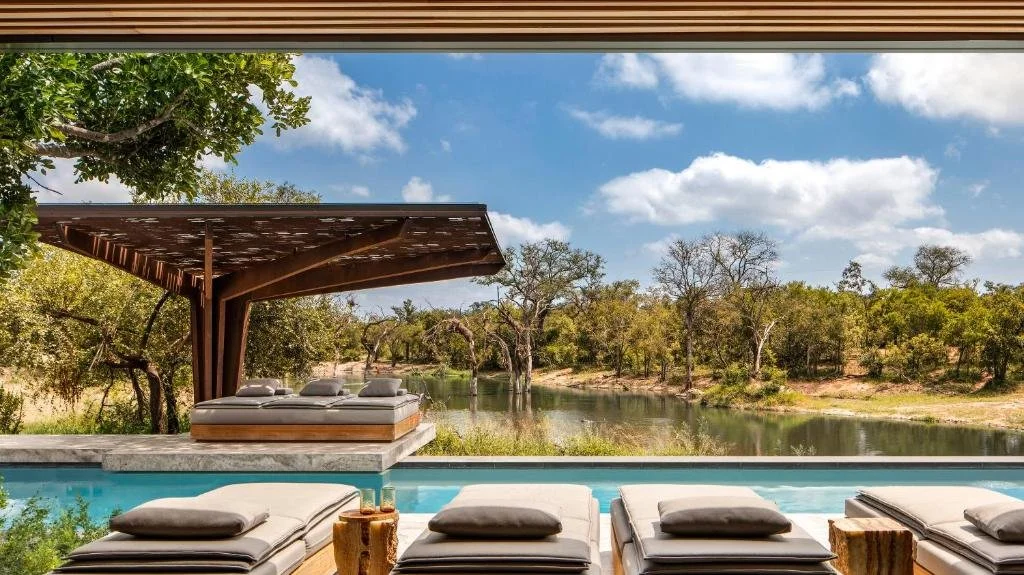
Three exclusive-use four-bedroom villas in the Sabi Sand, each with its own chef, guide, tracker, vehicle and pool. Children of all ages are welcome and join drives of age-appropriate duration at the guide's discretion, which with a young child means a shorter loop rather than a refusal. The vehicles are fully electric, so approaches are silent and there are no diesel fumes, and that is a real difference for a small child who finds engines and smells overwhelming.
Because everything is private, mealtimes and nap schedules bend to your family rather than to a communal table.
The caveat is the pricing structure. The base rate is payable for the first six guests in the Karula and Mvula villas and the first eight in Mapogo, regardless of age, so two parents and a toddler pay for six. There is also a mandatory Sabi Sand conservation contribution per person per night. Rates run roughly $9,000 to $16,000 per villa per night.
Angama Mara
Workable under six, with a condition. Children of all ages are welcome year round, but families travelling with children aged under six must reserve a private vehicle when booking fewer than three suites. The family suites have an enclosed connecting passageway, so a small child can move between tents safely at any hour, which is a genuinely thoughtful piece of design and rare at this level.
Worth knowing that in standard season the first two children aged nought to twelve on one reservation travel free, with additional children at 25 percent. For a family with young children, standard season at Angama is one of the better-value bookings in East Africa.
Six to Nine: The Age the Map Opens
Six clears the biggest gate in the industry. From here your child can simply get into the Land Rover with everyone else at most properties, and the trip stops being a series of workarounds.
Londolozi
Our pick for this band and the strongest family safari lodge in Africa. Children aged six and older are welcome at Varty, Founders and Pioneer Camps, and the Cubs Den program is included in the rate rather than sold as an add-on. It is not a room with crayons. There is a creative station for children who skip the midday swim, pizza-making and s'mores after the evening drive, and a simplified star lecture with a telescope once it is dark.
What sets Londolozi apart is the philosophy on the drive itself. The family game drive is aimed at the children, stopping often so they can get out and use their senses, touching and smelling and identifying tracks, on the understanding that four hours of sitting still is a lot to ask of a seven-year-old. A child arriving is assessed by the ranger and the Cubs Den facilitator, and the plan is drawn up after they have met the child. Varty, Founders and Pioneer all have inter-leading suites, and the superior chalets at Founders convert a room into a children's room with its own bathroom.
The caveat is that the two most beautiful camps are closed to you. Private Granite Suites and Tree Camp take nobody under sixteen unless you book the camp exclusively. Sabi Sand is also a malaria-risk area.
Rates run roughly $1,300 to $2,200 per person per night all-inclusive, with reduced child rates.
andBeyond Phinda
The pick for children in this band who respond better to doing things than to watching them. Under-sixes cannot join drives without a pre-booked private vehicle, and children aged six to twelve can join at the manager's discretion, which for a confident seven-year-old is usually a straightforward yes.
The activity list is what makes it: black rhino tracking on foot, seasonal night turtle drives, scuba diving, ocean safaris and Zulu village tours alongside the Big Five drives. Mountain Lodge has family cottages for two adults and two children, and a family suite sleeping up to eight. The WILDchild program runs alongside childminding for a nominal fee.
The caveat is choosing the right lodge. Rock Lodge takes no children under twelve because of its cliffside setting and runs no WILDchild program at all. Book Mountain, Forest or the Homestead. Phinda is low malaria risk rather than malaria free.
Rates run roughly $700 to $1,400 per person per night, which makes it the best value on this list.
Sirikoi
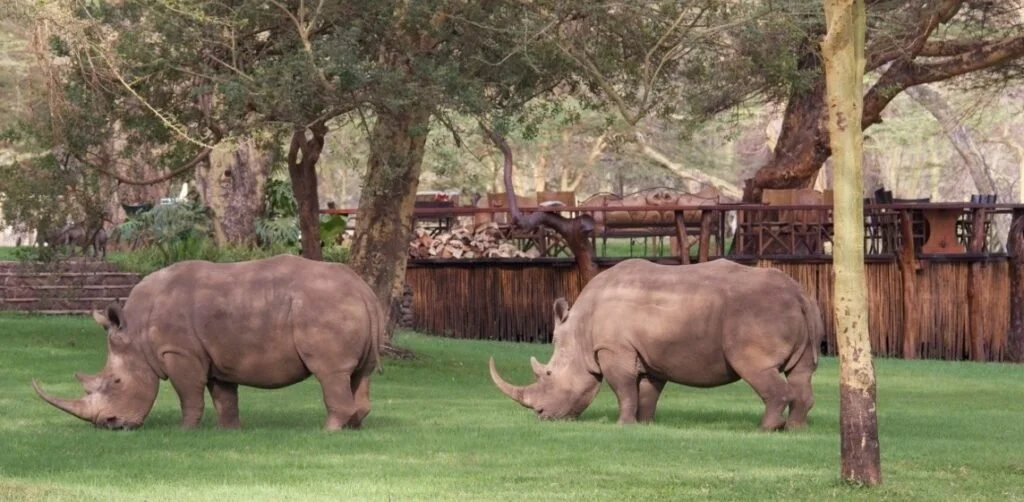
A small owner-run lodge on the Lewa Wildlife Conservancy that feels like staying in someone's very beautiful home. The child rate applies to ages five to sixteen, the luxury tents can be booked for children in that range, and children twelve and under cannot stay in a tent alone. Exclusive use of a vehicle is included in the rate, which removes the surcharge question entirely.
Lewa holds black and white rhino, the world's largest resident population of Grevy's zebra, and the Northern Five. Elephant herds have carved Sirikoi into their migratory routes and often stand in front of the dining deck for hours, which is about as good as a lunchtime gets for a seven-year-old.
The caveat is scarcity. Four tents plus two houses means it books out far ahead. The grounds are fenced with a raised electric wire to keep elephants out, which some families find reassuring and others feel dilutes the wilderness.
Rates run roughly $1,000 to $1,600 per person per night.
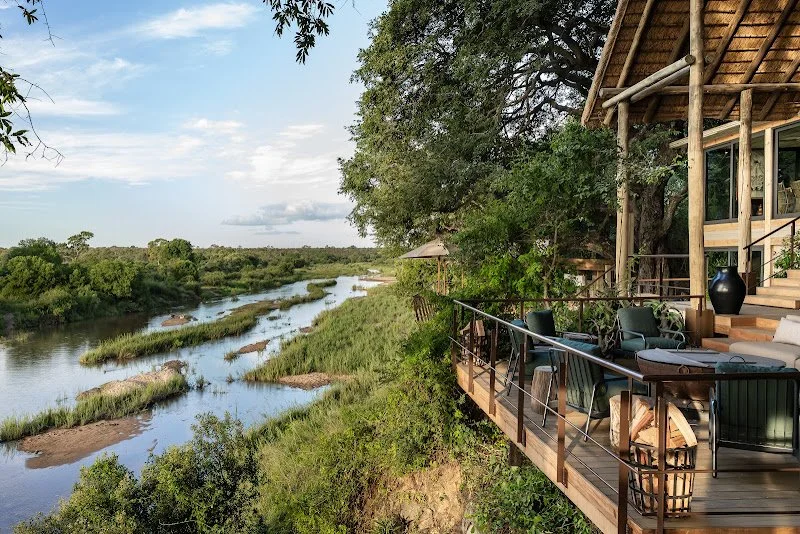
Singita Ebony
Worth singling out for one clause. Families of four or more that include at least one child under ten are guaranteed complimentary use of a private safari vehicle. At a lodge of this calibre that is normally a four-figure daily line item, and it means a family with an eight-year-old gets the private-vehicle experience thrown in. Children aged two to sixteen are charged at 50 percent when sharing.
Book Ebony rather than Boulders at this age. Boulders takes children from ten in standard suites, with family suites as the only workaround below that.
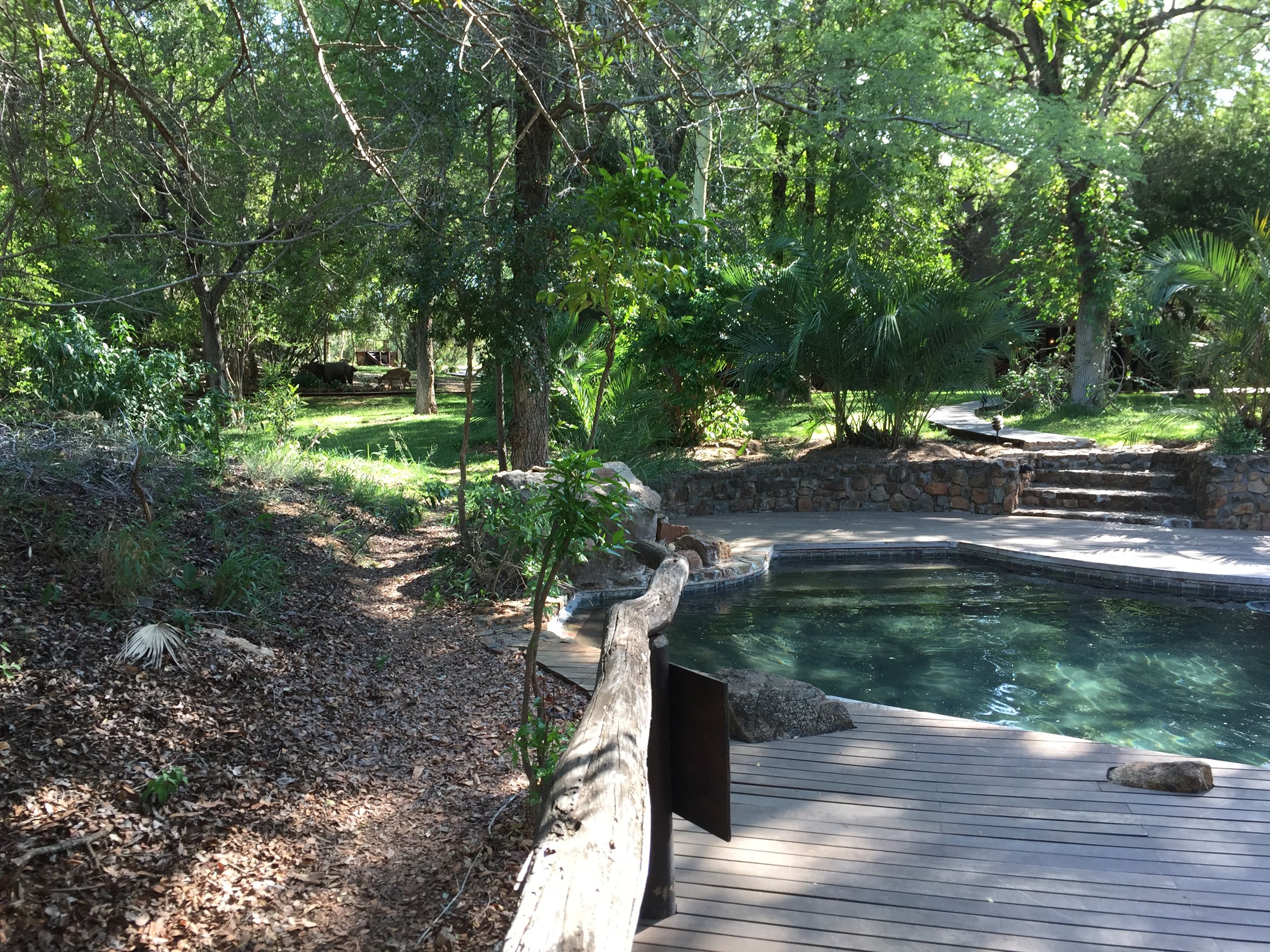
Dulini Moya
We stayed here without children, but there were several children present during out stay, and we can vouch that this is one of the most incredible safari experiences with or without children. They accept children 8 and up, and for the right child, it is excellent value. Eight to sixteens sharing with an adult are charged at half the adult rate, which at Sabi Sand pricing is a serious saving, and they can take an adjacent suite rather than a rollaway. Each suite has its own heated plunge pool, which solves the middle of the day. Twice-daily drives and daily bush walks run from a reserve famous for leopard, and Federal Air flies you from Johannesburg to an airstrip twenty minutes away, which spares you the transfer that ruins most safari arrivals with kids.
Ten to Twelve: The Lodges Stop Saying No
Ten is the second real gate. The design-led, adults-leaning properties that quietly discouraged younger children open their standard suites, and the accommodation question largely disappears.
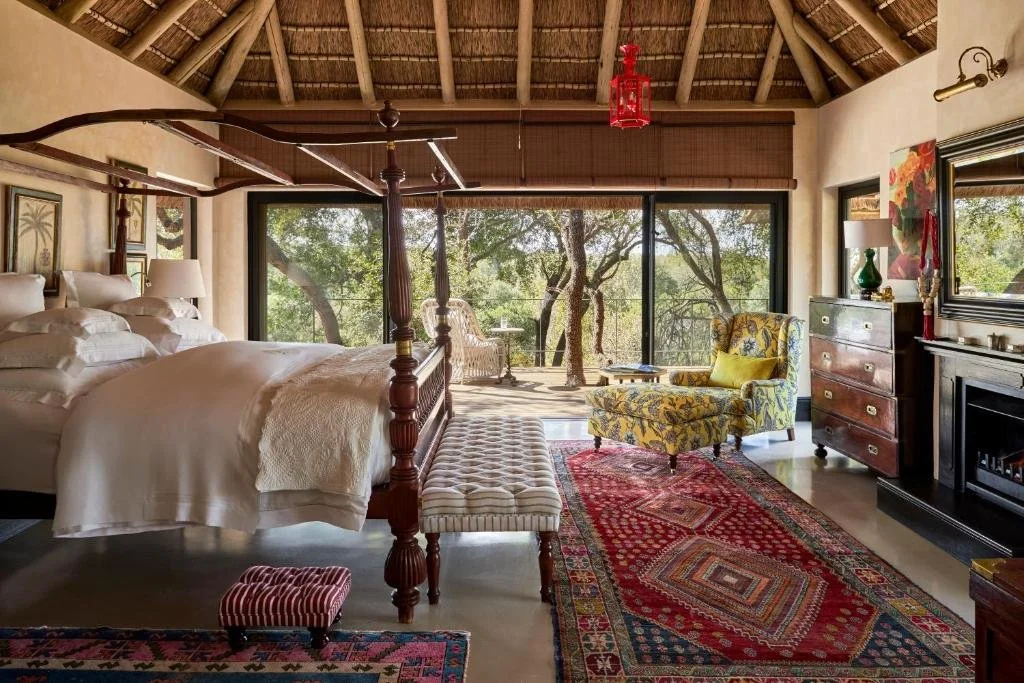
Royal Malewane
Now available to you in full, and worth it for the guiding. All rangers hold the highest FGASA qualifications including SKS Dangerous Game, and the Wilson Masiya Tracking School runs on site in partnership with tracker Louis Liebenberg. For a ten-year-old who has decided they want to be a ranger, there is nothing else like it in Africa.
The minimum age at Malewane Lodge, Farmstead and Masiya's Camp is ten, which is precisely why this property belongs in this band and not the last one. Below ten you are restricted to the Royal Suites, Africa House, The Farmhouse and Waterside, all of which include private services and a private vehicle whether you wanted them or not.
Rates run roughly $1,500 to $2,500 per person per night in the suites.
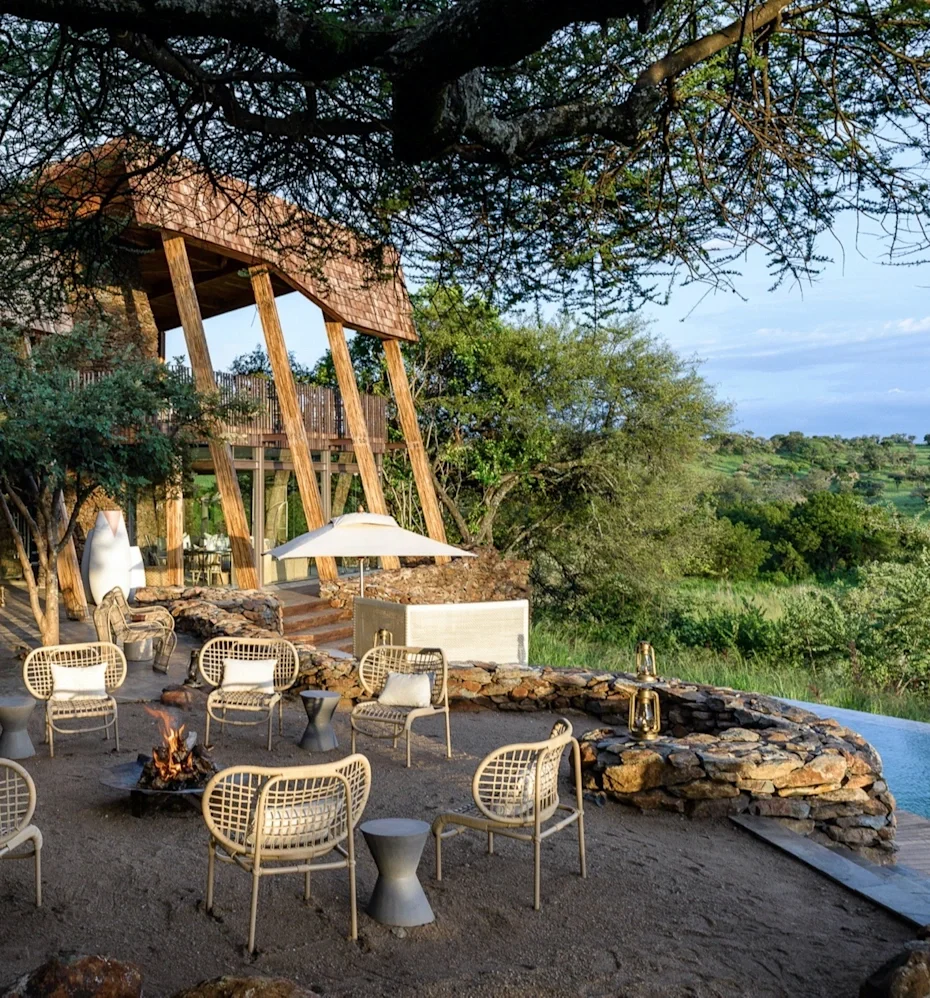
Singita Grumeti
For families chasing the migration on the Tanzanian side. Children of all ages are welcome at Sasakwa with no fixed published minimum for drives or walks, left to the field guide's judgement, which in practice favours older children. Faru Faru has a family suite for up to two adults and two children aged nought to twelve. There is a Mini Rangers' course with bush skills, animal tracking and nature games, and Sasakwa has horse riding, a genuine differentiator for a child who rides.
The caveat is that the add-ons stack faster here than anywhere else. A private vehicle runs about $1,420 per day, though it becomes complimentary or half price on the four or six-night Serengeti combination offers. There is a wildlife fee per child per night for ages five to seventeen, and the internal air charges children aged two to eleven at 75 percent of the adult fare. Read the quote line by line.
Rates run roughly $2,000 to $3,500 per person per night before fees and flights.
Singita Boulders
Now open to you, and the more beautiful of the two Sabi Sand lodges. Standard suites take children from ten, so this is the band where Boulders becomes a straightforward booking rather than a negotiation.
Twelve and Up: When Safari Stops Being a Spectator Sport
Twelve is where the trip changes character. Walking safaris, mokoro excursions and boating open up, and these are the activities people remember for the rest of their lives. Sitting in a vehicle is a fundamentally different experience from standing on the ground with a guide who is reading tracks.
Wilderness Vumbura Plains
Botswana is the hardest country on this list for young children and the best for older ones, because the Delta runs on water and the water activities have age minimums. Vumbura Plains is a fourteen-tent camp in a 60,000-hectare private concession with the broadest activity programme in the Wilderness Delta portfolio: game drives, guided walks, mokoro excursions, motorboat trips and fishing.
A morning in a mokoro is a completely different day from a game drive, and for a teenager it breaks the rhythm in exactly the right way. Vumbura Plains and Qorokwe carry no minimum age restriction for families travelling privately, while most Wilderness properties require six.
The caveat matters. Walking, mokoro and boating minimums are set by regional park authorities, not by the lodge, so confirm them separately from the camp policy. Everything is reached by light aircraft with strict luggage limits.
Rates run roughly $1,500 to $2,800 per person per night in high season, with substantial green season reductions.
Kwandwe
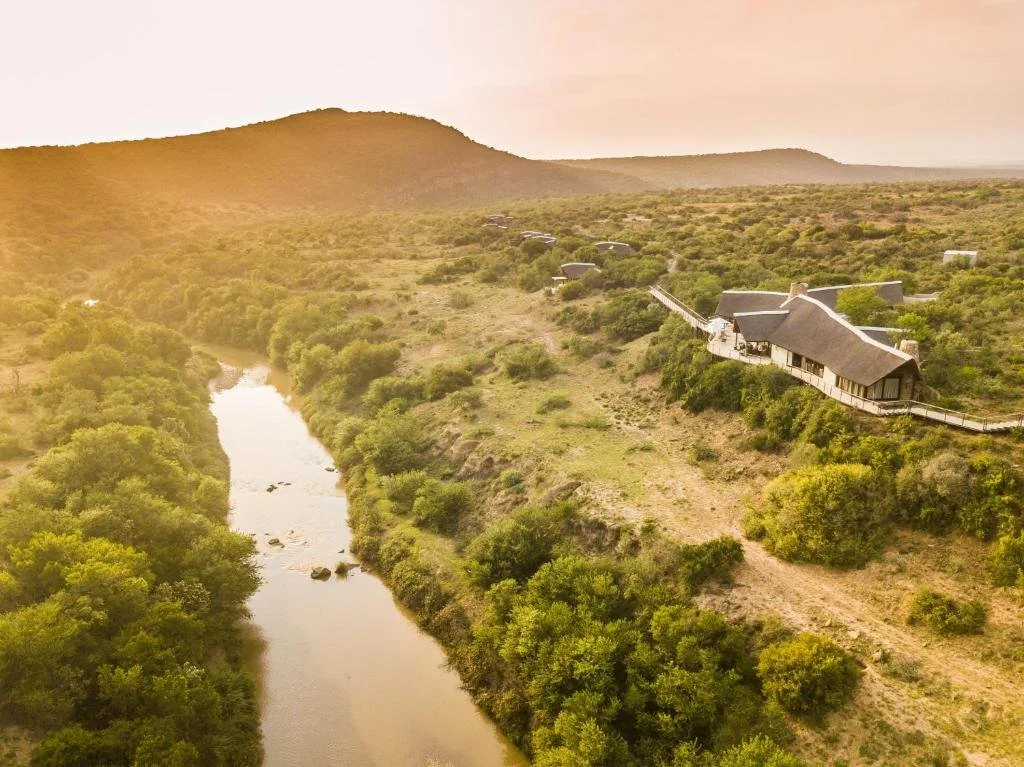
The conservation angle, and the one that lands hardest with teenagers. Kwandwe is a malaria-free Big Five reserve in the Eastern Cape spanning 74,000 acres of restored farmland, and it offers hands-on conservation experiences including rhino notching for older children. A fifteen-year-old who has spent a morning working alongside a conservation team comes home with something a game drive cannot give them.
Gorilla Trekking in Rwanda
The single best wildlife experience on the continent, and the one with the strictest door policy. The minimum age for gorilla trekking is fifteen, set by mutual agreement between Rwanda, Uganda and the DRC, and it is enforced without exception. There is no private vehicle workaround, no villa workaround and no discretion on the day. Your child is fifteen or they are not going.
The rule exists for two reasons. Gorillas share enough of our DNA that human respiratory illness is a genuine threat to them, which is also why trekkers with a cold are turned away and why you keep seven metres back. And the trek itself is hard: two to seven hours on steep, muddy terrain at 2,500 metres and up, with no way to predict the day's length because it depends entirely on where the gorillas moved overnight.
For a family with a fifteen-year-old, this is the trip. An hour a few metres from a wild mountain gorilla family is the thing people describe as the most profound wildlife encounter available anywhere, and a teenager is old enough to understand what they are looking at.
Budget properly, because the permit is the biggest line item and it is per person. Rwanda charges $1,500 for foreign non-residents, set by the Rwanda Development Board, and every trekker aged fifteen and over needs their own. A family of four is $6,000 before a single night of accommodation. Uganda runs $800, or $600 in low season, at Bwindi and Mgahinga, which is worth weighing if the budget is the constraint rather than the setting. The permit covers park entry, guides, trackers and an armed ranger escort, plus one hour with the gorillas. It does not cover transport, lodging, meals, porters at roughly $15 to $20, or tips.
Supply is genuinely tight. Volcanoes National Park issues around 112 permits a day across its habituated families, and Rwanda runs a deliberate high-value, low-volume model. Book three to six months ahead, and six to ten for June through September. Permits are non-refundable if you cancel or do not turn up.
Singita Kwitonda
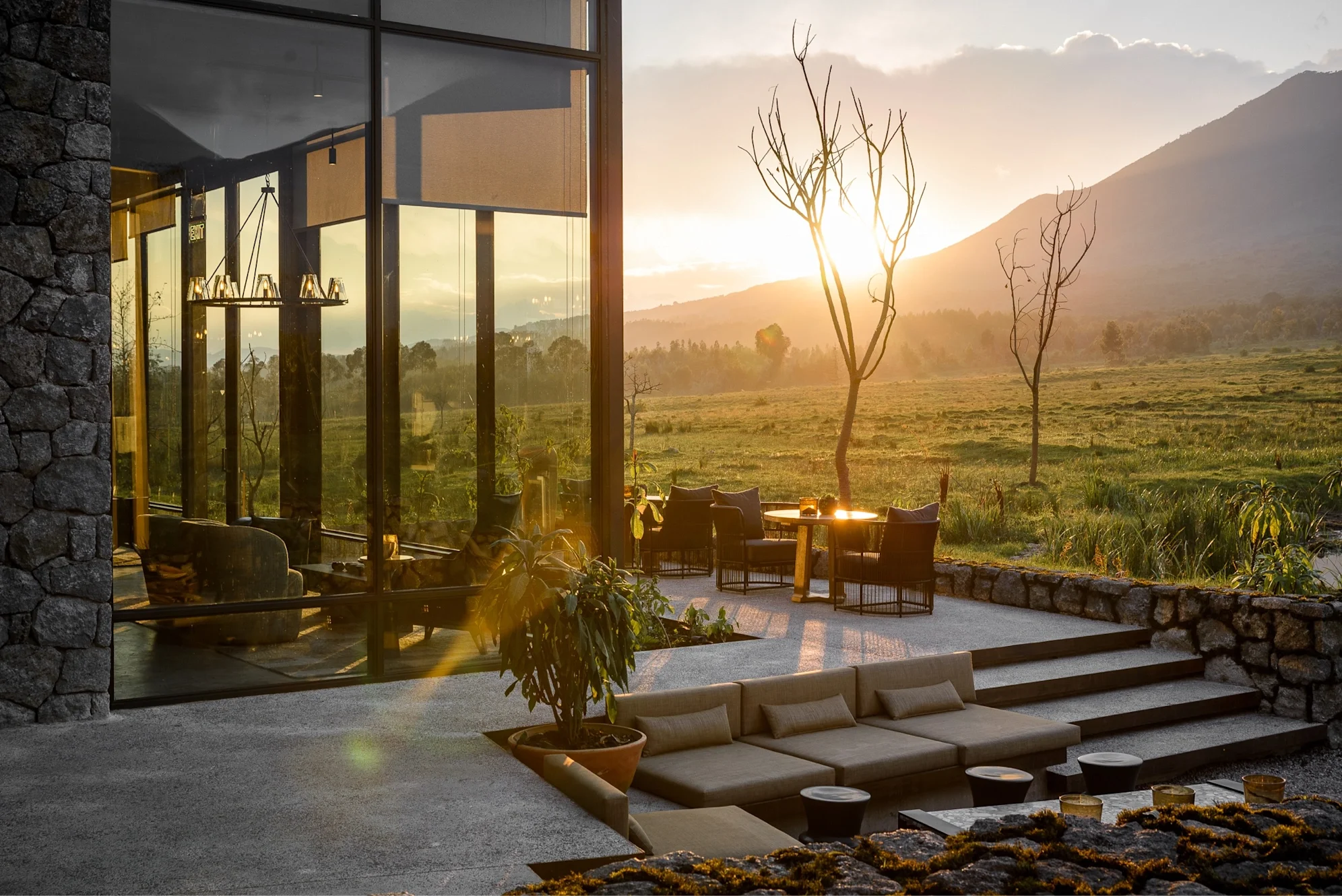
The pick for a family, and the one that solves the age problem structurally. Eight suites plus Kataza House, an exclusive-use four-bedroom villa with its own chef, butler and experiences manager, which means a group with mixed ages can stay together while only the over-fifteens trek. It sits on the Kinigi slopes below Sabyinyo, minutes from the park headquarters.
It also pairs cleanly with Singita Grumeti, so a Serengeti leg and a gorilla leg run on one booking with one operator.
Wilderness Bisate
The most complete experience on the circuit and the most expensive, with standard villas running roughly $1,400 to $1,700 per person per night. The kitchen is widely rated the best on the Rwanda circuit, working Musanze valley vegetables, highland dairy and Lake Kivu fish. There is now a sister property, Bisate Reserve, offering a fully private base.
One&Only Gorilla's Nest
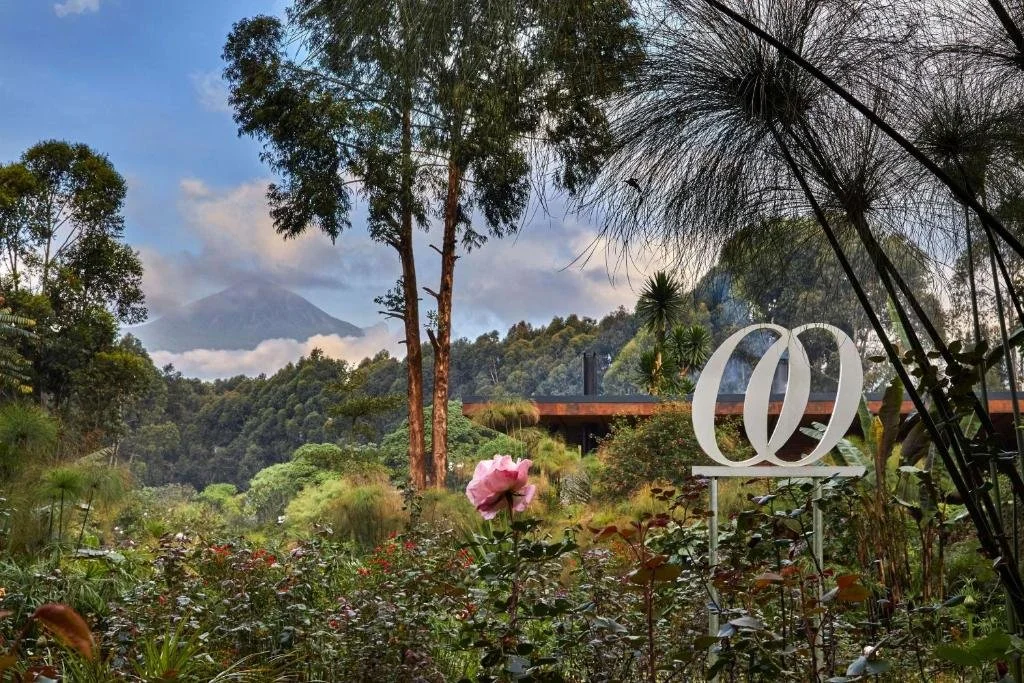
Eucalyptus-shaded grounds at the foot of the Virungas, with treehouses and villas, a spa, and the broadest non-trekking activity list of the three: coffee tastings, cultural performances, archery. That matters if under-fifteens are in the group and need something to do on trek days.
Volcanoes National Park is about three hours by road from Kigali. Best months are June to September and December to February, matching the dry seasons.
Mixed Ages and Multigenerational Groups
If you are travelling with a four-year-old and a fourteen-year-old, stop trying to find a lodge that suits both and book an exclusive-use villa instead. The economics improve sharply as the group grows, the age policies mostly dissolve, and the vehicle is yours, so the little one can go back after ninety minutes while everyone else stays out.
Cheetah Plains, Africa House at Royal Malewane, Sirikoi House and Tarkuni at Tswalu all put a chef, guide, tracker and vehicle at your disposal. Africa House sleeps up to twelve. For a group of eight or more, the per-person maths often beats booking individual suites at the same property.
Malaria, and the Question Every Parent Asks
This is the deciding factor for most families, and it weighs differently at different ages. Antimalarial prophylaxis for children is well established and widely used, but it is a daily medication with side effects, and the younger the child the less appealing that is to most parents.
If you want to remove the question entirely, the malaria-free options are Tswalu Kalahari in the Northern Cape, Kwandwe in the Eastern Cape and Madikwe in the North West. That is a genuinely good set of choices, not a consolation prize.
Everything else here carries some level of risk. The Kruger and its private reserves sit in malaria-risk zones, which covers Londolozi, Singita Sabi Sand, Cheetah Plains and Royal Malewane. Phinda is low-risk rather than free. The Maasai Mara and the Serengeti at altitude carry lower risk than coastal East Africa but are not zero. Talk to a travel doctor about your specific dates and your children's ages, because risk varies seasonally as well as geographically.
Best Time to Visit and When to Book
For Southern Africa, the dry winter months of May through October are the reliable choice. Grass is shorter, water is scarce, animals concentrate around what remains, and sightings get faster. That matters more with children than without, and it matters most with the youngest ones, because a dry-season drive delivers before patience runs out. The trade-off is cold. Pre-dawn drives in July in the Kalahari or the Delta are genuinely freezing, and small children feel it more than adults.
For Kenya and Tanzania, the migration drives the calendar, with July through September and the Christmas window as peak. Peak means river crossings, and it also means doubled park fees and no free child places. Angama's park fees run higher for adults from July to December, with a per-child fee kicking in at nine and children eight and under free, so a family with an eight-year-old and a nine-year-old is quoted differently for what looks like the same trip.
On booking windows, family suites and interconnecting rooms are the scarcest inventory at every property here and sell out first. Nine to twelve months ahead for June through September, six months for shoulder season. Green season, roughly November through April in Southern Africa, brings lush landscapes, newborn animals and meaningfully lower rates, at the cost of taller grass and harder spotting.
One timing note unrelated to wildlife. Long-haul flights to Johannesburg or Nairobi are overnight from most of the US and Europe, and internal light aircraft legs are short and often bumpy. Build a buffer night in Cape Town, Johannesburg or Nairobi before the bush rather than connecting straight through. This matters at every age and most of all under six.
How to Choose
If your children are under six, book Tswalu for the included vehicle and the malaria-free reserve, or an exclusive-use villa at Cheetah Plains if the budget stretches and you want total control of the schedule.
If they are six to nine, book Londolozi. The six-and-up policy, the included Cubs Den, the family-configured rooms and the explicit commitment to aiming the drive at children make it the lowest-risk choice on this list.
If they are ten to twelve, the map is fully open. Book Royal Malewane for the guiding or Singita for the polish, and take advantage of the standard suites that were closed to you a year earlier.
If they are teenagers, book for activity rather than accommodation. Vumbura Plains for walking and mokoro, Kwandwe for hands-on conservation, and Londolozi's Tree Camp once they hit sixteen.
If you are travelling with a wide spread of ages, stop optimising for the average and book a villa.
And if you want a beach at the end of it, Phinda pairs with the Indian Ocean coast. The same logic that makes an overwater resort work for children applies when everyone has run out of early mornings.
Frequently Asked Questions
What is the minimum age for a safari in Africa? Six is the most common minimum for a shared game drive across African lodges. Below that, most properties require a private vehicle or exclusive use of a villa. A handful, including Tswalu, Cheetah Plains and Angama Mara, welcome children of all ages, though Angama requires a private vehicle for children under seven on smaller bookings.
Can you take a toddler on safari? Yes, at properties that welcome all ages, but be clear about what you are buying. A child under four will not remember it, and a four-hour drive is beyond most of them. Book somewhere with an included private vehicle so you can cut a drive short, and expect the trip to be a beautiful bush holiday for the adults rather than a wildlife education for the child.
What is the best age to take a child on safari? Seven to twelve is the sweet spot. Six clears the main gate, so a seven-year-old joins normal drives without a private vehicle at most properties, and children in this range have both the attention span for a four-hour drive and the memory to keep it. Twelve adds walking safaris and mokoro trips, which is when the experience deepens again.
Are safaris good for teenagers? Very, and they get the best version of it. From twelve, walking safaris, mokoro excursions and boating open up, and some reserves offer hands-on conservation work. Kwandwe runs rhino notching for older children, and Vumbura Plains in the Okavango has the broadest activity programme for this age.
Which African safari lodges are best for young children? Tswalu Kalahari, where a private vehicle comes with every booking and the reserve is malaria free. Cheetah Plains, where you take an entire villa with your own guide and vehicle. Angama Mara, where the family suites have enclosed connecting passageways and standard season includes free child places.
Do we need a private vehicle on a family safari? Below six, almost everywhere. From six or seven upward it usually becomes optional. Some properties include it on every booking, notably Tswalu and Sirikoi, and Singita Ebony includes it for families of four or more with at least one child under ten. Where it is an extra, budget roughly $700 to $1,500 per vehicle per day.
Which African safari reserves are malaria free? In South Africa, Tswalu Kalahari in the Northern Cape, Madikwe in the North West, and Kwandwe and the wider Eastern Cape reserves. The Kruger and its private reserves, including the Sabi Sand, sit in malaria-risk zones. Kenya's Maasai Mara and Tanzania's Serengeti carry lower risk than coastal East Africa but are not risk free.
How much does a family safari in Africa cost? Roughly $1,000 to $3,000 per person per night all-inclusive at the lodges here, before international flights, light aircraft legs, park fees and conservation levies. Children usually pay 50 percent when sharing, and several lodges offer free child places in standard season. A week for a family of four commonly lands between $30,000 and $60,000.
How many nights should we spend at a safari lodge with kids? Three or four nights at one lodge, and no more than two lodges in a week. Every change means an early departure, a light aircraft flight and a new set of faces. Children settle into a camp by day two and get the best of it on days three and four, and the younger they are the more that holds.