
Hanging Lake Trail, Colorado: The Complete Guide to Hiking One of Colorado's Most Beautiful Lakes
Hanging Lake is a turquoise, travertine-rimmed lake suspended on a cliff face in Glenwood Canyon, and reaching it requires a timed permit reserved in advance at visitglenwood.com/HangingLake. The trail is short but steep — roughly 1.2 miles each way with about 1,200 feet of elevation gain — and the lake itself, fed by Bridal Veil Falls, is widely considered the most beautiful short hike in Colorado. The trail is open and permits are available through December 2026 following a multi-year redesign, so the only real planning step is booking your slot early, because they sell out fast in summer.
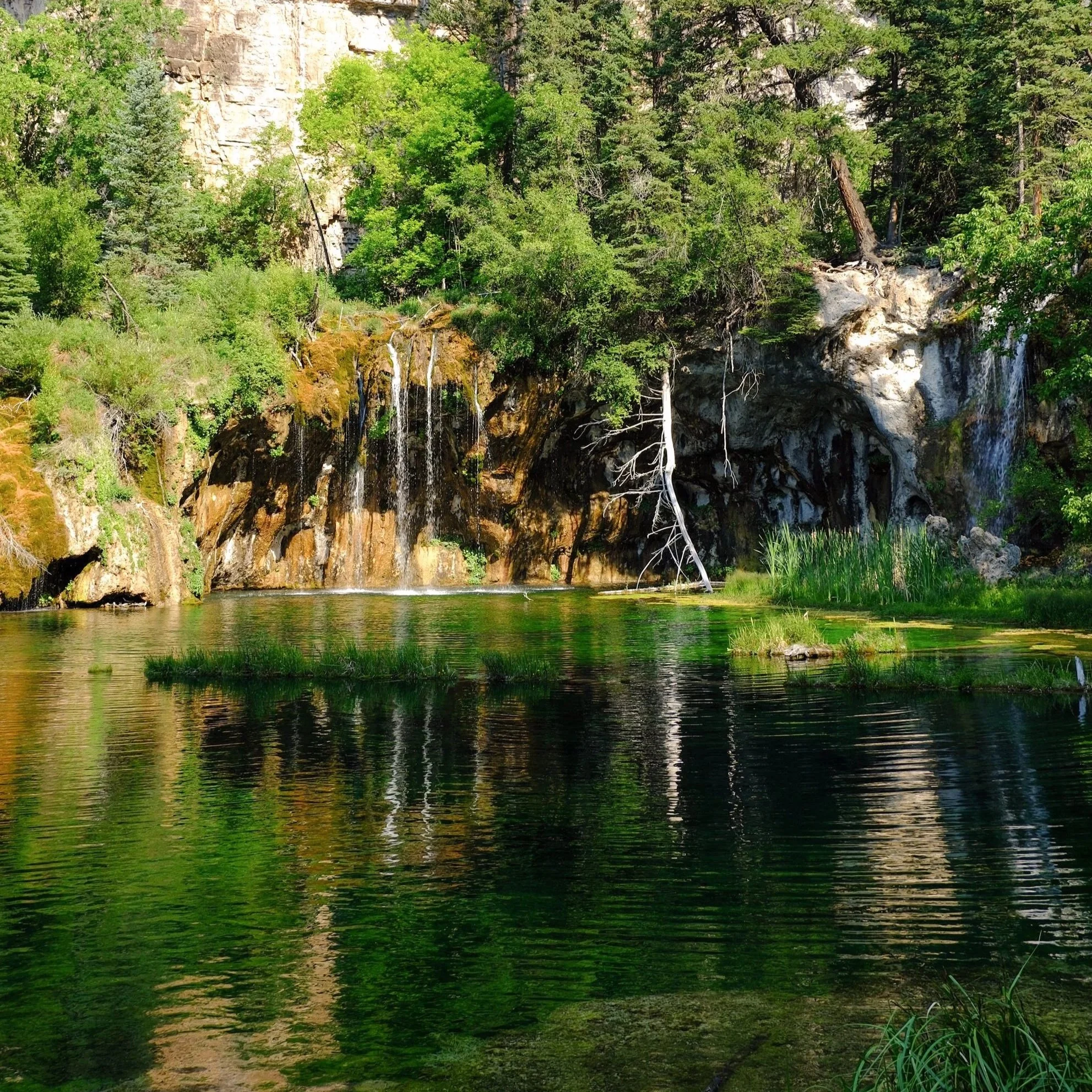
There are a handful of places in Colorado that look almost too perfect to be real, and Hanging Lake is the one that lands on every magazine cover and screen saver. The water is a clear, mineral turquoise. A trio of waterfalls spills over the far rim. Fallen logs lie suspended just beneath the surface, and a wooden boardwalk traces the shoreline so you can take it all in without touching a thing. It is a National Natural Landmark, it is fragile, and it is the kind of place that rewards a little advance planning enormously.
We've hiked it in the dry shoulder season and watched it freeze into ice sculptures in the depth of winter, and our honest take is this: the climb is harder than its short distance suggests, and it is worth every labored breath. Here is everything we'd tell a friend before they go.
Why Hanging Lake is so special
The lake exists because of a geological accident. Centuries ago a fault dropped this shelf of rock, and the mineral-rich water spilling over the edge slowly built up a fragile travertine deposit — essentially a form of limestone laid down by mineral springs — that now cradles the pool. Bridal Veil Falls feeds it from above, depositing the minerals that give the water its surreal color, and just beyond the lake, Spouting Rock sends a jet of icy water straight out through a hole in the cliff. A short spur lets you walk behind that second waterfall, and it's worth the extra five minutes.
That same fragility is why the rules here are stricter than on almost any other Colorado trail. There is no swimming, no wading, no touching the water, no walking on the submerged logs, and no dogs — not even left in the car at the trailhead. Drones are out too. Stay on the boardwalk, photograph everything, and leave it exactly as you found it.
How to get a Hanging Lake permit
This is the part that trips people up, so do it first. Hanging Lake runs on a timed-entry permit system, and you reserve online at visitglenwood.com/HangingLake before you go. Permits run about $12 per person from late spring through October and $10 per person in the off-season from November through March. Children two and under are free. Each permit gives you a three-hour window, and there is a strict arrival rule: you generally need to show up within thirty minutes before or after your reserved time, or you may be turned away.
Daily capacity is limited — only a few hundred permits are released per day — and summer weekends sell out well in advance, so book as early as you can. Take a screenshot of your confirmation before you arrive, because cell service drops off quickly once you're on the trail, and a ranger will check your reservation at the rest area.
Following the 2020 Grizzly Creek Fire and the debris flows that scoured the canyon afterward, the U.S. Forest Service rebuilt the trail and recreation area. Permits are available through December 2026, but because conditions in a burn-scarred canyon can change fast, the trail occasionally closes on short notice after heavy rain. If that happens to your date, your permit is refunded.
Getting there and parking
The trailhead sits at the Hanging Lake Rest Area off I-70 at Exit 125, about ten miles east of Glenwood Springs in the heart of Glenwood Canyon. Parking is at the rest area and is included with your permit — but there's a quirk worth knowing. There is no westbound exit at the rest area. If you're driving in from the east (Denver, Vail, or Silverthorne), you'll pass it, continue to Exit 116 in Glenwood Springs, turn around, and double back eastbound to Exit 125. Build that extra few miles into your timing.
A few important logistics: you must have your own vehicle parked at the trailhead. Ride-shares, taxis, and drop-offs aren't permitted, because the canyon needs to be able to evacuate quickly in an emergency, and there is currently no shuttle to the parking area. In summer and fall, strong cyclists can ride to the trailhead along the paved Glenwood Canyon Recreation Path instead — a lovely "bike-to-hike" option — though you'll still need a hiking permit, and that path closes in winter.
What the hike is actually like
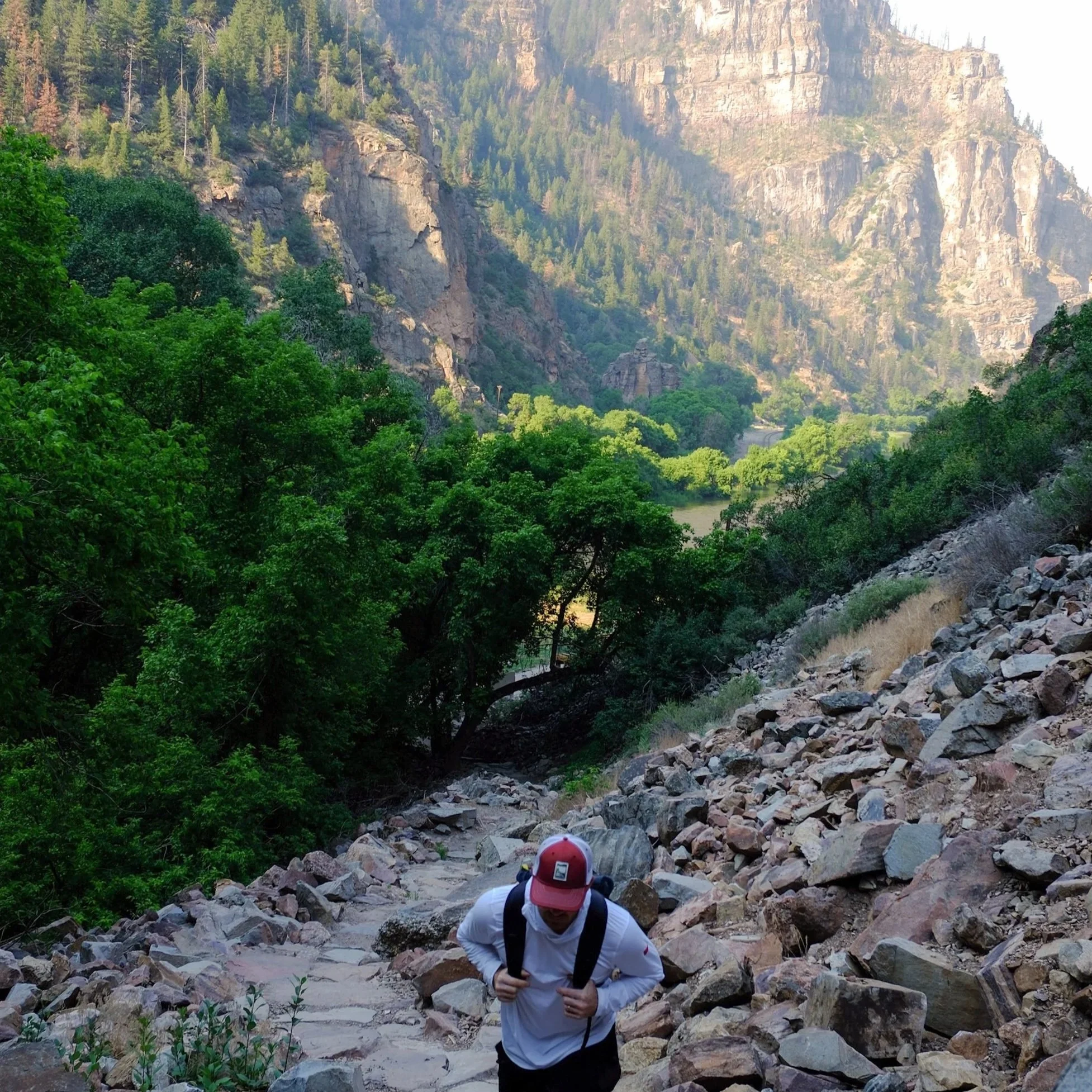
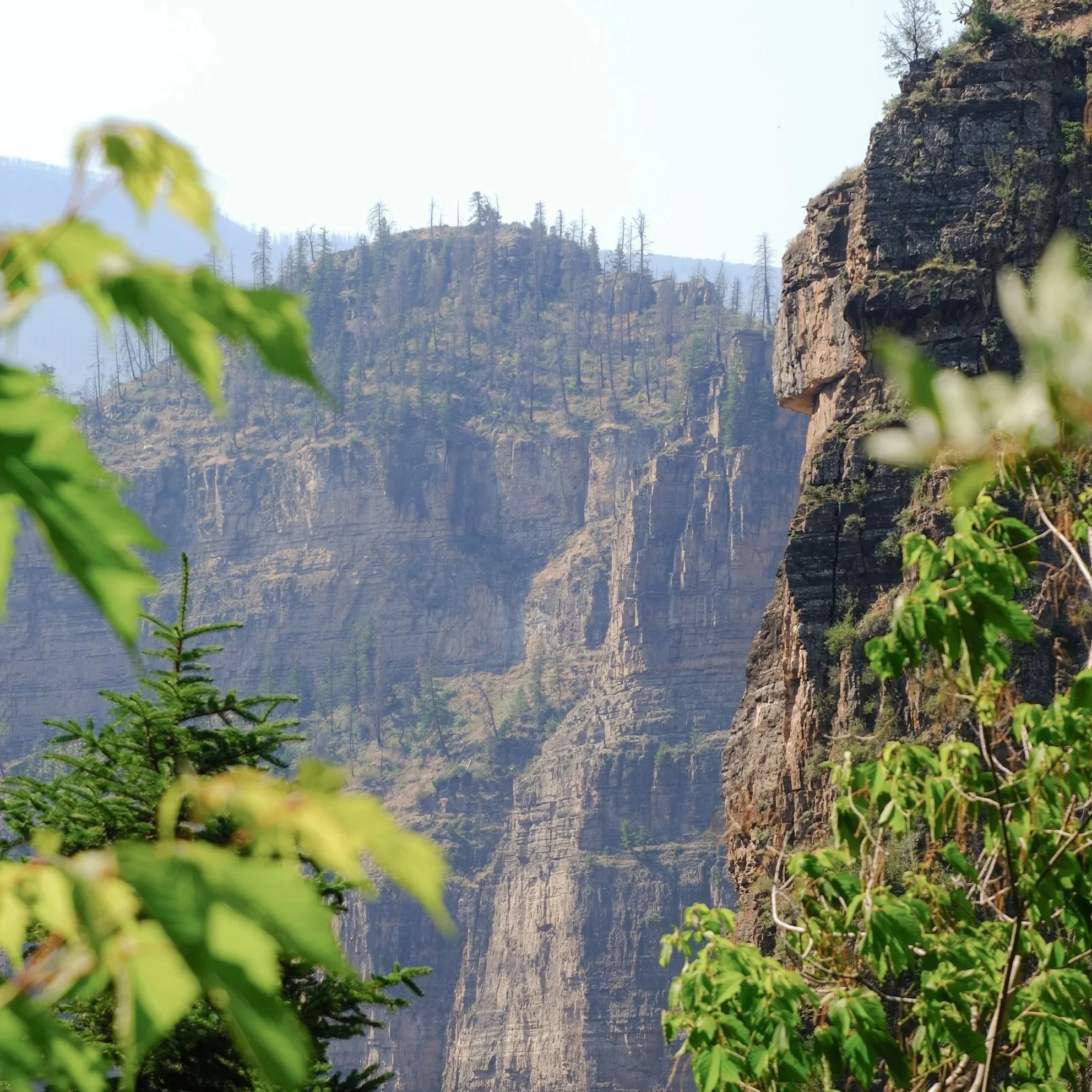
Don't let the mileage fool you. The trail climbs roughly 1,200 feet in just over a mile, which makes it a steep, sustained, rocky grind — moderate-to-strenuous by any honest measure. You'll cross seven footbridges as you follow Dead Horse Creek up the canyon, and the final approach is a series of stone steps and handrails bolted into the rock. Most people take about two hours up and one hour down, with time at the top to soak it in.
The reward arrives all at once. The trail gives way to a boardwalk that wraps the shoreline, and the lake opens up below the cliffs with the waterfalls feeding it from above. If you have anything left in your legs, take the short spur up to Spouting Rock and step behind the falls. Then budget plenty of time for the descent, because those same stone steps are slick and unforgiving on tired knees.
A note on altitude: the lake sits above 7,000 feet, and visitors coming from sea level often feel the thin air on this climb more than they expect. Go slowly, hydrate, and don't be shy about resting on the benches along the way.
What to pack
Because there are no restrooms, no water fountains, and no facilities of any kind on the trail or at the lake, you carry everything in and pack everything out. Use the restroom at the trailhead before you start. Bring more water than you think you'll need, a light snack, sunscreen, and a hat. Wear real hiking shoes or trail runners with good grip — open-toed shoes are a genuinely bad idea on this terrain. And bring a camera: this is one of the few hikes where the destination consistently out-delivers the photos.
If you're hiking in winter, the experience is magical — the falls freeze into ice formations and the crowds thin out — but the trail gets icy and snow-packed, so micro-spikes and trekking poles move from "nice to have" to essential.
When to go
The trail is technically open year-round, but late spring through early fall is the sweet spot for snow-free footing and predictable weather. Weekday mornings are quietest; an early start also means you're descending before afternoon thunderstorms roll in. Early fall brings golden color to the canyon, and winter, for the prepared and properly shod, is the quiet, glittering off-season secret.
Where to stay and how to make it a trip
Hanging Lake pairs beautifully with a soak. Glenwood Springs, ten minutes west, is built around hot water — the historic Glenwood Hot Springs Resort claims the world's largest hot-springs pool, and Iron Mountain Hot Springs offers a quieter, terraced set of mineral pools overlooking the Colorado River. There's no better way to talk your legs out of their post-hike protest.
For travelers willing to go a little further upvalley, Hanging Lake also makes a natural detour on the way to or from Aspen, which sits about forty minutes east. We'd happily build a long weekend around it: the hike and the hot springs one day, then base yourself in the mountains for the rest. Our Aspen summer travel guide covers the best hikes, hotels, and restaurants in town, and for families, our Snowmass Village travel guide breaks down where to stay and what to do at a slightly more relaxed pace. If you're after a truly special place to land, the historic Hotel Jerome and a handful of other Aspen properties we've stayed at and paid for are written up honestly in The Boujist Collection.
Hanging Lake is short, it's strict, and it asks a little planning of you. Reward the canyon by treating it gently, and it will give you one of the most quietly astonishing hours of any trip to Colorado.
Frequently Asked Questions
Do you need a permit to hike Hanging Lake? Yes. A timed-entry permit is required for every hiker and must be reserved in advance at visitglenwood.com/HangingLake. Permits cost roughly $12 per person in the warmer months and $10 in the off-season, and a ranger checks reservations at the trailhead. There is no walk-up option, and summer dates sell out early.
How long and how hard is the Hanging Lake hike? The trail is about 1.2 miles each way — roughly 2.4 to 3 miles round trip depending on how it's measured — with around 1,200 feet of elevation gain. It's short but steep and rocky, rated moderate to strenuous. Most hikers take two hours up and one hour down, plus time at the lake.
Is Hanging Lake open in 2026? Yes. Following a multi-year redesign after the 2020 Grizzly Creek Fire and the flooding that followed, the trail is open and permits are available through December 2026. The canyon can close temporarily after heavy rain for safety; if your date is affected, your permit is refunded.
Can you swim in Hanging Lake? No. Swimming, wading, and any contact with the water are strictly prohibited to protect the fragile travertine ecosystem. Fishing and drones aren't allowed either, and you must stay on the boardwalk and designated trail.
Are dogs allowed on the Hanging Lake trail? No. Dogs and pets are not permitted on the trail or at the lake, and they cannot be left in vehicles at the trailhead. Only classified service animals are allowed; emotional-support animals are not. Plan for a kennel in Glenwood Springs if you're traveling with a pet.
Where do you park for Hanging Lake? At the Hanging Lake Rest Area off I-70 at Exit 125, about ten miles east of Glenwood Springs. Parking is included with your permit. If you're coming from the east, note there's no westbound exit — continue to Exit 116 in Glenwood Springs and double back eastbound.
Are there bathrooms on the trail? No. There are no restrooms or drinking water on the trail or at the lake — only at the trailhead. Use them before you start, carry plenty of water, and pack out all trash.
What's the best time of year to hike Hanging Lake? Late spring through early fall offers the most reliable, snow-free footing. Weekday mornings are least crowded. Winter is beautiful but icy, so bring micro-spikes and poles if you go in the cold months.