
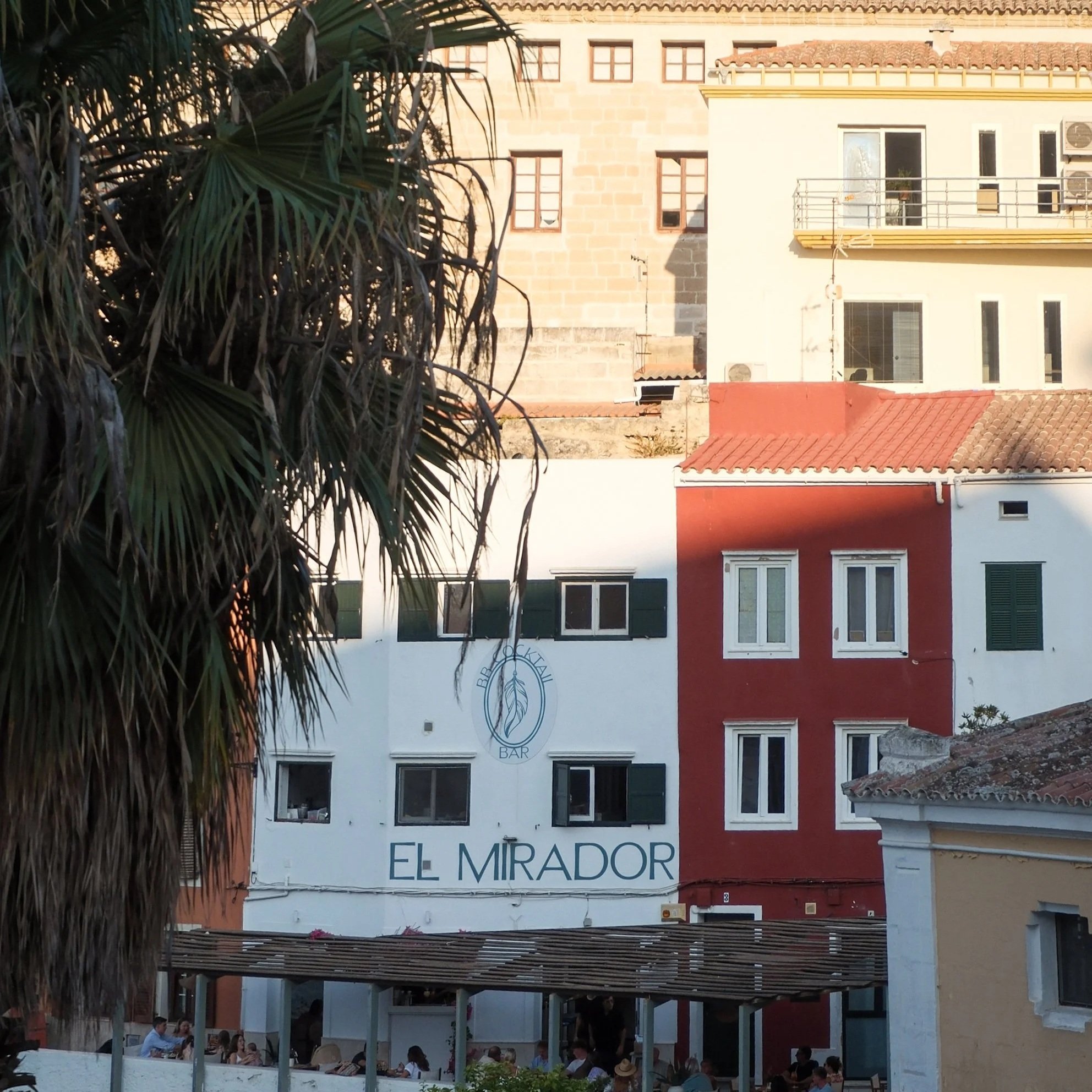
Mahón (Maó) is Menorca's working capital and its most underrated stop. It is a cliff-top old town of Georgian windows and baroque churches looking down on one of the largest natural harbours in the world, with the island's best food markets, its historic gin distillery, and a Hauser & Wirth gallery on an islet in the middle of the harbour. It is livelier and less postcard-pretty than Ciutadella, and that is exactly its charm.
If you do one thing, get on the water. Give Mahón a morning for the markets and the old town, an hour on a harbour boat, and a pomada at the distillery, and you have one of the best days on the island. Staying on the east side? This is your town.
Everything in this guide comes from a Menorca trip we paid for ourselves. No comps, no press rates. Just what we'd tell a friend.
Updated: October 2026
Mahón at a Glance
The one thing not to miss: the harbour from a boat. Everything else in Mahón is prologue.
Best morning: the markets, Mercat des Claustre for produce and Mercat des Peix for fish, then coffee on Plaça del Bastió.
Best afternoon: the ferry to Illa del Rei for Hauser & Wirth, or the Museu de Menorca when it is too hot to be outside.
Best evening: the walk along the port to Es Castell and dinner at Cales Fonts, with the harbour lit up across the water.
How long it deserves: a full day, minimum. Two nights if you are using it as an east-side base.
Why Mahón Works: The Short Version
Every power that ever wanted the western Mediterranean wanted Mahón. Its harbour, a natural inlet about five kilometres long and up to 900 metres wide, is the largest natural harbour in the Mediterranean and the finest anchorage between Gibraltar and Malta. The British held Menorca for most of the eighteenth century and left fingerprints everywhere: sash and bow windows (locals call them boinders) on townhouses, Georgian facades above Spanish plazas, and a taste for gin that never left. Mahón has been the island's capital since the British era, and today it is the working capital rather than the showpiece, where Menorcans actually shop, eat and go out. That is why the markets are real markets and the restaurant scene is the strongest on the island.
The Best Things to Do in Mahón
Get on the Harbour
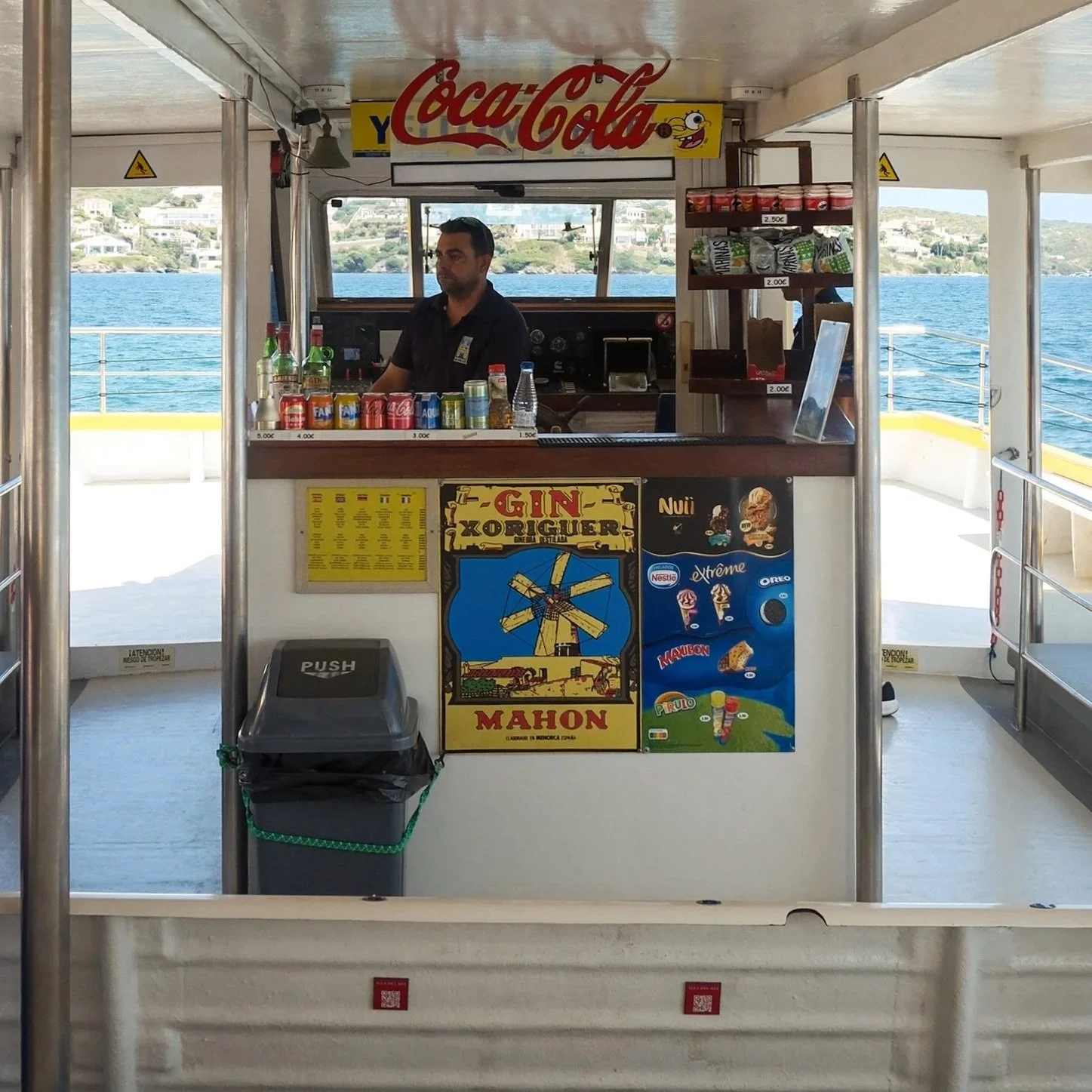
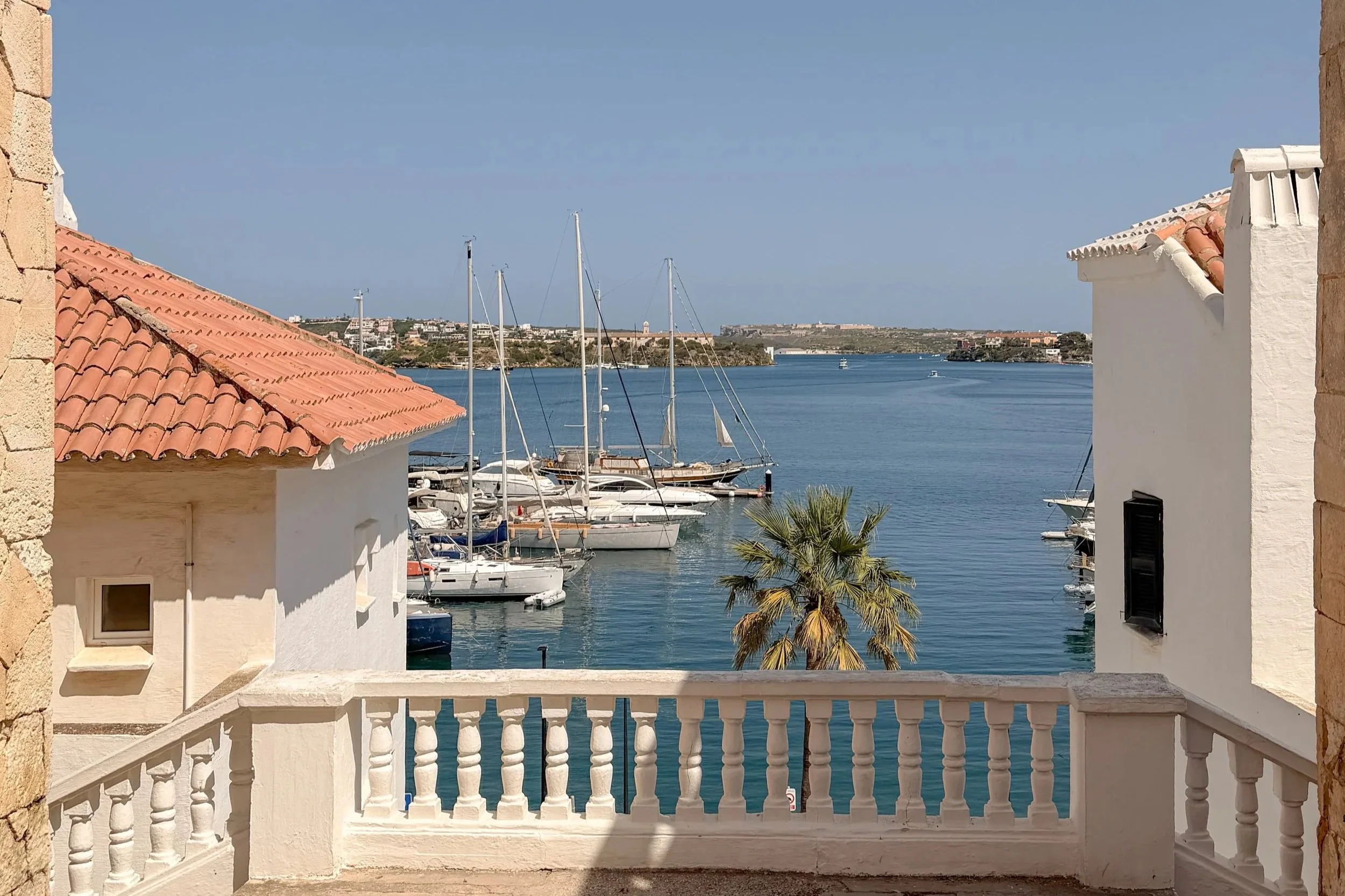
The harbour is the reason Mahón exists, and it only makes sense from the water. One-hour cruises leave from the port through the season, including glass-bottom boats that drift over the clear shallows, and the route strings the whole story together: the Georgian waterfront houses, the naval base, the islets of Illa del Rei and the Llatzaret quarantine island, and the La Mola fortress standing guard at the mouth. Back on land, walk the harbourfront itself, Moll de Llevant and Moll de Ponent, where the old town looks down from the cliff and the port does its long, loud evening shift of restaurants and bars. The old town sits directly above, reached by stairs and lifts, so the port-and-town combination is the natural unit of a Mahón day.
Take the Ferry to Illa del Rei
The short crossing to Illa del Rei is the trip's surprise. The island holds an eighteenth-century British naval hospital, built from 1711 and restored by local volunteers, and since 2021 it has also held a Hauser & Wirth art centre: galleries in the hospital's outbuildings, a sculpture trail, gardens designed by Piet Oudolf, and the Cantina restaurant for a long lunch. World-class contemporary art on an islet in a Menorcan harbour makes no sense on paper and completely works in person. The shuttle boat leaves from Moll de Llevant 61, takes about 15 minutes, and runs roughly hourly in season; entry to the art centre is free and the return ticket costs about €10. The season runs from late April to late October. We have a whole guide to doing Illa del Rei properly, including the ferry logistics and how to time lunch at Cantina.
Do the Markets Properly
Mahón's two markets are the morning, and they sit a few streets apart in the old town. The Mercat des Claustre fills the cloister of the old Carme convent with food stalls and local producers: Menorcan cheese, sobrassada, island vegetables, bakeries and small shops around a courtyard that hosts events in summer. It opens Monday to Saturday and it is a working market first, which is the compliment. Next door on Plaça d'Espanya, the Mercat des Peix, the 1920s fish market, still sells the morning's catch at its fish stalls and then turns into a tapas hall, with pintxos counters and courtyard tables from late morning onwards. On Tuesday and Saturday mornings there is also an outdoor street market on Plaça de s'Esplanada, the big parade-ground square at the top of the old town.
Walk the Old Town
Start on Plaça de s'Esplanada and work downhill. The morning light on the boinders alone justifies the walk, and the streets between Plaça del Bastió and the harbour overlook hold most of what you came for: the town hall on Plaça de la Constitució, the Teatro Principal (one of Spain's oldest opera houses, opened in 1829), and a run of Georgian-fronted streets that would look at home in Portsmouth if the stone were not glowing gold. There is no route to optimise. Mahón's old town is small, lived-in and best done slowly, with the harbour appearing at the end of every third street.
Hear the Organ at Santa Maria
The church of Santa Maria, on Pla de la Parròquia in the middle of the old town, looks plain from outside and then floors you indoors: a single vast nave and, above the door, a monumental organ built by the Swiss maker Johann Kyburz, delivered in 1809 and inaugurated in 1810, with four keyboards and more than 3,000 pipes. From May to October there are short organ concerts most days at 11am (not Sundays), which is the way to hear it rather than just look at it. Build the old town walk around one.
Spend an Hour in the Museu de Menorca
The island's main museum sits in a Baroque Franciscan convent above the harbour and does the whole of Menorca in one building: Talayotic prehistory, the Roman and Byzantine centuries, the British period told through a superb collection of harbour maps and charts, and Menorcan painting into the twentieth century. It is the best context-setter on the island and the obvious rainy-day or hot-afternoon move. Admission is €4, Sundays are free, and it closes on Mondays.
Drink the Gin Where It Is Made
The Xoriguer distillery stands on the harbourfront at Moll de Ponent, still distilling the gin the British-era island learned to make for the Royal Navy's sailors, in copper stills over wood fires. You can taste at the shop, and guided tours run on weekdays in season (about €15, book ahead). Then order it the local way: pomada, Xoriguer gin with cloudy lemonade over ice, the island's unofficial drink and the official one at every festa. If the distillery is the pilgrimage, the harbour bars below the old town are where to drink the second one.
Add La Mola if You Have Half a Day
At the mouth of the harbour, on the northern shore, the Fortaleza de la Mola (the Fortress of Isabel II) is the heavyweight sight: a vast nineteenth-century fortress built between 1850 and 1875, all ramparts, tunnels, gun batteries and views back down the harbour to the town. It is too big to rush, so give it two hours, hire one of the golf buggies if walking is a constraint, and go early or late in summer to dodge the heat on the exposed headland. In summer it opens daily from about 10am; winter opening is reduced, so check before you drive out. Pair it with the harbour boat, which sails right past it, and the two visits explain each other.
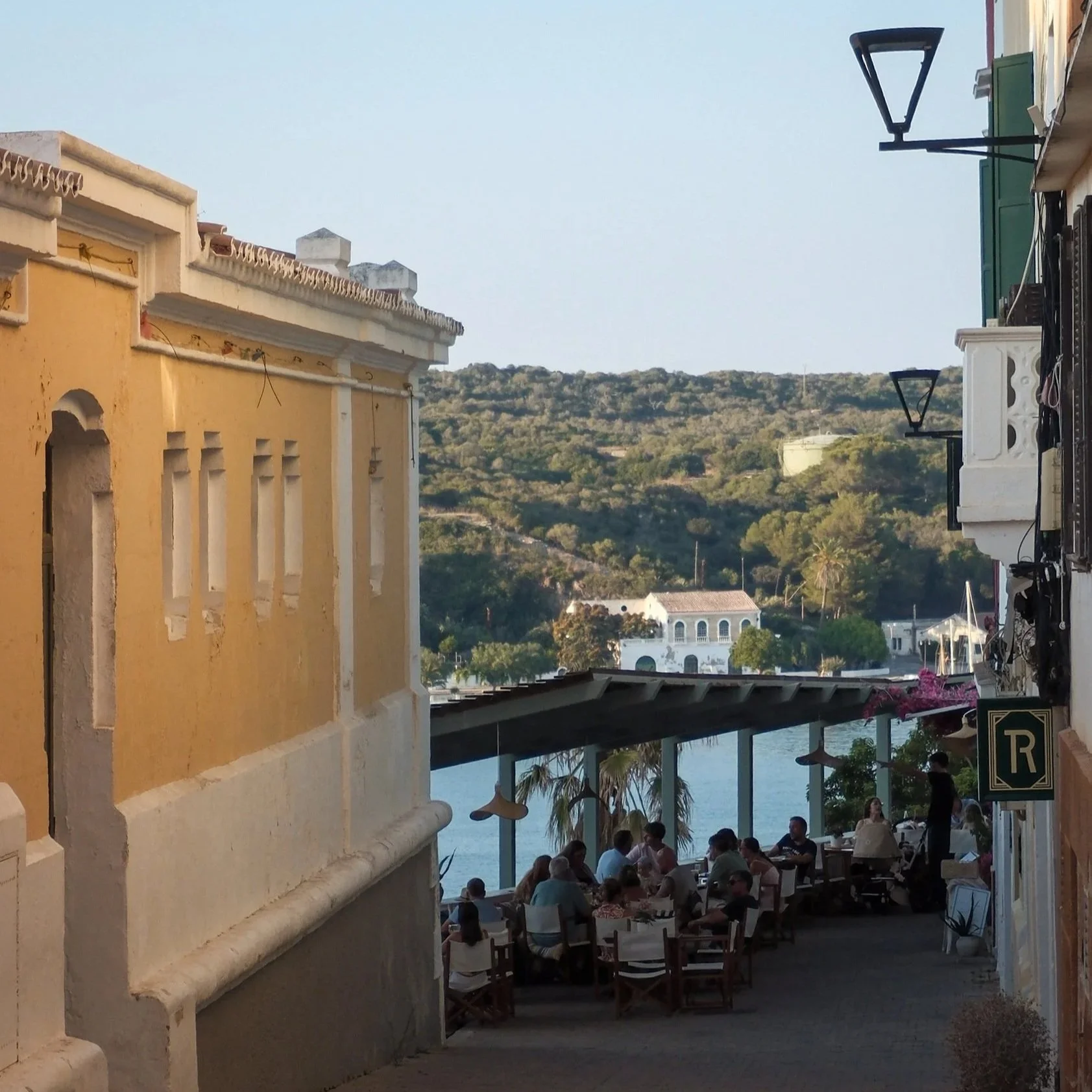
Finish in Es Castell at Cales Fonts
For the slower evening, walk or take the short drive along the harbour to Es Castell, the most British of Menorcan towns, all Georgian crescents from its days as Georgetown. Its little port, Cales Fonts, is a cove lined with restaurants where the east side does dinner with its feet nearly in the water. It is the natural end to a Mahón day: harbour in front of you, no agenda left.
The Beaches Near Mahón
Mahón itself is a harbour town, not a beach town, but the east side compensates. Es Grau, fifteen minutes north inside the S'Albufera des Grau natural park, is the family move: a sheltered, shallow bay where the water stays calm even when the wind is up. We spent one of our best days of the trip there, and it has its own guide, a perfect day in Es Grau, kayaks to Illa d'en Colom and all. Sa Mesquida, a short drive north of town, is the locals' beach and the closest proper swim. South of Mahón, Punta Prima and Binibèquer are both about 20 minutes away: Punta Prima is an easy, serviced resort beach facing Illa de l'Aire and its lighthouse, and Binibèquer's whitewashed fishing village backs a small, pretty cove. The famous south coast calas are 30 to 45 minutes away. Our best beaches in Menorca guide breaks down the full list, from the postcard calas to the ones you can actually get a parking spot at in August.
One Day in Mahón: How We'd Do It
Morning. Start at the Mercat des Claustre as the stalls open, then cross to the Mercat des Peix while the fish counters are still the point of the place. Coffee and pastries at Pigalle on Plaça del Bastió. Walk the old town downhill, boinders and harbour views, and be at Santa Maria for the 11am organ concert if your day has one.
Midday. Get on the water. Either the one-hour harbour cruise, or the ferry to Illa del Rei for the gallery, the gardens and lunch at Cantina. Back in town, graze the pintxos counters at the fish market or sit down properly at Llenegall on the port.
Afternoon. The Museu de Menorca for an hour of context, or the Xoriguer distillery for the tour and a tasting. If you have the energy and the heat allows, this is also the La Mola slot; otherwise save the fortress for a second morning.
Evening. Golden hour on the harbourfront, then the walk or short drive to Es Castell for dinner at Cales Fonts. A pomada somewhere along the port on the way home is not optional.
Mahón vs Ciutadella
The two old capitals bookend the island, about 45 minutes apart by car, and the honest answer is that you should see both. But they are not interchangeable, and if your time or your base forces a choice, this is how it breaks down.
For a first visit: Ciutadella if you can only pick one and want the postcard. Mahón if you care more about eating well and seeing the island's engine room. Ideally, a day in each.
For sunset: Ciutadella, no contest. For sunrise over the harbour with the town empty, Mahón.
As a base: Mahón for logistics and life, 10 minutes from the airport with the island's best food on your doorstep. Ciutadella for romance and the calas. Our Ciutadella guide makes the other side's case, and our Menorca island guide covers how to split a trip between the two.
Where to Stay in Mahón
Sleeping in Mahón itself is the underrated move: you get the island's best dinners on foot and the airport 10 minutes away, and you trade a beach at the door for a harbour at the end of the street. Three in-town picks:
Cristine Bedfor is the boutique pick, a garden-courtyard hotel that makes a real case for basing in Mahón itself. It is our pick in town.
Can Alberti 1740 is the grand one: a 1740 mansion on Carrer d'Isabel II turned 14-room boutique hotel, with a courtyard, a rooftop terrace and an honesty bar.
ARTIEM Capri is the practical one, a modern urban hotel near the bus station with a rooftop pool, handy if Mahón is your transport hub as much as your base.
Our own stay was at Torre Vella Fontenille, twenty minutes west near Alaior, which splits the difference between Mahón and the beaches and remains our favorite place on the island. For the full ranked list, including Son Vell and Villa Le Blanc, see our guide to the best hotels in Menorca.
Where to Eat and Drink (the Short Version)
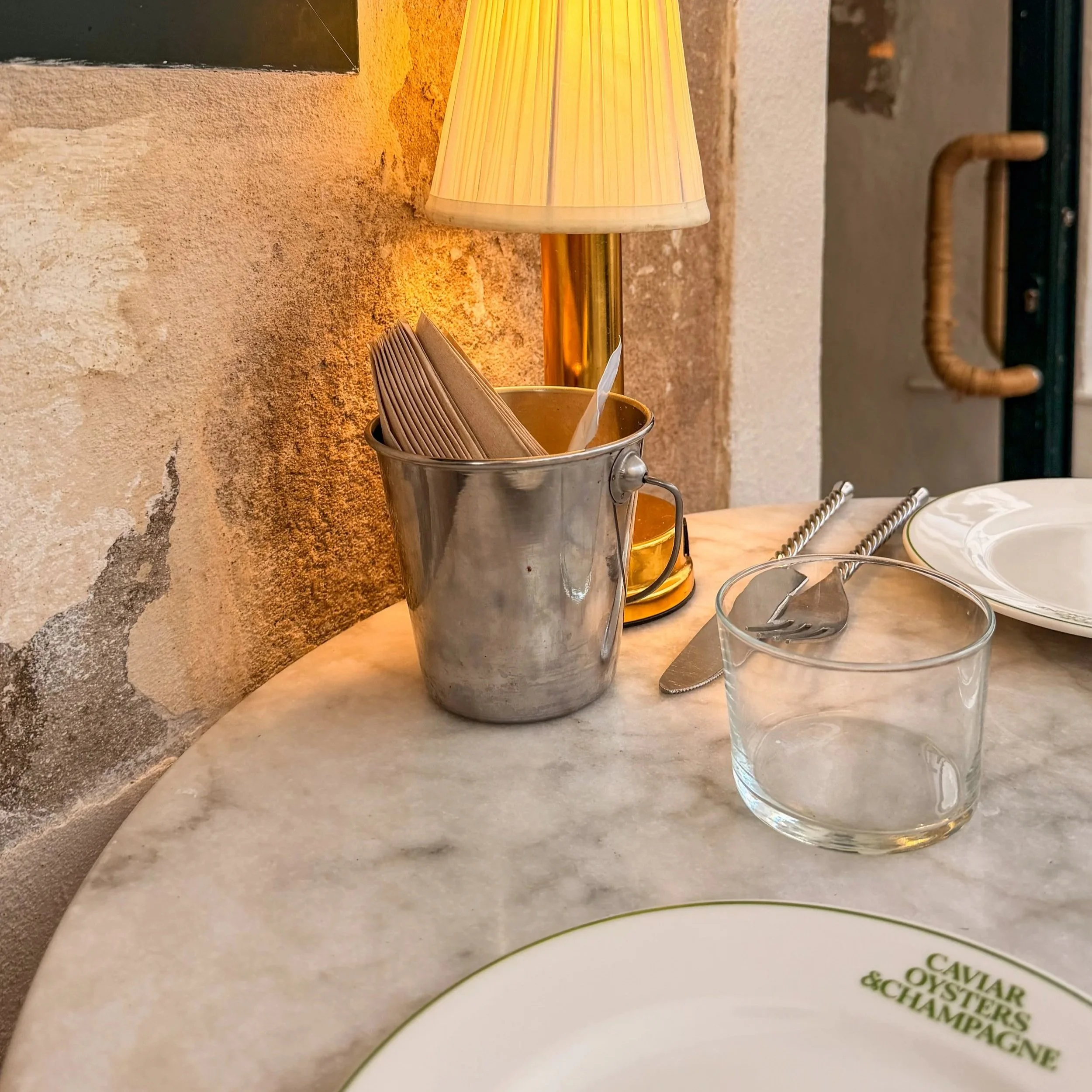
Mahón has the best food scene on the island, and it starts early. Pigalle, on Plaça del Bastió, is the morning move for pastries and coffee: mornings only, closed Sundays, worth planning around. Oysters Menorca does exactly what the name promises and fills up fast, so reserve ahead (also closed Sundays). Candela and Bar Augustin anchor the old town for lunch, and Llenegall down at the port is our pick for a long harbourside dinner. Those are the highlights. Our full best restaurants in Menorca guide ranks our favorite tables across the island, including the beach bars worth planning a whole day around.
The Shopping, Briefly
Mahón is also the island's best shopping town, and most of it fits in one walkable loop: Nanai Atelier on Bastió, part boutique, part natural wine bar; La Cereria on Carrer d'Isabel II for the old-world stop; and Tembo, facing the fish market on Plaça d'Espanya. Our best shops in Menorca guide maps the full route, including Poc a Poc, Can Sab and the antiques detour on the road toward Alaior.
Getting to Mahón and Around
From the airport. Menorca Airport is about 5 kilometres southwest of Mahón, roughly 10 minutes by taxi. The L10 bus runs from the airport to Mahón's bus station (Estació d'Autobusos) in about 10 minutes for a few euros, and it is the same station the island's buses leave from, including the roughly hourly service to Ciutadella (about an hour; the drive takes about 45 minutes).
In town. The old town is compact and walkable, but it sits on the cliff above the port, so expect stairs (there are lifts) between the harbour and the centre. Base yourself in the old town and everything in this guide is on foot except La Mola, Es Castell and the beaches.
By car. A car earns its keep for La Mola, Es Grau and the calas. Park at the edge of the old town or down at the port and walk in; the centre's streets are narrow and several are pedestrianised. In August, arrive at beaches before 10am or accept the parking lottery.
By ferry. Mahón is also a ferry port, with sailings to mainland Spain and Mallorca, which is how some island-hopping trips arrive. The ferry terminals are on the harbour, below the old town.
When to Go
Mahón's season runs from about late April to late October, which is when the harbour boats, the Illa del Rei ferry and the full restaurant scene are running. May, June and September are the sweet spots: warm, open, and without August's pressure. The town's own festa, Mare de Déu de Gràcia, takes over on 7 to 9 September. Mahón has a real year-round population, so unlike the resort towns it never fully closes, but be honest about winter: from November to March much of the island, including many hotels, restaurants and the Illa del Rei art centre, shuts down, and Mahón becomes a quiet local town rather than a holiday base. Our Menorca island guide covers when to go island-wide.
Frequently Asked Questions
Is Mahón worth visiting?
Yes, and it is the stop most Menorca itineraries underweight. The harbour alone justifies the trip, and the markets, the gin distillery, the Illa del Rei gallery and the island's best food scene are all inside one walkable town. If you only have a day to give it, give it a full one.
Is Mahón or Ciutadella better to visit?
Visit both; they are about 45 minutes apart. Ciutadella is prettier, all golden old town and cathedral lanes. Mahón is livelier and more local, with better markets, better restaurants and the harbour. If you are choosing a base on the east side of the island, Mahón wins. The full comparison is in the Mahón vs Ciutadella section above.
How many days do you need in Mahón?
A full day covers the old town, the markets and a harbour boat trip. Add Illa del Rei and dinner in Es Castell and it is one of the best days on the island. As a base, two to three nights works well for the east side, and the town rewards staying put rather than day-tripping in.
What is Mahón known for?
Its harbour, one of the largest natural harbours in the world, plus British colonial architecture, the Xoriguer gin distillery and its food markets. It is also credited as the birthplace of mayonnaise, from "mahonesa".
What is pomada?
Menorca's signature drink: local Xoriguer gin mixed with cloudy lemonade, served over ice. You will see it at every festa and beach bar on the island. The distillery on Mahón's harbourfront is the place to try it at the source.
Does Mahón have beaches?
Not in town, but Es Grau is fifteen minutes north and is one of the best family beaches on the island, sheltered and shallow inside a natural park. Sa Mesquida is closer still, and the south coast coves are within 45 minutes.
What is the best time of year to visit Mahón?
May, June and September, when everything is open, the harbour is alive and the island is not at August pressure. The season runs roughly late April to late October; winter is quiet and much of the visitor infrastructure closes.