
Venice Travel Guide: Where to Stay, What to Do, and Where to Eat
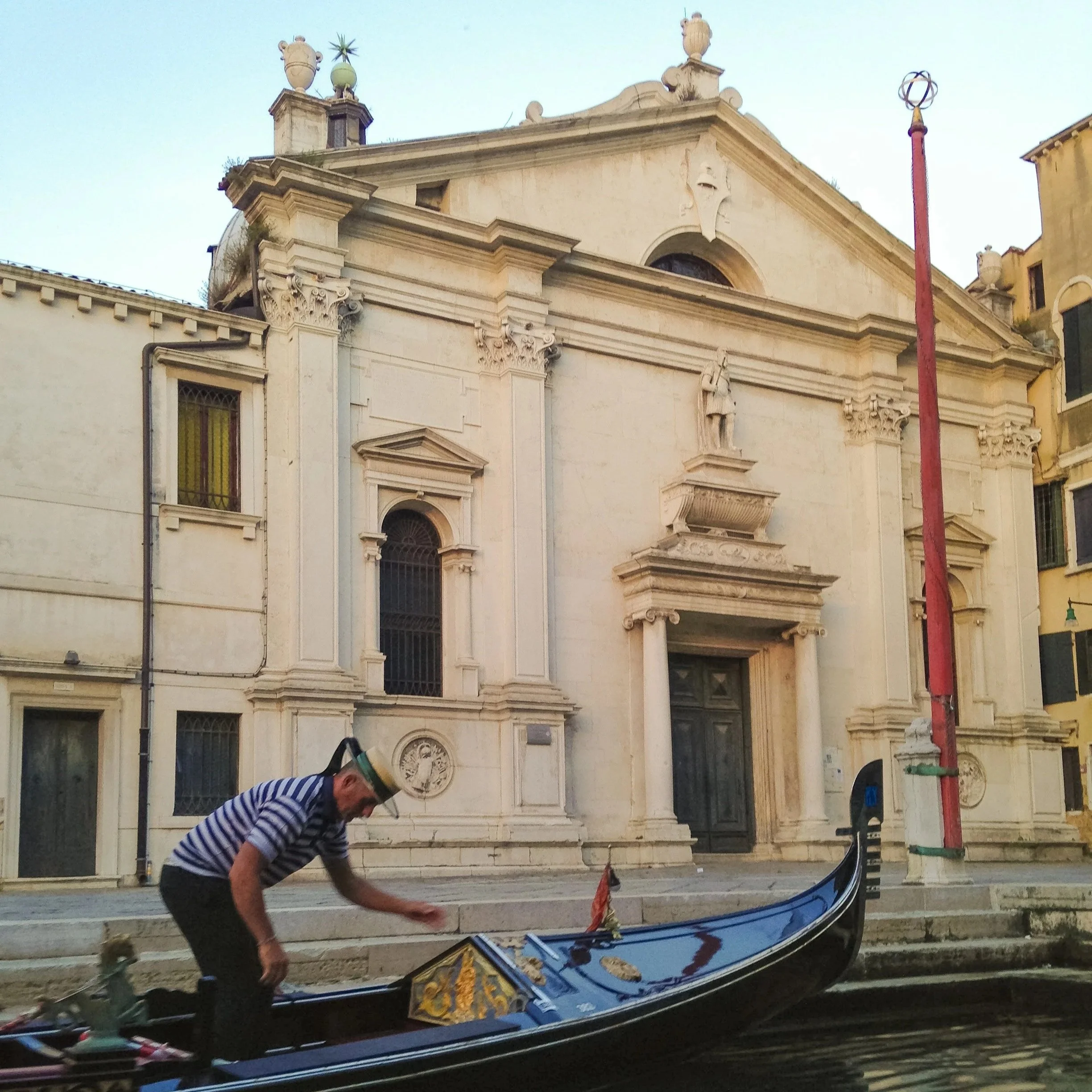
Venice is a city people warn you about. Too crowded, too expensive, too much of a museum piece — and then you arrive, step off the boat into a place where there are no cars and the streets are made of water, and the warnings stop mattering. We spent a stretch of June here, and even in the heart of the busy season, the city kept delivering the moments it's famous for: the early light on the Grand Canal before the crowds, a spritz at a canal-side counter, the hush inside a palazzo full of art.
This is our honest guide to Venice — where we stayed, what was worth our time, and where to eat and drink away from the tourist traps. We paid for our own stay, and nothing here is sponsored. It pairs naturally with our wider Italy coverage, including our guide to Florence and three days in Rome.
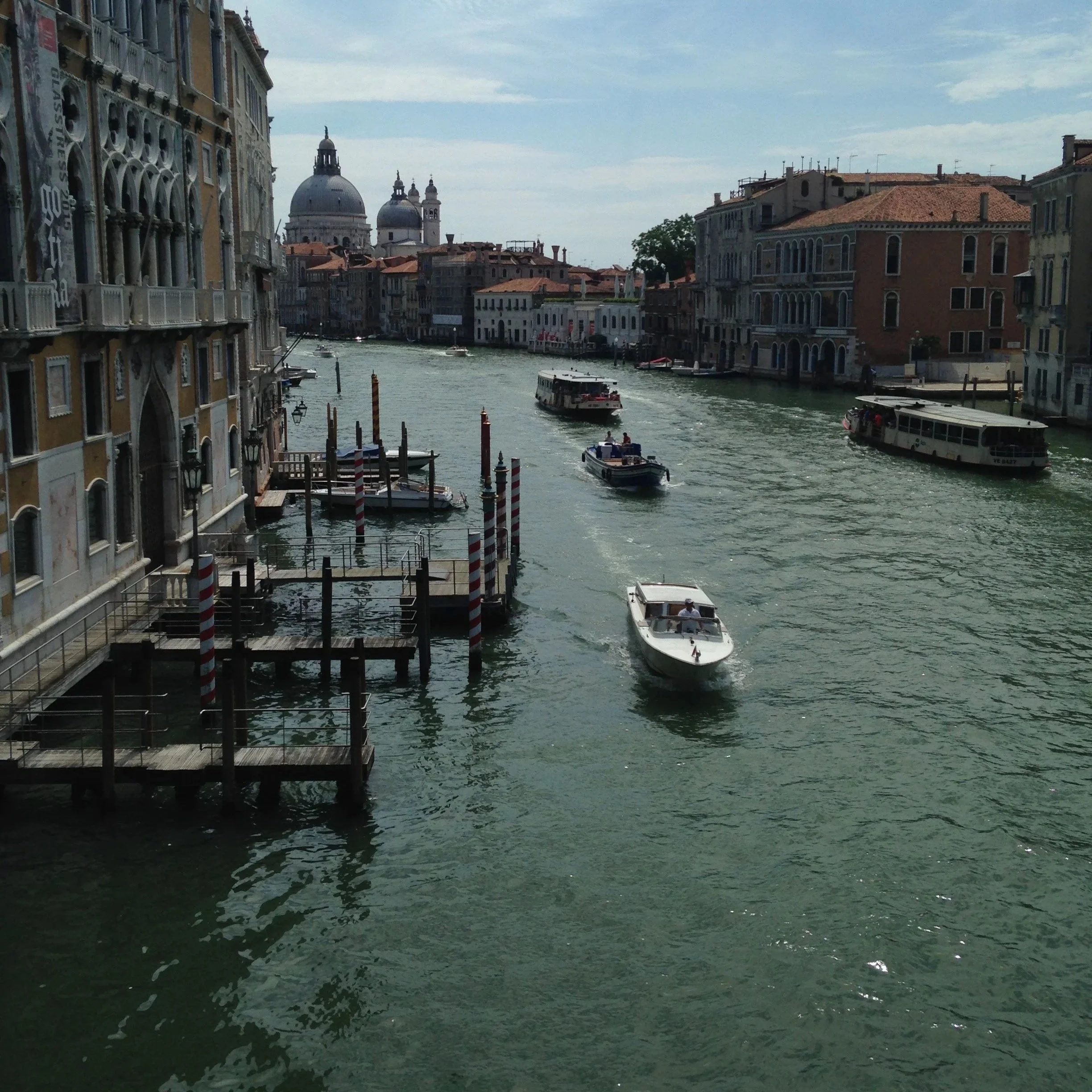
Where to stay in Venice
Venice sits at the very top of the luxury-hotel world, and its best properties are genuinely a tier apart — historic palazzi, island retreats, and palaces converted into hotels where the setting is half the experience. Four names sit above the rest, and we'd happily point you to any of them. We stayed at the first.
Hotel Cipriani, A Belmond Hotel
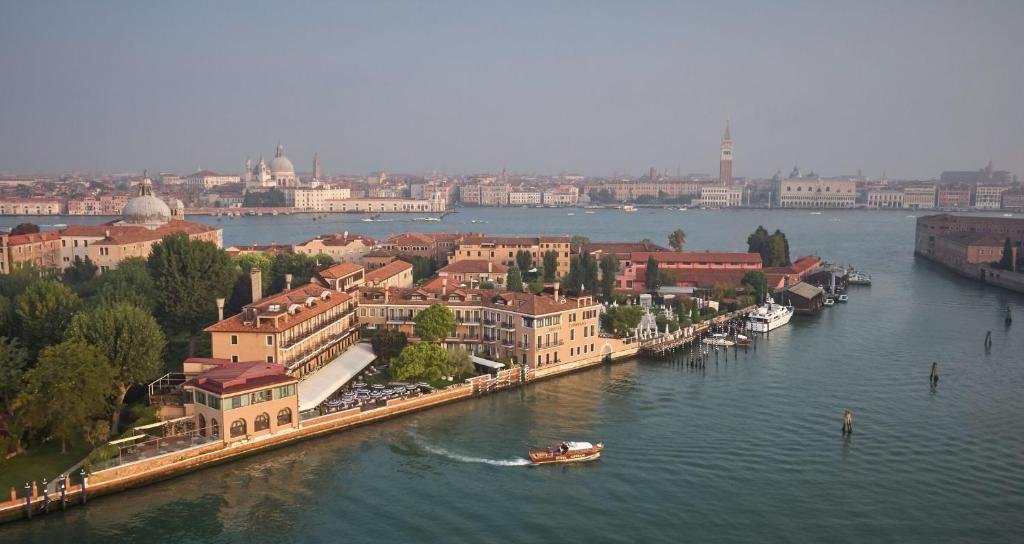
The Cipriani is, simply, one of the great hotels. It sits apart from the main island on the tip of Giudecca, a short private-launch hop from St. Mark's Square, and that separation is the whole point: you trade being in the thick of the Old Town for gardens, quiet, and space that's almost unimaginable in Venice. There's an enormous saltwater pool — a rarity in a city where most luxury hotels have none — manicured grounds, a waterside bistro, and views back across the lagoon toward the Doge's Palace that we'd happily have paid for on their own.
What stayed with us was the service: discreet, warm, and entirely unhurried, the kind that anticipates rather than performs. June was warm enough to live by the pool and in the gardens, and the private boat that ferries you to and from San Marco turns the commute into one of the best parts of the day. If you want a tranquil, resort-like base with the city a short boat ride away — rather than the bustle of staying within the alleys — this is the one. Ask for a lagoon-view room; the difference is the entire reason to be here.
Aman Venice
If the Cipriani is a resort, the Aman is a hushed private palazzo. Housed in a 16th-century building right on the Grand Canal, with frescoed ceilings and silk wall coverings, it has just 24 rooms — closer to staying in an exquisite private home than a hotel. There's a courtyard garden but no pool, and the facilities are intentionally limited; what you're paying for is privacy, atmosphere, and a Grand Canal address most people only glimpse from a vaporetto. The choice for travelers who want seclusion over amenities.
The Gritti Palace
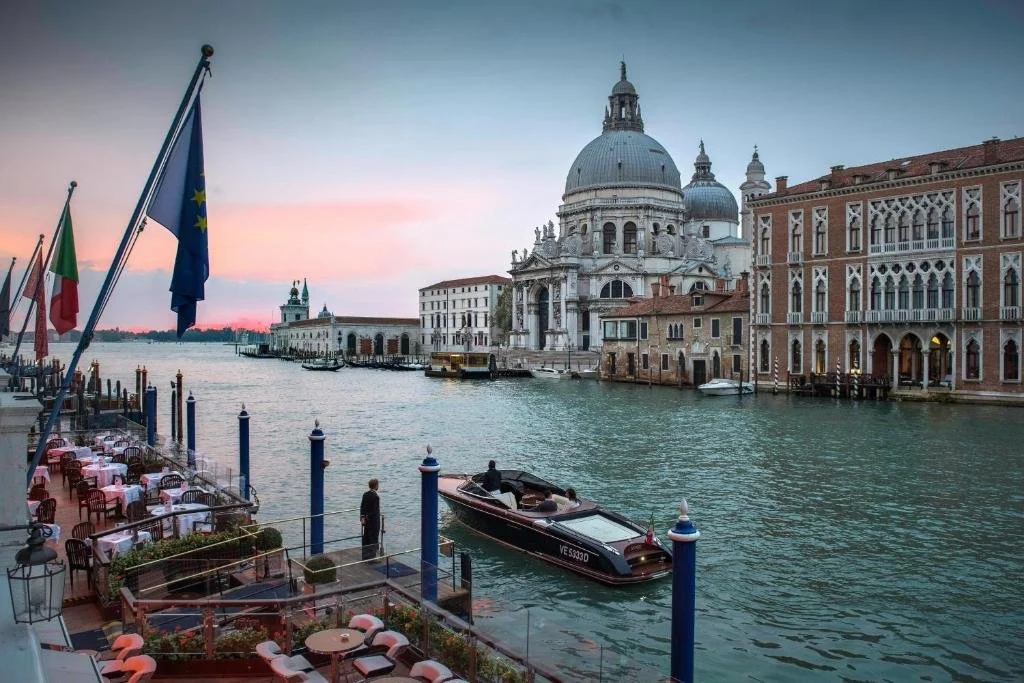
For over a century the Gritti has been the bucket-list Venetian hotel, and it earns the reputation. A 15th-century palace on the Grand Canal, its individually designed rooms layered with Murano glass and antique furnishings, and a canal-side terrace restaurant that's one of the loveliest places to sit in the city. It's grand, ornate, and unapologetically traditional, with St. Mark's a short walk away — the pick for cultural immersion and a true in-the-thick-of-it Venice address. Ask for a canal-facing room.
Hotel Danieli, A Four Seasons Hotel
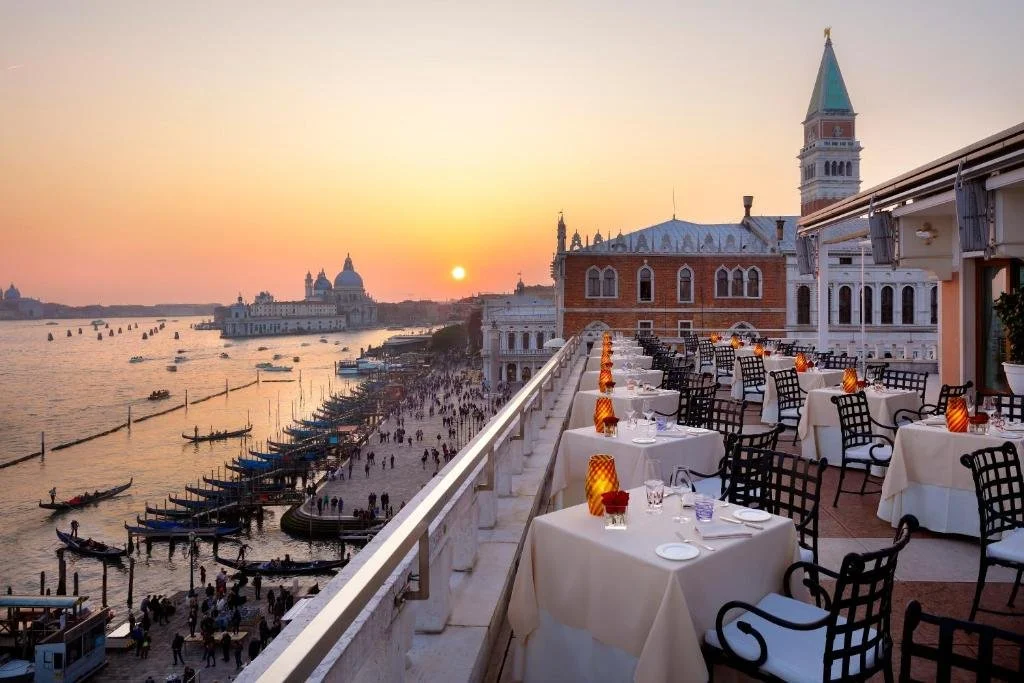
Steps from St. Mark's Square, the Danieli is one of Venice's most storied addresses, recently reborn under Four Seasons after a major restoration. It blends the drama of its centuries-old setting — a soaring Gothic palazzo — with the polish and consistency Four Seasons brings, making it the freshest of the four at the top tier. The pick if you want a landmark location right at the heart of San Marco with brand-new finishes throughout.
Our take: the Cipriani for tranquility, space, and a pool, with the city a boat ride away; the Aman for intimacy and a Grand Canal palazzo; the Gritti for the classic ornate Venetian address; the Danieli for a freshly restored landmark in the middle of San Marco. We stayed at the Cipriani and would go back without hesitation.
What to do in Venice
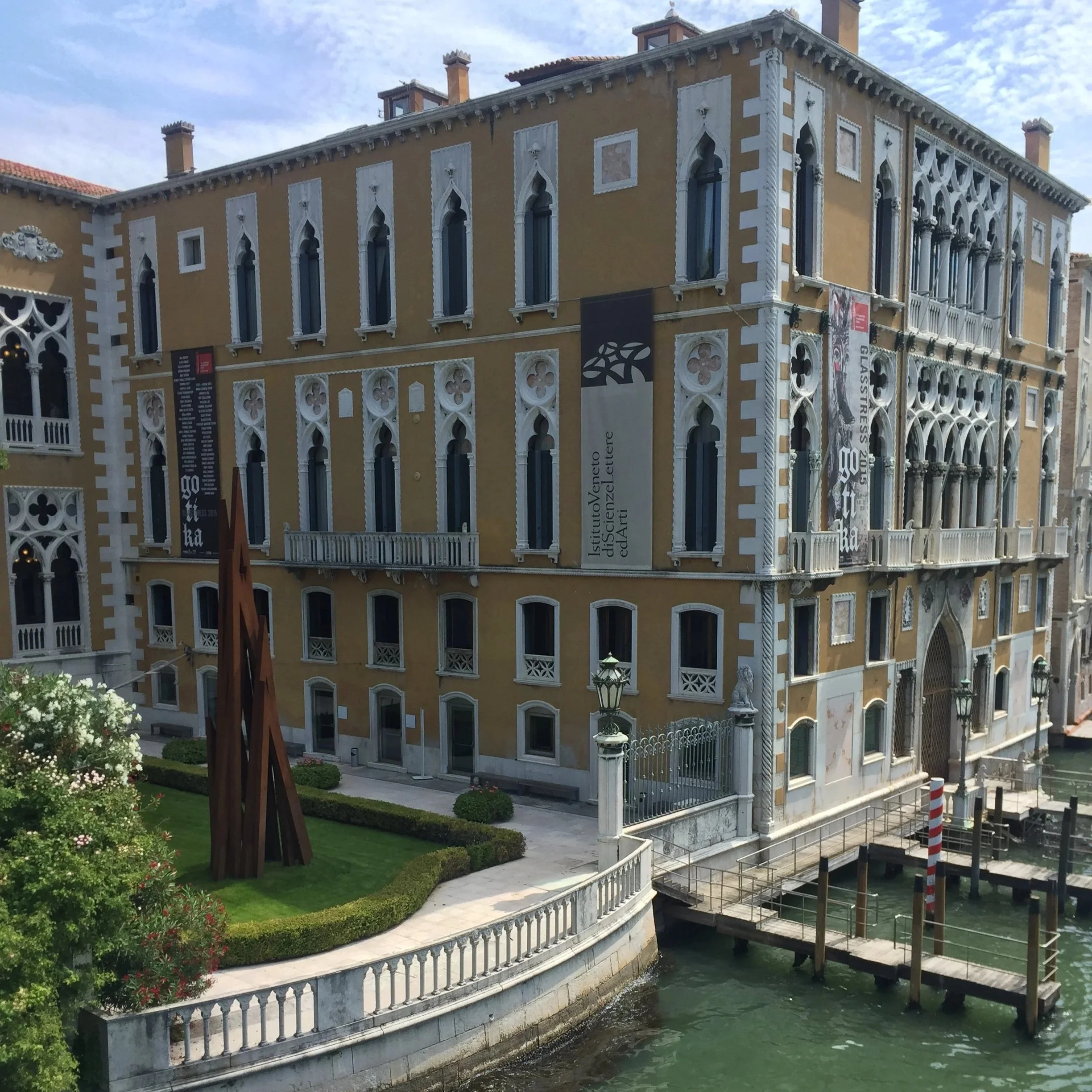
The Peggy Guggenheim Collection. This was the highlight of our trip. Set in Peggy Guggenheim's former home — the unfinished Palazzo Venier dei Leoni, a low white palazzo right on the Grand Canal in Dorsoduro — it holds one of the best collections of 20th-century modern art anywhere: Pollock, Picasso, Ernst, and more, in rooms that still feel like someone's house rather than an institution. The sculpture garden and the canal-side terrace are worth lingering in. It's intimate, walkable in an hour or two, and a complete change of pace from the marble and gilt of the rest of the city. Go early to have the rooms to yourself.
St. Mark's Square and Basilica. Unavoidable and worth it, but timing is everything. Go first thing in the morning or in the evening, when the day-trip crowds and the cruise traffic thin out and the square is something close to peaceful. The Basilica's interior — all gold mosaics — is extraordinary; book a timed entry to skip the worst of the line.
Get lost away from the Grand Canal. Venice's real magic is in the quiet sestieri. Wander Dorsoduro and Cannaregio without a map, find the residential canals strung with laundry, and let the tour routes empty out around you. The further you get from San Marco and the Rialto, the more the actual city reveals itself.
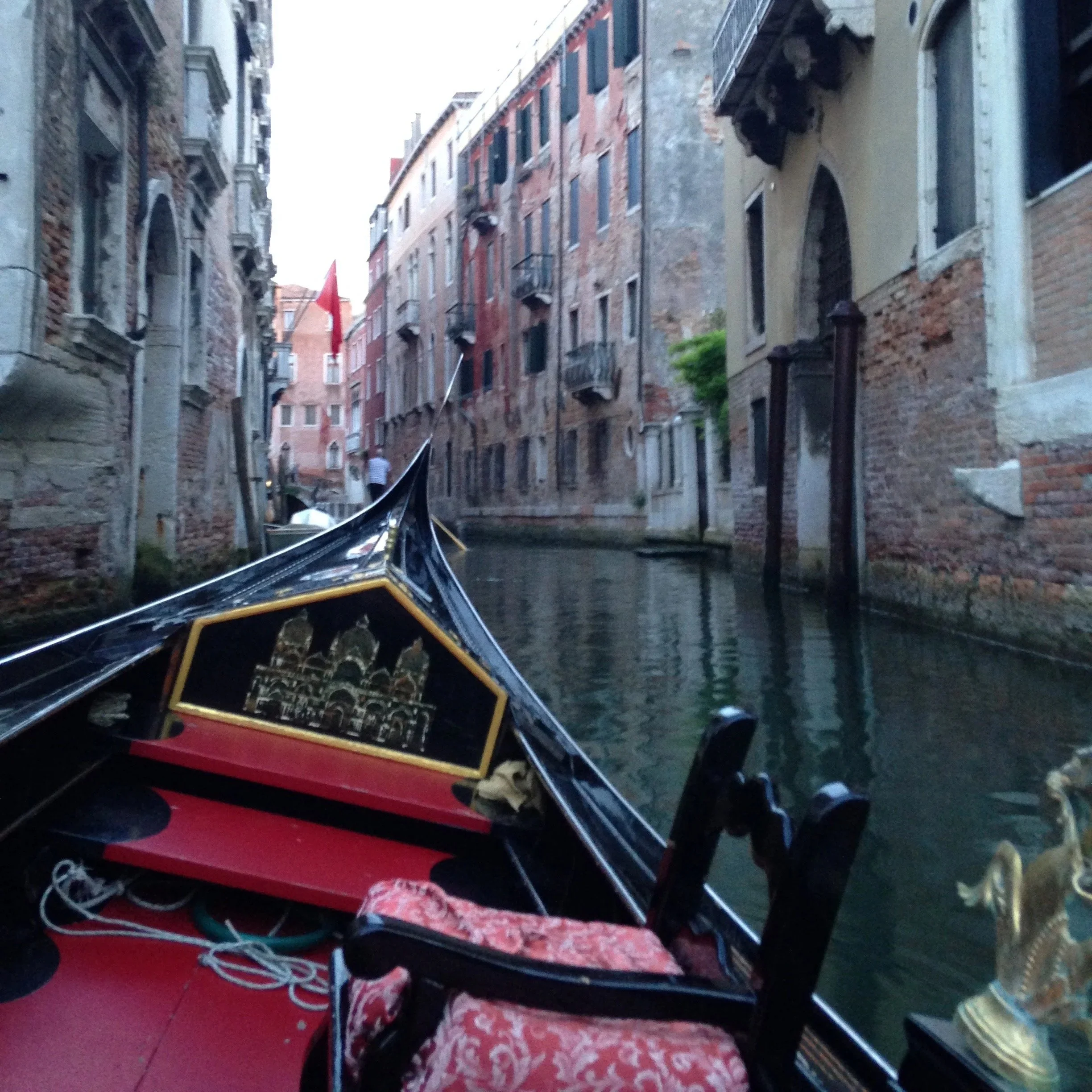
Take to the water. A vaporetto ride down the Grand Canal at dusk is the cheapest great experience in Venice. If you want to splurge, a private boat at golden hour — or even an early-morning gondola before the canals fill — is the version of Venice that earns the postcards. The outer islands of Murano and Burano make an easy half-day by public boat.
Where to eat and drink in Venice
The single best way to eat in Venice is to skip the tourist-menu restaurants entirely and do a cicchetti crawl. Cicchetti are Venice's small plates — creamy baccalà mantecato on polenta, fried seafood, polpette, crostini — served in bacari, the small local wine bars where you order a glass of house wine (an ombra) or a spritz and graze standing at the counter. Start around early evening, hop between a few spots, and you've had the most Venetian meal there is.
A few bacari worth seeking out:Cantine del Vino già Schiavi in Dorsoduro (an old-school favorite where you can dangle your feet over the canal), Cantina Do Mori near the Rialto (said to be the oldest bacaro in the city), and Cantina Do Spade nearby, which also does a very good sit-down plate of seafood pasta. Bring cash — many bacari don't take cards — and don't call cicchetti "tapas" while you order.
On the spritz: Venice is its birthplace, and the most local version isn't Aperol but Select — a slightly more bitter Venetian bitters, with prosecco, soda, and an olive. Order one and you'll blend right in.
For a special dinner, the dining rooms at the top hotels — the Cipriani's restaurants among them — are excellent, but the soul of eating in Venice is at the counter of a good bacaro with a glass in hand.
Best time to visit Venice
We went in June and would do it again, with eyes open. Late spring and early summer bring long, warm days and that golden Adriatic light, but June is firmly in the busy season — expect crowds at St. Mark's and the Rialto, especially midday when the cruise and day-trip traffic peaks. The fix is timing your days around it: be out early and late, retreat to the pool or a quiet sestiere midday. The true shoulder seasons — April into May, and September into October — bring slightly thinner crowds and gentler heat. Venice in deep summer (July–August) is hot and at full capacity; winter is quiet and atmospheric, with the chance of acqua alta flooding.
Frequently asked questions
Where should you stay in Venice for a luxury trip? The four standout luxury hotels are the Belmond Hotel Cipriani (an island retreat on Giudecca with a pool and gardens), Aman Venice (an intimate Grand Canal palazzo), The Gritti Palace (the classic ornate Grand Canal address), and Hotel Danieli, a newly restored Four Seasons by St. Mark's. We stayed at the Cipriani and loved the tranquility and space; choose based on whether you want a resort-like retreat or to be in the heart of the city.
Is the Belmond Hotel Cipriani worth it? For a special trip, yes. Its location on Giudecca gives you gardens, a large saltwater pool, and quiet that's almost impossible to find elsewhere in Venice, with a private boat to St. Mark's in minutes. The trade-off is that you're not staying within the Old Town's alleys — which, for many travelers, is exactly the appeal.
What is the Peggy Guggenheim Collection? It's one of Europe's best modern-art museums, set in Peggy Guggenheim's former Grand Canal home in Dorsoduro. The collection spans 20th-century masters like Pollock, Picasso, and Ernst, displayed in an intimate palazzo with a sculpture garden. It was the highlight of our Venice trip — go early to beat the crowds.
How do you eat well in Venice without tourist traps? Do a cicchetti crawl. Skip the restaurants with photo menus near the main sights and head to bacari — small local wine bars serving Venetian small plates. Order an ombra (a small glass of house wine) or a Select spritz, graze at the counter, and hop between a few spots. Bring cash, as many don't take cards.
When is the best time to visit Venice? April–May and September–October offer the best balance of good weather and thinner crowds. June, when we went, brings long warm days but firmly busy-season crowds — manageable if you're out early and late and rest midday. July and August are hot and crowded; winter is quiet and atmospheric but carries a risk of acqua alta flooding.
How many days do you need in Venice? Two to three nights is the sweet spot. That's enough to see St. Mark's and the Peggy Guggenheim, do a proper cicchetti crawl, get lost in the quiet sestieri, and take a boat to Murano and Burano — without exhausting the compact historic center.