
3 Days in Rome: An Itinerary (2026)
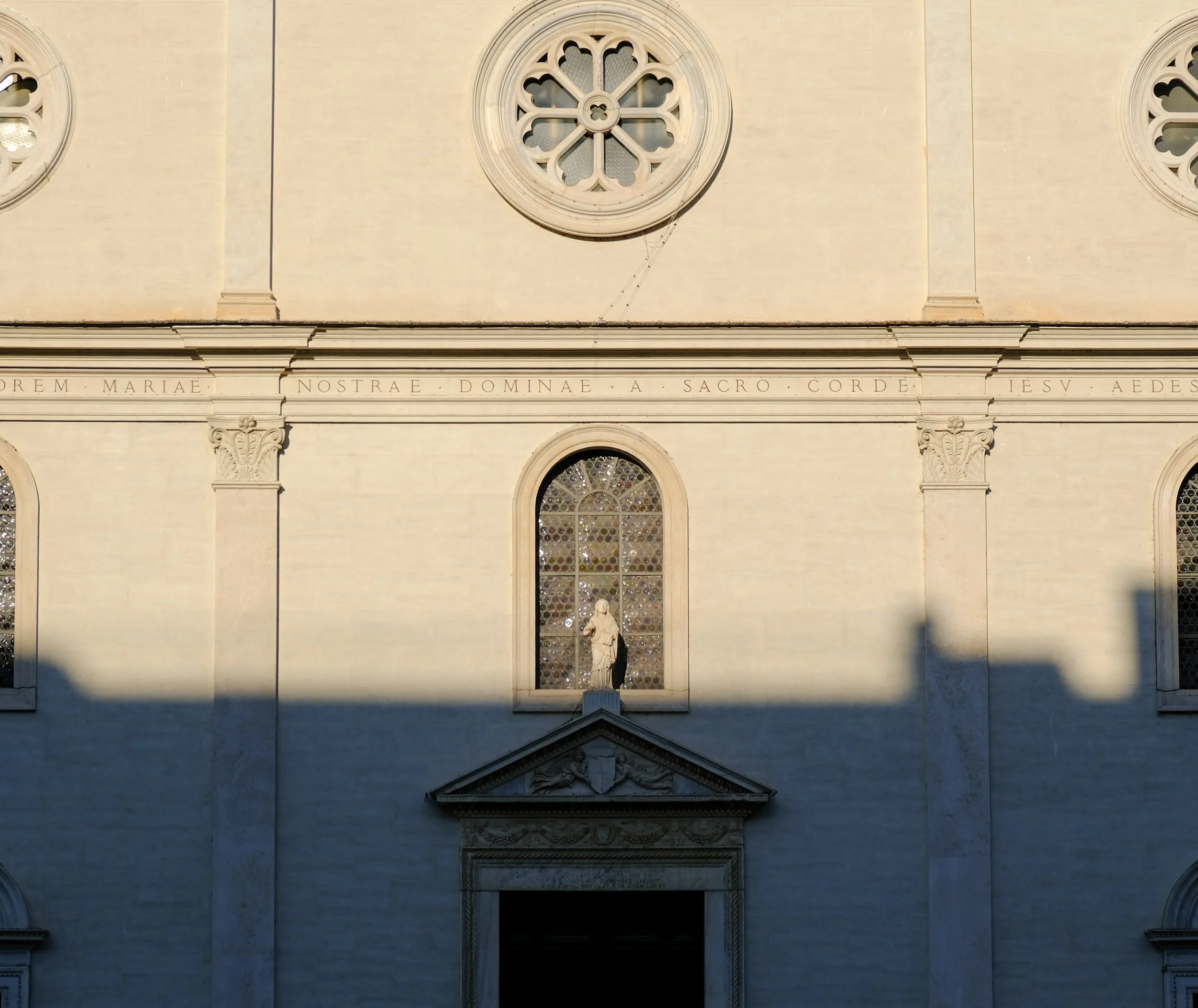
Three days is enough to see the best of Rome without rushing, as long as you plan around the city's two rules: book the big sights in advance, and don't try to do everything. This is the itinerary we'd hand a friend — built around how we actually spent our days, with the icons, two of the best meals in the city, a hidden gallery most people miss, and enough downtime to sit in a piazza and do nothing. It assumes you're basing yourself in the centre and traveling as a couple or with older kids.
Before You Go
A few things to sort before you arrive. Book the Colosseum, the Vatican Museums, and the Borghese Gallery online ahead of time — all three sell out and the walk-up lines are brutal. Rome is extremely walkable, so pack good shoes and plan to cover most of it on foot. And eat on Roman time: lunch is 1pm, dinner doesn't really start until 8:30 or 9pm. Reserve dinner anywhere good a day or two ahead.
For where to base yourself, stay in the Centro Storico — the historic center around the Pantheon, Trevi and Piazza Navona — so you can walk everywhere. We stayed at Palazzo Talìa, (read our full hotel review here) two minutes from the Trevi Fountain, and it was the perfect location. (See our full guide to where to stay in Rome for the rest of our picks.)
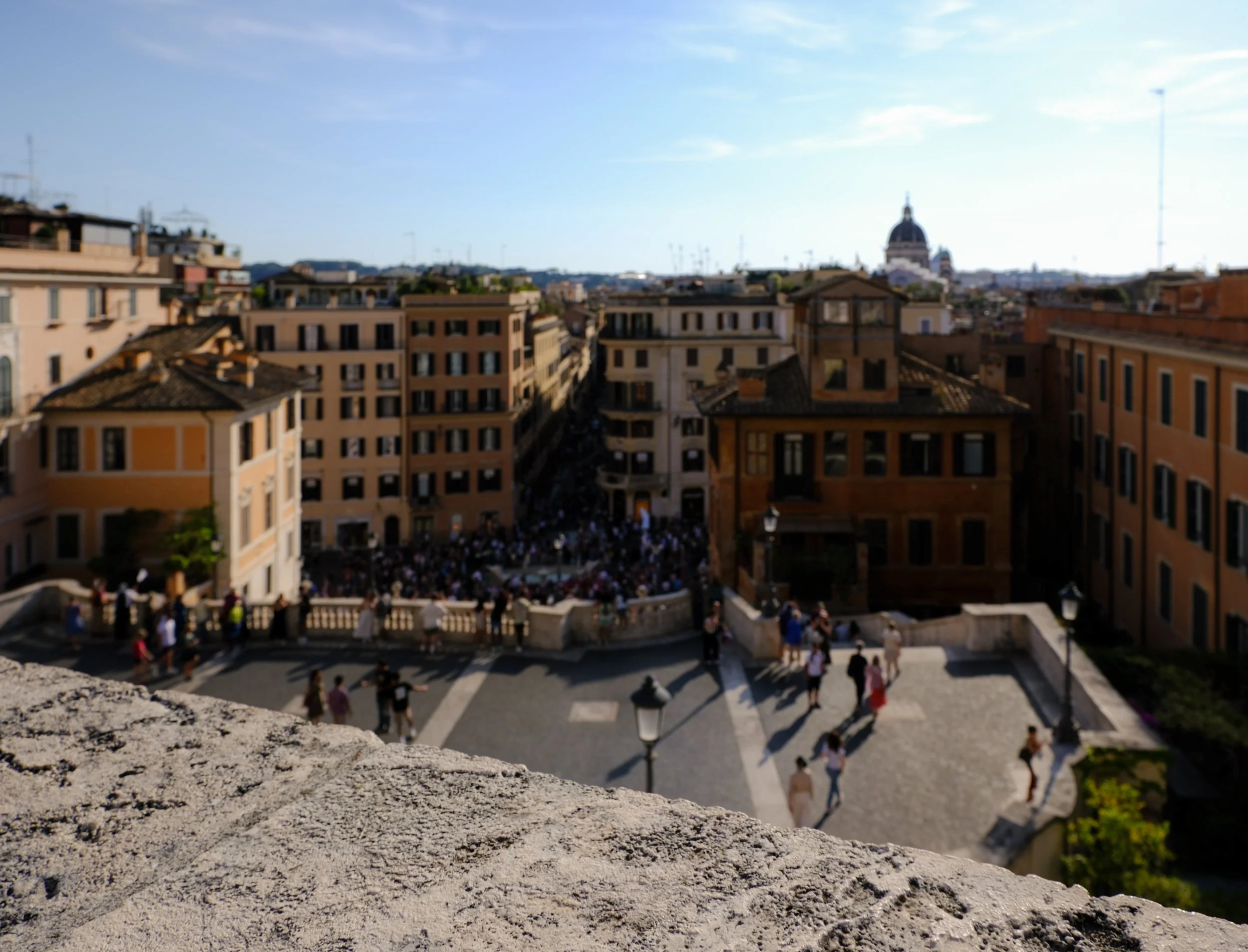
Day 1: The Centro Storico and Your First Aperitivo
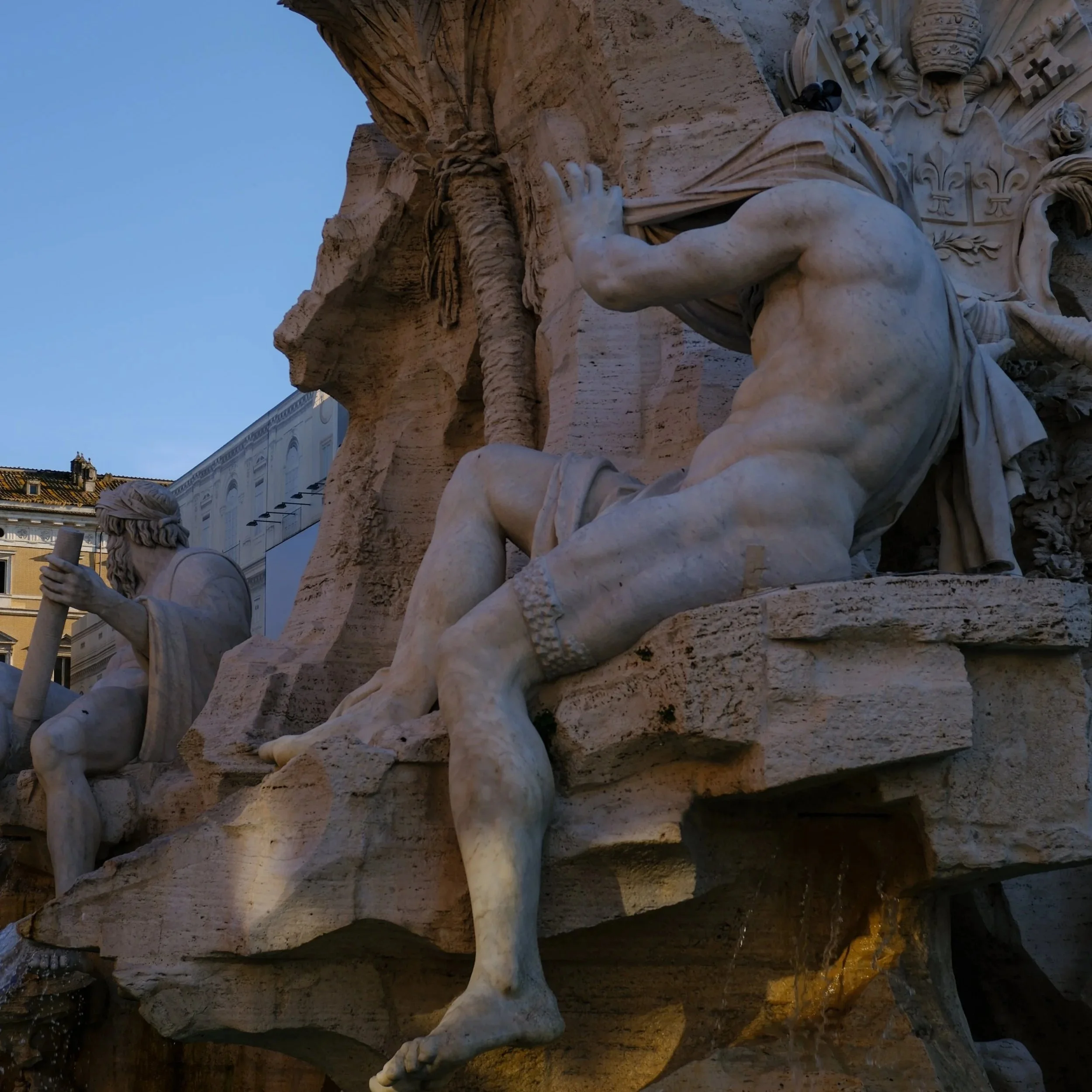
Start at the Pantheon early, before the crowds build — it's free, it's astonishing, and it's the best thing in Rome to see first. Grab a coffee standing at the bar at one of the historic cafés nearby, then wander into Piazza Navona a few minutes away.
Spend late morning and early afternoon on foot through the center. Walk up to Piazza del Popolo, then have lunch at Le Jardin at Hotel de Russie — the terraced garden restaurant of the Rocco Forte hotel, tucked between Popolo and the Spanish Steps. It's quietly grand, full of greenery, and a cool, calm break from the heat. After lunch, climb the Spanish Steps and work your way back through the shopping streets.
This is the afternoon for browsing the independent boutiques that make Rome shopping worth it — places like Chez Dédé on Via di Monserrato and GIUNCART, the handwoven straw-bag atelier a hundred meters away on Via del Pellegrino, plus Marta Ray for leather. It's a different, better version of Rome shopping than the big-brand strip near the Spanish Steps.
In the evening, go up for an aperitivo at The Vista rooftop as the light drops, then dinner at Rimessa Roscioli — less a restaurant than a guided wine experience from the famous Roscioli family, where the wine leads and the food keeps pace. Book it well ahead. On the walk home, stop at the Trevi Fountain after dark when it's lit and a little less mobbed, and finish with a late affogato at Giolitti.
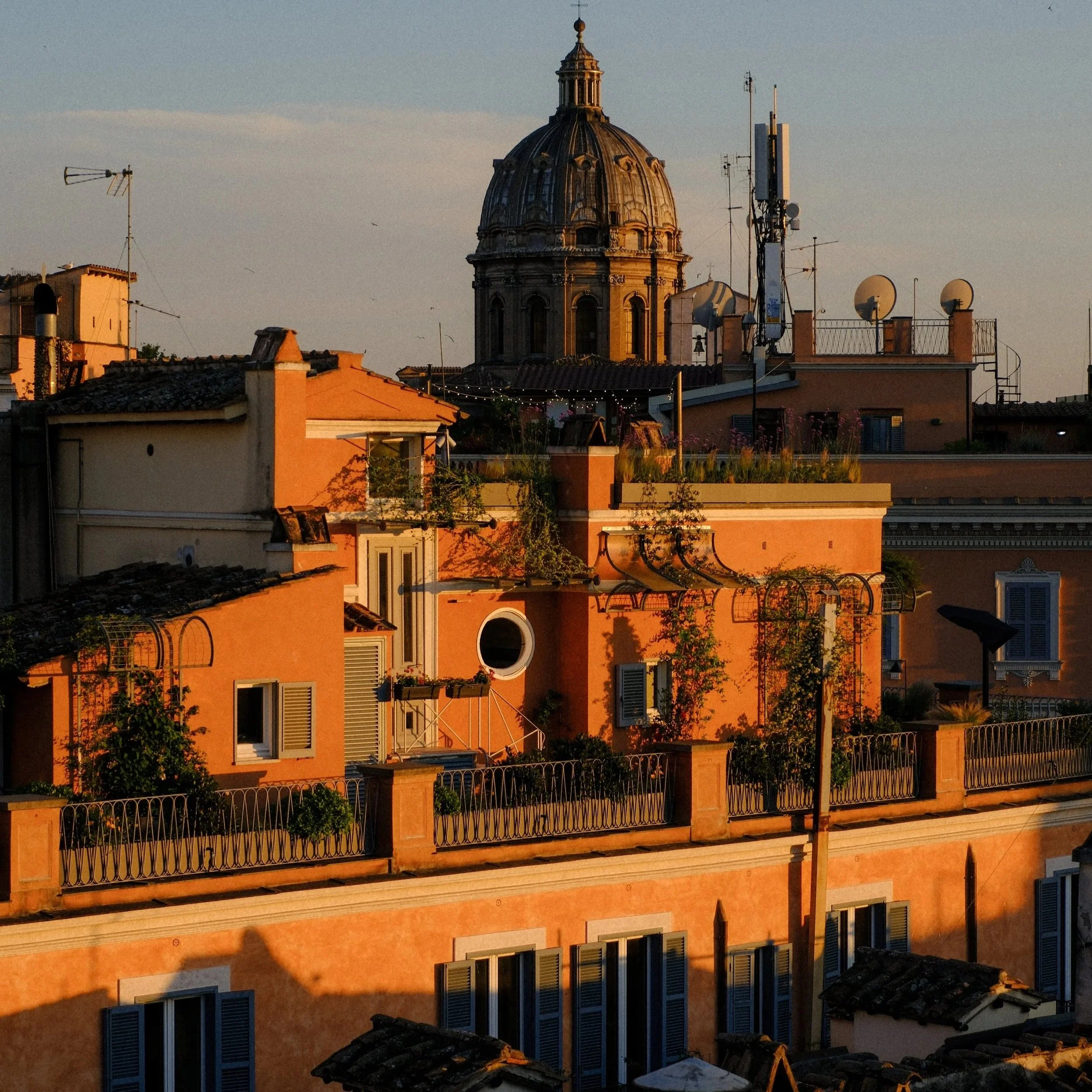
Day 2: Ancient Rome and a Gallery Most People Miss
Get to the Colosseum early with your pre-booked ticket. If you're up for it, walk past the exterior at sunrise first for photos with no crowds, then go in when it opens. Your ticket usually covers the Roman Forum and Palatine Hill next door, so give yourself the whole morning to walk through all three — this is the heart of ancient Rome and it deserves the time.
Afterwards, head into Monti, the neighborhood just behind the Colosseum — cobbled, leafy, full of vintage shops and wine bars. Have a relaxed lunch here and poke around the boutiques.
In the afternoon, go to the Galleria Doria Pamphilj, a still-private palace gallery on Via del Corso that most visitors walk right past. It holds an extraordinary collection — including the Velázquez portrait of Pope Innocent X — in opulent painted halls, with an audio guide narrated by the family who still own it. It's our favorite under-the-radar thing to do in Rome and a welcome break from the crowds.
For dinner, book a classic Roman trattoria near the center — somewhere doing carbonara, cacio e pepe and amatriciana the traditional way. (Our full list is in our best restaurants in Rome guide.)
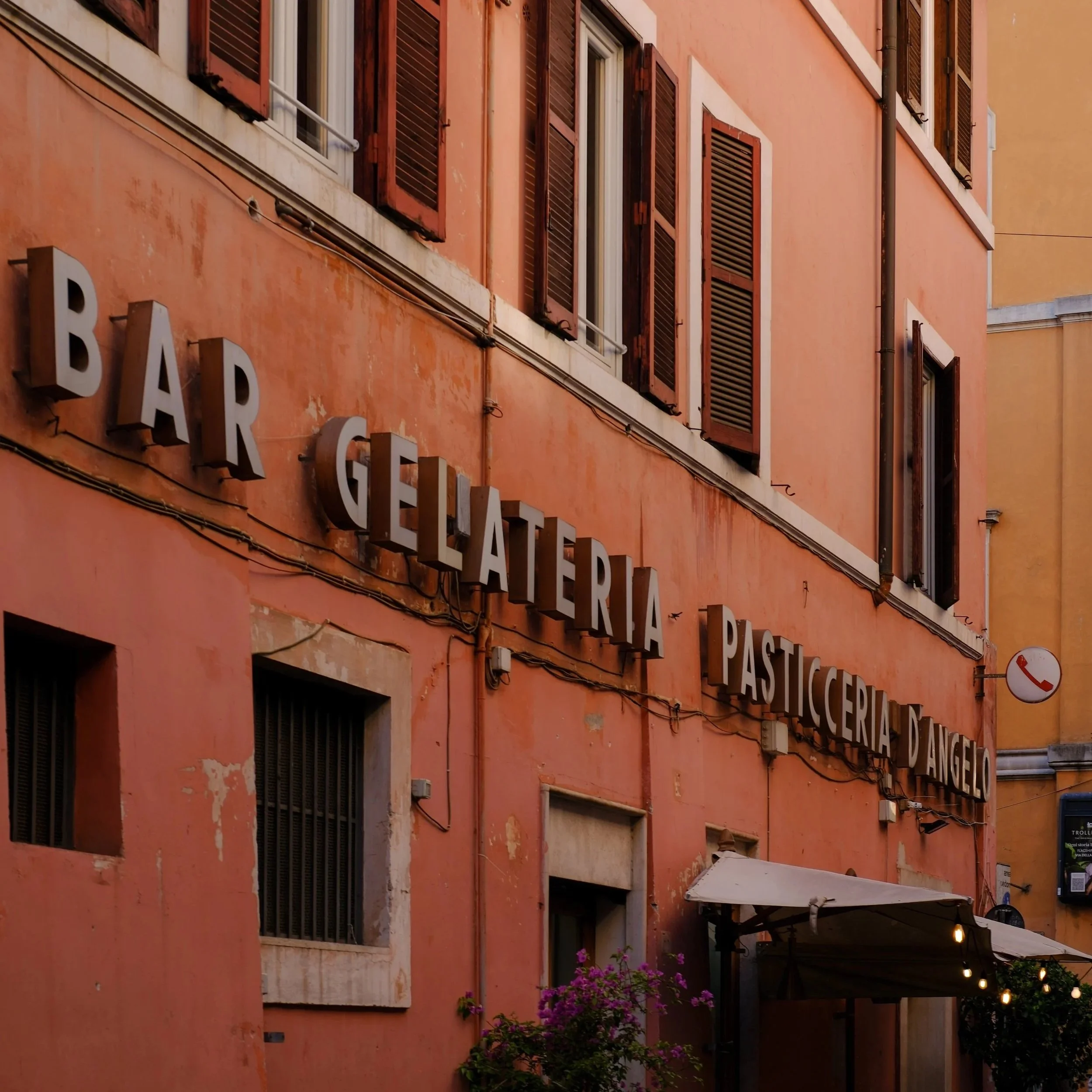
Day 3: The Vatican and Trastevere
Dedicate the morning to the Vatican. Pre-book the earliest entry you can to the Vatican Museums, which lead through to the Sistine Chapel, then visit St Peter's Basilica afterwards. It's a lot of walking and a lot of people, so go early and pace yourself. If the dome is open, the climb up to the cupola is worth it for the view over St Peter's Square.
Have lunch on the Vatican side, then cross the river in the afternoon to Trastevere, the old working-class neighborhood that's now the prettiest place in Rome to wander. Get lost in the ivy-covered lanes, see the mosaics at Santa Maria in Trastevere, and if you've got the legs, walk up the Gianicolo hill for the best panoramic view of the city.
Stay in Trastevere for your last dinner — it has some of the best classic Roman cooking in the city — and start with a glass of wine at an aperitivo spot beforehand. It's the right neighborhood to end a Rome trip: loud, alive, and full of people eating outside late into the night.
If You Have More Time
With a fourth day, add the Borghese Gallery (book the timed entry well ahead — it's some of the best sculpture in Europe) and a slow afternoon in the Villa Borghese gardens. A day trip to Tivoli for the villas, or out to the coast, also works once you've covered the center.
Rome Itinerary FAQ
Is 3 days enough for Rome? Yes, for the highlights. Three days covers the Centro Storico, ancient Rome (Colosseum and Forum), and the Vatican, with time left for Trastevere and a couple of great meals. You won't see everything, but you won't feel rushed.
What's the best area to stay in Rome? The Centro Storico — the historic center around the Pantheon, Trevi and Piazza Navona — so you can walk to most things. Near the Spanish Steps and Monti are also good. See our where to stay in Rome guide for specific hotels.
Do you need to book the Colosseum and Vatican in advance? Yes. Both sell out and the walk-up lines waste hours. Book timed-entry tickets online before you go, and do the same for the Borghese Gallery, which requires advance reservations.
How do you get around Rome? Mostly on foot — the center is compact and walking is the best way to see it. There's a metro and buses for longer distances, and taxis or rides for late nights, but you'll walk most days.
When is the best time to visit Rome? Spring (April–May) and fall (September–October) are ideal — warm but not brutal, and slightly less crowded. July and August are very hot and very busy. Winter is quiet and atmospheric if you don't mind cooler days.
Is Rome walkable with kids? Yes, though it's a lot of walking on cobblestones. Build in gelato stops, break up the ancient sites, and don't over-schedule.
Related Articles
Hotel Il Pellicano Review (2026): Tuscany's Iconic Cliffside Hotel
The 10 Best Wineries in Tuscany (2026 Guide)
Puglia Travel Guide: Where to Stay, Best Towns, Food & When to Go