
Vis Travel Guide: Where to Stay, Eat, and What to Do on Croatia's Most Remote Island
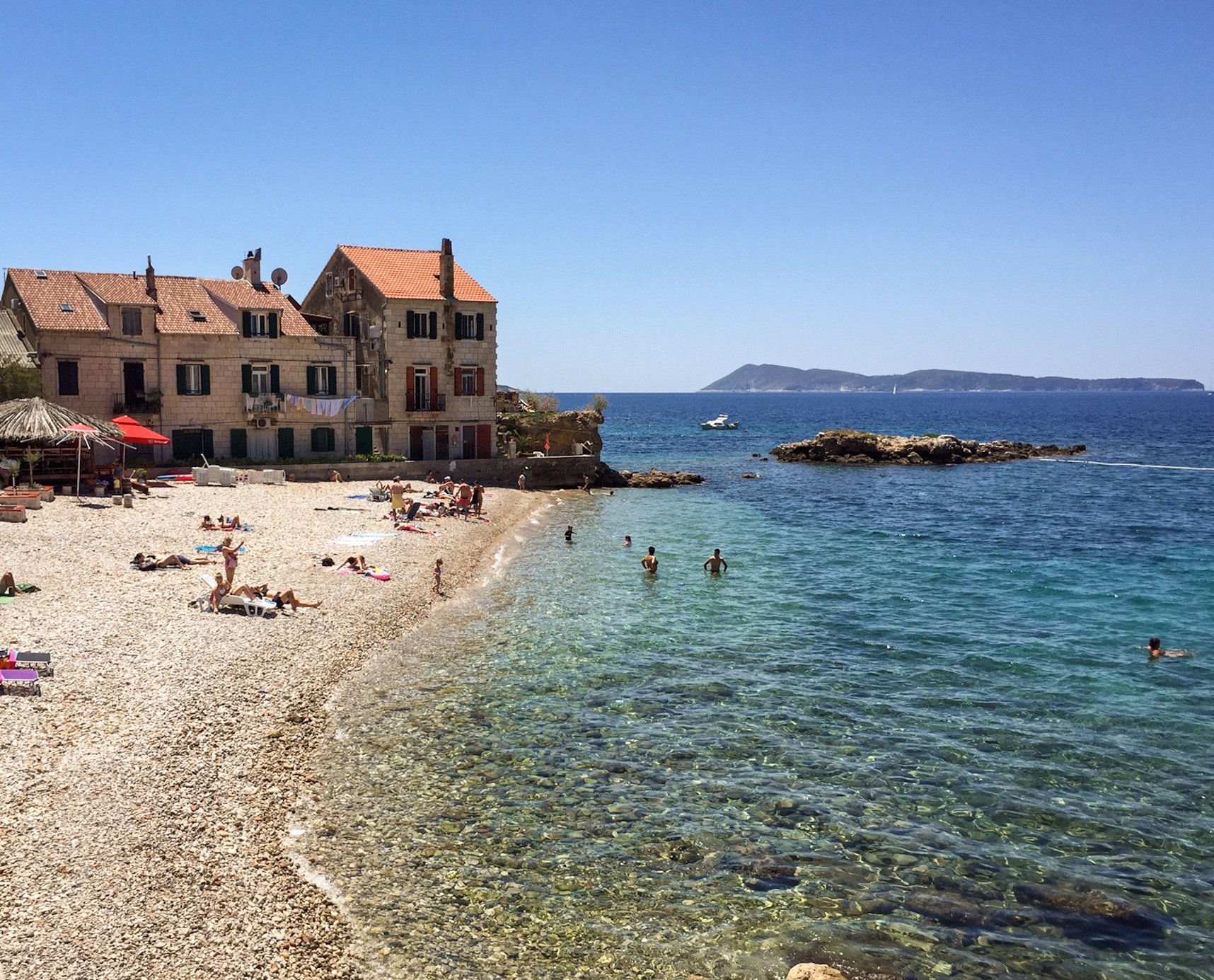
Vis is the most remote and least developed of Croatia's major Dalmatian islands — and that's the appeal. Closed as a military base until 1989, it stayed quiet while Hvar went glamorous and Dubrovnik filled with crowds. Today it's one of the Adriatic's great food islands: peka at Roki's, fresh seafood and local Vugava wine, the electric-blue Blue Cave, and boat-only beaches like Stiniva. Stay at Hotel San Giorgio in Vis Town, in a Kut apartment, or — best of all — on a boat in the harbor. Come June or September to skip the August crush.
Vis is the Croatian island we'd send a friend to first. It's the furthest of the major Dalmatian islands from the mainland, and for most of the 20th century it was off-limits entirely — a Yugoslav military base closed to foreign visitors until 1989. That isolation is the best thing that ever happened to it. While Hvar grew glamorous and Dubrovnik filled with cruise crowds, Vis stayed quiet, agricultural, and almost untouched: two beautiful harbor towns, some of the best food in Croatia, vineyards worked the same way for generations, and hidden bays you can only reach by boat.
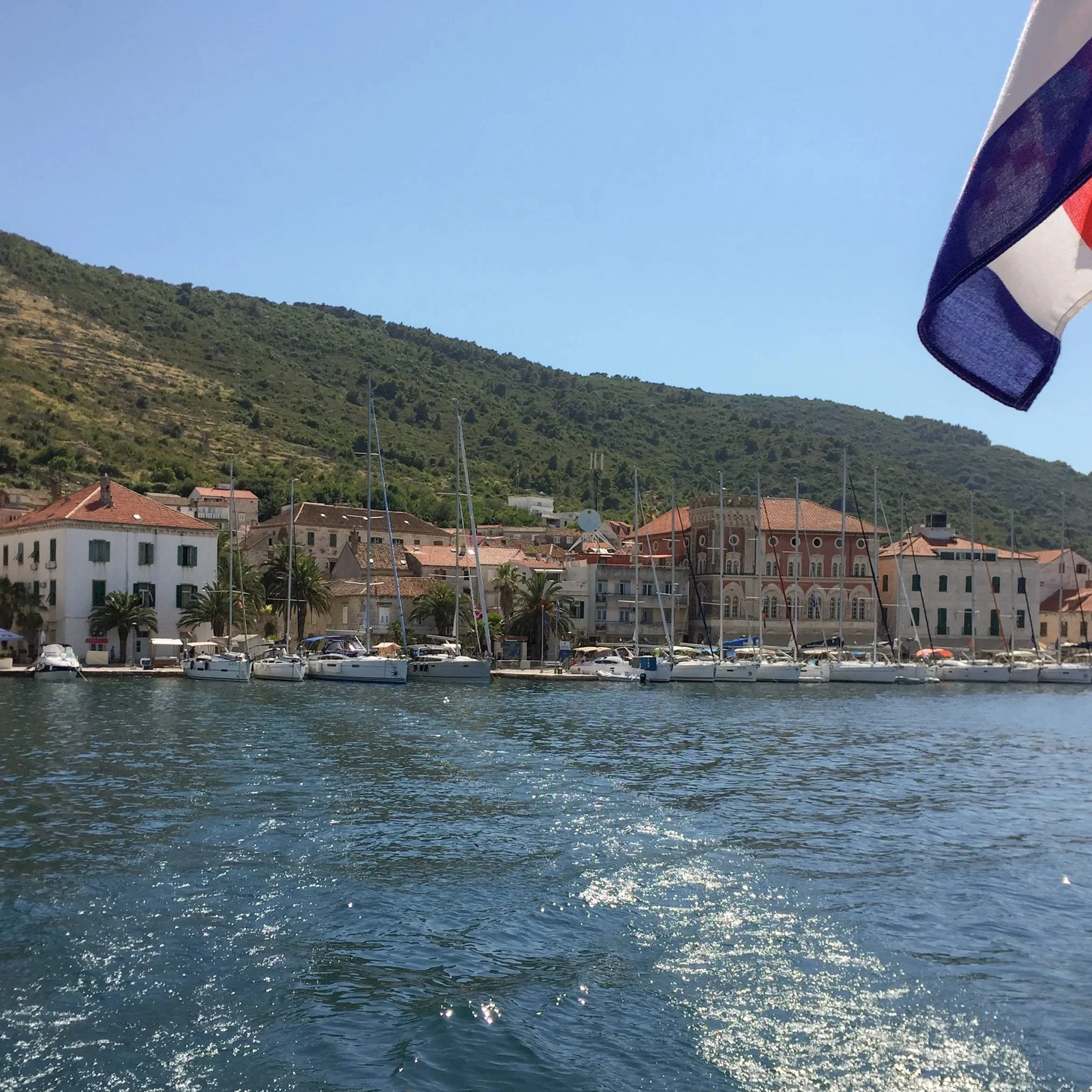
We stayed on a boat in Vis Town's harbor, and we'd recommend it to anyone — there's something about waking up on the water here, in the stillness of a town that never got loud, that the other islands can't match. Vis is quiet in a way that gets into you. By the second morning we were only half-joking that it's the kind of place you'd come to write a book: nothing to prove, nowhere you have to be, just the boats shifting on the water and the day opening up slowly.
This is our honest guide to Vis — where to stay, what to do, and where to eat on an island that has quietly become one of the great food destinations in the Adriatic.
The two towns: Vis Town and Komiža
Vis has two main settlements, and understanding the difference shapes the whole trip. Vis Town, on the northeast coast, is the island's hub — an upmarket little harbor with Venetian architecture, the most restaurants, the ferry links, and the charming old fishermen's quarter of Kut at one end. Komiža, on the west coast, is smaller, steeper, and more of a working fishing village, with a different rhythm and the closest access to the Blue Cave. The two are about a 20-minute drive apart across the island's interior of vineyards and olive groves. Most first-timers base in Vis Town; Komiža rewards anyone wanting something even slower.
Where to stay on Vis
Set expectations here: Vis is not a five-star-hotel island, and that's part of its character. Accommodation is mostly apartments, guesthouses, and a handful of small boutique hotels — there's no Belmond or Aman out here, and the island is better for it. What you book is a base, not a resort.
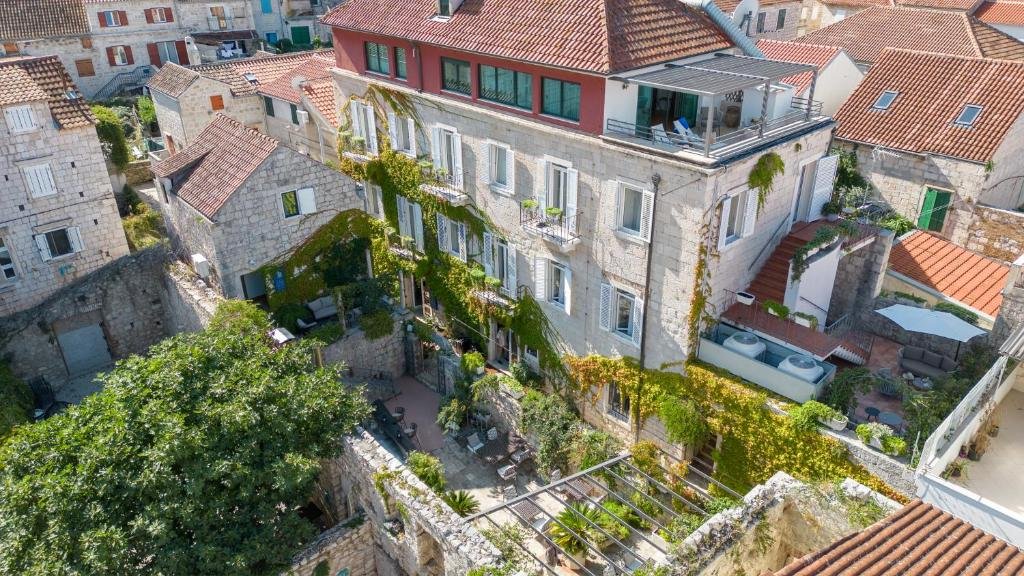
The standout land-based stay is Hotel San Giorgio, a boutique hotel in the Kut neighborhood of Vis Town — the most polished option on the island, walkable to the harbor and restaurants, with the intimate, design-conscious feel of a place run by people who care.
Beyond that, the best move is often a well-chosen apartment or villa in Vis Town or Kut, close to the water and the restaurants. For groups, the island's villas are excellent value compared with Hvar or Dubrovnik.
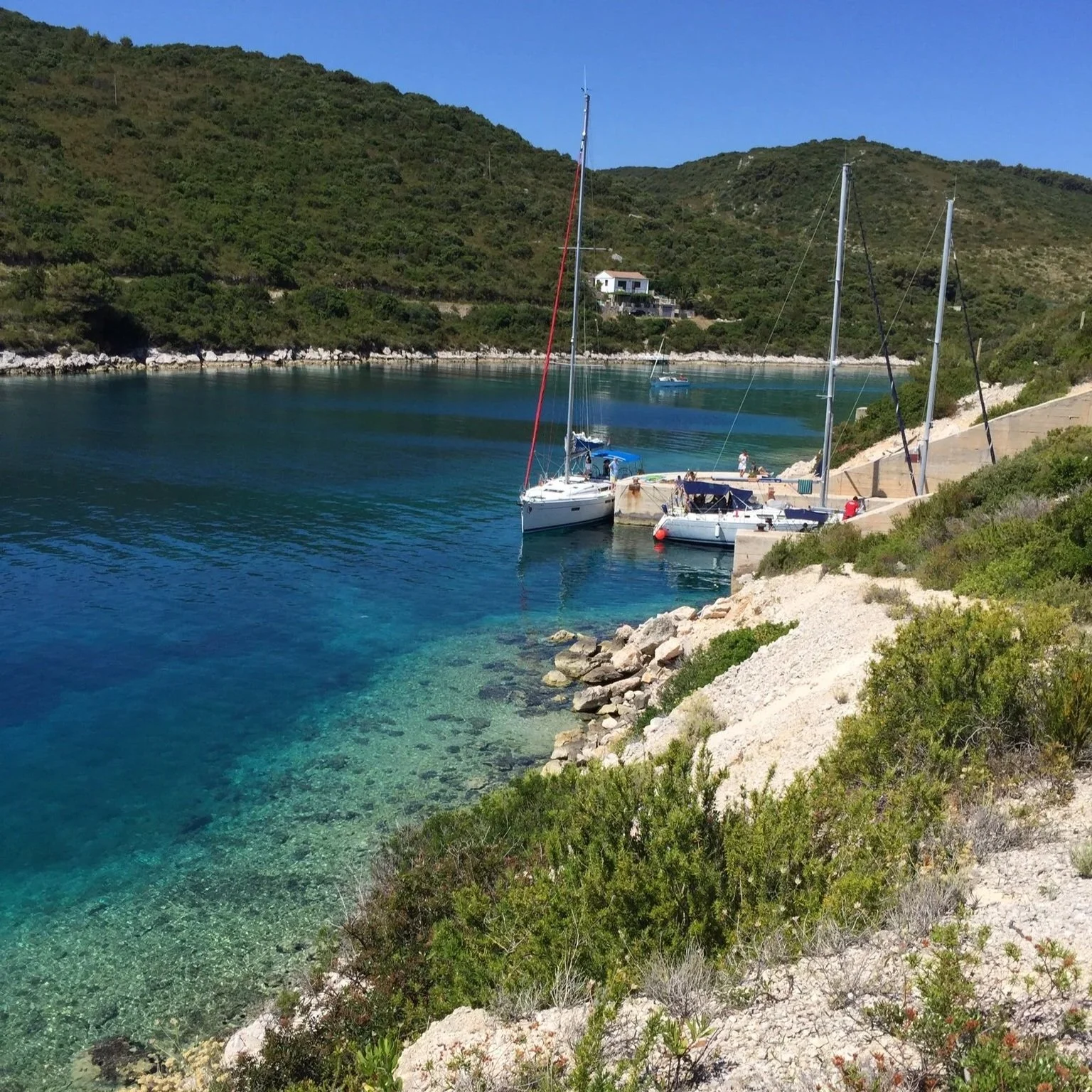
And then there's the way we did it: on a boat. Vis is a sailor's island — its harbors and hidden bays were made for it — and staying aboard, whether you're sailing yourself or chartering with a skipper, is the most fitting way to experience the place. You wake on the water, you can move to a different bay when the mood takes you, and the quiet is total. If a sailing trip is even remotely on your radar, Vis is the island to do it around.
Our take: book the San Giorgio if you want a proper boutique hotel, embrace the apartment culture and stay in or near Kut if you want a land base in the prettiest corner of Vis Town — or, best of all, come by boat.
What to do on Vis
Take a boat tour around the island. Most of what makes Vis special is only reachable by water, and a full-day boat trip is the single best thing you can do here. The classic itinerary out of Vis Town or Komiža hits the Blue Cave on nearby Biševo island (go midday, when sunlight floods the cave and turns the water an electric blue), the Green Cave, Stiniva Cove (a dramatic near-enclosed beach far easier to reach by swimming in from a boat than hiking down), the Budikovac blue lagoon, and the beach made famous by Mamma Mia! Here We Go Again, which filmed here. Book a small-group or private tour; it's worth it.

Explore the military history. Vis's decades as a closed military island left a labyrinth of tunnels, bunkers, and a submarine pen burrowed into the coast by the Yugoslav navy. We did the military tour and were surprised by how much we enjoyed it — it sounds niche, but it's genuinely fun and interesting, equal parts history lesson and off-road adventure into parts of the island you'd never otherwise see. You can go by jeep tour or on foot, and it's a reminder of why the island stayed frozen in time.
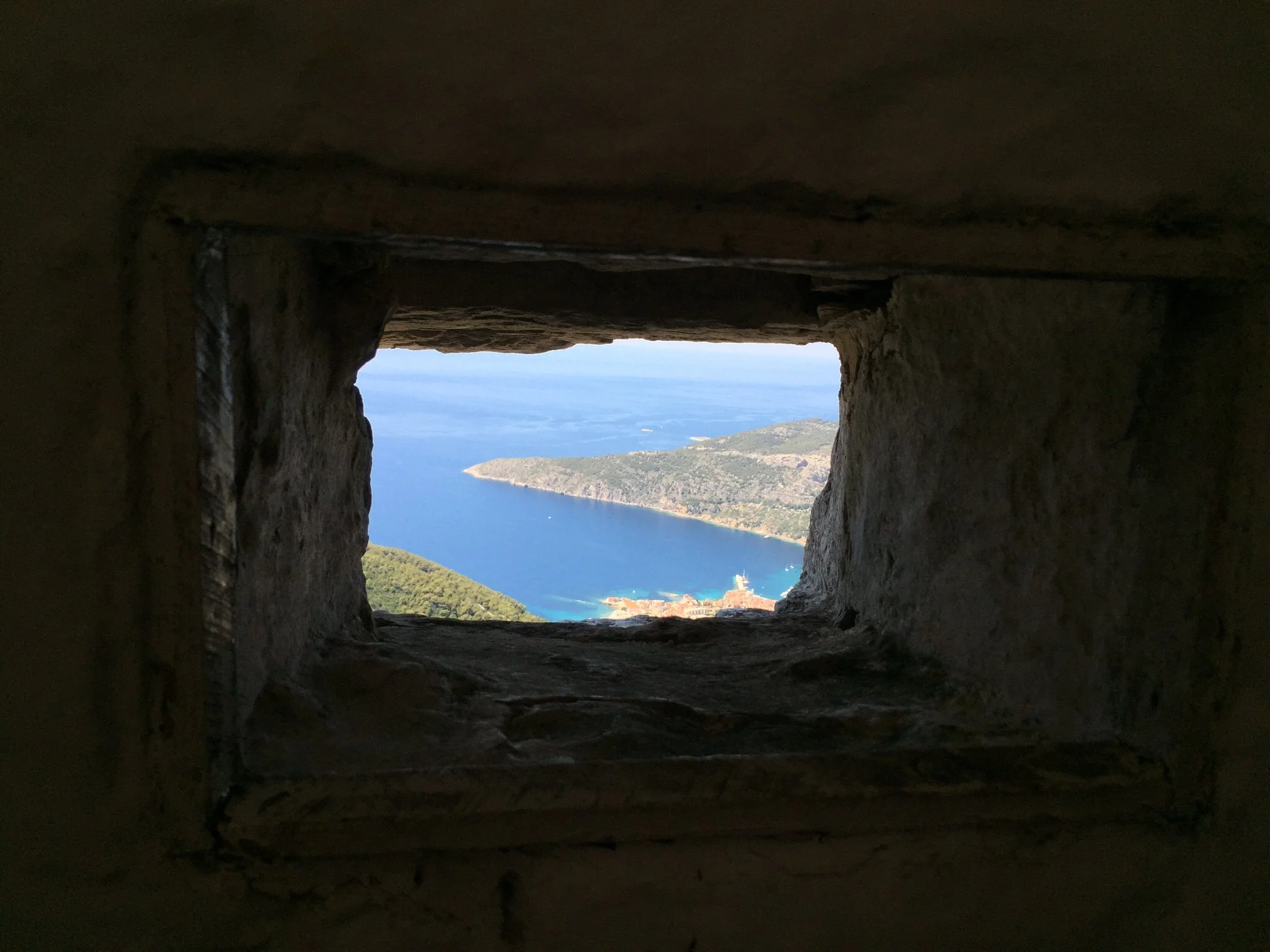
Climb to Fort George. Built by the British in 1813 and named for King George III, this hilltop fort above Vis Town has commanding views over the harbor and the sea, and doubles as a bar and event space in season. Sunset here is excellent.
Wander Kut and Komiža. Vis isn't a checklist island — some of the best hours are spent doing very little: a slow morning in Kut's stone lanes, a swim off the rocks, an evening in Komiža watching the fishing boats. Lean into the pace.
Where to eat and drink on Vis
This is the real reason to come. Vis has quietly become one of Croatia's great food islands, built on fresh seafood, the traditional slow-cooked peka, and excellent local wine — reds from Plavac Mali and the island's distinctive white, Vugava (sometimes written Bugava). A few places to plan around:
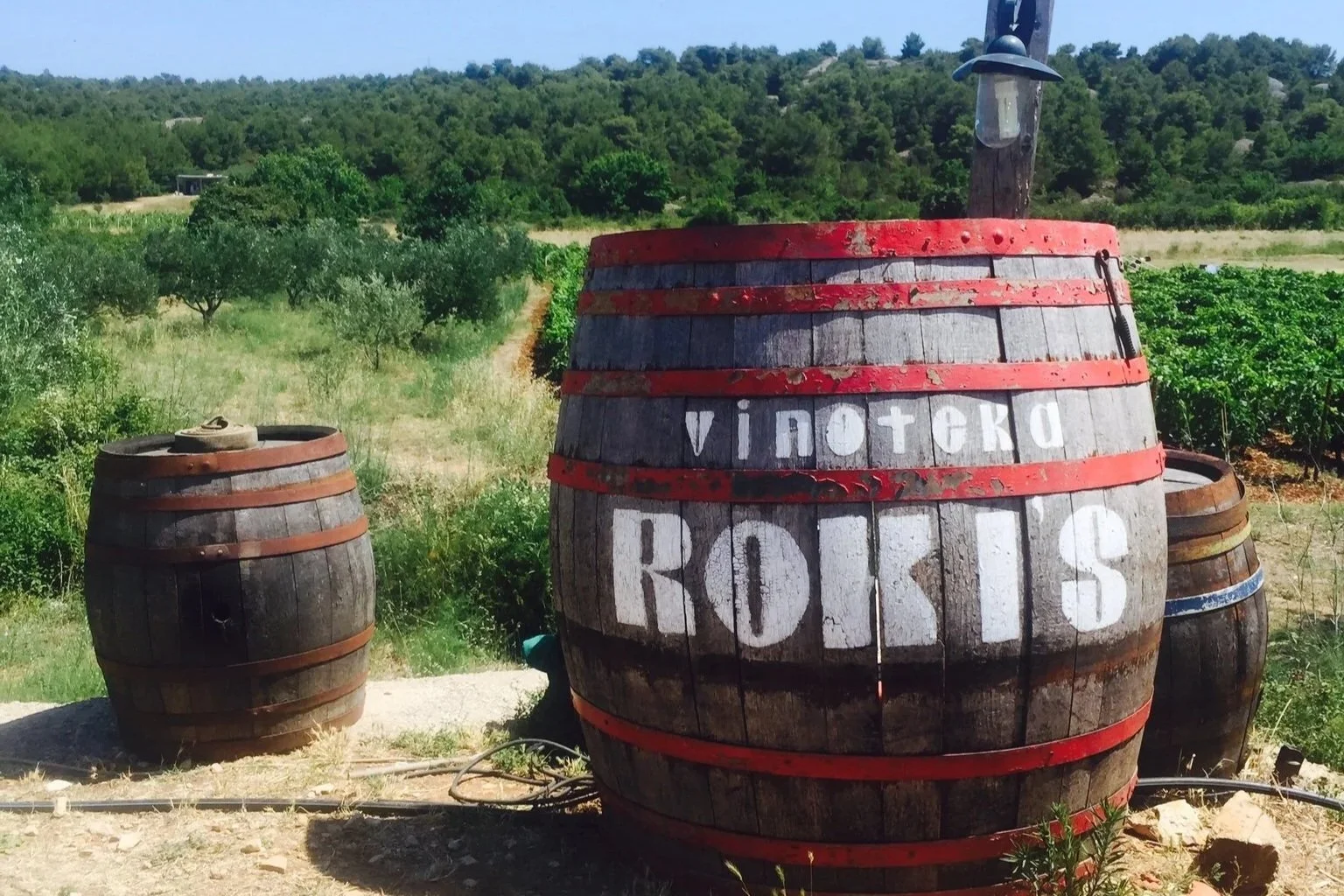
Roki's is the Vis institution and the peka experience to build a meal around. A family winery and restaurant in the island's interior, surrounded by vineyards and olive groves, near the old WWII airstrip. We went for lunch and it was one of the best ways we spent an afternoon on the island — a long, unhurried meal out among the vines, exactly the pace Vis does best. Peka — meat or seafood slow-cooked for hours under a bell-shaped lid buried in embers — is the thing to order, and it must be reserved in advance so they can prepare it; turn up unannounced and you may be turned away. They'll arrange transport from the harbor, since it's out of town. Pair it with their own Plavac or Vugava. Lunch or dinner, it's the most memorable meal on the island.
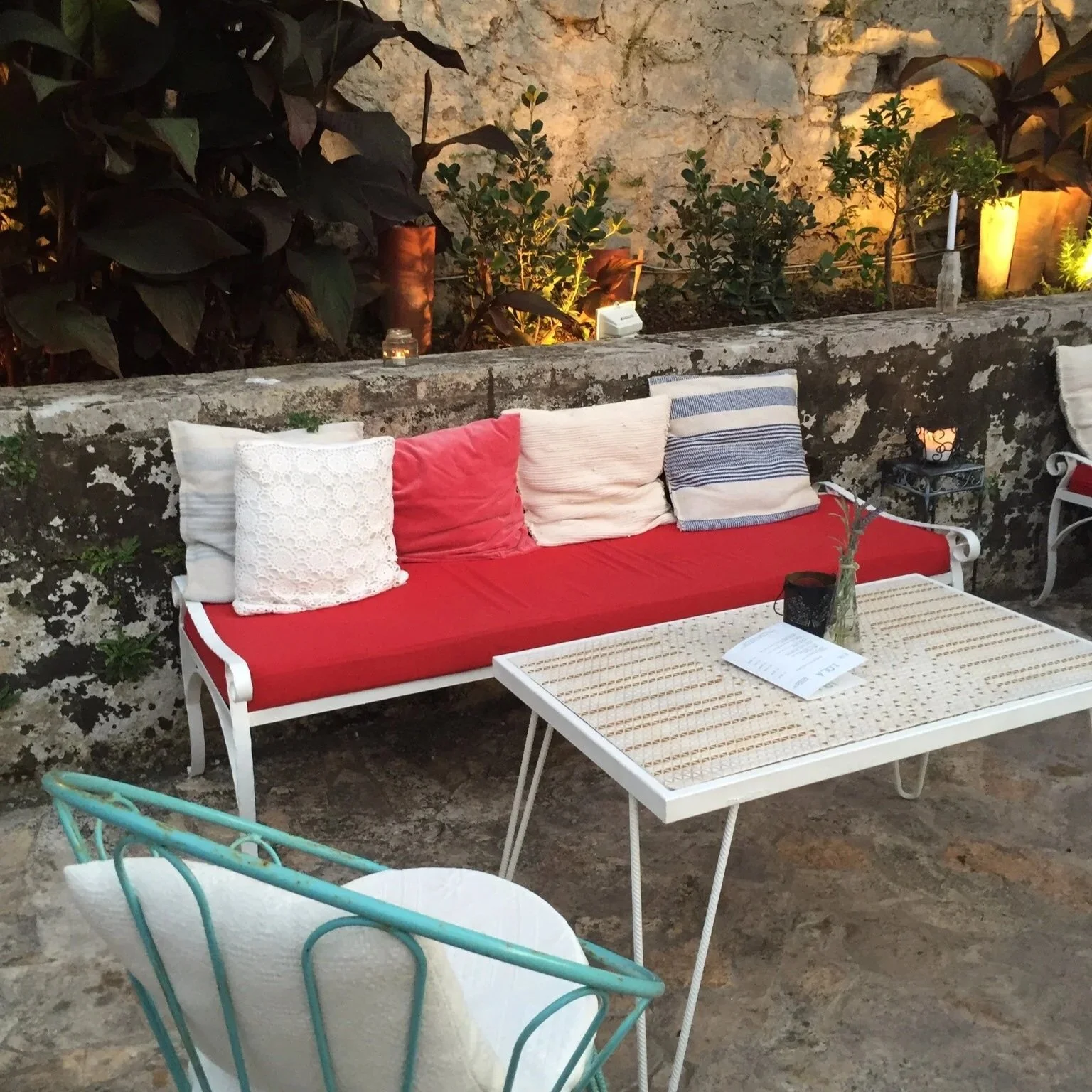
Pojoda is the landmark restaurant in Vis Town, hidden in a garden setting in Kut. It's where to go for beautifully grilled fresh fish and refined local Dalmatian cooking — škarpina (scorpion fish), sea bream, scampi — with an excellent list of Vis wines. Book ahead, especially for peka.
In Komiža, the konobas by the harbor — Bako and Jastožera among them — are the spots for seafood with a working-village atmosphere, Jastožera famous for lobster in a converted lobster house.
On the wine: seek out a tasting while you're here. Vugava is the island's discovery — fresh, elegant, and a perfect match for the seafood — and tasting it where it's grown is one of the quiet pleasures of Vis.
Best time to visit Vis
Vis runs on an even slower season than the other islands. June and September are ideal — warm water, open restaurants, and boat tours running, without the August crush. July and August are busy by Vis standards (which still means calmer than Hvar), and the boat tours and best restaurant tables book up. Outside roughly May to early October, much of the island winds down, ferries thin out, and many restaurants close, so this isn't a year-round destination — it's a warm-season one, and better for it.
How to get to Vis
Vis is reached by sea from Split. The Jadrolinija car ferry takes around 2.5 hours with several daily departures; faster passenger-only catamarans also run from Split, and seasonal connections link Vis with Hvar and other islands. Because Vis is the most remote major island, connections are less frequent than for Hvar or Korčula, so check schedules carefully and book ahead in summer. A car or scooter is genuinely useful here for reaching Roki's, Komiža, and the quieter bays.
Frequently asked questions
Is Vis worth visiting? Yes — for the right traveler. Vis is the most remote and least developed of the major Dalmatian islands, which is exactly its appeal: quiet, unspoiled, with extraordinary food and wine, dramatic boat-only beaches, and unusual military history. If you want nightlife and big resorts, choose Hvar. If you want the most authentic, slow, food-focused island, Vis is the one.
Where should you stay on Vis? Vis is an apartment-and-guesthouse island, not a five-star-hotel one. The best boutique hotel is Hotel San Giorgio in the Kut quarter of Vis Town. Otherwise, book an apartment or villa in or near Vis Town, which has the most restaurants and the best ferry links. Komiža is a quieter alternative on the west coast. And because Vis is a sailor's island, staying on a boat in the harbor or anchored in a bay is one of the most fitting ways to do it — it's how we stayed, and the stillness on the water is hard to beat.
What is the Blue Cave, and how do you visit it? The Blue Cave (Modra špilja) is a sea cave on nearby Biševo island where, around midday, sunlight enters through an underwater opening and turns the water a glowing electric blue. You visit by boat, usually as part of a full-day island tour from Vis Town or Komiža, or on a day trip from Hvar. Timing matters — midday gives the strongest color.
What food is Vis known for? Fresh seafood, slow-cooked peka, and local wine. The signature experience is peka — meat or seafood cooked for hours under a bell-shaped lid in embers — best at Roki's, which must be reserved in advance. Vis also produces excellent Plavac Mali reds and the distinctive Vugava white, well worth a tasting.
How do you get to Vis? By sea from Split — a roughly 2.5-hour car ferry or a faster passenger catamaran, with several departures most days in season. Seasonal links also connect Vis with Hvar. As the most remote major island, Vis has less frequent connections, so book ahead in summer.
Vis or Hvar — which should you choose? They're opposites. Hvar is glamorous, lively, and full of hotels, bars, and nightlife. Vis is quiet, remote, and food-focused, with almost no large hotels. Many travelers do both: Hvar for energy, Vis for the slow, authentic Adriatic. If you can only pick one and you're after unspoiled and delicious over polished and busy, choose Vis.