
Dubrovnik Travel Guide: Where to Stay, Eat, Drink, and What to Do
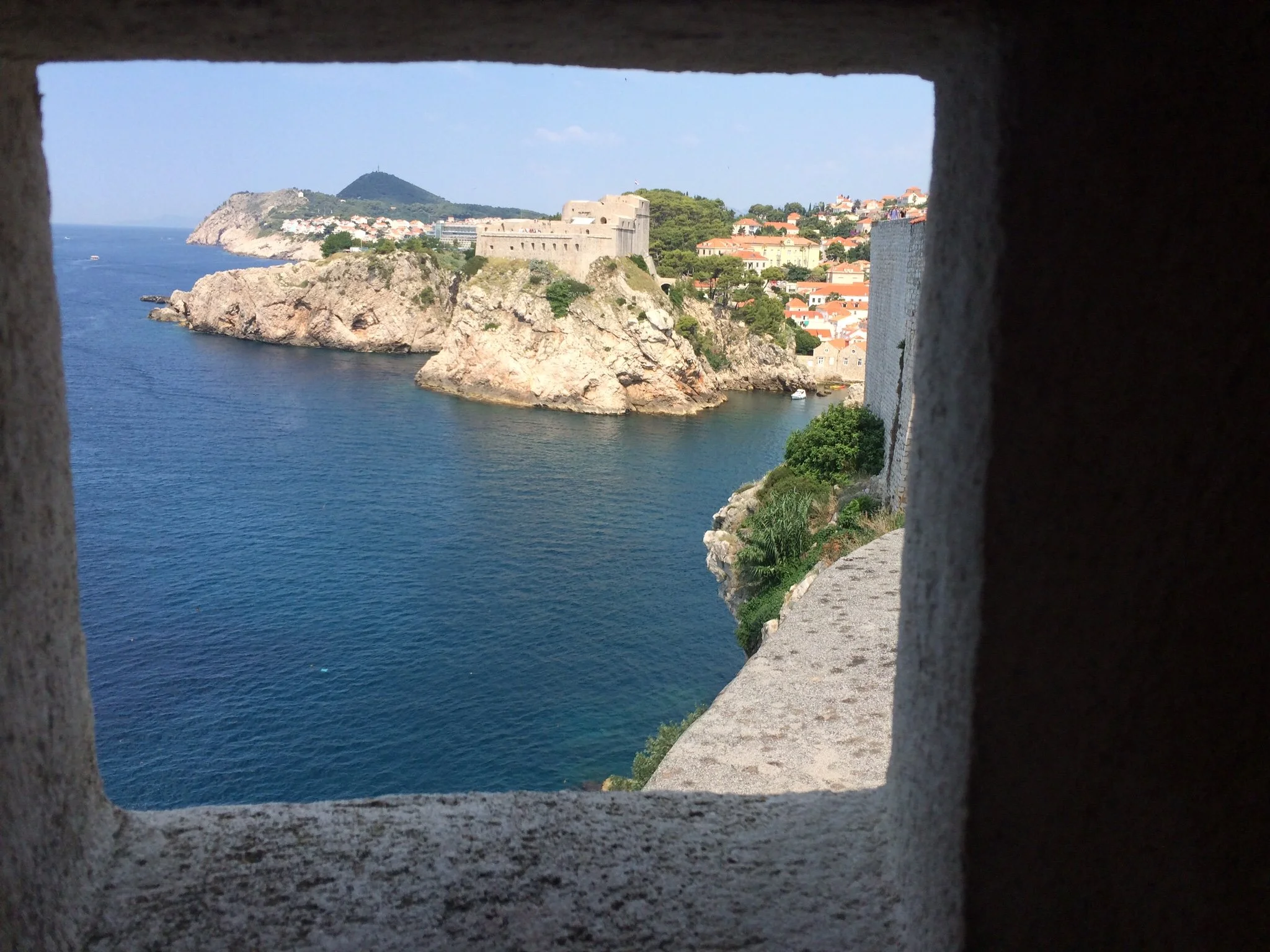
Dubrovnik is the city everyone arrives at and almost nobody gives enough time. The cruise crowds come in for a few hours, walk the main drag, photograph the walls, and leave — and they never see the version of the city that makes it worth the trip. The real Dubrovnik happens early in the morning before the day-trippers land, and again in the evening after they've gone, when the limestone streets glow under the lamps and the Old Town feels like it belongs to the people sleeping inside it.
We used Dubrovnik as the launch point for a run through the Dalmatian islands, and we'd tell anyone to do the same — but to build in at least two nights here first. This is our honest guide to where to stay, where to eat and drink, and what's actually worth your time. Everything is firsthand. We paid for our own stay, and nothing here is sponsored.
Where to stay in Dubrovnik
The first decision is location, and it's a real one. Inside the Old Town walls you get atmosphere and a five-minute walk to everything, but rooms are smaller, there's no pool, and you'll haul your luggage over cobblestones. Just outside — the Ploče and Pile neighborhoods — you trade a ten-minute walk for sea-view pools, spas, and space. Both are right. It comes down to whether you want to live inside the postcard or look at it from a terrace with a drink in hand.
Hotel Excelsior (Ploče)
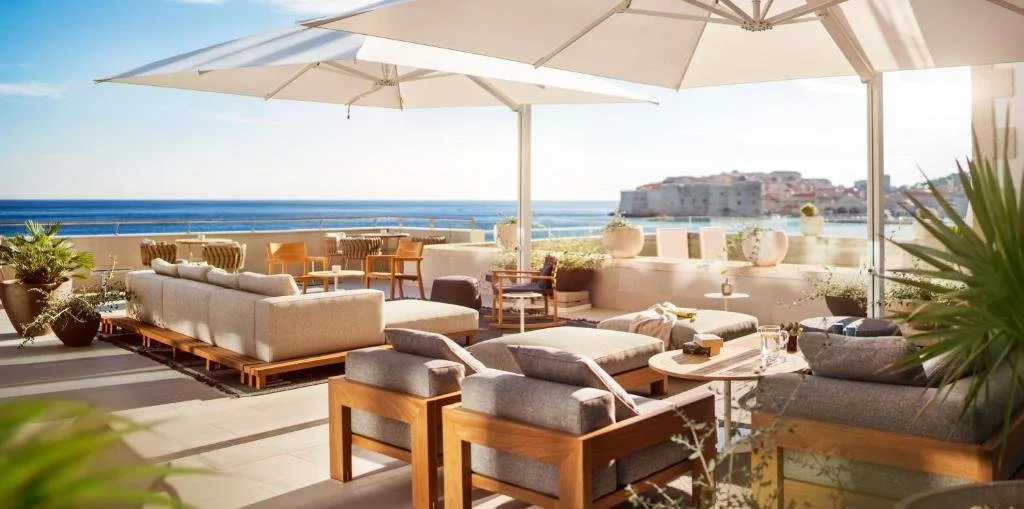
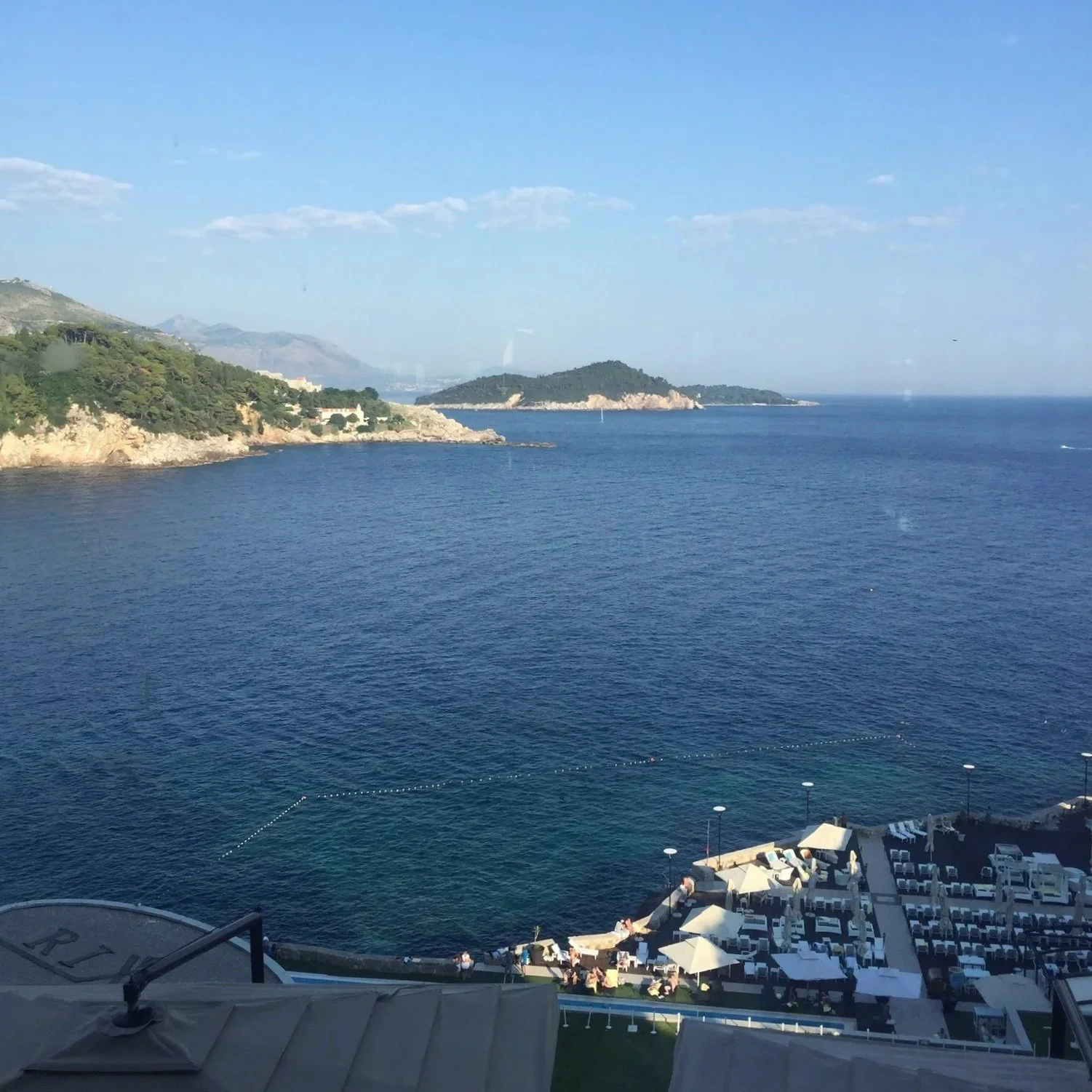
If you want the classic Dubrovnik luxury stay, this is it. The Excelsior sits on the Ploče side, a ten-minute walk from the Old Town, and nearly every room faces the Adriatic with the medieval walls rising out of the water in the distance. It's a five-star with a serious spa, an indoor pool, and multiple restaurants, and the sea-facing rooms are worth the upgrade — waking up to that view is the thing you'll remember. Book a sea-view room rather than a city-view; the difference is the entire point of staying here.
Villa Orsula (Ploče)
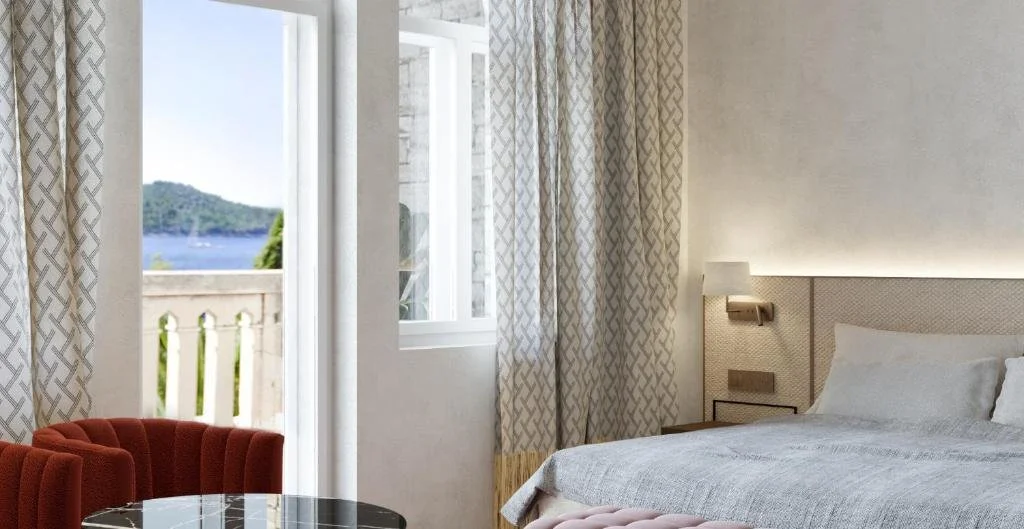
A few steps from the Excelsior, the Villa Orsula is the romantic boutique alternative — a restored 1930s villa with just thirteen rooms, a vine-draped restaurant terrace, and a private bathing spot below. It's quieter and more intimate than the big five-stars, with the same sweeping view back toward the Old Town walls. This is where we'd send a couple celebrating something.
Boutique Hotel Stari Grad
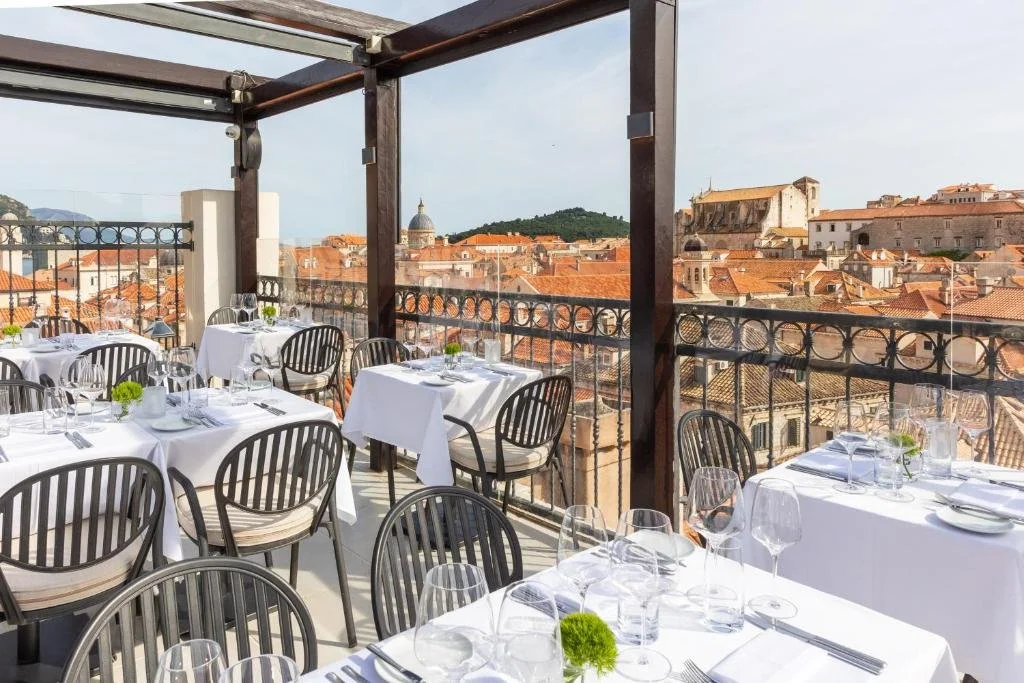
For travelers who want to actually live inside the Old Town, the Stari Grad is the pick. It's a fully renovated 16th-century noble house, small and personal, and its rooftop terrace is the trump card: breakfast and evening drinks with the Old Town rooftops and the Adriatic laid out around you. Rooms are cozy by luxury standards — that's the trade for the location — but you're stepping out the door directly into the heart of the walled city.
Our pick: the Excelsior for a first visit and the full Dubrovnik view, Villa Orsula for a romantic stay, and the Stari Grad if sleeping inside the walls matters more than a pool.
What to do in Dubrovnik
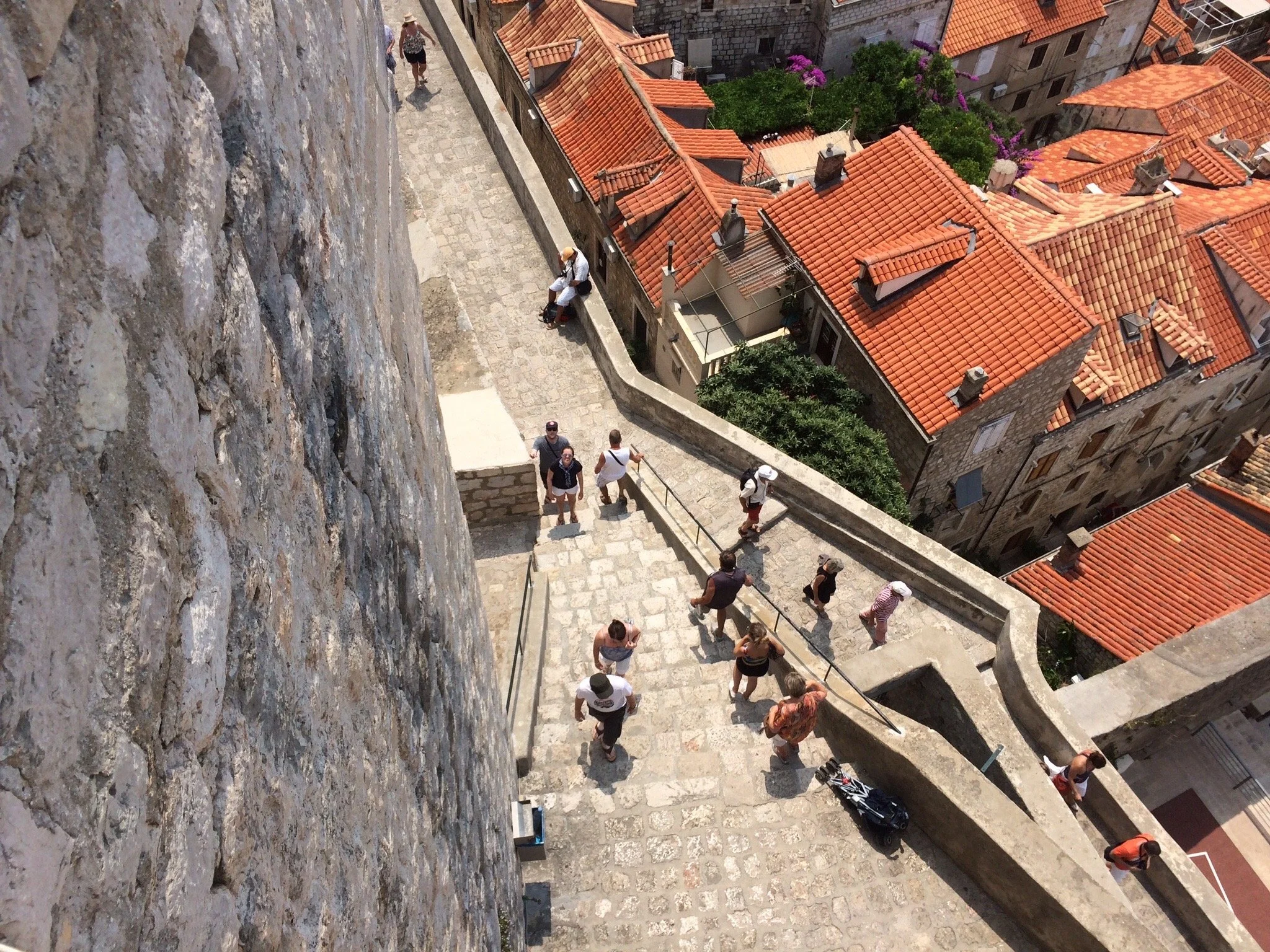
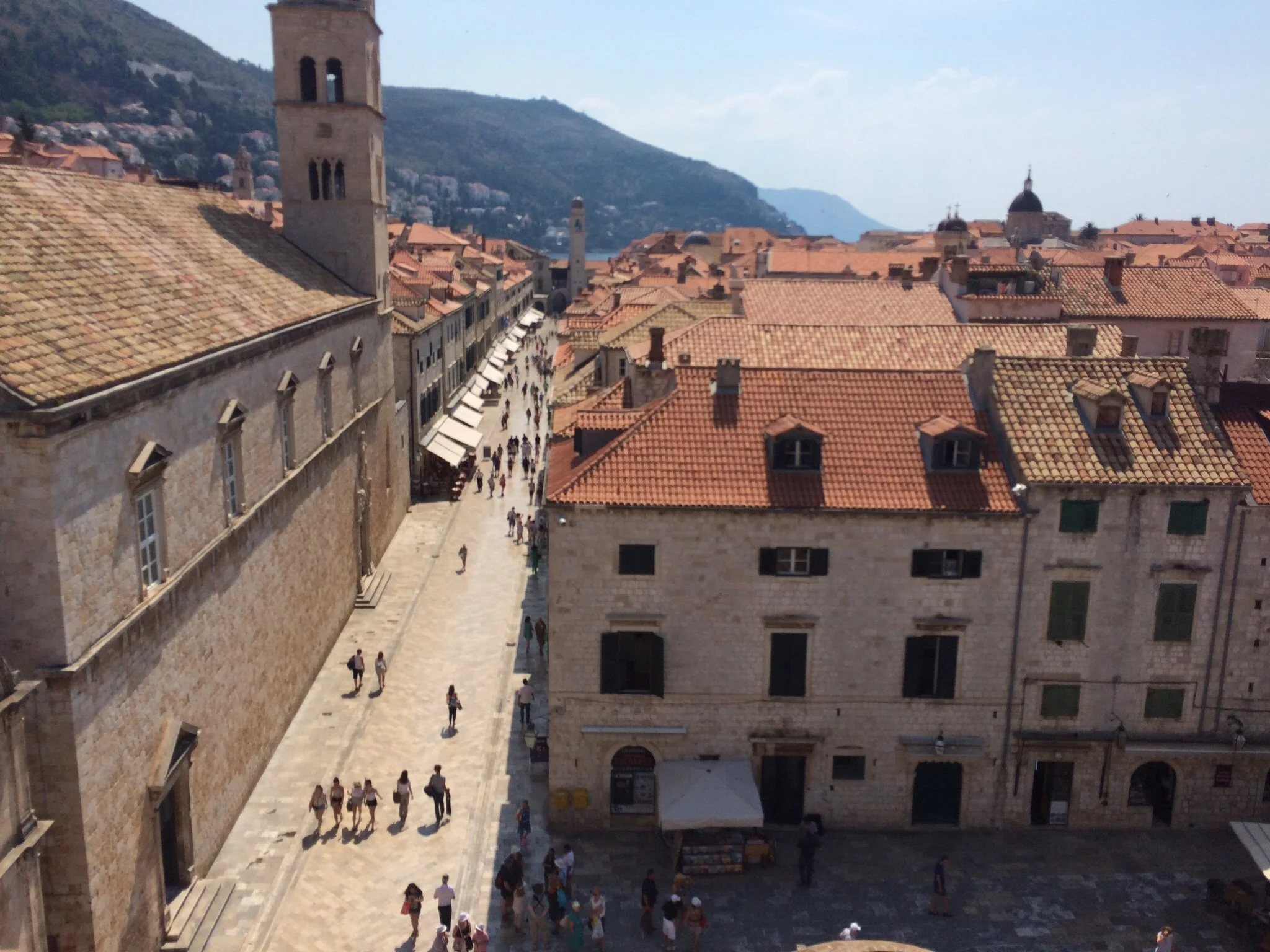
Walk the city walls — early. This is the one non-negotiable. The roughly two-kilometer circuit of the medieval walls is the best thing to do in Dubrovnik and lives up to every photograph, with the terracotta rooftops on one side and the open Adriatic on the other. Go right when they open in the morning, or in the last hour before they close. The midday heat on the exposed stone in summer is genuinely punishing, and the crowds make the narrow sections a shuffle. Early, with the light low and the walls nearly empty, it's extraordinary.
Take the cable car up Mount Srđ. The cable car climbs to the ridge above the city for the definitive panorama — the whole walled town below, Lokrum Island offshore, and the islands trailing into the distance. Go near sunset if you can. There's a restaurant and bar at the top if you want to make an evening of the view.
Swim to Lokrum Island. A short ferry hops across to this green, car-free nature reserve just offshore — botanical gardens, rocky swimming coves, peacocks wandering the paths, and a saltwater lagoon. It's the easiest way to swap the stone city for a few hours in the water and trees, and it's a quick trip back.
Wander without a plan. The Old Town rewards getting lost in it. Climb the side stairs off the main Stradun, find the quiet residential lanes strung with laundry, and let the day-trip routes empty out around you. The early mornings and the hours after the cruise crowds leave are when the city is most itself.
Where to eat in Dubrovnik
Dubrovnik dining splits into tiers: a handful of genuine fine-dining rooms where the setting and the cooking both justify the price, and a much larger field of view-driven tourist restaurants where you're paying for the terrace. Book the good ones well ahead — in peak summer the best tables go weeks in advance.
Restaurant 360 — the splurge. Dubrovnik's Michelin-starred room, built into the medieval walls above the old port. Tasting menus that put a modern, French-influenced spin on Dalmatian flavors, an enormous wine list, and a setting that's hard to beat anywhere in the Mediterranean. This is the meal to plan the trip around if you're going to have one big dinner. Reserve early.
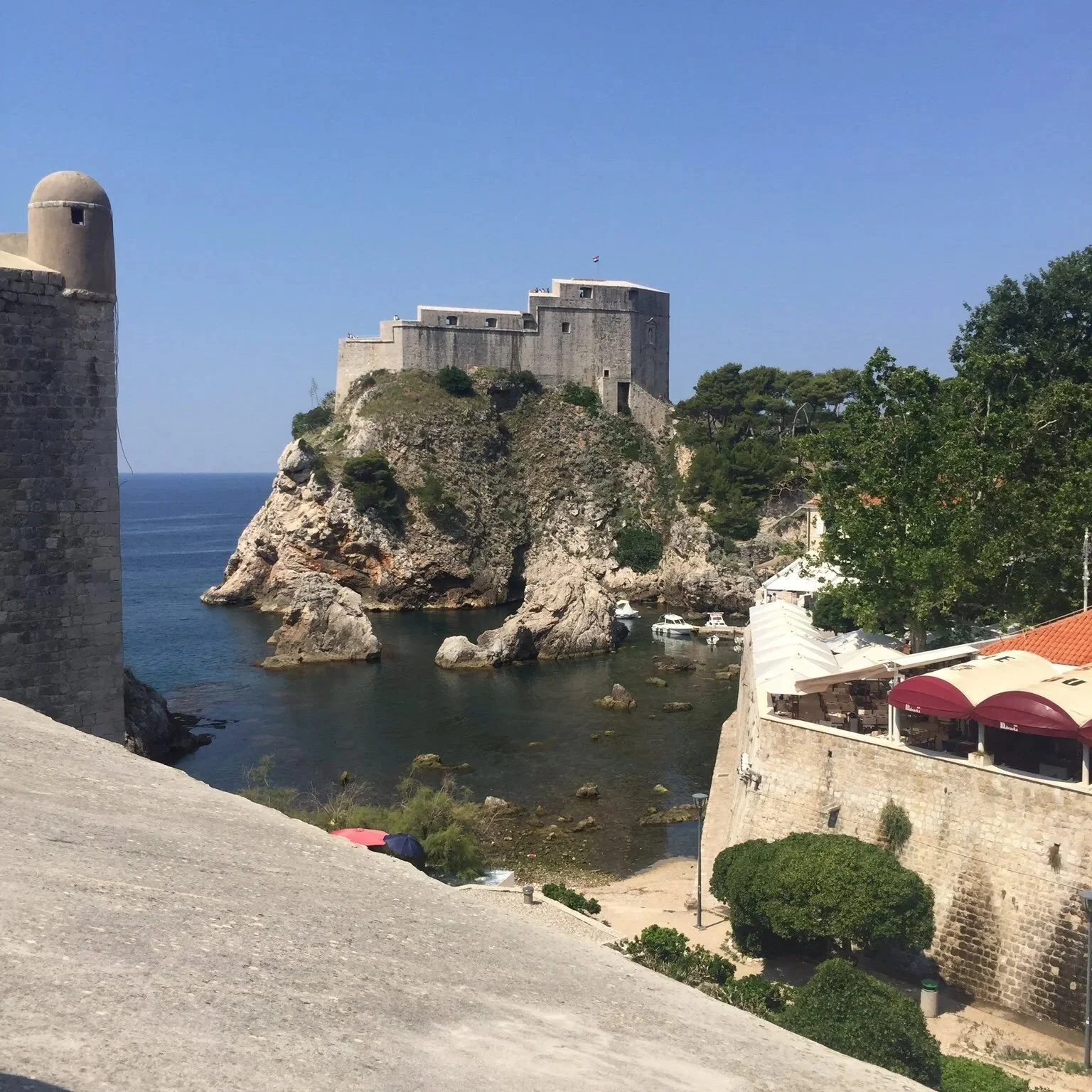
Nautika — the classic. Just outside the Pile Gate on a seafront perch, with terraces looking out at the Lovrijenac and Bokar fortresses. It's old-school glamour — white tablecloths, polished service, seafood done properly — and one of the most romantic dining rooms in the city, especially at sunset. Ask for a front-row table by the sea when you book.
Proto — for seafood. A long-running Old Town institution that has held its quality where many haven't. Straightforward, excellent Adriatic fish and seafood, a little less ceremony than 360 or Nautika, and a reliable choice for a proper meal in the heart of the walled city.
Where to drink in Dubrovnik
Buža Bar — the one you can't miss. Literally a hole in the wall: you step through a gap in the southern city walls and emerge onto concrete terraces clinging to the cliff above the Adriatic, looking straight out at Lokrum. There's nothing fancy here — drinks come simple, it's cash only, and the seating is whatever rock you can find — but it's the best sundowner spot in Dubrovnik and one of our favorite bars anywhere. Go for sunset, accept that it'll be busy, and watch the braver patrons cliff-jump into the sea below.
D'Vino — for wine. Tucked down a narrow Old Town side street, this is the place to learn Croatian wine. Knowledgeable pours, local varieties you won't find at home, and good cheese and charcuterie boards. A relaxed, low-key counterpoint to the cliff-bar drama.
Best time to visit Dubrovnik
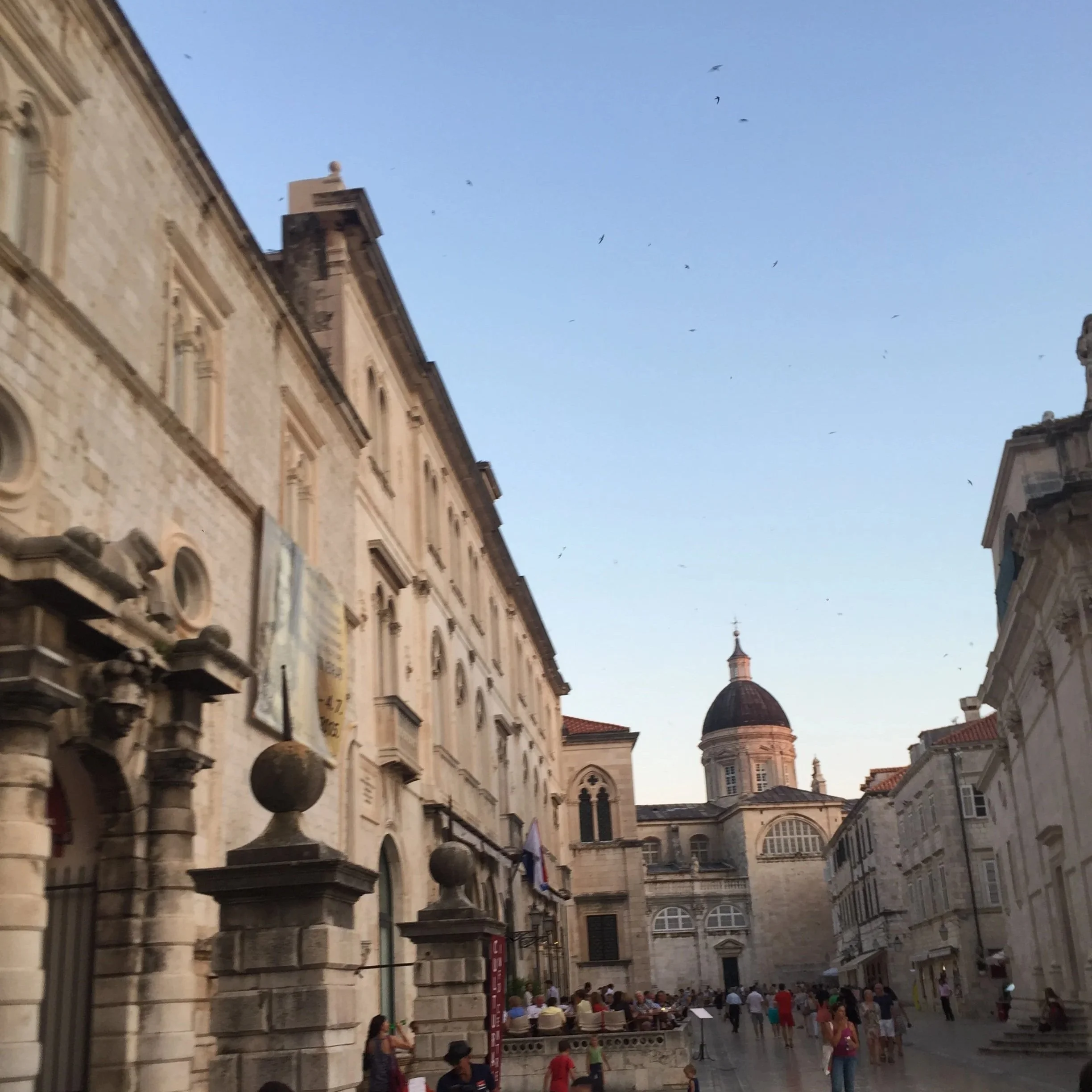
Late May into June and September into early October are the windows we'd book. The water's warm enough to swim, the light is long, restaurants have tables, and the walls are walkable without melting. July and August are spectacular but hot and at full capacity — the Old Town's streets run shoulder-to-shoulder from mid-morning to late evening, and the best restaurants are booked weeks out. Winter is quiet and atmospheric, mild by European standards, but many island connections thin out, so it's better for a city-only trip than an island-hopping one.
Frequently asked questions
How many days do you need in Dubrovnik? Two nights at minimum. Most visitors give it a single day and miss the early mornings and evenings when the Old Town empties and is at its best. Two full days lets you walk the walls, take the cable car, swim at Lokrum, and eat well before moving on to the islands.
Should you stay inside the Old Town or just outside? Inside the walls gives you atmosphere and a five-minute walk to everything, but smaller rooms and no pool. Just outside, in Ploče or Pile, you get sea-view pools, spas, and more space for a ten-minute walk in. For a first visit we'd lean just outside for the full view; for atmosphere over amenities, stay inside.
What's the best restaurant in Dubrovnik? Restaurant 360 is the standout for a special meal — the city's Michelin-starred room, set into the medieval walls. Nautika is the classic romantic choice just outside the Pile Gate, and Proto is the reliable pick for excellent seafood inside the Old Town. All three should be booked well in advance in summer.
When should you walk the Dubrovnik city walls? Right when they open in the morning or in the final hour before closing. The midday sun on the exposed stone is brutal in summer and the crowds turn the narrow stretches into a slow shuffle. Early or late, with low light and thin crowds, is when the walls are unforgettable.
Is Dubrovnik a good base for the islands? Yes — it's the natural launch point for the southern Dalmatian islands. Ferries and catamarans connect it to Hvar, Korčula, Mljet, and beyond, running frequently in summer and far less so off-season. Give Dubrovnik two nights first, then island-hop from here.
When is the best time to visit Dubrovnik? Late May to June and September to early October offer warm water, long light, and far smaller crowds than peak summer. July and August are the hottest and busiest months, when the Old Town runs at capacity and the best restaurants book up weeks ahead.