
3 Days in Florence: A Luxury Itinerary (2026)
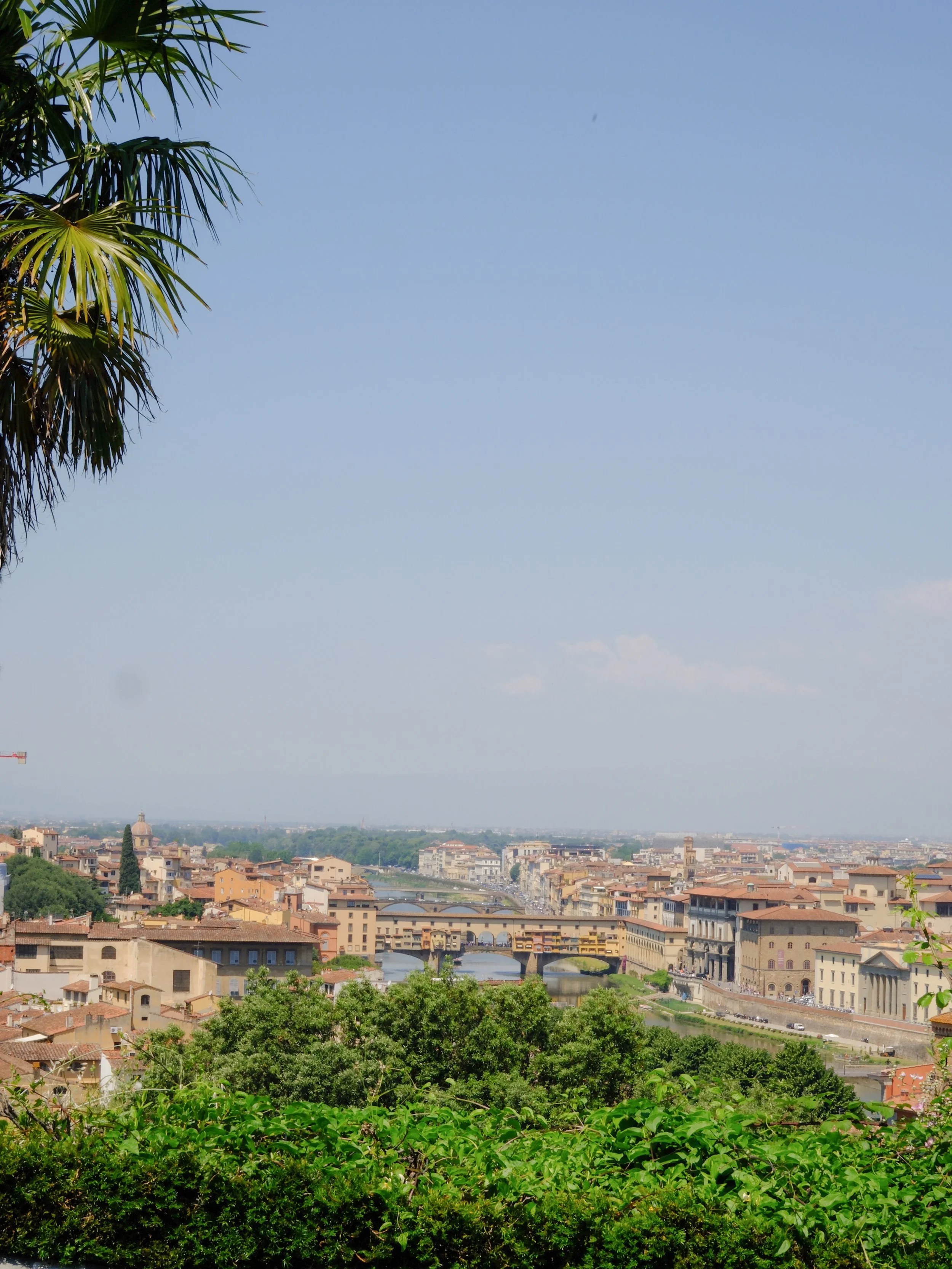
Florence is small, walkable and dense with things to see, which makes three days close to perfect: enough to cover the Duomo, the great galleries and the Oltrarno without rushing, with time left to shop, eat well, and watch the sun set over the city from the hills. This is the itinerary we'd hand a friend — the icons, the best of the Oltrarno, a proper shopping afternoon, and a sunset walk you shouldn't skip. It assumes you're basing yourself in the center and traveling as a couple or with older kids.
Before You Go
Book your big-ticket sights online in advance. The Uffizi, the Accademia (for Michelangelo's David), and the climb up Brunelleschi's dome all sell timed-entry tickets that go fast, and the walk-up lines are long. Florence is extremely compact, so you'll do almost all of it on foot. And eat the bistecca alla fiorentina at least once — it's the dish the city is known for, served rare and by weight.
Where to Stay
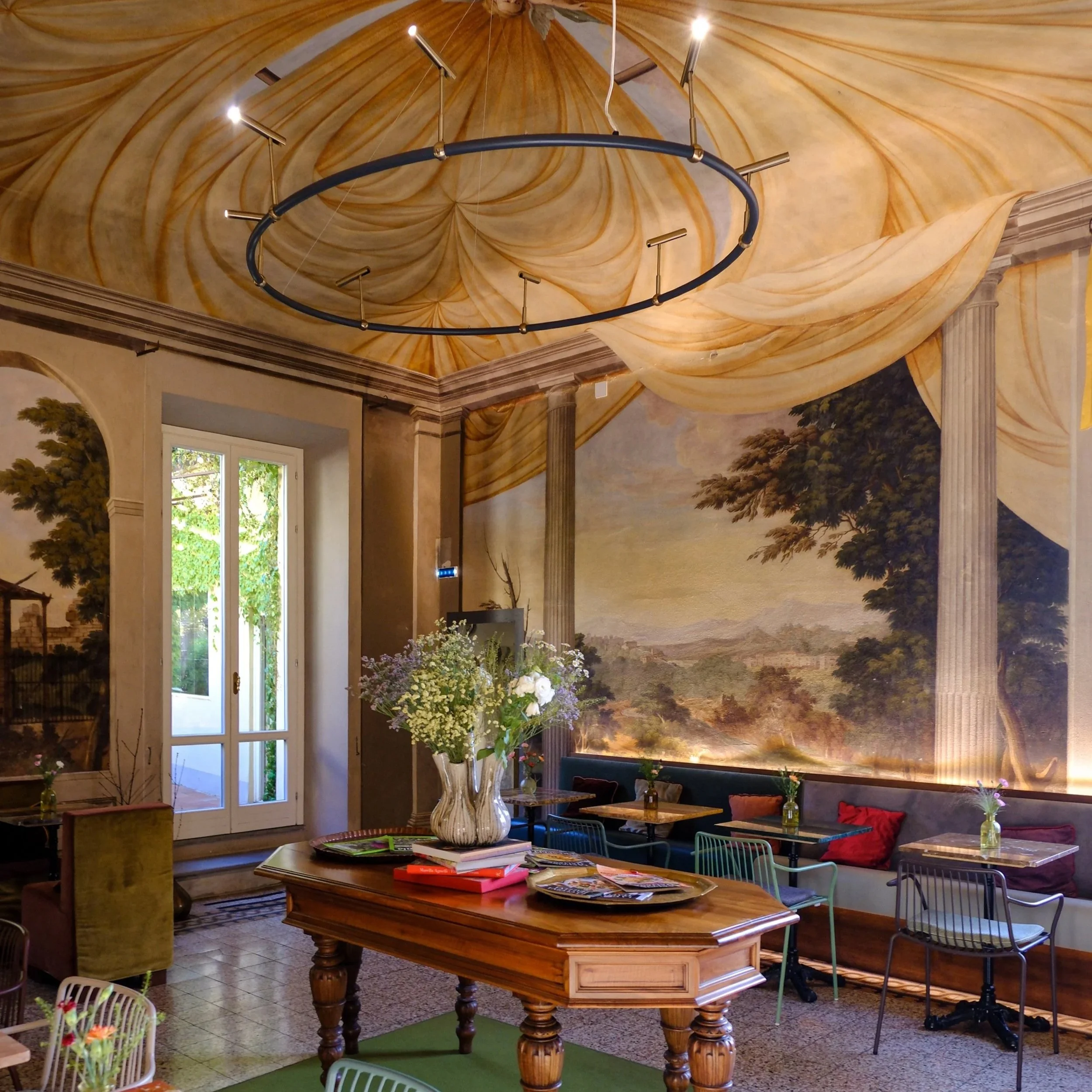
Two picks depending on what you want. For a design-led boutique stay right in the middle of the action, Stella d'Italia sits on the upper floors of a palazzo on Via de' Tornabuoni, the best shopping street in the city — funky, charming, and unbeatable for location (see our full Stella d'Italia review). For full-service luxury, the Four Seasons Firenze is the grand option: set in two restored Renaissance palazzi a little east of the center, with the largest private garden in Florence, a serious spa, a pool, and a Michelin-starred restaurant. One is about location and character, the other about space and amenities — both are excellent.
Day 1: The Duomo, the Heart of the City, and Shopping
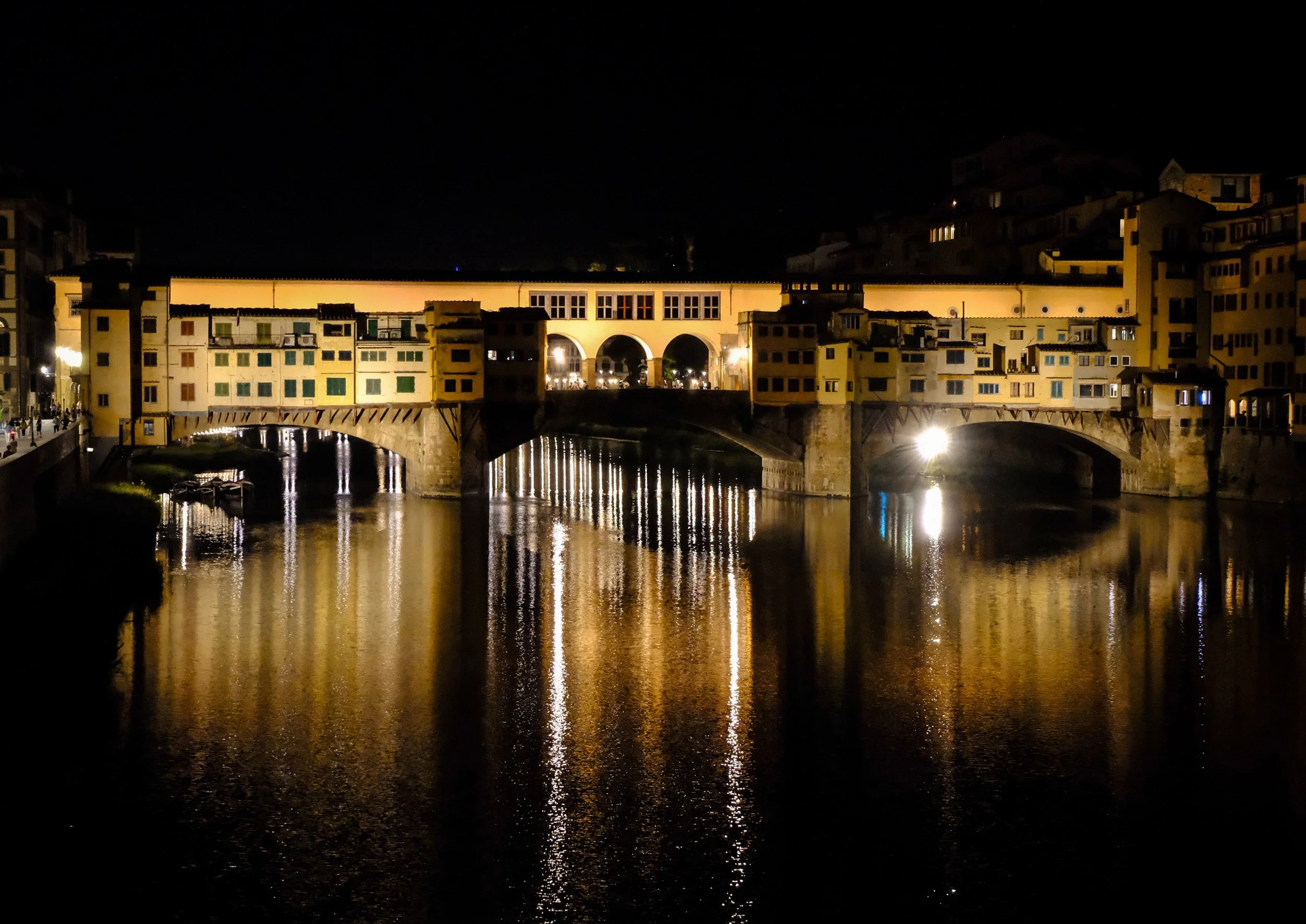
Start at the Duomo, Florence's cathedral, as early as you can. See the cathedral and the Baptistery doors, and if you booked it, climb Brunelleschi's dome for the view over the rooftops (it's a steep, narrow climb, but worth it). From there walk to Piazza della Signoria, the open-air heart of the city, past Palazzo Vecchio and the sculptures of the Loggia, then down to the Ponte Vecchio, the medieval bridge lined with gold shops.
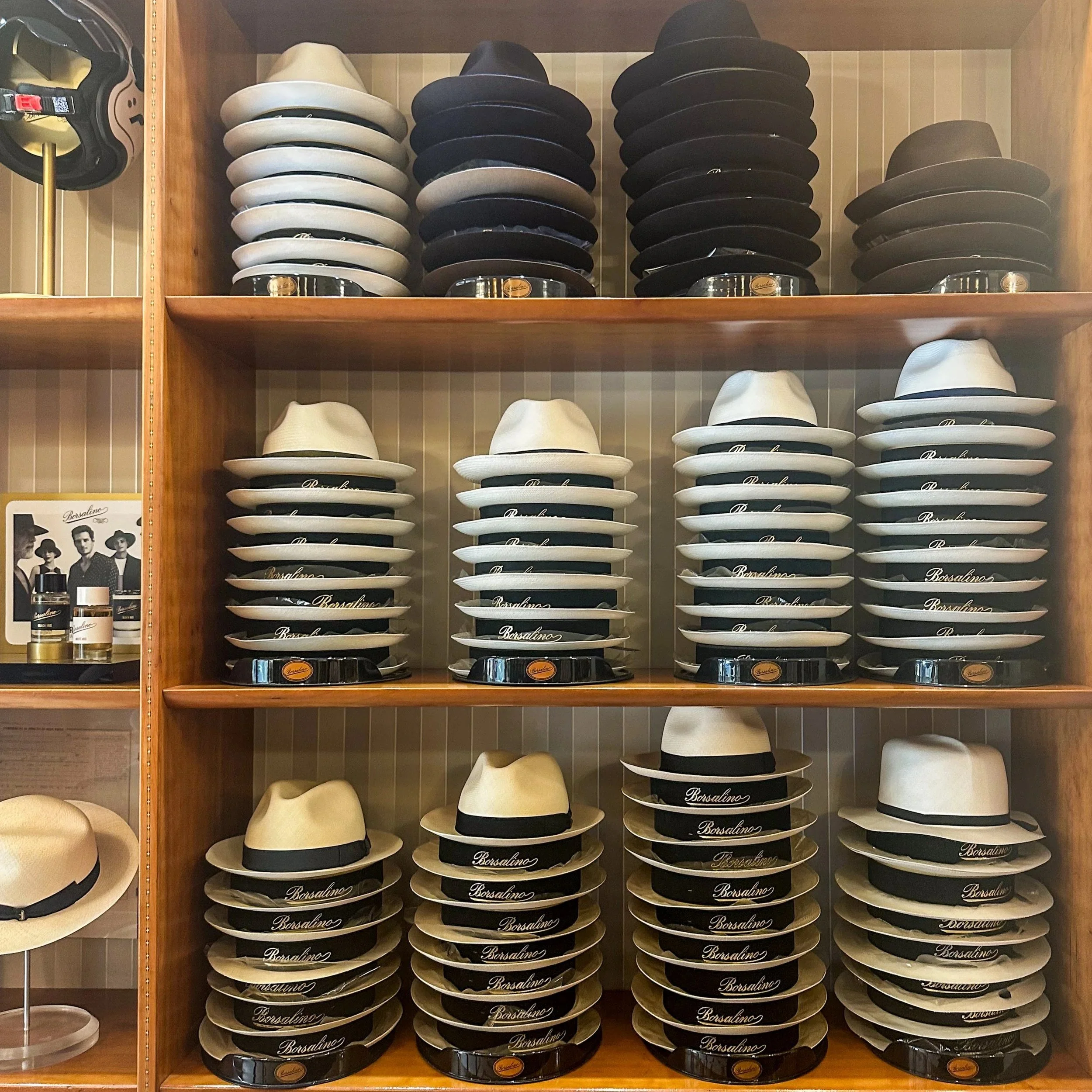
Have a relaxed lunch in the center, then spend the afternoon shopping. Via de' Tornabuoni is the elegant spine of Florentine shopping, lined with the big fashion houses, but the better finds are the artisans — leather, paper, jewelry, and hats. Stop into Borsalino, the iconic Italian hat house, for a handmade felt hat — the kind of timeless Italian piece you'll actually keep. Wander the side streets and let yourself get a little lost.
In the evening, have an aperitivo, then dinner — this is the night for the bistecca alla fiorentina at one of the city's classic steak houses. Book ahead.
Day 2: The Uffizi, the Accademia, and the Oltrarno
Give the morning to art. Go to the Uffizi at opening with your pre-booked ticket — it holds the greatest collection of Renaissance painting in the world, so give it a couple of hours and don't try to see everything. Either before or after, visit the Accademia to stand in front of Michelangelo's David, which is more overwhelming in person than any photo suggests.
For lunch, head to the Mercato Centrale food hall, or join the line at the famous panini counter All'Antico Vinaio if you don't mind the wait. In the afternoon, cross the river into the Oltrarno, the artisan quarter on the south bank. This is the real, lived-in Florence — workshops, antique restorers, and the lovely Piazza Santo Spirito. Visit the Pitti Palace and the Boboli Gardens if you want more art and greenery, or just wander the streets and browse the studios.
Stay in the Oltrarno for an aperitivo in Piazza Santo Spirito as the light goes, then dinner in the neighborhood — it has some of the best, least touristy cooking in the city.
Day 3: The Rose Garden, Piazzale Michelangelo, and Sunset
Keep the morning easy — a slow coffee, a last museum like Santa Croce, or a cooking class if you want to learn the pasta. Do your final wandering and shopping while the city is quiet.
Save the late afternoon for the best walk in Florence. From the Oltrarno, climb up through the San Niccolò neighborhood to the Giardino delle Rose, the free terraced rose garden on the hillside, where you get a beautiful, uncrowded view over the city and the Duomo. From there it's a short walk up to Piazzale Michelangelo, the classic panoramic terrace, and then a little higher to the church of San Miniato al Monte — one of the most beautiful churches in Italy and the best place to watch the sun set over Florence. Time it so you're up here as the light turns gold.
Walk back down for a final dinner in the Oltrarno or San Niccolò, with the day's last view of the city behind you.
If You Have More Time
With a fourth day, head out into the Tuscan countryside. The Chianti wine region is less than an hour away and easy to visit for a day of vineyards and lunch (see our guide to the best wineries in Tuscany). Siena, San Gimignano, and the towns of the Val d'Orcia also make excellent day trips.
Florence Itinerary FAQ
Is 3 days enough for Florence? Yes. Three days covers the Duomo, the Uffizi and the Accademia, the Oltrarno, a shopping afternoon, and a sunset over the city, without feeling rushed. Florence is compact, so you can see a lot on foot.
What's the best area to stay in Florence? The historic center, around the Duomo and Via de' Tornabuoni, so you can walk everywhere. The Oltrarno across the river is quieter and more local. See our where to stay in Florence guide for specific hotels.
Do you need to book the Uffizi and Accademia in advance? Yes. Both sell timed-entry tickets that book out, and the walk-up lines are long. Reserve online before you go, and do the same for the climb up the Duomo's dome.
What is the best view in Florence? Piazzale Michelangelo is the classic panorama, but the Giardino delle Rose just below it gives a similar view for free and with fewer crowds, and San Miniato al Monte above it is the best spot for sunset.
When is the best time to visit Florence? Spring (April–May) and fall (September–October) are ideal — pleasant weather and lighter crowds. Summer is hot and very busy. Winter is quiet and atmospheric.
How do you get around Florence? On foot — the center is small and walking is by far the best way to see it. You'll only need a taxi for the train station with luggage or a late night.
Related Articles
The 10 Best Wineries in Tuscany (2026 Guide)
Hotel Il Pellicano Review (2026): Tuscany's Iconic Cliffside Hotel
The Boujist Collection: The Hotels We'd Actually Choose
Puglia Travel Guide: Where to Stay, Best Towns, Food & When to Go