
The Best Restaurants in Lima (2026)
Maido was ranked the best restaurant in the world in 2025, and it's in Miraflores. Central, in Barranco, held the same title two years earlier and serves a tasting menu organised by altitude rather than by course. Both need booking months ahead. But the single most useful thing to know about eating in Lima has nothing to do with either: ceviche is a lunch dish. The good cevicherías close in the afternoon because the fish came in that morning, and ordering it at dinner marks you out and gets you worse fish. Most people give Lima one night on the way to Cusco. Give it three. Nothing here is sponsored.
Lima is the best eating city in South America and it has been for fifteen years. Two of its restaurants have been ranked number one in the world. The market in Surquillo has more varieties of potato and chilli than most countries manage in total. And a five-dollar plate of ceviche from a plastic table in a back street will be among the best things you eat anywhere. The problem is that most visitors treat Lima as an airport with a city attached, spending one night before flying to Cusco. That's the wrong call, and the food is the reason.
Start with the rule that governs everything.
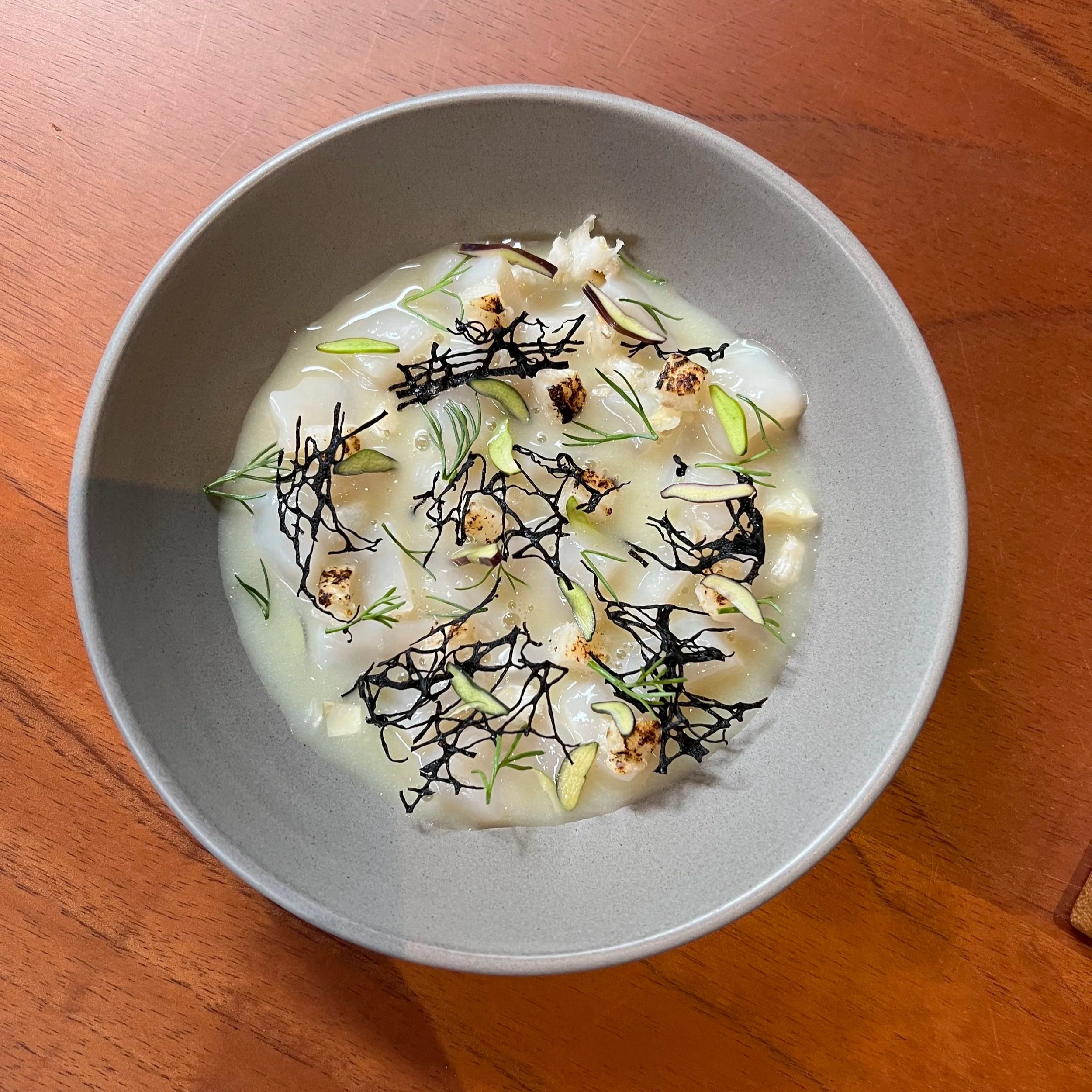
Ceviche is lunch
The good cevicherías in Lima open around eleven and close by four, and it isn't laziness. The fish is that morning's catch, sold and served the same day, and what's left at seven in the evening is not what you want. Peruvians eat ceviche at lunch. Restaurants that serve it at dinner are serving tourists, and the fish reflects that.
So build your days around it. Ceviche at one, a long afternoon, dinner somewhere else. This one adjustment will improve your eating in Lima more than any single reservation.
How to book Central and Maido
Both are genuinely hard tables and they work differently.
Central releases reservations in blocks, typically opening a new period every few months, and the dates go quickly. Check the site for the next release window rather than trying to book on demand. The restaurant sits in Barranco in a building it shares with Kjolle and the research kitchen Mater Iniciativa, and the tasting menu is organised by altitude, moving from the ocean floor up through the Andes to the high plateau.
Maido takes bookings on a rolling window and is slightly easier, though not easy. It was ranked the best restaurant in the world in 2025.
For both, weekday lunches are more available than evenings, and cancellations are worth checking daily in the weeks before you travel.
If you get neither, Kjolle is in the same building as Central under Pía León and is superb, and Mayta and Mérito are both excellent and bookable within a week.
Maido
The best restaurant in the world in 2025, and the case for Nikkei cooking as a cuisine in its own right rather than a fusion.
Mitsuharu Tsumura's food comes out of the Japanese community that has been in Peru since the 1890s, and the technique is Japanese while the ingredients and the acid are entirely Peruvian. The fifty-day aged beef and the nigiri courses are what people talk about afterwards.
The honest caveat: it's a long tasting menu at around $200 to $250 a head before drinks, and the room is more energetic than reverent, which some people love and others find loud for the price.
Central
Virgilio Martínez and Pía León's restaurant, ranked number one in the world in 2023, and the most conceptually ambitious meal in South America.
The menu is built by elevation. Each course is tied to an altitude, from below sea level up to nearly 4,000 metres, using ingredients sourced from that specific band. It sounds academic and eats as one of the more moving meals you'll have.
The honest caveat: around $250 to $300 a head and the hardest table in Peru. It's also the most cerebral restaurant on this list, and if you want to eat rather than to think about eating, Maido or Mayta will suit you better.
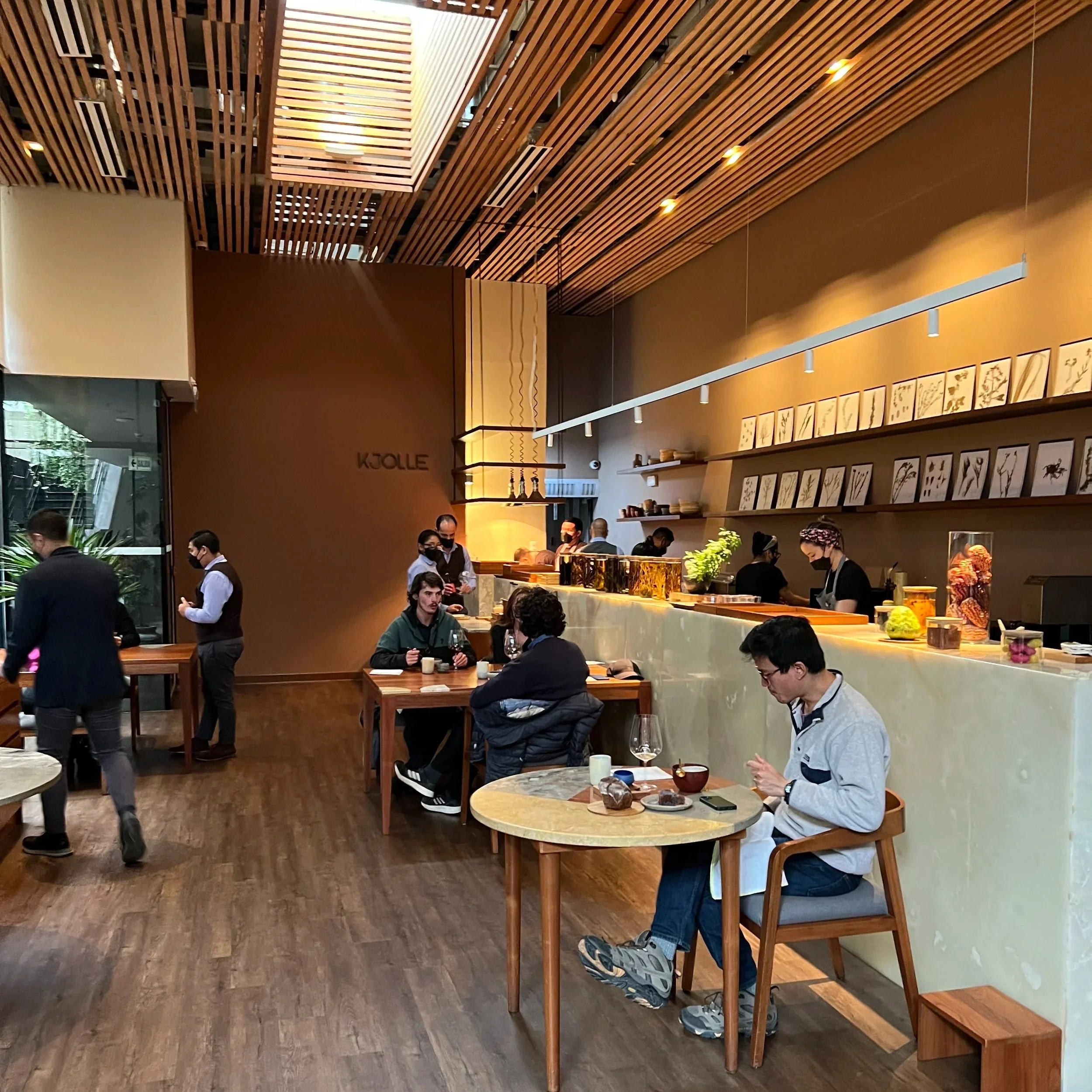
Kjolle
Pía León's own restaurant, in the same building as Central and consistently ranked among the best in Latin America in its own right. Warmer and more direct than Central, with Peruvian ingredients handled with less theory and more colour. Considerably easier to book, which makes it the smart move for anyone who couldn't get the table next door.
La Mar
The cevichería that made Peruvian food famous outside Peru. Gastón Acurio's original, lunch only, no reservations, and there is always a queue. Order the ceviche clásico and a tiradito, and drink a chilcano. The room is loud and busy and it's the standard against which every other ceviche in the city gets measured.
The honest caveat: it's expanded internationally and it is very much on the tourist map, which shows in the crowd. The fish is still excellent. Purists will send you elsewhere and they're not wrong, but this is not a bad meal.
Al Toke Pez
The counter. Eight stools, a man called Tomás Matsufuji with a doctorate in chemistry who left it to cook fish, and a plate of ceviche, chicharrón and arroz con mariscos for around five dollars. You stand or you wait for a stool. It has been on the Latin America's 50 Best list. It is the best value meal in South America.
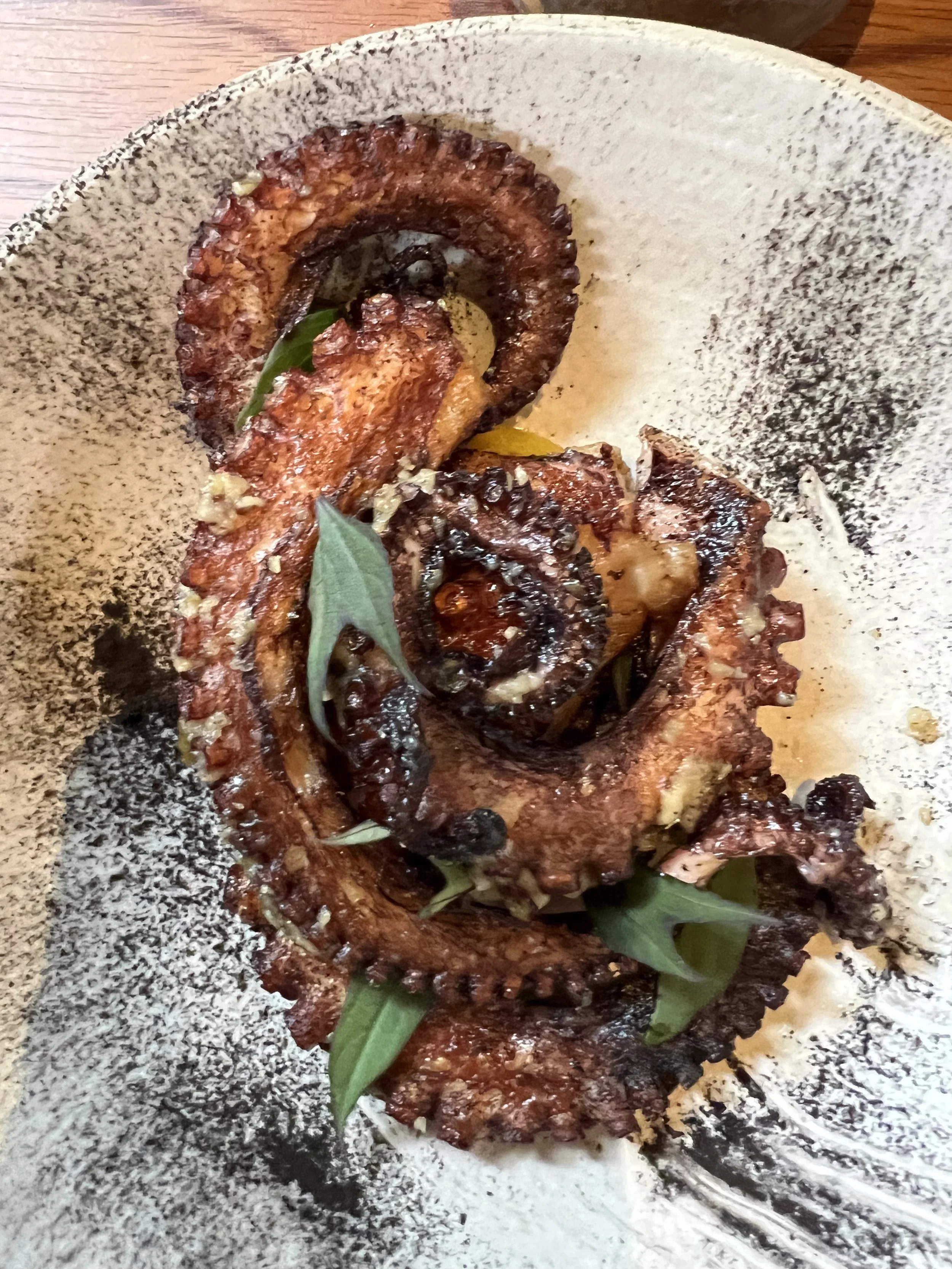
La Picantería
Near the market, and the place to understand how Peruvians actually eat fish. You choose your fish whole from the display and decide how you want it cooked, and it arrives on a table designed for sharing. Lunch only. Loud, cheap, and one of the most enjoyable rooms in Lima.
Isolina
The taberna, and the antidote to tasting menus. Peruvian criollo cooking in enormous portions on heavy plates: cau cau, seco de asado, tacu tacu. Nothing here is delicate and none of it is trying to be. Come hungry, come with people, and share.
Mérito
Small, twenty-odd seats, Venezuelan-Peruvian cooking from Juan Luis Martínez, and the restaurant most likely to become the next name on the global lists. Short menu, high technique, no ceremony. It's the one we'd book if we had one dinner and couldn't get Central.
Astrid y Gastón
Gastón Acurio's flagship, in Casa Moreyra, a restored seventeenth-century hacienda in the middle of the business district. The restaurant that started the whole Peruvian food movement in the mid-nineties. Less fashionable now than the newer names, and still a beautiful room and a serious kitchen.
Osso
Renzo Garibaldi is a butcher first and a chef second, and Osso is a butchery with a restaurant attached. Dry-aged beef, nose to tail, and a meat-focused counter that is the best steak experience in Peru. The counter tasting is the booking to make.
Anticuchos de la Tía Grimanesa
Grilled beef heart on skewers, from a woman who spent decades cooking them on a street corner before moving indoors. Smoky, charred, cheap, and the best single bite of street food in Lima. Go in the evening. Expect a line.
The Surquillo market
Not a restaurant, and worth a morning anyway. Mercado No. 1 de Surquillo is where the chefs on this list shop, and an hour walking it will teach you more about Peruvian food than any meal. Dozens of potato varieties, ají amarillo and rocoto and panca, fruit you won't recognise, and stalls doing ceviche at the back for a few soles.
Where to drink
Carnaval in San Isidro has been ranked among the best bars in the world and is the most technically serious cocktail bar in South America.
Lady Bee in Barranco is the smaller, more experimental one.
And for a pisco sour in a room that has been serving them for a century, the Hotel Maury in the Centro claims to have invented the Peruvian version.
The neighborhoods
Miraflores is where most visitors stay, on the cliffs above the Pacific, safe and walkable, with Maido and La Mar in it.
Barranco is the bohemian one next door, and it holds Central, Kjolle, Isolina and Mérito. If eating is the point of your trip, stay here.
San Isidro is the business district, greener and quieter, with Astrid y Gastón and Osso.
Surquillo is where the market is, ten minutes from Miraflores, and where the best cheap eating happens.
HOW LONG TO GIVE LIMA, AND WHEN
Most itineraries give Lima a single night on the way to Cusco. Give it three.
Three nights lets you do one tasting menu, two or three cevicherías, a morning at the market, and an afternoon in Barranco, which is roughly the minimum to understand why this city matters. It also breaks up the altitude problem: arriving in Lima at sea level for a couple of days before flying to Cusco at 3,400 metres is easier on your body than going straight up.
Our Peru itinerary and Sacred Valley guides cover the rest of the trip.
When to go: December through April is Lima's summer, warm and clear. May through November brings the garúa, a low coastal fog that sits over the city for months and makes it grey and damp without ever really raining. The food is unaffected and the light is not.
What it costs: $200 to $300 a head at Central and Maido, $60 to $120 at the mid-tier restaurants, $20 to $40 at the tabernas and good cevicherías, and $5 to $10 at the counters. Lima is one of the best value great food cities in the world.
Practical notes. Lunch runs from about 1pm to 4pm and is the main meal. Dinner starts around 8pm. Uber is cheap and how everyone moves. Tipping is around 10 percent. And the tap water isn't drinkable, though ice in reputable restaurants is fine.
FAQ
What is the best restaurant in Lima? Maido, ranked the best restaurant in the world in 2025, for Nikkei cooking in Miraflores. Central in Barranco held the same title in 2023 and serves a tasting menu organised by altitude.
How do you book Central in Lima? Central releases reservations in blocks every few months rather than on a rolling window. Watch for the next release and book the moment it opens. Kjolle, in the same building, is far easier and nearly as good.
When should you eat ceviche in Lima? At lunch. The good cevicherías close by four because the fish is that morning's catch. Ceviche served at dinner is aimed at tourists and the fish is older.
Where is the best cheap food in Lima? Al Toke Pez in Surquillo, a counter with eight stools serving a five-dollar plate that has made the Latin America's 50 Best list. The Surquillo market next door is the other answer.
How much do restaurants in Lima cost? $200 to $300 a head at Central and Maido, $60 to $120 mid-range, and $5 to $10 at the counters. Extraordinary value across the range.
Should you stay in Miraflores or Barranco? Miraflores for the cliffs, the walkability and the safety. Barranco if food is the point, since Central, Kjolle, Isolina and Mérito are all there.
How many days do you need in Lima? Three. Most itineraries give it one night before Cusco, which is a mistake. Three lets you eat properly and also acclimatise before going to altitude.
What is the garúa? The coastal fog that sits over Lima from roughly May to November, grey and damp without much actual rain. It doesn't affect the eating.