
Telluride vs Aspen: An Honest Verdict from a Local
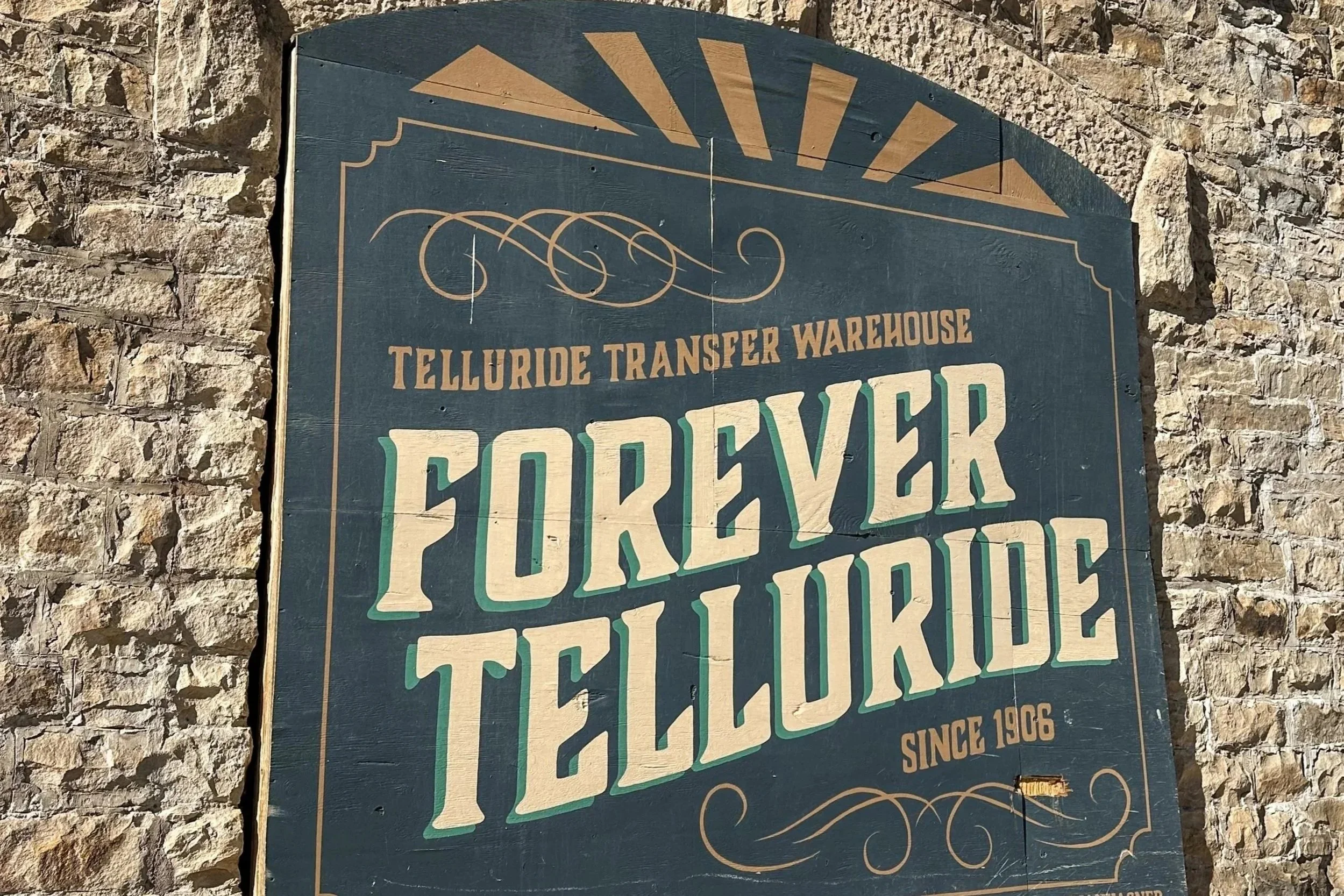
Pick Aspen for the bigger scene with deeper dining, livelier nightlife, and far easier access ,and Telluride for dramatic box-canyon scenery, smaller crowds, and a more remote feel. Aspen rewards travelers who want energy and convenience; Telluride rewards those willing to work a little harder to get somewhere quieter and more spectacular.
It is the question every first-time Colorado luxury traveler ends up asking: Telluride or Aspen? They are the two iconic high-altitude resort towns most travelers compare, both rich in mining-era history, both home to world-class skiing, both surrounded by some of the most beautiful landscape in North America. They are also genuinely different — in ways that matter for the kind of trip you are trying to take.
The Short Answer
Choose Aspen if: you want the easier journey, the bigger ski terrain, and a deeper, year-round cultural calendar. Aspen is the more cosmopolitan option, with more direct flights, four ski mountains on one lift ticket, and a dense roster of museums, festivals, and institutions.
Choose Telluride if: you want the more romantic mountain town and the more dramatic setting. Telluride's preserved 19th-century main street and box canyon location are unmatched in the American West, and the town feels meaningfully smaller, quieter, and more intimate than Aspen.
Both are right answers, depending on the trip. The longer breakdown is below.
The Cost Difference Nobody Mentions
Telluride costs roughly twice what Aspen does on a daily basis. Independent comparison data puts a budget day at around $220 in Telluride against $110 in Aspen, and a midrange day at $480 against $300. Ski-in ski-out hotels in Mountain Village start around $600 a night in peak season.
That is genuinely counterintuitive. Aspen has the louder reputation for expense, and it does have the higher ceiling, meaning the Little Nell and the Jerome sit above anything in Telluride. What Aspen also has is depth. There is a Limelight, a Gant, an Aspen Meadows and a whole Snowmass Village underneath the marquee properties. Telluride's inventory is smaller and skews expensive with far less below the top tier, so the exclusivity premium shows up at every level except the very top.
The practical takeaway: if your budget is the constraint, Aspen is more likely to have something that fits. If you are booking at the top regardless, Aspen is the more expensive of the two.
Getting There: Aspen Wins
This is the clearest gap.
Aspen-Pitkin County Airport (ASE) sits four miles from downtown and runs daily nonstop flights during ski season from Atlanta, Chicago, Dallas/Fort Worth, Denver, Houston, Los Angeles, Minneapolis, Phoenix, Salt Lake City, and San Francisco — served by American, Delta, and United. From Denver International Airport, the drive is roughly three and a half hours.
Telluride has two airports. The closer one, Telluride Regional (TEX), is a notoriously weather-dependent small airport with limited service — mostly seasonal flights from Denver on Boutique Air and United. Most travelers fly into Montrose Regional Airport (MTJ), about 75 miles (90 minutes) from town, which has better connections from major hubs but still adds a long mountain drive. Driving from Denver to Telluride takes more than six hours.
For most travelers, especially families with young kids or international guests, the door-to-door logistics of Aspen are significantly easier. Telluride rewards travelers who can absorb the extra travel day on either end — but that is the cost of entry.
Skiing: Aspen Wins on Scale
Both mountains are world-class. The difference is variety.
Aspen Snowmass is four mountains on one lift ticket — Aspen Mountain (Ajax), Aspen Highlands, Buttermilk, and Snowmass — totaling more than 5,500 skiable acres and over 330 trails. Each mountain has its own personality: Ajax for steeps and town-base skiing, Highlands for the legendary Highland Bowl, Buttermilk for beginners and families, and Snowmass for sheer size and the best top-to-bottom variety in the country (the longest run, Long Shot, is more than five miles). Snowmass alone is larger than the other three Aspen mountains combined and is consistently ranked among the top resorts in North America.
Telluride has roughly 2,000 skiable acres on a single mountain — beautiful, varied, and consistently ranked among the best in the country, with terrain ranging from open Prospect Bowl to expert-only chutes off Gold Hill. The mountain is rarely crowded; the runs are uncrowded even at peak; the views from the top are unbelievable.
Where Aspen wins is in the infrastructure: more lifts, more terrain variety, more on-mountain dining, more variety for groups with mixed abilities, more ski school options for kids. Where Telluride wins is in the experience of having a great ski mountain almost to yourself — and in the fact that you can ski down to a Victorian main street at the bottom, which Aspen's larger footprint cannot quite replicate.
For serious skiers, the breadth of Aspen Snowmass is hard to argue with. For travelers who care more about quiet runs and a postcard-perfect base, Telluride is the better experience.
Cultural Activities: Aspen Wins
This is where Aspen separates itself most clearly from every other ski town in America.
The institutional density is remarkable for a town of fewer than 7,000 residents. The Aspen Music Festival and School has been bringing the world's top classical musicians to town every summer since 1949 — nearly 200 public concerts a season. The Aspen Ideas Festival, run by the Aspen Institute, gathers world leaders, thinkers, and artists each June. The Aspen Art Museum mounts world-class contemporary exhibitions year-round and produces the ambitious AIR Festival each summer, commissioning new work from internationally significant artists. Anderson Ranch Arts Center in Snowmass runs working artist residencies and a summer speaker series. Theatre Aspen, the Wheeler Opera House (1889), Belly Up Aspen, JAS (Jazz Aspen Snowmass), Aspen Words, and the Food & Wine Classic round out a calendar that is essentially full year-round.
Telluride has its own beloved festivals — the secretive and prestigious Telluride Film Festival over Labor Day weekend, the legendary Telluride Bluegrass Festival every June, the documentary-focused Mountainfilm over Memorial Day, plus jazz, blues and brews, and the Telluride Reserve food and wine weekend. These are excellent festivals; some are genuinely the best of their kind in the world.
But Telluride is a festival town more than a year-round cultural town. Aspen has both: the festivals and the standing institutions. If your travel calendar revolves around concerts, exhibitions, lectures, and gallery openings, Aspen offers more, more often, at a higher institutional level.
Charm and Scenery: Telluride Wins
Now the case for Telluride.
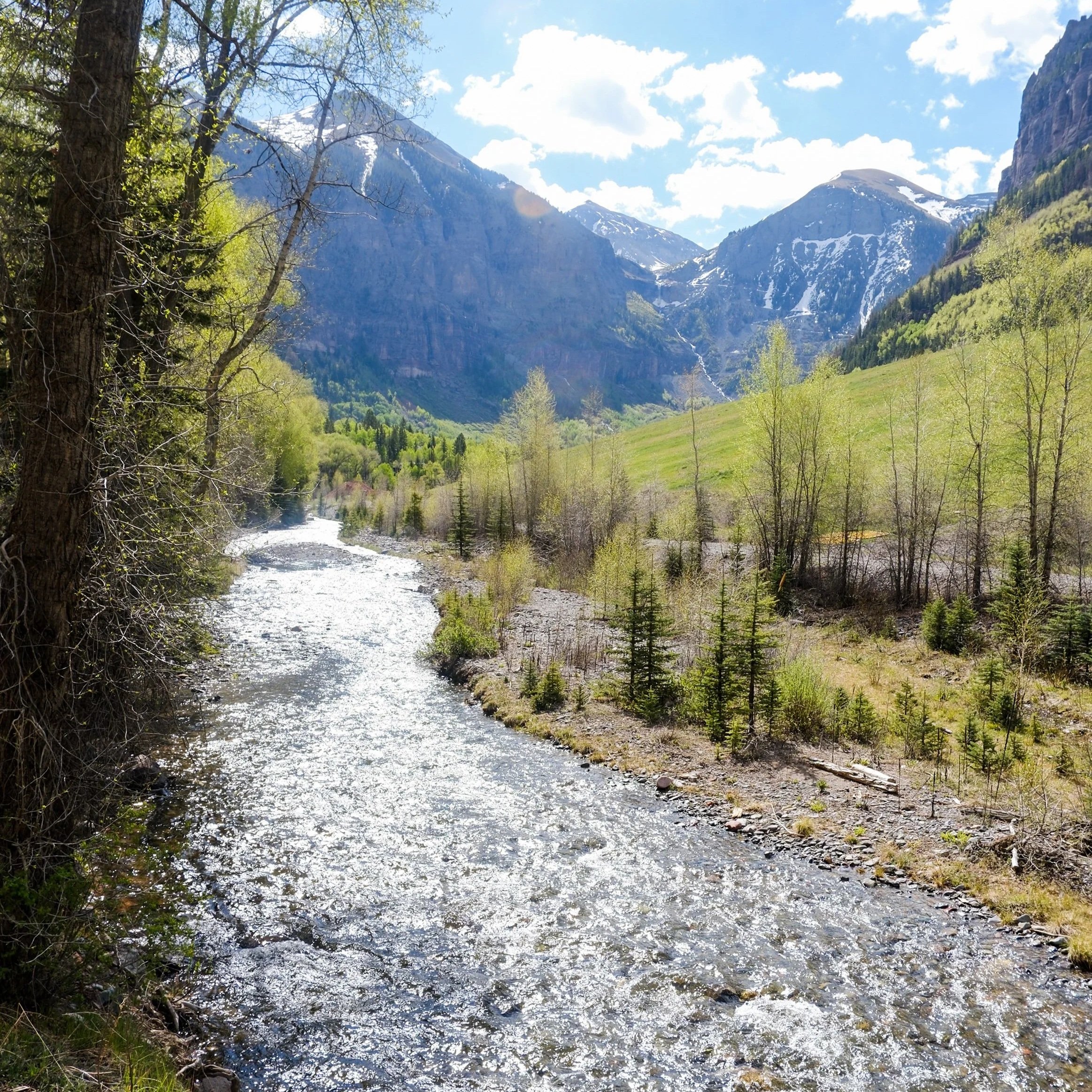
The town sits at the dead end of a box canyonin the San Juan Mountains, hemmed in on three sides by 13,000-foot peaks and a 365-foot waterfall (Bridal Veil Falls, the tallest free-falling waterfall in Colorado). There is, quite literally, nowhere else for the town to expand. The result is that Telluride has retained a scale and intimacy that Aspen, which has grown outward into the Roaring Fork Valley, no longer has.
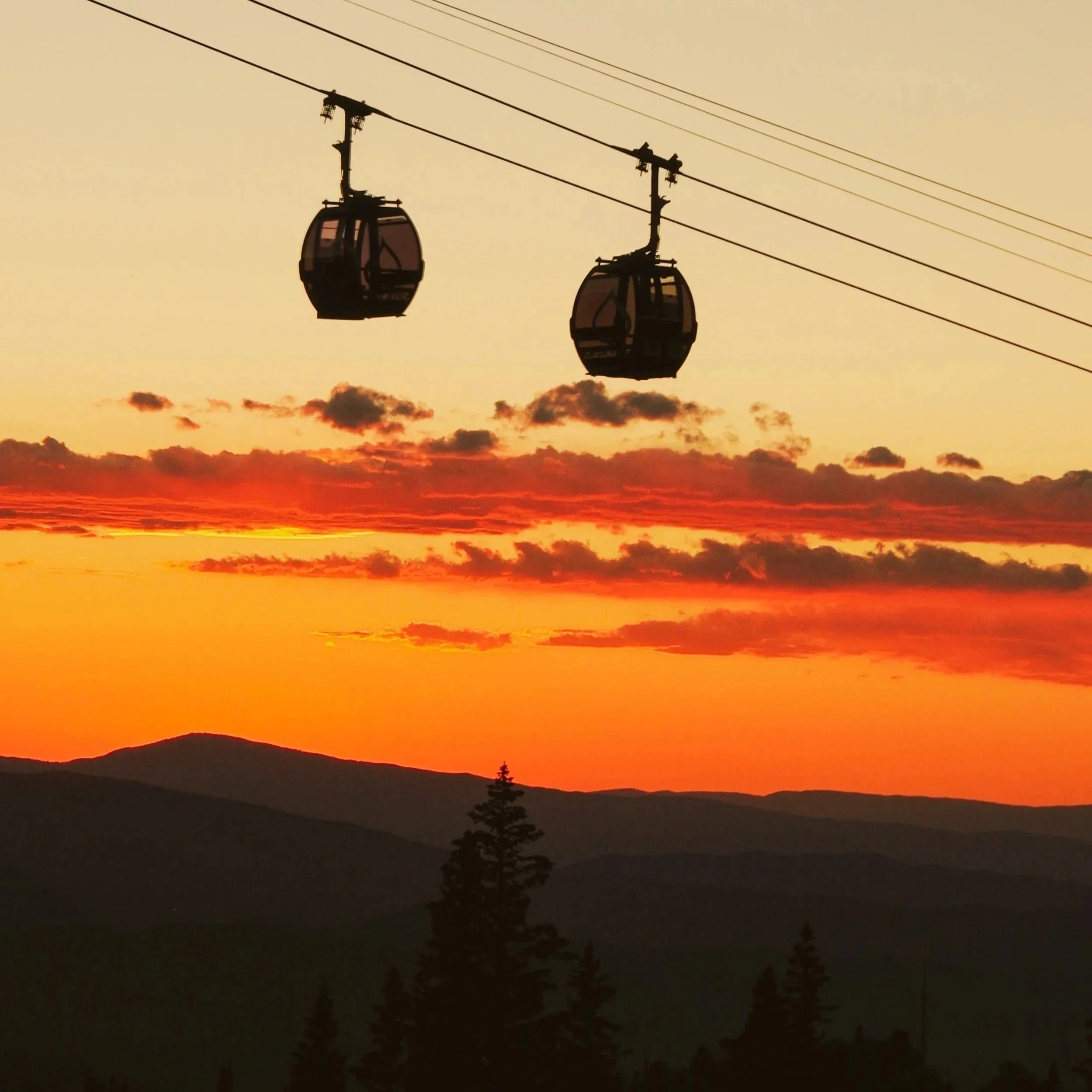
The main street is nine blocks long. The Victorian architecture is preserved as a National Historic Landmark District — most of the brick storefronts on Colorado Avenue date to between 1878 and 1913, the height of the silver and gold mining boom. There are no chain stores in the visible way Aspen has them. The free gondola climbs over the ridge to Mountain Village in 13 minutes — the only free public gondola of its kind in North America — and you can walk the length of town in 20 minutes.
The scenery is also, objectively, more dramatic. Aspen is beautiful — the Maroon Bells are arguably the most photographed mountains in North America — but you have to leave town and drive to see them. In Telluride, the drama is the moment you step outside. The peaks are right there, the waterfall is right there, the box canyon walls rise nearly vertical at the end of the street. It feels like a film set, because it has been one many times over.
For honeymooners, for first-time visitors, for travelers who want a place that feels like a discovery, Telluride is the more cinematic choice.
Where to Stay
For a town as small as it is, Telluride punches above its weight on intimate hotels: Dunton Town House, a five-room Tyrolean-style inn on Oak Street, sits a few steps from the gondola and operates more like a private chalet than a hotel. The New Sheridan Hotel (1895) and the Hotel Madeline in Mountain Village round out the upper end. Read our full list of best hotels in Telluride before you book.
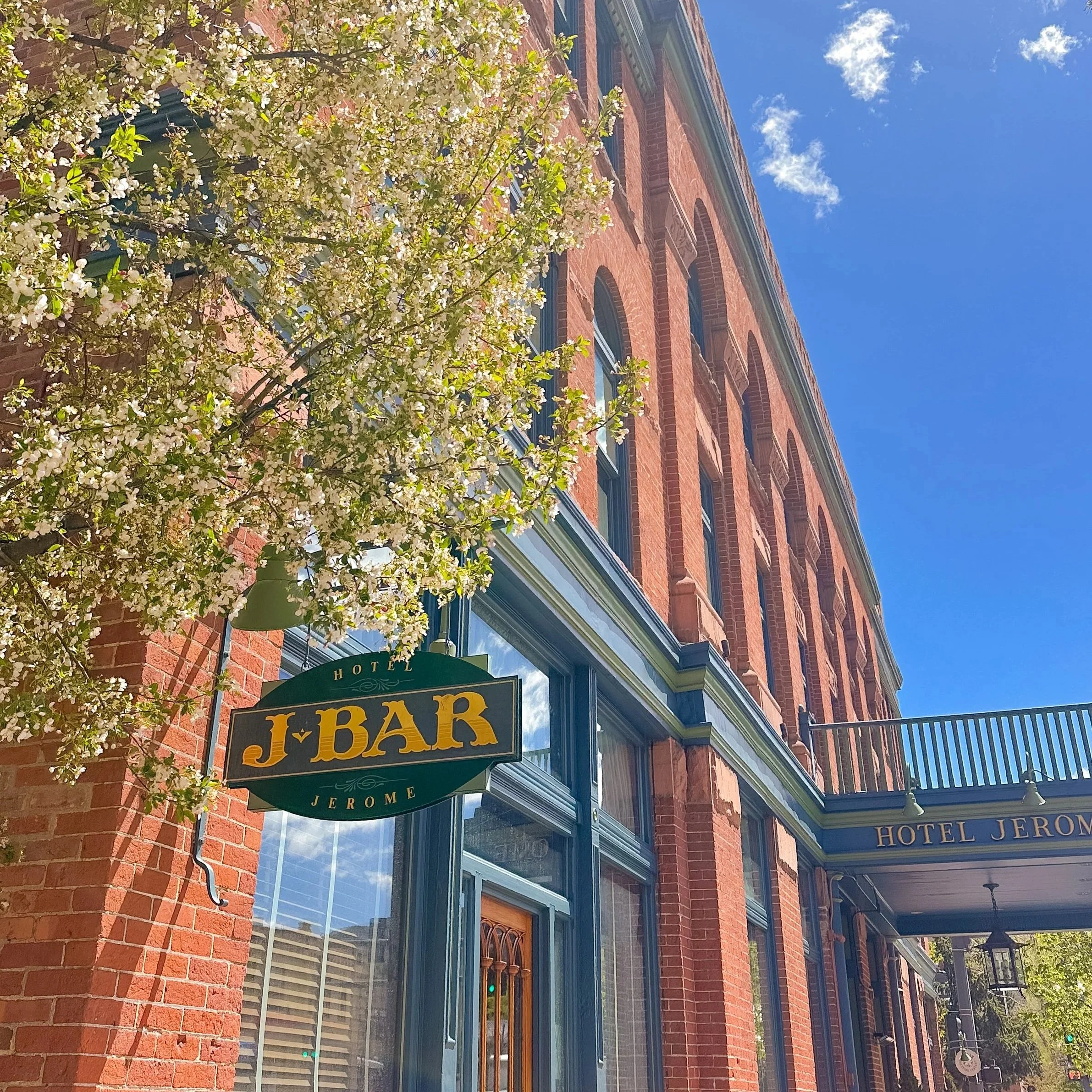
Aspen is the more developed luxury market: Hotel Jerome, an Auberge property dating to 1889, is the social heart of town and one of the great American grand hotels. The Little Nell sits ski-in/ski-out at the base of Aspen Mountain. The St. Regis, the Mollie, and the newly opened White Elephant Aspen fill out the rest of the five-star tier. The best hotels in Aspen can be found here.
The trade-off is consistent with the rest of the comparison: Telluride for character, Aspen for scale.
A Decision Framework
Beginners and mixed-ability groups: Aspen. Buttermilk is an entire mountain dedicated to beginners and low intermediates, and Snowmass handles families at scale. Telluride is built around expert terrain, with roughly 41% of the mountain rated expert, and Aspen Mountain itself has no beginner terrain at all, which surprises people who book it by name.
Expert skiers who want empty runs: Telluride. A 4,425-foot vertical drop, one of the largest in the country, and terrain from Prospect Bowl to the Gold Hill chutes that rarely has a queue. The trade-off is 2,000 acres against Aspen Snowmass's 5,500-plus.
Families: Aspen or Snowmass. More ski school options, more on-mountain dining, easier logistics, and a beginner mountain. Our Aspen with kids guide covers this properly.
Food and nightlife: Aspen, and it is not close. Decades of development have produced a genuine restaurant destination. Telluride's restaurants are good and there are fewer of them.
Beauty and quiet: Telluride. It sits at the end of a box canyon surrounded by protected public land, which caps development permanently, and you ski down to a Victorian main street. Aspen's larger footprint cannot replicate that.
Weekend trips and international travelers: Aspen, for it’s relative ease of getting there and larger airport.
Frequently Asked Questions
Is Telluride or Aspen more expensive? Aspen is meaningfully more expensive across the board — housing, hotels, dining, and shopping. Both are luxury markets, but Aspen's average home price runs roughly double Telluride's, and Aspen rentals consistently run 50 to 100 percent higher than comparable Telluride rentals. For travelers on a flexible budget, Telluride offers more for the same spend.
Which is better for families with kids? Both work well, but they suit different family styles. Aspen offers more variety for mixed-ability groups and non-skiers — four ski mountains, more museums, more programming, and a denser restaurant scene. Telluride is more contained and walkable, with the free gondola connecting town to Mountain Village and a more intimate scale that smaller kids tend to find less overwhelming.
Can you visit both Telluride and Aspen on the same trip? Yes, but plan for the drive — there are no direct flights between the two airports, and the drive between them takes roughly five hours through mountain passes that can be slow or closed in winter. Most travelers who do both treat them as two separate trips rather than one combined itinerary.
Is Telluride worth the longer trip from Aspen? For travelers prioritizing dramatic scenery, a preserved historic main street, and a quieter mountain experience — yes. Telluride is meaningfully different from Aspen in feel, not a smaller version of the same thing. For travelers prioritizing ease of travel, cultural programming, or terrain variety, Aspen is the better single-trip choice.
Which has better skiing for beginners? Aspen has stronger dedicated beginner infrastructure thanks to Buttermilk, which is built around teaching and progression. Telluride has solid beginner and intermediate terrain on one mountain, but lacks Aspen's depth of beginner-specific options across multiple mountains.
Which is better in summer? Aspen has a denser summer calendar — the Aspen Music Festival runs nearly all summer, the Aspen Ideas Festival, the Food & Wine Classic, and the AIR Festival anchor a continuous arts and culture season. Telluride summer is more festival-driven (Bluegrass, Mountainfilm, Film Festival, Jazz) and hiking-centric. For year-round cultural programming, Aspen; for serious mountain experiences and the specific Telluride festivals, Telluride.